
Locking your car sounds like the easiest job in the world. You step out, press a button, hear a cheerful beep, and walk away feeling like a responsible adult. Simple, right? Mostly. But modern cars have turned “lock the door” into a surprisingly interesting mix of old-school habits, smart technology, key fobs, mobile apps, anti-theft systems, and the occasional moment of parking-lot panic when you wonder, “Did I actually lock it?”
The truth is that car theft and vehicle break-ins still happen across the United States, even though vehicle security has improved dramatically. Many thefts are not cinematic heists with lasers and dramatic background music. They are quick, quiet, and opportunistic. A thief walks through a parking lot, pulls a few door handles, finds one unlocked, and congratulationsyour glove box has become a free sample table.
That is why learning the best ways to lock your car matters. It protects your vehicle, your belongings, your insurance peace of mind, and sometimes your schedule. Nobody wants to spend Tuesday morning filing a police report because they left a backpack visible and the door unlocked “just for a minute.”
Below are three practical ways to lock your car, when to use each one, and why the humble locked door remains one of the cheapest anti-theft tools ever invented.
Why Locking Your Car Still Matters
Before we get into the three methods, let’s deal with the big question: does locking your car really make a difference? Yes. A locked car is not theft-proof, but it changes the math. Criminals often prefer fast, quiet, low-risk targets. An unlocked vehicle takes seconds to enter. A locked vehicle requires more effort, more noise, more exposure, or specialized tools. That extra friction can be enough to make a thief move along to an easier target.
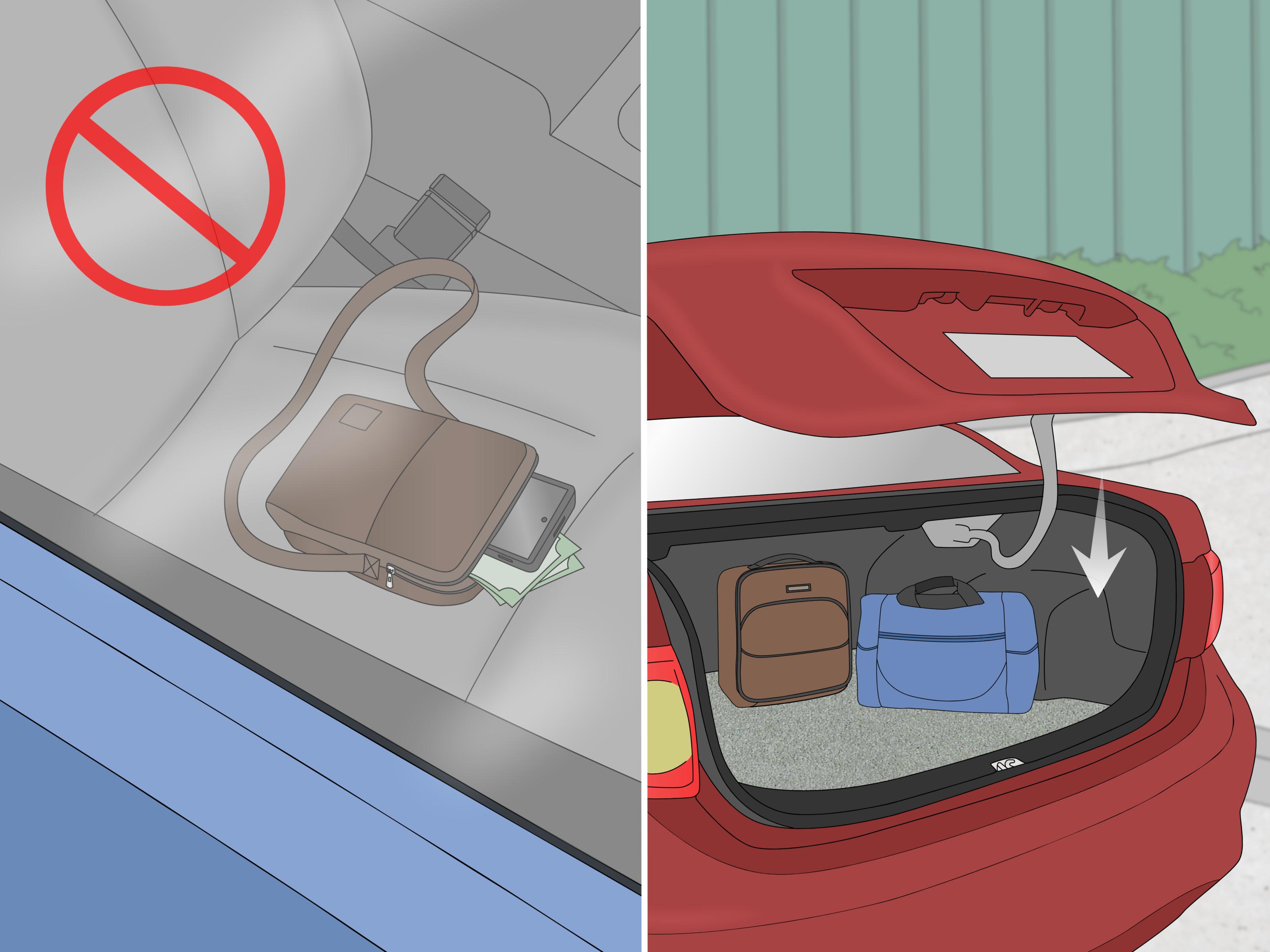
Locking your vehicle also protects more than the vehicle itself. Many car break-ins are about what is inside: phones, wallets, laptops, tools, purses, gym bags, sunglasses, registration documents, garage remotes, and anything that looks like it might contain something valuable. Even an empty backpack can attract attention because a thief does not know it contains only granola crumbs and a forgotten hoodie.
Good locking habits also support other safety steps: closing windows, activating alarms, securing key fobs, parking in well-lit areas, and keeping valuables out of sight. Think of locking your car as the first layer in a security sandwich. It is not the whole meal, but without it, everything gets messy.
1. Lock Your Car With the Key Fob
The key fob is the most common way modern drivers lock their cars. Press the lock button, and the vehicle usually responds with flashing lights, a beep, folding mirrors, or a short honk that says, “Relax, I’m secured.” It is quick, convenient, and especially useful when your hands are full of groceries, school bags, sports gear, or one very dramatic cup of hot coffee.
How to Use the Key Fob Correctly
Using a key fob is simple, but the best habit is to confirm the lock. Do not just press and wander off into the sunset. Watch for the lights, listen for the lock sound, or gently check the driver’s door handle before leaving. This matters because signal interference, low fob batteries, distance, or accidental button presses can prevent the lock from engaging.
In busy parking lots, some drivers press the button from far away and assume the car locked. That is convenient, but not always ideal. A stronger habit is to lock the car while you are still close enough to see or hear confirmation. If your vehicle has an alarm system, locking with the key fob may also arm that alarm, depending on the model.
Why the Key Fob Method Works
The key fob method is fast and consistent. It usually locks all doors at once, including passenger doors and the rear hatch. Many vehicles also use the fob to activate built-in security features such as alarms, immobilizers, and visual lock indicators. For families or shared vehicles, this is especially helpful because one button can secure the entire car instead of relying on each passenger to lock their own door.
However, key fobs are not magic wands. They need battery power, and they can be affected by distance or interference. Some modern keyless-entry systems can also be vulnerable to relay-style theft, where criminals try to extend or capture the signal from a nearby fob. That does not mean you should panic and start storing your keys in a dragon-guarded vault. It does mean you should build smarter habits.
Key Fob Safety Tips
Keep your key fob away from exterior doors and windows at home. Do not leave it inside the car, even “hidden.” A fob left in the cup holder is not hidden; it is basically a VIP invitation. If your vehicle has passive keyless entry, consider using a signal-blocking pouch or container when the car is parked at home. Some vehicles also allow drivers to disable passive entry in the settings menu, which can reduce certain keyless theft risks.
If you buy a used car, ask whether all keys are accounted for. When possible, have the vehicle’s key system checked or reprogrammed by a qualified dealer or locksmith. You do not want a mystery fob floating around like a tiny plastic plot twist.
2. Lock Your Car Manually With the Door Button or Physical Key
Manual locking sounds old-fashioned, but it remains useful. Depending on your car, you may be able to lock it with the interior door switch, the lock tab, the exterior key cylinder, or a hidden mechanical key inside the fob. Many drivers forget this method exists until the fob battery dies, and then suddenly the physical key becomes the hero of the story.
When Manual Locking Is Useful
Manual locking is helpful when your key fob battery is weak, the vehicle battery is dead, or electronic locking is not responding. It can also be useful in situations where you want physical confirmation that the door is locked. For older vehicles, manual locking may be the primary method. For newer cars, it is the backup plan you should understand before you are standing in the rain pressing a dead fob like it owes you money.
Many key fobs contain a small physical key blade. It may slide out, flip out, or be hidden under a release button. This key can often unlock the driver’s door and sometimes lock it as well. Your owner’s manual will explain the exact process for your vehicle.
Why Manual Locking Still Matters
Manual locking gives you independence from electronics. Batteries fail. Buttons wear out. Technology occasionally chooses chaos. Knowing how to lock your vehicle manually prevents small problems from becoming big inconveniences.
It is also valuable when handing the car to a valet, mechanic, or family member. If you use a physical key or limited-access key, you may reduce access to certain compartments, depending on the vehicle. Not all cars offer this feature, but it is worth knowing what your model can do.
Manual Locking Mistakes to Avoid
The biggest mistake is locking the keys inside the car. This is easier to do with older cars, but it can still happen with modern vehicles, especially if the fob battery is weak or if the car does not detect the fob correctly. Before closing the door, make sure the key or fob is in your hand, pocket, or bag.
Also avoid locking the car while a child, pet, or vulnerable person is inside. Temperatures inside a parked vehicle can become dangerous quickly, even on days that do not feel extremely hot. Car security is important, but human safety comes first every time.
3. Lock Your Car With Smart Features and Layered Security
The third way to lock your car is not just one button. It is a smarter routine that uses your vehicle’s technology and extra security habits together. This may include walk-away auto-lock, smartphone apps, digital keys, steering wheel locks, alarm systems, immobilizers, and signal-blocking storage for key fobs.
Modern vehicles are rolling computers with cup holders. That is great when technology works for you, but it also means drivers should understand the settings that control locking, unlocking, remote access, and alerts.
Use Walk-Away Auto-Lock Carefully
Some vehicles can automatically lock when you walk away with the key fob. This is convenient, especially for drivers who often forget to press the lock button. The car detects that the fob has moved away and locks itself after a short delay.
But do not trust walk-away locking blindly. Learn your vehicle’s confirmation signals. Some cars beep, flash lights, fold mirrors, or send app notifications. If your car does not confirm clearly, test the feature in your driveway so you know how it behaves. Auto-lock is helpful, but your brain should remain employed.
Use a Mobile App or Digital Key
Many newer cars offer connected apps that let you lock, unlock, locate, or monitor the vehicle from a smartphone. Some apps can notify you if the doors are left unlocked. Others allow remote locking after you have walked away. This is excellent for anyone who has ever sat in a movie theater wondering whether their car is unlocked in the parking garage.
Digital keys can also allow a compatible phone or smartwatch to lock and unlock certain vehicles. These systems vary widely by brand and model, so setup, security, and sharing options are different from one car to another. Use strong phone security, such as a passcode or biometric lock, and be careful when sharing digital keys with others.
Add Visible Deterrents
Layered security means making your car less attractive as a target. A steering wheel lock, brake lock, alarm sticker, dash camera, or visible anti-theft device can discourage opportunistic thieves. These tools are not perfect, but they send a clear message: “This car is going to be annoying.” Criminals generally dislike annoying.
If your car is a model with known theft issues or missing anti-theft technology, check for manufacturer software updates, recalls, or security campaigns. Some automakers have released updates or hardware fixes for theft-prone vehicles. Staying current can improve protection and may also matter for insurance.
What to Do Every Time You Park
A strong car-locking routine should be boring. Boring is good. Boring means you do it automatically every time and do not rely on memory, luck, or the optimistic belief that “this neighborhood seems fine.”
Follow the 10-Second Parking Check
Before you walk away, take 10 seconds:
- Turn off the engine.
- Take the key or fob with you.
- Close all windows and the sunroof.
- Remove or hide valuables.
- Lock the doors.
- Confirm the lock with lights, sound, mirror movement, or a handle check.
That tiny checklist can prevent a large headache. It is especially important at gas stations, convenience stores, gyms, schools, parks, trailheads, apartment complexes, and shopping centers. These are places where drivers often leave quickly and assume they will be back in “just a minute.” Unfortunately, “just a minute” is also a very popular time frame for theft.
Common Car-Locking Myths
“I Don’t Need to Lock It in My Driveway”
Your driveway may feel private, but thieves often target residential areas at night because many vehicles are parked outside and some are left unlocked. Always lock your car at home, even in a garage. If your garage has an opener inside the car, an unlocked vehicle can become a gateway to more trouble.
“There’s Nothing Valuable Inside”
You know that. A thief does not. A visible bag, jacket, charging cable, coin tray, or box can be enough to invite a quick search. Even if nothing valuable is stolen, you may be left with damage, stress, and a car interior that looks like a raccoon held a yard sale.
“My Car Has an Alarm, So I’m Fine”
Alarms help, but they are not a substitute for locking the doors and using common sense. Many people ignore alarms because false alarms are common. A layered approach works better: lock the car, hide valuables, park smart, secure the key fob, and use extra deterrents when needed.
Experience-Based Tips: What Drivers Learn the Hard Way
Most people do not become serious about locking their car because they read a manual. They become serious after one annoying experience: a missing phone charger, a stolen backpack, a rifled-through center console, or that awful moment when the glove box is open and every napkin you have ever owned is scattered across the passenger seat.
One common experience is the “quick stop mistake.” A driver runs into a coffee shop, gas station, or school office for less than two minutes. The car is nearby. The area seems safe. The engine may even be left running because the driver thinks convenience will win. But a running, unlocked vehicle is one of the easiest targets imaginable. It takes almost no planning for someone to jump in and leave. The better habit is simple: engine off, keys out, doors locked, every time.
Another lesson drivers often learn is that the trunk is better than the seat, but an empty car is best. If you must leave something in the vehicle, place it out of sight before you arrive at your destination, not after. Moving a laptop bag into the trunk in a parking lot can advertise exactly where the valuable item went. The smartest move is to reduce temptation before anyone is watching.
Parents and students also learn the importance of routine. School drop-off, sports practice, and after-school activities create chaos. Doors open, bags move, snacks appear, someone loses a water bottle, and suddenly nobody remembers whether the car was locked. A family rule helps: the last person out checks the doors, and the driver confirms the lock. This avoids the classic parking-lot debate where everyone is “pretty sure” someone else handled it.
Apartment residents often discover that repeated habits matter more than location. A gated garage or apartment lot can feel secure, but shared parking areas still see break-ins. The best routine is to lock the car, keep the interior clean, avoid leaving mail or documents inside, and never store spare keys in the vehicle. A spare key in the center console is not a backup plan; it is a surprise gift.
Drivers with newer vehicles learn a different lesson: convenience features need boundaries. Passive entry is wonderful when your arms are full, but key fobs should not live beside the front door. Store them farther inside the home or in a signal-blocking pouch if the vehicle uses keyless entry. Check app settings, enable alerts when available, and learn how to disable passive features if you rarely use them.
The best experience-based advice is this: make locking your car a ritual, not a decision. Decisions require attention. Rituals happen automatically. Press the lock button, wait for confirmation, glance through the window, and walk away. It is not dramatic. It will not impress your neighbors. But it may save you from broken glass, missing belongings, insurance calls, and the deeply irritating task of replacing every card in your wallet.
Conclusion
Locking your car is one of the simplest ways to reduce risk, but the best method depends on your vehicle and situation. The key fob is fast and convenient. Manual locking is reliable when electronics fail. Smart features and layered security add protection for modern vehicles, especially those with keyless entry or connected apps.
The bigger lesson is consistency. Lock the car every time. Take the keys. Close the windows. Hide valuables. Confirm the lock. These small habits do not require special tools, technical genius, or a superhero cape. They simply make your vehicle a harder targetand in the world of car security, harder is better.
Note: This article is based on widely accepted U.S. vehicle safety, insurance, and theft-prevention guidance and is intended for general educational use.