
Mini pet turtles are tiny, adorable, and surprisingly good at convincing humans to buy them an entire aquatic condo. One moment you are admiring a little shell with legs; the next, you are researching water heaters, basking platforms, UVB bulbs, tank filters, reptile-safe greens, and why your kitchen sink should never become a turtle spa. Welcome to turtle ownership: charming, peaceful, and just technical enough to make you feel like a part-time aquarium engineer.
Before we go further, let’s clear up one important point: “mini turtle” usually means a baby or juvenile turtle, not a turtle that stays pocket-sized forever. Many common pet turtles, such as red-eared sliders, painted turtles, musk turtles, and map turtles, grow larger with age and can live for decades when cared for properly. In the United States, the sale of turtles with shells under 4 inches as pets is banned because small turtles have long been associated with Salmonella infections. So, if you are thinking about bringing one home, choose a legal, responsibly sourced turtle and prepare for a long-term commitmentnot a temporary desk decoration with a face.
The good news? Turtle care becomes much easier when you focus on three big things: building the right habitat, feeding the right diet, and practicing smart health and hygiene habits. These three areas cover most of what a mini pet turtle needs to grow into a healthy, active, shell-polished little companion.
Way 1: Create a Safe, Clean, Turtle-Friendly Habitat
A turtle’s home is not just a tank. It is a swimming pool, sun deck, dining room, bathroom, gym, and meditation retreat all in one. If the habitat is too small, too cold, too dirty, or missing proper lighting, even the best food in the world will not make up for it. Mini turtles may look tiny, but they still need serious space and equipment.
Choose a Tank That Allows Room to Grow
One of the biggest beginner mistakes is buying a tiny plastic bowl with a palm tree in the middle. It looks cute in cartoons, but for real turtles, it is basically a studio apartment with plumbing issues. Aquatic and semi-aquatic turtles need enough water to swim, turn, dive, and exercise. A common rule used by many turtle keepers is to plan around 10 gallons of water per inch of shell length, and larger adult turtles often need tanks of 75 to 100 gallons or more.
For a young mini turtle, a starter aquarium may work temporarily, but think ahead. Your turtle will grow, and upgrading later is usually more expensive than planning properly from the beginning. The tank should also have secure sides or a screen top to prevent escape. Turtles are not fast in the usual sense, but they are surprisingly determined climbers when they decide the living room looks interesting.
Provide Both Water and a Dry Basking Area
Aquatic turtles need a clean swimming area and a completely dry basking platform where they can climb out of the water. This basking area is not optional. It helps your turtle dry its shell, regulate body temperature, and absorb essential light. The platform should be stable, easy to climb, and large enough for the turtle to sit fully out of the water.
Good basking options include commercial turtle docks, smooth rocks arranged securely, or custom platforms designed for aquariums. Avoid sharp rocks, unstable decorations, or anything that could trap the turtle underwater. If your turtle has to fight like an action hero just to climb onto the basking spot, redesign it.
Use Proper Heat and UVB Lighting
Turtles are reptiles, which means they rely on their environment to regulate body temperature. A healthy indoor turtle setup usually needs two types of light: a heat lamp for basking and a UVB light to support calcium metabolism and shell health. UVB exposure helps turtles process vitamin D3, which is important for strong bones and shells.
The basking area should be warm enough to encourage your turtle to climb out and dry off, while the water should remain in the proper range for the species. Many young aquatic turtles do well with water in the upper 70s Fahrenheit, but exact temperatures vary by species. Use thermometers for both the water and basking area rather than guessing. Your hand is not a scientific instrument, even if it has opened many snack bags with confidence.
UVB bulbs also need regular replacement because their ultraviolet output weakens over time even if the bulb still shines. Follow the manufacturer’s schedule, often around every six months for many bulbs. Also, remember that UVB does not pass effectively through glass or solid plastic, so place the light correctly above a screen or open area according to product instructions.
Install Strong Filtration and Keep the Water Clean
Turtles are adorable, but they are not tidy roommates. They eat in water, poop in water, shed in water, and then look at you like the filter should have handled all of that yesterday. A powerful aquarium filter is essential because turtle tanks get dirty faster than fish tanks. Many owners choose filters rated for more water than the tank actually holds because turtles produce heavy waste.
Even with a good filter, you still need regular maintenance. Remove uneaten food daily, check water quality, and perform partial water changes as needed. Cloudy, smelly, or slimy water is not just unpleasant; it can contribute to skin, shell, eye, and respiratory problems. Clean water is one of the simplest ways to prevent trouble before it starts.
Add Safe Enrichment Without Overcrowding
Your turtle’s tank should feel natural but not cluttered. Smooth rocks, aquatic plants, hiding areas, and gentle visual barriers can help reduce stress. However, avoid small gravel that a turtle might swallow. Large river stones, bare-bottom tanks, or turtle-safe sand may be easier to manage depending on the species and setup.
Think of enrichment as useful decoration. If an item gives your turtle a place to explore, rest, hide, or climb safely, it may be helpful. If it simply looks cute but traps waste, blocks swimming space, or creates sharp edges, it belongs in the “not worth the vet bill” category.
Way 2: Feed a Balanced Diet That Matches the Turtle’s Age and Species
Feeding a mini pet turtle is not as simple as tossing in the same pellets forever and hoping for the best. Young turtles often need more protein for growth, while many adult aquatic turtles gradually eat more plant material. A balanced turtle diet depends on species, age, size, and health. When in doubt, ask a reptile veterinarian for a diet plan that fits your turtle specifically.
Use Quality Turtle Pellets as a Staple
Commercial aquatic turtle pellets are a practical staple because they are formulated to provide essential nutrients. Choose pellets made for aquatic turtles, and select a pellet size your mini turtle can eat easily. Pellets should not be the only food forever, but they are a reliable foundation.
A good feeding routine is consistent but not excessive. Overfeeding can lead to obesity, poor water quality, and shell problems. A common approach is to offer an amount your turtle can finish in a short feeding window, then remove leftovers. Young turtles may eat more often than adults, but exact schedules vary. The goal is healthy growth, not turning your turtle into a floating ravioli.
Add Protein Sources in Moderation
Young aquatic turtles are often more carnivorous than adults, so protein can be important. Depending on the species, suitable protein options may include earthworms, crickets, mealworms, small feeder insects, freeze-dried shrimp, or other reptile-safe foods. Avoid wild-caught insects because they may carry pesticides or parasites.
Feeder fish should be used carefully. Some fish are fatty or nutritionally unbalanced, and frequent feeding can cause problems. Goldfish, for example, are often discouraged as a regular feeder. If you offer fish at all, ask a reptile-savvy veterinarian which options are appropriate and how often to use them.
Offer Leafy Greens and Vegetables
Many aquatic turtles benefit from plant foods, especially as they mature. Good options may include romaine lettuce, dandelion greens, collard greens, mustard greens, turnip greens, and small amounts of shredded vegetables. Floating greens in the tank or clipping them to the side can make feeding easier.
Not all greens are equal. Iceberg lettuce is mostly water and not very nutritious. Spinach can bind calcium and should not be a major staple. Fruits such as berries, melon, or apple may be offered occasionally for some species, but fruit should be a treat, not the main event. If your turtle starts expecting fruit salad every day, you have been out-negotiated by a reptile.
Use Calcium and Supplements Wisely
Calcium is important for shell and bone health. Some owners provide cuttlebone, calcium blocks, or supplements, but the right choice depends on your turtle’s diet and species. UVB lighting and calcium work together; without proper UVB exposure, a turtle may not use calcium effectively.
Do not overload your turtle with random supplements just because the bottle has a confident-looking reptile on it. Too much of certain vitamins can cause health issues. A balanced diet, proper lighting, and veterinary guidance are safer than guessing.
Feed in a Way That Protects Water Quality
Turtles are messy eaters. Many owners feed turtles in a separate container of warm water, then return them to the main tank after feeding. This can reduce waste in the primary habitat. However, some turtles find moving stressful, so observe your pet’s behavior and choose the method that works best.
Whether you feed in the tank or separately, remove uneaten food quickly. Rotting food pollutes the water and can cause odors, bacterial growth, and filter overload. A clean tank starts with smart feeding habits.
Way 3: Protect Your Turtle’s Health With Hygiene, Handling, and Veterinary Care
Mini pet turtles can be wonderful animals to observe, but they are not cuddly pets in the same way as dogs or cats. They can become accustomed to people, recognize feeding routines, and show curious behavior, but frequent handling is usually stressful for them. The healthiest relationship with a turtle is often “admire, maintain, feed, and wash your hands.” Romantic? No. Responsible? Absolutely.
Handle Your Turtle Gently and Infrequently
When you do need to handle your turtle, use both hands and support its body securely. Keep it low over a safe surface in case it wiggles. Turtles can kick, scratch, and attempt a dramatic escape, especially when they are young. Never pick a turtle up by the tail, limbs, or edge of the shell.
Limit handling to necessary tasks such as tank cleaning, health checks, or moving the turtle for feeding. Avoid tapping on the shell or forcing interaction. A turtle’s shell is living tissue connected to its body, not a helmet you can knock on for fun.
Take Salmonella Seriously
Pet turtles of any size can carry Salmonella germs even when they look healthy and clean. These germs can spread to the turtle’s shell, tank water, habitat items, and nearby surfaces. For this reason, turtle care must include strict hygiene.
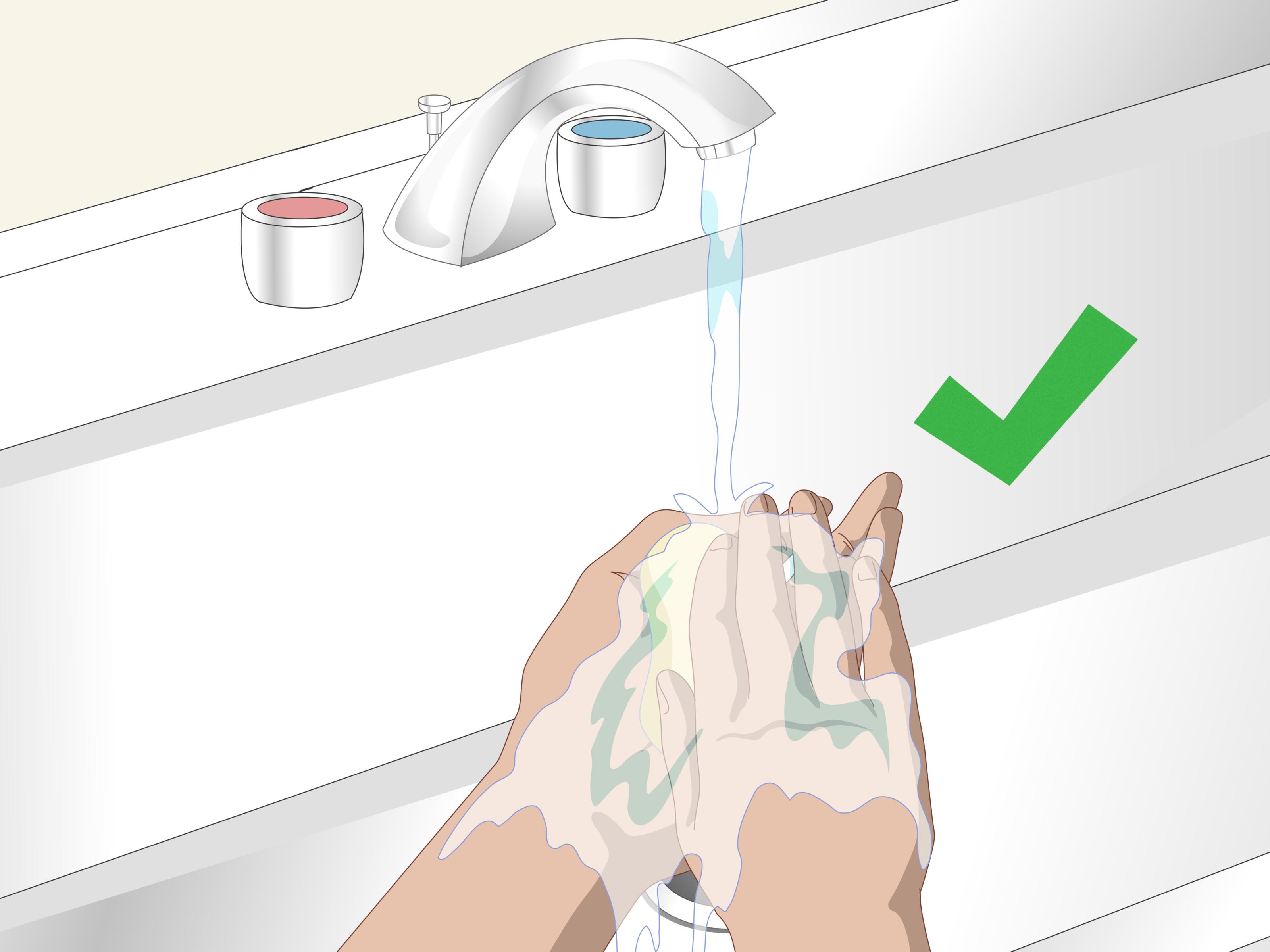
Always wash your hands with soap and water after touching your turtle, its tank, its water, or anything in its habitat. Do not kiss, snuggle, or put your turtle near your face. Do not eat or drink while handling turtle supplies. Clean turtle equipment outside of kitchen sinks, bathroom sinks, food-prep areas, or bathtubs used by people.
Households with children under 5, adults over 65, pregnant people, or anyone with a weakened immune system should be especially cautious. A tiny turtle may look like a harmless pebble with eyes, but good hygiene is what keeps cute from becoming complicated.
Watch for Signs of Illness
Turtles often hide illness until a problem has become serious. Learn your turtle’s normal behavior so you can notice changes early. Warning signs may include swollen eyes, lack of appetite, wheezing, bubbles from the nose, open-mouth breathing, soft shell areas, shell discoloration, unusual spots, floating sideways, lethargy, or refusal to bask.
Shell problems can develop from poor water quality, lack of UVB light, poor diet, or injuries. Respiratory infections may appear when temperatures are too low or the habitat is damp and poorly balanced. Eye issues may be linked to water quality, vitamin imbalance, or infection. These are not problems to solve with internet guessing alone. A reptile veterinarian is the right person to call.
Schedule Reptile-Savvy Veterinary Care
Not every veterinarian regularly treats reptiles, so find an exotic or reptile veterinarian before an emergency happens. A wellness exam can help confirm your turtle’s species, age estimate, diet, habitat setup, and overall condition. Bring photos of the tank, lights, filter, food, and temperature readings to the appointment. This gives the vet a clearer picture than simply saying, “He lives in a tank and judges me silently.”
Veterinary care is especially important for newly acquired turtles. A vet can check for parasites, injuries, shell concerns, nutritional problems, and signs of infection. If you own multiple reptiles, quarantine new arrivals before placing them near existing animals.
Common Mini Turtle Care Mistakes to Avoid
Many turtle problems come from good intentions mixed with bad information. Avoid these common mistakes to keep your turtle healthier and your wallet less frightened.
Mistake 1: Assuming Small Means Easy
Mini turtles are small, but their care is not tiny. They need heating, UVB lighting, filtration, swimming space, basking access, a balanced diet, and regular cleaning. They are not beginner-proof pets. They are more like quiet, shelled roommates with very specific housing demands.
Mistake 2: Buying an Illegal Tiny Turtle
In the U.S., turtles with shells under 4 inches cannot legally be sold as pets. If someone is selling very small turtles at a flea market, roadside stand, online listing, or souvenir shop, walk away. Illegal sales often ignore animal welfare, public health rules, and proper buyer education.
Mistake 3: Skipping UVB Lighting
A heat lamp alone is not the same as UVB lighting. Without UVB, turtles may develop calcium-related problems and poor shell health. Indoor turtles need proper reptile lighting set up according to manufacturer directions.
Mistake 4: Cleaning the Tank Only When It Smells
If a turtle tank smells bad, it has already been dirty for too long. Use a strong filter, remove leftovers, test water quality when needed, and perform routine partial water changes. Your nose should not be the official water-quality manager.
Mistake 5: Feeding Only Dried Shrimp
Dried shrimp may be accepted eagerly, but it should not be the whole diet. A healthy turtle diet includes quality pellets, appropriate protein, greens, vegetables, and sometimes supplements depending on the turtle’s needs.
Real-Life Experience: What Caring for a Mini Pet Turtle Actually Feels Like
Owning a mini pet turtle is a little like managing a tiny aquatic resort where the guest never leaves, rarely says thank you, and somehow makes the pool dirty five minutes after check-in. At first, many new owners imagine turtle care will be simple: small animal, small tank, small effort. Then they discover the filter, heater, basking lamp, UVB bulb, water conditioner, thermometer, feeding tongs, test strips, and the mysterious art of arranging a basking dock so the turtle actually uses it.
The first big lesson is that turtles teach patience. They do not wag their tails or run to the door. Instead, they reveal personality slowly. One turtle may dive dramatically whenever a person enters the room. Another may paddle over at feeding time like a tiny submarine with opinions. Over time, you start noticing patterns: when your turtle prefers to bask, which greens get ignored, how it reacts to tank cleaning day, and whether it believes your finger is food. Spoiler: many turtles briefly consider that possibility.
The second lesson is that routine matters. A healthy turtle home runs on habits. Lights go on and off at consistent times. Food is offered in sensible portions. Leftovers are removed before they become science experiments. Water changes happen before the tank looks like swamp soup. When care becomes routine, the turtle becomes more settled, and the owner feels less like they are constantly solving a wet puzzle.
The third lesson is that equipment is not a luxury; it is part of responsible care. A strong filter saves time and protects health. A proper basking area prevents shell and skin issues. A UVB bulb supports normal growth. A thermometer removes guesswork. Many turtle owners learn this the hard way after starting with cheap supplies and upgrading one by one. In turtle care, buying the right setup early is usually cheaper than fixing problems later.
The fourth lesson is that turtles are better observed than handled. New owners often want to pick up their mini turtle, show it to friends, or let it roam on the floor. In reality, most turtles prefer a stable environment and minimal handling. Watching them swim, bask, hunt for food, and explore is usually more enjoyableand saferthan treating them like a pocket pet. A turtle is not rude for refusing cuddles. It is simply being a turtle, which is a full-time job.
The fifth lesson is that hygiene becomes automatic. At first, washing hands after every turtle-related task may feel like a chore. Soon it becomes as normal as closing the tank lid. You learn not to rinse turtle items in the kitchen, not to let children kiss the turtle, and not to combine snack time with tank maintenance. These habits are simple, but they make turtle ownership much safer.
Perhaps the most rewarding experience is seeing a turtle thrive because the habitat finally works. The water stays clear. The turtle basks regularly. It eats with enthusiasm, grows steadily, and moves confidently. That is when you realize turtle care is not about keeping a cute little animal in a bowl. It is about creating a miniature ecosystem where that animal can behave naturally. And yes, it is a lot of work for a creature that sometimes hides under a rock and pretends you do not exist. But when it pops its head out of the water at feeding time, all that effort feels oddly worth it.
Conclusion: Mini Turtle Care Is Small in Size, Big in Responsibility
Mini pet turtles can be fascinating, peaceful, and long-lived companions, but they are not low-effort pets. The three best ways to care for them are simple in theory and serious in practice: build a proper habitat, feed a balanced diet, and protect their health through hygiene and veterinary care.
A good turtle setup includes spacious water, a dry basking area, UVB lighting, heat, filtration, and safe enrichment. A good diet includes quality pellets, appropriate proteins, leafy greens, vegetables, and species-specific adjustments. Good health care includes careful handling, strict Salmonella prevention, observation for illness, and support from a reptile-savvy veterinarian.
Think of your mini turtle as a small animal with big needs. Give it clean water, warm light, smart nutrition, and respect for its natural behavior, and you will have a much better chance of raising a healthy turtle that thrives for years. Tiny shell, big commitmentand yes, probably a bigger filter than you expected.
Note: This article is for general educational purposes and should not replace advice from a qualified reptile veterinarian. Always confirm your turtle’s species and specific care requirements before changing its habitat, diet, or health routine.