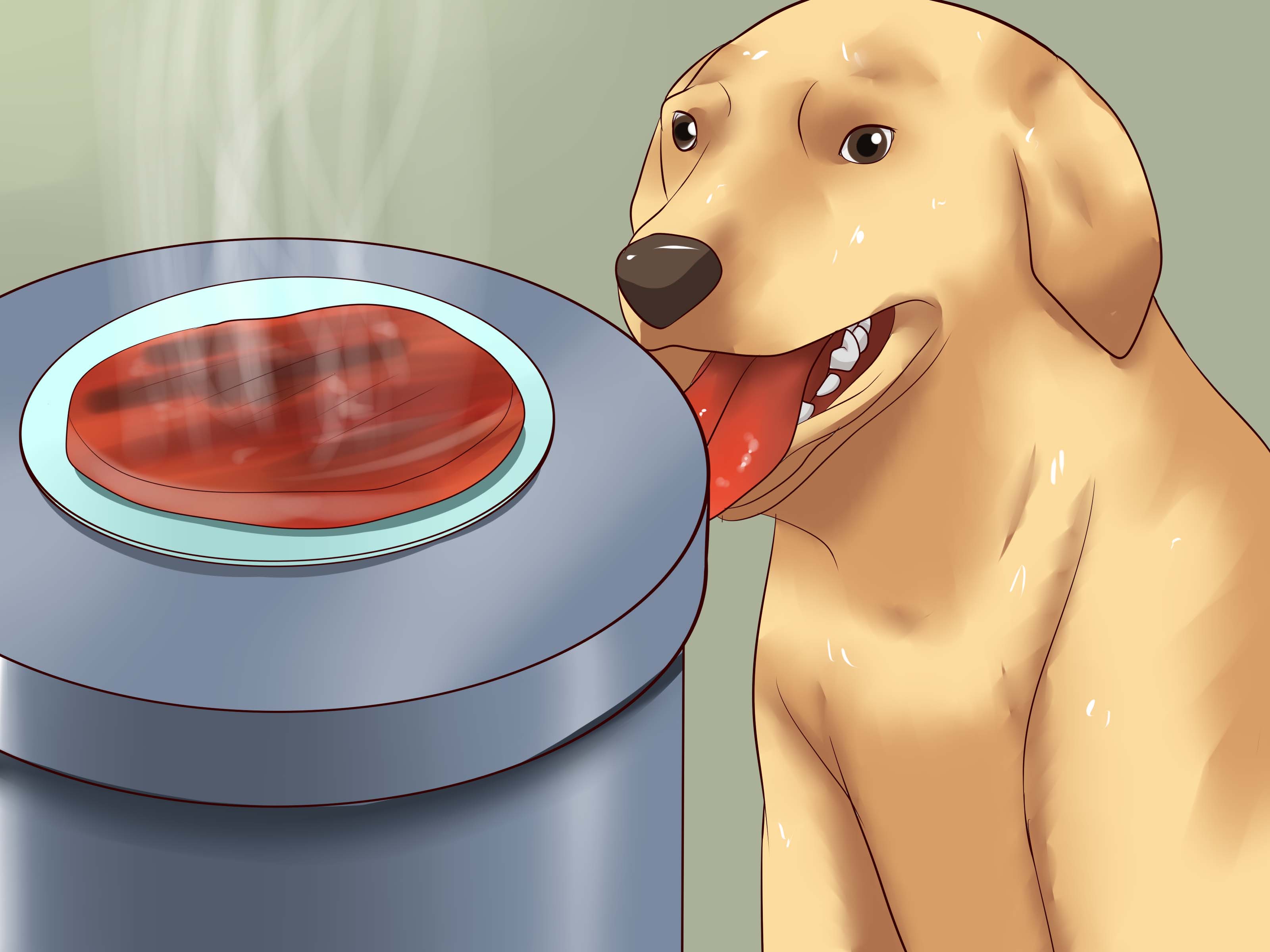

Every dog owner knows the sound. A suspicious clatter from the kitchen. A pause. Then the unmistakable rustle of a garbage bag being treated like a five-star buffet. You walk in and find your dog wearing a yogurt lid as a hat, surrounded by coffee grounds, banana peels, and the guilty expression of a creature who regrets absolutely nothing.
Teaching your dog not to get into garbage cans is not just about saving your floors, your nose, or your last shred of dignity. It is also about safety. Trash can contain cooked bones, spoiled food, chocolate, grapes, onions, xylitol-sweetened gum, medication, foil, plastic wrap, sharp cans, and other hazards that can upset your dog’s stomach or lead to a veterinary emergency. In other words, the trash may look like treasure to your dog, but it is more like a mystery box hosted by chaos.
The good news is that garbage raiding is a fixable behavior. The even better news is that you do not need to yell, scare your dog, or set up a spy-movie-level trap involving cans, string, and your emotional stability. The best approach combines smart prevention, positive training, and better daily enrichment. Below are three practical ways to teach your dog to stay out of the trash and choose better hobbieslike chewing approved toys, napping dramatically, or staring at you while you eat toast.
Why Dogs Get Into Garbage Cans
Before you can stop the behavior, it helps to understand why your dog thinks the garbage can is the most exciting appliance in the house. Dogs are natural scavengers. Their noses are powerful, curious, and deeply committed to investigating smells that humans describe as “absolutely not.” A trash can full of food wrappers, meat drippings, paper towels, and leftovers sends your dog a message that sounds something like: “Adventure lives here.”
Garbage raiding is also self-rewarding. If your dog tips the bin over and finds chicken skin once, the lesson is learned quickly: trash cans sometimes pay out. Even if the next five attempts produce only coffee filters and disappointment, the possibility of treasure keeps the behavior alive. That is why prevention matters so much. Every successful raid is like your dog winning a tiny lottery with terrible prizes.
Some dogs also raid trash because they are bored, under-exercised, hungry, anxious, or simply young and curious. Puppies explore with their mouths. Adolescent dogs test boundaries with the enthusiasm of a tiny lawyer. Adult dogs may develop the habit if food is easily available. Senior dogs may become more food-focused because of medical changes. If your dog’s appetite suddenly increases, or if garbage digging comes with weight loss, vomiting, diarrhea, restlessness, or unusual behavior, check with your veterinarian.
1. Manage the Environment So the Trash Stops Being Rewarding
The first way to teach your dog not to get into garbage cans is to make the garbage boring, unavailable, and unrewarding. This is not “cheating.” This is dog training with common sense wearing sneakers.
Use a Dog-Proof Trash Can
Start with the obvious: upgrade the trash can. A lightweight open bin is basically an invitation. Choose a sturdy trash can with a locking lid, a tight-fitting top, or a design that cannot be easily tipped over. Some dogs can operate pedal bins with their paws or noses, because apparently we live with furry engineers. If your dog is especially talented, choose a bin that locks closed rather than one that only flips open.
For bathroom trash cans, use covered containers or place them inside cabinets. Bathroom garbage often contains tissues, dental floss, cotton swabs, hygiene products, medication packaging, and other items dogs should not chew or swallow. Small bins are easy to forget, but many dogs see them as snack-size treasure chests.
Move the Trash Out of Reach
If your dog keeps winning against the trash can, change the game. Put the kitchen trash in a pantry, closet, mudroom, garage, cabinet, or behind a baby gate. If your dog raids the trash only when you leave home, do not leave access to the kitchen. Close doors, use gates, or crate train your dog if crate training has been introduced positively and your dog feels comfortable there.
Think of management as the seat belt of dog training. It does not replace teaching, but it prevents disasters while learning happens. A dog cannot practice garbage raiding if the garbage is not available. The fewer times your dog rehearses the behavior, the easier it becomes to replace it.
Control the Smell Factor
Dogs often raid trash because it smells like food. Reduce temptation by rinsing meat trays, tying off food scraps, emptying trash more often, and keeping especially tempting leftovers in an outdoor bin or sealed container. After cooking fish, chicken, bacon, or anything greasy, take the trash out before leaving your dog unsupervised. To your dog, a bacon-scented garbage bag is not “trash.” It is a scented invitation written in poetry.
Also avoid using the trash as a temporary storage spot for dangerous items. Cooked bones, corn cobs, skewers, spoiled leftovers, chocolate wrappers, xylitol gum, onion-heavy food scraps, and medication should be secured immediately. If your dog does get into something risky, call your veterinarian or a pet poison control hotline promptly.
2. Teach “Leave It,” “Drop It,” and a Better Choice
Prevention is powerful, but your dog also needs clear skills. The second way to teach your dog not to get into garbage cans is to train cues that tell your dog what to do instead. Dogs learn faster when we stop shouting “No!” like a broken smoke alarm and start teaching useful alternatives.
Teach “Leave It” Step by Step
The “leave it” cue means: ignore that thing and look to me instead. Start with low-value food or a boring object, not a full trash can. Hold a treat in your closed fist. Let your dog sniff, lick, or nudge your hand. Say nothing at first. The moment your dog backs away or looks away, mark the behavior with “yes” and reward with a different treat from your other hand.
Repeat until your dog quickly moves away from the closed fist. Then add the cue “leave it” right before presenting your fist. Over time, practice with a treat on the floor covered by your hand, then uncovered but protected, then with mild distractions. Always reward your dog for choosing you over the temptation.
Eventually, practice near the trash area without using actual garbage. Place a boring object near the bin, cue “leave it,” and reward your dog for turning away. Keep sessions short and successful. If your dog lunges for the object, the setup is too hard. Make it easier and build gradually.
Teach “Drop It” for Emergency Moments
“Drop it” is essential for the moments when your dog already has something in their mouth. Do not chase your dog around the house unless you enjoy starring in a comedy titled “Human Loses to Sock.” Chasing often turns stolen items into a game.
Instead, teach a trade. Offer your dog a toy. After a few seconds, place a high-value treat near their nose. When your dog releases the toy, say “drop it,” mark with “yes,” give the treat, and return the toy if it is safe. This teaches your dog that dropping an item does not mean the fun ends. It means good things happen.
For garbage-related situations, use “drop it” calmly. If the item is dangerous, trade with something excellentsmall bits of chicken, cheese, or another vet-approved treat your dog loves. Avoid forcibly pulling items from your dog’s mouth unless there is immediate danger, because grabbing can cause guarding, gulping, or accidental bites.
Train an Alternative Behavior
Your dog needs a job near the kitchen. Teach a “go to mat” cue so your dog has a clear place to be while you cook, clean, or handle trash. Place a mat several feet from the garbage can. Toss a treat on the mat. When your dog steps on it, mark and reward. Gradually reward sitting or lying down on the mat. Add the cue “place” or “mat” once your dog understands the behavior.
Practice when the kitchen is calm. Then practice while you open a cabinet, touch the trash lid, or tie a garbage bag. Reward your dog for staying on the mat. This creates a new pattern: trash movement means go to the mat, not launch a raccoon-style investigation.
You can also teach “out” for leaving the kitchen. Toss a treat just outside the kitchen threshold, say “out,” and reward your dog for moving away. With repetition, “out” becomes a polite cue that means “please exit the snack laboratory.”
3. Meet Your Dog’s Needs Before the Trash Becomes Entertainment
The third way to teach your dog not to get into garbage cans is to reduce the motivation behind the behavior. A tired, satisfied, mentally engaged dog is less likely to invent household crimes. This does not mean your dog needs to run a marathon. It means your dog needs the right mix of exercise, food, enrichment, and routine.
Give Your Dog Daily Physical Exercise
Many dogs raid trash because they have energy to burn. A daily walk, sniff walk, game of fetch, tug session, or training game can help. Sniffing is especially useful because it works your dog’s brain as well as their body. Letting your dog sniff on walks is like giving them the morning newspaper, social media feed, and detective novel all at once.
The amount of exercise depends on your dog’s age, breed, health, and personality. A young Labrador may need much more activity than a senior pug. A herding breed may need problem-solving games in addition to walks. If your dog is recovering from injury or has health concerns, ask your veterinarian what level of activity is appropriate.
Use Food Puzzles and Safe Chews
Dogs enjoy working for food. Instead of serving every meal in a bowl, try puzzle feeders, snuffle mats, slow feeders, stuffed rubber toys, or scatter feeding in a safe area. These activities give your dog an approved outlet for sniffing and foraging. When your dog gets a legal scavenging job, the illegal trash-diving career becomes less appealing.
Safe chews can also help, especially during high-risk times like cooking dinner or cleaning up after meals. Choose chews that match your dog’s size and chewing style. Supervise new chews, avoid items that splinter, and ask your veterinarian if you are unsure what is safe for your dog.
Check Feeding Routine and Hunger
Some dogs raid garbage because they are genuinely hungry. This can happen when meals are too small, too far apart, or not satisfying enough. It can also happen when a dog is on a weight-loss plan and suddenly decides the trash can is a loophole.
Do not simply increase food without guidance, especially if your dog needs weight control. Instead, ask your veterinarian whether your dog’s diet, calories, fiber level, or meal schedule should be adjusted. Some dogs do better with smaller, more frequent meals. Others benefit from low-calorie vegetables approved by a vet or from puzzle feeders that make meals last longer.
Common Mistakes That Make Garbage Raiding Worse
Mistake 1: Punishing After the Fact
If you come home to trash everywhere, your dog will not connect your anger to the raid that happened twenty minutes earlier. Your dog may look “guilty,” but that look is usually a response to your tone, posture, and mood. Punishing after the fact can create fear without teaching the right behavior.
Clean up calmly, improve management, and adjust the plan. Yes, this is emotionally difficult when the kitchen looks like a raccoon bachelor party. Still, calm consistency works better than dramatic courtroom speeches delivered to a dog holding a napkin.
Mistake 2: Creating a Chase Game
When your dog grabs trash and you chase them, the item becomes more valuable. Your dog learns, “When I grab forbidden treasure, my human plays!” Instead, practice trades with “drop it,” block access to dangerous areas, and reward your dog for moving away from the trash.
Mistake 3: Leaving Temptation Available During Training
Training cannot compete with constant access to leftovers. If your dog is still getting into the garbage every few days, the habit is being refreshed. Secure the trash first. Then train. Think prevention first, lessons second, freedom third.
A Simple 7-Day Training Plan
Day 1: Secure the Setup
Move trash behind a door, use a locking lid, and remove tempting food waste quickly. Check every trash can in the home, not just the kitchen bin.
Day 2: Start “Leave It”
Practice five short sessions with a treat in your closed hand. Reward your dog for backing away or looking at you.
Day 3: Add “Drop It”
Use toys and treats to teach trading. Keep the mood cheerful. Your dog should feel like dropping items is profitable.
Day 4: Introduce the Mat
Reward your dog for stepping on a mat near the kitchen. Build toward sitting or lying down calmly.
Day 5: Practice Around Mild Trash Cues
Touch the trash lid while your dog stays on the mat. Reward generously. Do not use real food scraps yet.
Day 6: Add Enrichment Before Risky Times
Give your dog a puzzle feeder, sniff walk, or safe chew before cooking or leaving home. A busy dog makes fewer questionable life choices.
Day 7: Review and Repeat
Notice what worked. Did your dog raid less after exercise? Did the locking lid solve half the problem? Keep the plan going for several weeks until the new habits become normal.
Real-Life Experiences: What Actually Helps When Your Dog Thinks Trash Is a Restaurant
One of the most common experiences dog owners share is that garbage raiding rarely disappears because of one magical command. It usually improves when the household changes the entire routine. For example, many owners discover that their dog behaves perfectly when people are home but becomes a tiny sanitation inspector the moment everyone leaves. In that case, the issue is not that the dog “knows better” and is being sneaky. The dog has simply learned that unsupervised time is the safest time to investigate.
A practical experience-based solution is to create a leaving-home checklist. Before walking out the door, move the trash, close the bathroom doors, clear food wrappers, and give the dog a safe activity. This sounds simple, but it works because it removes the rehearsal of the bad habit. After a few weeks, many dogs stop scanning the kitchen first thing when they are alone because the jackpot is gone.
Another common lesson is that the “best” trash can depends on the dog. Some dogs are defeated by a basic lid. Others laugh in the face of modern engineering. A tall, heavy, locking trash can may work for one dog, while another family may need to place the bin in a pantry. Owners of large breeds often learn that “dog-proof” means “tested by my specific dog,” not “promised by the label.” If your dog can open a pedal bin, tip over a slim can, or nose through a swinging lid, do not feel defeated. You are not failing; you are living with a motivated problem solver who happens to have paws.
Training experiences also show that timing matters. Teaching “leave it” during an active garbage raid is like teaching swimming during a cannonball contest. Start when your dog is calm. Practice with boring items. Reward heavily. Then slowly increase difficulty. Many owners make faster progress when they practice for three minutes several times a day instead of one long session. Dogs, like humans, learn better before they are frustrated, hungry, or wildly excited by the smell of yesterday’s pizza.
People also find that enrichment changes the whole mood of the house. A dog who gets a sniff walk in the morning, a puzzle feeder at lunch, and a safe chew during dinner cleanup has less reason to search for entertainment in the garbage. This is especially true for smart, energetic dogs. If your dog is part border collie, terrier, shepherd, poodle, retriever, or mystery genius from the shelter, mental exercise may be just as important as physical exercise. A bored clever dog can turn a trash can into a research project.
Finally, patience is part of the process. Garbage smells are powerful, and food-seeking behavior is natural. Your goal is not to convince your dog that trash is morally wrong. Your goal is to make trash unavailable, make good choices rewarding, and give your dog better things to do. When that happens, your kitchen becomes calmer, your dog becomes safer, and your garbage can can finally retire from its career as the most dramatic object in the house.
Conclusion
Teaching your dog not to get into garbage cans comes down to three reliable strategies: manage the environment, train clear cues, and meet your dog’s daily needs. Secure the trash so your dog cannot practice the habit. Teach “leave it,” “drop it,” and “go to mat” so your dog knows what to do instead. Add exercise, food puzzles, safe chews, and a consistent routine so the garbage can loses its appeal.
The best training plan is not built on fear or frustration. It is built on prevention, patience, and rewards. Your dog is not trying to ruin your day; they are following their nose toward what smells interesting. With the right setup, you can help them choose safer, cleaner, and much less disgusting hobbies.
Note: This article is written for web publication in original American English and is based on real dog-training and veterinary safety guidance.