
Every so often, the internet discovers a phrase so catchy that it practically sprints across TikTok, Instagram, X, Facebook, and every group chat with at least one friend who says, “Wait, I have evidence.” The Black Wife Effect is one of those phrases. It describes the viral before-and-after trend where people compare someone’s life, confidence, grooming, fashion, and general “main character energy” before and after marrying or partnering with a Black woman.
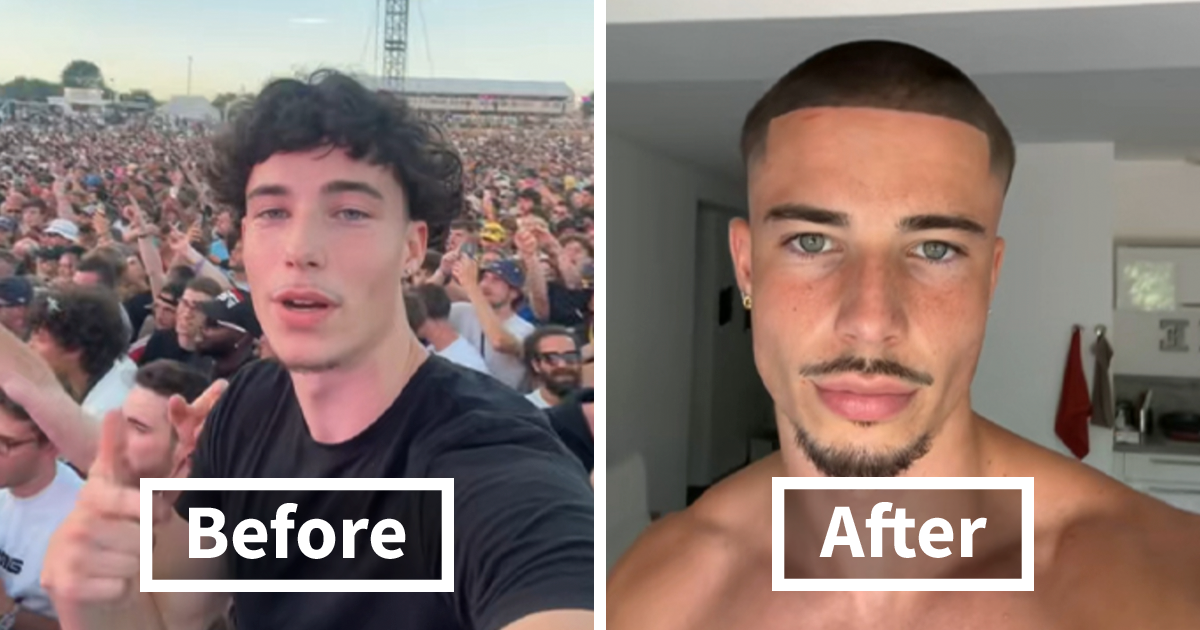
The hook is simple: show an old photo, then show the upgraded version. Suddenly, the hoodie that looked like it survived three college semesters becomes a tailored jacket. The unsure smile becomes relaxed confidence. The haircut starts paying rent. The shoes finally match the outfit. The whole transformation says, “Somebody in this house owns a steamer, a skincare routine, and strong opinions about collar shape.”
But while 45 comparison pics that show the Black Wife Effect is real might sound like a lighthearted photo gallery, the trend also opens the door to a deeper conversation about love, style, identity, cultural exchange, and the invisible labor that often happens inside relationships. Yes, the photos are fun. Yes, the glow-ups can be dramatic. But the most interesting part is not just the “before” and “after.” It is what happens in between.
What Is the Black Wife Effect?
The Black Wife Effect is a social media trend built around visual transformation. In many viral posts, a manoften white, though not alwaysis shown before meeting his Black wife or partner, then shown years later looking more polished, confident, stylish, emotionally grounded, and socially aware.
In internet language, it is a “glow-up.” In real-life language, it is often the result of partnership, care, feedback, shared standards, better routines, and the kind of loving honesty that says, “Baby, that shirt is not coming with us.”
The trend became especially popular because it is instantly understandable. You do not need a long caption. A side-by-side photo can tell the story in two seconds. The first image might show awkward posture, random facial hair, tired sneakers, or a wardrobe that appears to have been assembled during a power outage. The second image often shows cleaner grooming, sharper clothes, better posture, warmer expression, and a sense of ease.
Still, the phrase should be used with care. Black women are not magical makeover machines. They are not accessories in someone else’s transformation story. The healthiest way to understand the Black Wife Effect is as a playful internet label for something many long-term couples know well: the right relationship can help people become more intentional about how they show up in the world.
Why Comparison Pics Make the Trend So Addictive
Comparison photos work because humans love visible progress. We enjoy home renovations, fitness journeys, haircut reveals, closet makeovers, and “then versus now” stories because they compress time into one satisfying visual punchline. The Black Wife Effect follows the same formula, but with a relationship twist.
In many of these pictures, the transformation is not just about clothes. It is about presence. The person in the “after” photo often looks more comfortable, more expressive, and more connected to their image. That is why the trend feels bigger than a new blazer or a better beard trim. The strongest examples show someone who has learned how to carry themselves differently.
The Classic Before-and-After Formula
Most viral comparison pics follow a familiar pattern:
- Before: casual, awkward, under-styled, or unaware of what works for them.
- After: more polished, better groomed, more confident, and visually coordinated.
- Caption: a playful nod to the Black wife or partner who “upgraded” the look.
The humor comes from the contrast. The emotional appeal comes from the relationship behind it. Viewers are not only laughing at the old photo; they are also reading the “after” as evidence of love, stability, and shared growth.
The Real Meaning Behind the “Glow-Up”
At first glance, the Black Wife Effect looks like a fashion trend. Look closer, and it becomes a relationship story. A partner’s influence can shape habits, taste, routines, emotional expression, and self-image. That does not mean one person “fixes” the other. It means people in close relationships often learn from each other.
Think about what happens when two people build a life together. They share mirrors, calendars, bathrooms, social circles, family events, travel plans, and brutally honest dressing-room feedback. Over time, small changes accumulate. Someone starts moisturizing because their partner introduced them to actual skincare instead of using body wash as a universal life solution. Someone learns which colors flatter them. Someone discovers that tailored pants are not a government conspiracy. Someone starts taking photos without looking like they were surprised by the camera.
That is the funny, human core of the trend. Love does not automatically create a glow-up, but a loving environment can make growth easier. Support can improve confidence. Feedback can sharpen style. Cultural exchange can expand taste. And a partner with excellent standards can quietly retire an entire drawer of questionable T-shirts.
Why Black Women Are Often Centered in the Trend
The phrase “Black Wife Effect” specifically centers Black women, and that matters. Black women have long influenced American culture through fashion, beauty, music, language, social commentary, entrepreneurship, and community leadership. From protective styling to statement accessories, from bold self-presentation to cultural fluency, Black women’s aesthetic and social influence is everywhereeven when mainstream culture fails to give proper credit.
In the context of relationships, the trend suggests that some partners benefit from being close to that confidence, taste, emotional intelligence, and cultural awareness. The photos often imply that the spouse did not simply get better clothes; they gained access to a richer understanding of presentation, care, and social context.
However, this is also where the trend needs nuance. Celebrating Black women is one thing. Turning Black women into a service category is another. The best interpretation of the Black Wife Effect is not “Black women exist to upgrade people.” It is “Black women’s influence is powerful, visible, and often underappreciated.” That distinction is important.
The Best Types of Black Wife Effect Comparison Pics
A gallery of 45 comparison pics that show the Black Wife Effect is real usually works because each image tells a slightly different story. Some are hilarious. Some are surprisingly sweet. Some look like the person went from “lost tourist at a barbecue” to “owner of a tasteful natural wine bar.” Below are the most common types of transformations people love to see.
1. The Wardrobe Upgrade
This is the most obvious category. The before photo may feature oversized graphic tees, faded cargo shorts, or a suit that looks like it was borrowed from a cousin with different measurements. The after photo usually brings better fits, cleaner lines, intentional colors, and outfits that look chosen rather than accidentally assembled.
The wardrobe upgrade is not about expensive fashion. Many of the best glow-ups come from simple improvements: clothes that fit, shoes that match, fewer wrinkles, better layering, and an understanding that “business casual” does not mean “polo shirt in emotional distress.”
2. The Grooming Upgrade
Haircuts, beard shaping, skincare, and eyebrow maintenance can completely change a face. A person does not need a dramatic makeover to look more polished. Sometimes the difference is a fresh fade, a cleaner neckline, moisturized skin, and the quiet retirement of a hairstyle that should have ended three eras ago.
In these comparison pics, the “after” often looks less like a new person and more like the same person finally found the correct settings.
3. The Confidence Upgrade
This is the transformation viewers feel even when they cannot explain it. The clothes may be better, but the posture is the real headline. The person stands taller. Their smile looks easier. Their body language says, “I know who I am,” instead of “Please do not tag me in this.”
Confidence is one reason these photos spread so quickly. People can sense when someone has become more comfortable in their own skin. That kind of glow-up is harder to buy, and much harder to fake.
4. The Cultural Awareness Upgrade
Some posts joke that the Black Wife Effect comes with better music taste, better seasoning tolerance, better dance-floor awareness, and a healthier respect for family cookout rules. While the jokes can be funny, the deeper point is cultural learning. In interracial or cross-cultural relationships, partners often become more aware of experiences, traditions, language, humor, and social realities outside their own background.
A person who once moved through the world with limited cultural awareness may become more thoughtful because their partner’s lived experience expands their perspective. That is not just a style upgrade. That is personal growth.
5. The “Soft Life” Upgrade
Not every transformation is loud. Some of the sweetest comparison pics show someone looking less stressed, more cared for, and more emotionally present. The after photo might show a family vacation, a wedding, a relaxed dinner, or a quiet moment at home. The glow-up is not only in the outfit; it is in the peace.
This version of the trend resonates because many people understand that healthy love can soften the edges. A strong relationship can encourage rest, better routines, better communication, and a more stable sense of belonging.
Why the Trend Is Funny, Sweet, and Complicated
The Black Wife Effect became popular because it is entertaining. It gives people permission to laugh at old fashion choices while celebrating growth. But like many viral trends about race, gender, and relationships, it also carries complicated layers.
On the positive side, the trend publicly celebrates Black women’s influence. That visibility matters, especially because Black women’s cultural contributions are often copied, commercialized, or ignored. The trend allows couples to say, “Look what love, taste, and partnership can do.” It can also push back against old stereotypes by showing Black women as desired, cherished, stylish, nurturing, funny, and influential.
On the critical side, the trend can accidentally suggest that Black women are responsible for improving their partners. That can reinforce the expectation that Black women should provide emotional labor, style coaching, cultural education, and personal development for free. It can also make the Black woman in the relationship feel like the supporting character in someone else’s glow-up movie.
The fairest reading is this: the Black Wife Effect is fun when it celebrates mutual love and growth. It becomes uncomfortable when it treats Black women as tools for transformation rather than full people with their own desires, boundaries, and glow-ups.
What the 45 Comparison Pics Usually Reveal
When viewers scroll through dozens of Black Wife Effect comparison pics, a pattern appears. The most successful transformations usually involve more than one visible change. A better haircut alone is nice. A better haircut, sharper clothes, warmer body language, improved confidence, and a proud spouse in the frame? That is the full internet package.
These photos often reveal five bigger truths:
- Style is social. People learn how to dress from family, friends, partners, communities, and culture.
- Confidence is contagious. Being loved well can help someone feel more secure and expressive.
- Presentation is a language. Clothes, grooming, posture, and photos communicate identity before a person says a word.
- Healthy relationships create feedback loops. One person’s standards, care, and encouragement can influence the other.
- Black women’s influence deserves credit. The trend works because people recognize a cultural truth that has often been minimized.
Specific Examples of the Black Wife Effect in Action
Some examples are everyday and relatable. A husband who once wore basketball shorts to every event learns the joy of linen pants. A partner who avoided photos starts posing with ease. Someone who never used moisturizer suddenly has a skincare shelf that requires its own zip code. A man who once thought “formal” meant “the good hoodie” now owns a blazer that fits his shoulders. These are small changes, but together they create a visible shift.
Celebrity culture has also played with the idea. When public figures jokingly join the trend, it shows how recognizable the formula has become: old photo, upgraded photo, playful credit to the Black woman, and a caption that understands the assignment. But the strongest examples are still ordinary couples. The charm comes from seeing real people grow together over time.
How to Talk About the Trend Without Stereotyping
Because the Black Wife Effect touches race, gender, beauty, and relationships, it should be discussed with both humor and respect. The goal is not to flatten Black women into a single personality type or suggest that all Black women perform the same kind of emotional or aesthetic labor. Black women are not a monolith. Some love fashion; some do not. Some enjoy styling their partners; others would rather send them a shopping link and protect their peace.
A respectful version of the trend gives credit without creating pressure. It says, “This woman’s influence mattered,” not “Black women exist to upgrade everyone.” It celebrates partnership without turning love into unpaid consulting. It notices the transformation while remembering that the Black wife or partner also has her own story.
Why the Black Wife Effect Feels So Shareable
The trend is shareable because it combines three powerful ingredients: visual proof, relationship humor, and cultural pride. The before-and-after format is easy to understand. The captions invite laughter. The larger messageBlack women elevate spaces they enterconnects with a long history of cultural influence.
It also gives couples a playful way to tell their story. Instead of writing a long anniversary post, they can post two photos and let the contrast speak. It is sweet, funny, and slightly savage in the way only a good relationship joke can be. The old photo becomes harmless evidence. The new photo becomes the victory lap.
What Readers Can Learn From the Trend
You do not need to be in a viral TikTok relationship to learn something from the Black Wife Effect. The bigger lesson is that growth is often relational. People become more confident, stylish, disciplined, expressive, and aware when they are surrounded by people who encourage their best selves.
The trend also reminds us that presentation is not shallow. How someone dresses and carries themselves can reflect self-respect, cultural belonging, emotional safety, and personal evolution. A glow-up is not always vanity. Sometimes it is evidence that someone has been loved, challenged, and seen.
At the same time, the trend reminds partners to give credit carefully. If someone helped you grow, say thank you. If your spouse taught you how to dress, listen twice. If your partner expanded your worldview, honor that labor. And if your old photos are truly tragic, accept that the internet may laugh a little. Growth requires humility.
Experiences Related to “45 Comparison Pics That Show The Black Wife Effect Is Real”
One of the most relatable experiences behind the Black Wife Effect is the moment a couple realizes that style is not just about shopping. It is about attention. Many people do not start out knowing which haircut suits their face, which colors make them look awake, or why fit matters more than a logo. A partner with a strong eye can notice these things quickly. She may not deliver a full fashion lecture; sometimes the lesson is just a raised eyebrow, a pause before leaving the house, or the unforgettable sentence, “Is that what you’re wearing?” Few words, maximum impact.
Another common experience is the photo awakening. A person may spend years avoiding pictures or standing stiffly in every group shot. Then, after being with someone who knows angles, lighting, and the power of a relaxed smile, the photos start improving. The person learns where to stand, how to hold their shoulders, and how to look present instead of startled. Suddenly, the camera is no longer an enemy. It becomes proof of comfort.
Couples also talk about routine changes. The Black Wife Effect often appears in tiny domestic habits: using lotion daily, replacing worn-out shoes, ironing clothes, planning outfits before events, buying better fragrance, or learning that “clean” and “polished” are cousins but not twins. These details are not glamorous on their own, but they add up. The after photo looks different because the daily routine became different.
There is also an emotional side. Some partners become more confident because they are loved by someone who sees potential without accepting laziness. That balance can be powerful. The best relationships do not shame someone into changing; they invite them to rise. A Black wife or partner in these stories is often portrayed as someone who says, “I love you, and also we can do better than those shoes.” The humor works because the care is obvious.
Cross-cultural learning is another major experience. In interracial relationships, a partner may become more aware of how race, family, hair, food, language, social settings, and public perception shape everyday life. That awareness can change how someone moves through the world. They may become more thoughtful, more protective, more curious, and less casual about things they once overlooked. In the best cases, the “effect” is not just improved style; it is expanded empathy.
Finally, many viewers connect with the trend because it celebrates visible love. A good comparison picture is not only saying, “Look how much better he dresses now.” It is saying, “Look what time, partnership, laughter, correction, tenderness, and shared life can do.” The real glow-up is not the jacket, the haircut, or the smoother skin. It is the sense that someone has been shaped by a relationship that made them more awake, more intentional, and more themselves. That is why people keep scrolling through these pictures. They are not just looking for fashion upgrades. They are looking for proof that love can leave evidence.
Conclusion
45 Comparison Pics That Show The Black Wife Effect Is Real is more than a catchy gallery title. It is a snapshot of how the internet celebrates transformation, how relationships shape identity, and how Black women’s influence continues to move through culture with style, humor, and power.
The trend is at its best when it is playful, affectionate, and respectful. It should celebrate Black women without reducing them to life coaches, stylists, or emotional repair shops. It should honor mutual growth, not one-sided labor. And it should remind everyone that the most meaningful glow-ups usually come from care, confidence, accountability, and love that pays attention.
So yes, the Black Wife Effect may be “real” in the way the internet means it: visible, funny, stylish, and often jaw-dropping. But the deeper truth is even better. People change when they are loved well. They dress better when someone helps them see themselves clearly. They stand taller when they feel supported. And sometimes, all it takes is the right partner, the right mirror, and someone brave enough to say, “Absolutely not. Go change.”