
Getting a blood test is one of those small medical chores that can feel bigger in your imagination than it is in real life. One minute you are calmly booking an appointment; the next, your brain is producing a dramatic hospital scene with slow-motion needles, mystery vials, and a soundtrack nobody asked for. The good news? Most blood tests are quick, routine, and far less exciting than your nervous system wants them to be.
Still, preparation matters. A little planning can help your results come back more accurate, your blood draw go more smoothly, and your post-test mood stay somewhere above “hangry goblin.” Whether you are checking cholesterol, blood sugar, iron, thyroid levels, kidney function, liver enzymes, or a complete blood count, the same basic principle applies: follow the instructions for your specific test.
This guide breaks down 4 ways to prepare for a blood test in a practical, human-friendly way. We will cover fasting, hydration, medications, appointment logistics, anxiety tips, and what to do afterward. Think of it as your pre-blood-test checklist, minus the medical jargon fog machine.
Why Blood Test Preparation Matters
Blood tests measure substances circulating in your bloodstream, including cells, glucose, cholesterol, hormones, proteins, enzymes, electrolytes, vitamins, minerals, and medication levels. Food, drinks, exercise, alcohol, supplements, dehydration, and even timing can affect certain results. That does not mean every blood test requires strict preparation. Many do not. But when preparation is required, skipping it can lead to confusing numbers, repeat testing, or a rescheduled appointment.
For example, eating before a fasting glucose test may raise blood sugar. A heavy meal before some lipid testing may affect triglycerides. Dehydration can make veins harder to find. Taking certain supplements before specific labs may interfere with the measurement. Meanwhile, fasting when you were not supposed to can also distort the picture, especially for people with diabetes, pregnancy-related testing, or medication schedules.
The goal is not perfection. The goal is honesty and consistency. If you accidentally break a fast, drink coffee, take a supplement, or forget an instruction, tell the lab staff or your healthcare provider. Medical teams are not there to judge your breakfast burrito. They just need accurate context.
1. Confirm Your Blood Test Instructions Before the Appointment
The first and most important way to prepare for a blood test is simple: know what kind of test you are having and what rules apply. Not all blood work is the same. A complete blood count may require no special preparation, while a fasting glucose test or certain cholesterol, triglyceride, metabolic, iron, or liver-related panels may come with specific instructions.
Ask What the Test Measures
Before your appointment, ask your healthcare provider or check your lab order. Useful questions include:
- What blood tests am I having?
- Do I need to fast? If yes, for how many hours?
- Can I drink water?
- Should I avoid coffee, alcohol, gum, tobacco, exercise, vitamins, or supplements?
- Should I take my usual medications?
- When and how will I receive my results?
These questions may sound basic, but they prevent a classic blood-test comedy: showing up proudly at 8 a.m., only to discover you were supposed to fast, avoid a supplement, or bring paperwork. Nobody wants a sequel appointment unless absolutely necessary.
Understand Fasting Rules
If your provider tells you to fast, fasting usually means no food and no drinks except plain water for a set period. The most common fasting window is around 8 to 12 hours, though your exact instructions may vary by test. Some cholesterol tests may be fasting or non-fasting depending on your situation and your provider’s preference.
During a fasting period, plain water is usually allowed and often encouraged. However, coffee, tea, juice, soda, milk, alcohol, flavored water, creamers, candies, gum, and mints may be off-limits because they can introduce substances that affect digestion or test measurements. Yes, even black coffee may be discouraged for certain fasting labs. Coffee lovers, this is your heroic origin story.
Schedule Smartly
If you need to fast, book your blood test early in the morning when possible. That way, most of your fasting happens while you sleep, and you can eat soon after the draw. Bring a snack for afterward, especially if you tend to feel lightheaded. A granola bar, fruit, nuts, crackers, or a small sandwich can turn “I am fading into the wallpaper” into “I am once again a functioning citizen.”
2. Hydrate Well and Eat Wisely When Fasting Is Not Required
Hydration is one of the easiest blood test preparation tips, and it is also one of the most underrated. Drinking enough water before a blood draw can help keep your veins fuller and easier to access. That may make the process faster and more comfortable for both you and the phlebotomist.
Drink Plain Water
Unless your healthcare provider gives different instructions, drink water the day before and the morning of your test. This is especially useful if your veins are hard to find or if you have had difficult blood draws in the past. Hydration does not mean chugging gallons like you are training for a camel audition. It means drinking a reasonable amount of plain water so you are not dehydrated.
If your instructions say “nothing by mouth” for a procedure, that is different from typical fasting blood work. Follow the exact wording you received. When in doubt, call the provider or lab before your appointment.
Avoid Heavy Meals Before Non-Fasting Blood Work
If fasting is not required, eat normally unless told otherwise. In fact, having a balanced meal 1 to 2 hours before a non-fasting blood test may help prevent lightheadedness. Choose something steady and simple: eggs and toast, oatmeal with nuts, Greek yogurt, fruit with peanut butter, or a turkey sandwich.
Try not to make your last meal before blood work a fried-food festival. Very rich, fatty, or unusually large meals can affect how you feel and may influence certain measurements. Your blood test does not need to meet the ghost of last night’s triple-cheese bacon volcano burger.
Limit Alcohol and Intense Exercise If Directed
Some tests require avoiding alcohol for a longer period before the appointment. Alcohol can affect liver-related markers, hydration status, triglycerides, and blood sugar patterns. Strenuous exercise may also affect some lab values, including muscle enzymes, inflammatory markers, glucose use, and hydration. A relaxed walk is usually different from a personal-record deadlift session, but follow your specific instructions.
If your provider says to avoid vigorous exercise, save the high-intensity workout for after your blood draw. Your veins and your lab values will appreciate the drama-free morning.
3. Review Medications, Supplements, and Health Conditions
One of the biggest blood test preparation mistakes is stopping medication without asking. In many cases, people continue prescription medications during fasting blood work unless their healthcare provider says otherwise. But some medications, vitamins, herbal products, and supplements can affect certain results, so your provider needs the full list.
Make a Medication List
Before the test, write down everything you take, including:
- Prescription medications
- Over-the-counter medicines
- Vitamins and minerals
- Protein powders or nutrition supplements
- Herbal products
- Hormonal medications
- Blood thinners
- Diabetes medications or insulin
Bring the list with you or keep it on your phone. This helps your healthcare team interpret results accurately. It is also useful if you see multiple providers, because your primary care doctor, specialist, and lab staff may not all have the same information at the same moment.
Do Not Stop Medications on Your Own
Unless your provider tells you to pause a medication, do not skip it just because you are fasting. This is especially important for medications for blood pressure, heart conditions, seizures, mental health, thyroid disease, blood clot prevention, and diabetes. If a medication must be taken with food, ask ahead of time how to handle it.
People with diabetes should be especially careful with fasting instructions. Fasting while using insulin or certain diabetes medications can increase the risk of low blood sugar. Your care team may adjust timing, food intake, or medication instructions. Do not guess. Your pancreas deserves professional backup.
Tell Staff About Past Fainting or Difficult Draws
If you have fainted during blood work before, tell the phlebotomist before the needle appears. This is not embarrassing; it is useful safety information. You may be able to lie down, look away, use breathing techniques, or take extra time before standing up afterward.
Also mention if you have small veins, rolling veins, a preferred arm, a history of bruising, a bleeding disorder, or if you take blood thinners. The person drawing your blood can choose the best approach, apply pressure longer afterward, or use a smaller needle when appropriate.
4. Prepare for the Appointment and the Blood Draw Experience
Now that your instructions, fasting, hydration, and medication questions are handled, it is time to prepare for the appointment itself. This part is less about lab science and more about making the day smoother.
Bring the Right Items
Pack the basics before you leave:
- Photo ID
- Insurance card, if needed
- Lab order or requisition, if not already sent electronically
- Medication list
- Water bottle
- Snack for after the draw
- Any forms requested by the lab
Wear short sleeves or sleeves that roll up easily. A tight cuff that traps your arm like a fashion tourniquet is not helpful. Comfortable clothing also helps if you feel nervous or need to sit for a few minutes afterward.
Use Simple Anxiety Tools
Needle anxiety is common. You are not weak, childish, or dramatic. You are a human being with a nervous system, and sometimes the nervous system hits the smoke alarm over a tiny needle. Try these strategies:
- Look away before the needle is prepared.
- Tell the phlebotomist you are nervous.
- Use slow breathing: inhale for four counts, exhale for six.
- Keep your shoulders relaxed and unclench your jaw.
- Bring earbuds and listen to calming music.
- Ask to lie down if you have fainted before.
A good phlebotomist has seen every reaction: jokes, silence, sweating, nervous chatting, philosophical monologues, and people suddenly becoming very interested in ceiling tiles. Communicate early and clearly.
Know What Happens During the Draw
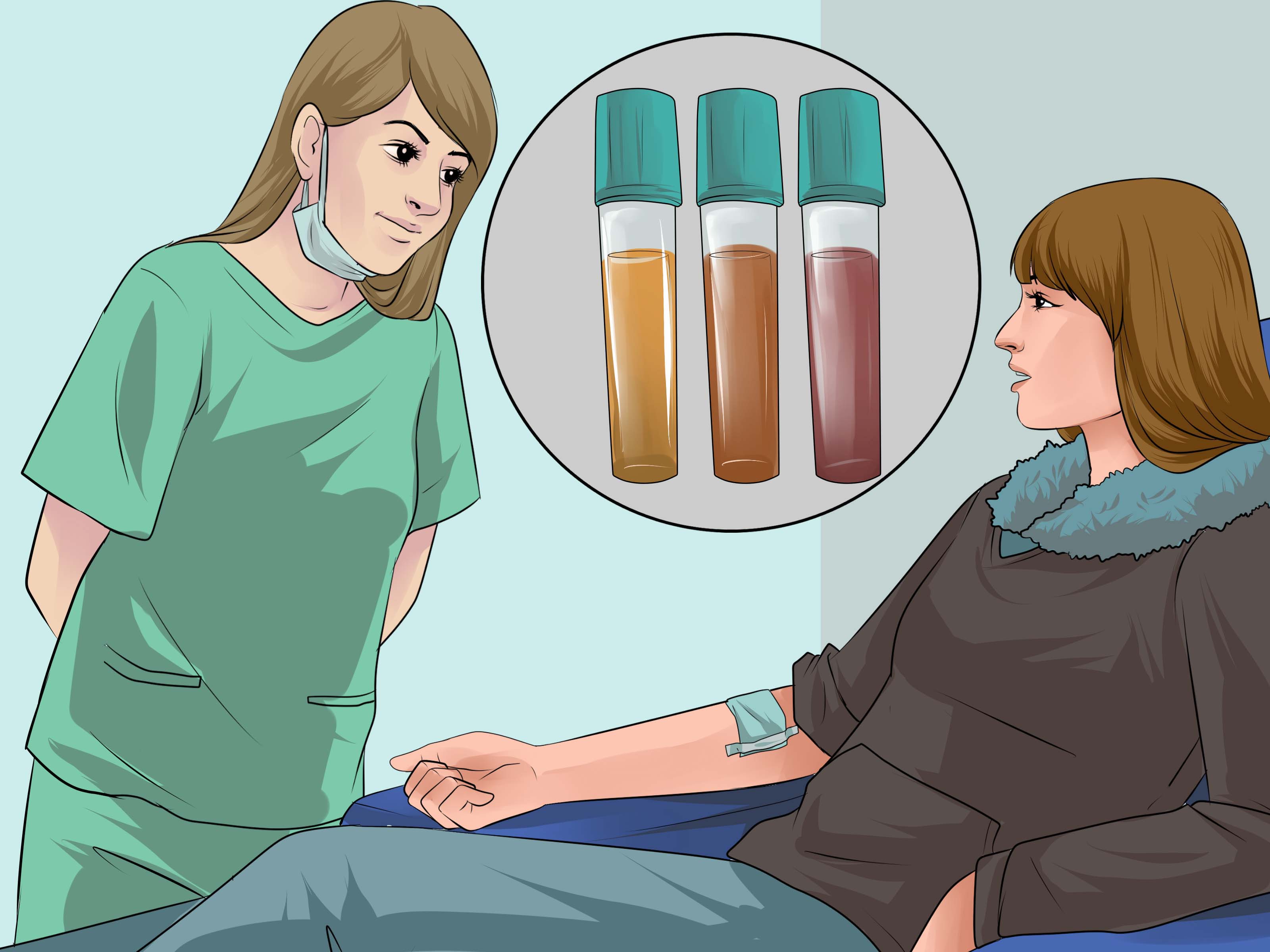
During a typical blood draw, the phlebotomist confirms your identity, checks the test order, applies a tourniquet, cleans the skin, inserts a sterile needle into a vein, fills one or more tubes, removes the needle, and applies pressure with gauze and a bandage. The actual needle time is often short.
Afterward, keep pressure on the site if instructed. Leave the bandage on for the recommended time. Avoid heavy lifting with that arm for a short period if the site feels tender. Mild bruising can happen and usually fades. If you have unusual swelling, severe pain, continued bleeding, signs of infection, or symptoms that worry you, contact a healthcare professional.
What If You Accidentally Eat or Drink Before a Fasting Blood Test?
First, do not panic. Accidentally eating before fasting labs is not a moral failure. It is breakfast with unfortunate timing. Tell the lab staff or your healthcare provider exactly what happened and when. Depending on the test, they may proceed, note it for interpretation, or reschedule.
Do not try to “balance it out” by fasting longer, exercising intensely, drinking extreme amounts of water, or hiding the mistake. That can make things more confusing. Accurate information is more helpful than pretending your muffin never existed.
Common Blood Tests and Preparation Examples
Complete Blood Count
A complete blood count, or CBC, often requires no fasting. It measures red blood cells, white blood cells, hemoglobin, hematocrit, and platelets. It can help evaluate anemia, infection, inflammation, and other health concerns.
Blood Glucose Test
Some blood glucose tests require fasting, especially when checking fasting blood sugar. Others, such as certain diabetes monitoring tests, may not. Always follow the order instructions.
Lipid Panel
A lipid panel measures cholesterol and triglycerides. Some lipid panels are fasting; some are non-fasting. Your healthcare professional decides which is best for your situation.
Basic Metabolic Panel
A basic metabolic panel may measure glucose, calcium, electrolytes, and kidney-related markers. Some providers request fasting, depending on the reason for testing.
Iron Studies, Liver Tests, and Thyroid Tests
Preparation may vary. Some providers may ask for morning testing, fasting, or medication timing adjustments. This is why the best preparation is always test-specific.
Extra Experience-Based Tips: Real-Life Lessons for a Better Blood Test Day
After helping many people prepare for routine lab work, one pattern becomes obvious: the test itself is usually not the hard part. The hard part is the tiny chaos around it. Someone forgets whether fasting includes coffee. Someone leaves the lab order on the kitchen counter. Someone arrives dehydrated after deciding water was “probably cheating.” Someone books a fasting test at 2 p.m. and spends the morning staring at coworkers’ lunches with the intensity of a documentary predator.
The first experience-based tip is to prepare the night before. Put your ID, insurance card, lab form, medication list, snack, and water bottle in one place. If you need to fast, set a phone reminder for when fasting begins. Label it clearly, such as “Start fasting: water only.” This avoids the half-awake midnight snack problem, also known as the “Why am I eating cereal over the sink?” incident.
Second, choose a realistic appointment time. If you are a morning person, great. Book early and move on with your day. If you are not a morning person, still consider an early fasting appointment, but prepare everything before bed so you are not trying to locate paperwork while hungry and emotionally fragile. If you do not need to fast, pick a time when you can eat normally and arrive calmly.
Third, be honest about your body’s habits. If you faint easily, say so. If your left arm is better than your right, say so. If you need to look away, look away. If you become chatty when nervous, that is fine too. Phlebotomists are professionals, not mind readers. A 10-second warning can prevent a 10-minute recovery.
Fourth, make the after-test plan pleasant. Bring something simple to eat. Do not schedule an intense workout immediately afterward if fasting makes you feel shaky. Give yourself a few minutes before driving if you feel lightheaded. If you are returning to work, keep a snack at your desk and drink water. Small comforts make routine healthcare feel less like a punishment and more like basic maintenance.
Finally, do not interpret your results in isolation. Many lab values need context: age, symptoms, medications, hydration, recent illness, pregnancy, diet, exercise, and previous results all matter. One number outside the reference range does not automatically mean disaster. It means your healthcare provider needs to interpret it. Resist the urge to spiral through search results at midnight. The internet can turn a mildly abnormal value into a three-act tragedy faster than you can say “electrolytes.”
The best blood test experience is boring: you prepare correctly, arrive on time, communicate clearly, get the draw, eat your snack, and wait for results. Boring is excellent. Boring is the dream. In healthcare, boring often means everything went smoothly.
Conclusion
Preparing for a blood test does not have to be complicated. The four essentials are: confirm your instructions, hydrate well, review medications and supplements, and plan for the appointment experience. Some tests require fasting, while others do not. Plain water is usually allowed during fasting blood work, but coffee, food, alcohol, gum, and intense exercise may need to wait. Medication instructions should come from your healthcare provider, especially if you take diabetes medicine, blood thinners, or prescriptions that must be taken with food.
Most importantly, be honest if something does not go according to plan. Accidentally eating, forgetting a supplement, or feeling nervous is normal. Clear communication helps your healthcare team decide whether to continue, reschedule, or interpret results with context.
A blood test is a small window into your health. With smart preparation, that window gets cleaner, clearer, and much less stressful. And yes, the post-test snack absolutely counts as a tiny celebration.