
The Paradigm Dining Table is one of those furniture names that sounds like it belongs in a philosophy seminar, but thankfully, nobody has to define epistemology before dinner. In the home-design world, “Paradigm” has become associated with a refined modern dining table style: stone on top, metal underneath, clean lines everywhere, and enough presence to make boxed pizza look like a planned tasting menu.
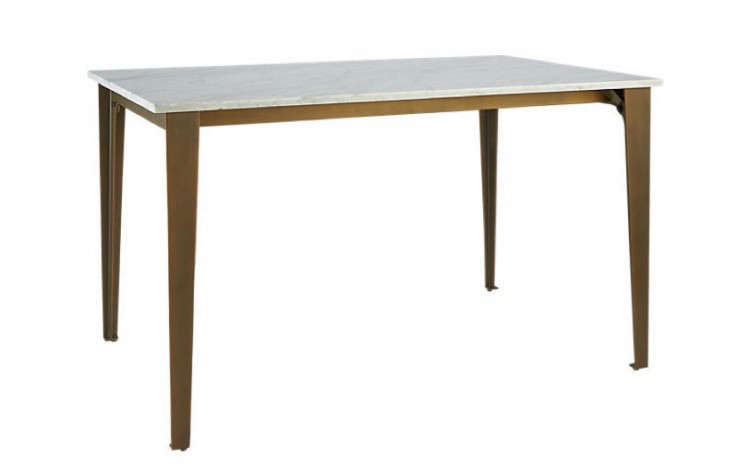
The best-known version is the CB2 Paradigm Dining Table, a marble-and-metal design that appeared in both 54-inch and 80-inch formats. Design archives describe it as a modern nod to French kitchen style, combining Carrara marble with an iron base finished in antiqued brass. Other Paradigm-style listings now use sintered stone tops, black powder-coated metal frames, and large rectangular proportions suitable for contemporary apartments, open kitchens, and polished dining rooms.
So this guide is not just a product description. It is a practical, stylish, slightly opinionated look at what makes the Paradigm Dining Table appealing, who it suits, how to style it, and what to know before inviting marble, brass, or sintered stone into your dining life.
What Is the Paradigm Dining Table?
The Paradigm Dining Table is best understood as a modern stone-top dining table with architectural character. The original CB2 version paired a white Carrara marble top with a contrasting iron base. The 54-inch model was designed for a party of six, while archived listings for the 80-inch version show a longer format with a 30.5-inch height, 80-inch width, and 35-inch depth. In other words, it was not trying to hide quietly in a corner. It wanted to host.
The design language is simple but memorable: pale stone, visible veining, a slim metal structure, and legs that angle with enough drama to suggest the table has weekend plans. A newer Paradigm-style dining table listing uses a glossy Pietra Green sintered stone top with a black powder-coated metal frame, measuring about 180 cm long, 90 cm wide, and 75 cm high. That puts it in the same practical category as many six-person rectangular dining tables.
Why the Paradigm Dining Table Still Feels Relevant
Some furniture ages like milk. Stone dining tables age more like a leather jacket: a little personality, a little patina, and a lot of “yes, I still look good.” The Paradigm Dining Table remains interesting because it sits at the intersection of three long-lasting design ideas: natural materials, slim industrial structure, and everyday functionality.
Stone Adds Instant Visual Weight
Whether the top is Carrara marble or sintered stone, the surface gives the table a grounded, premium feel. Carrara marble brings gray veining and natural variation, meaning no two tops look exactly alike. Sintered stone, on the other hand, is engineered from mineral materials under heat and pressure, giving it a sleek surface with strong resistance to stains, scratches, and heat in many modern furniture applications.
Metal Keeps the Look Modern
A stone top can feel traditional if paired with heavy carved wood. The Paradigm approach avoids that by using metal legs. Antiqued brass warms the marble, while black powder-coated metal creates a sharper, more urban profile. The effect is industrial without looking like a restaurant supply catalog had a glamorous cousin.
Rectangular Proportions Make It Practical
Rectangular dining tables remain popular because they work well in long rooms, open-plan layouts, and dining areas connected to kitchens. A table around 54 to 60 inches can often seat four to six people, while a longer table around 78 to 80 inches can feel more generous for gatherings, depending on chair width and room clearance.
Materials: Carrara Marble vs. Sintered Stone
The material choice is the heart of the Paradigm Dining Table story. Both marble and sintered stone deliver visual drama, but they behave differently in real life. And real life includes tomato sauce, coffee rings, kids with markers, and one guest who insists on putting a hot pan directly on the table because “it’ll be fine.” Famous last words.
Carrara Marble
Carrara marble is a natural stone known for its soft white background and gray veining. On a dining table, it looks elegant, classic, and a little cinematic. It works beautifully with brass, black metal, walnut chairs, cane seating, linen upholstery, and even colorful modern chairs if you want contrast.
The tradeoff is maintenance. Marble is porous and sensitive to acidic substances. Lemon juice, vinegar, wine, and certain cleaners can etch or dull the surface. A sealed marble top gives more protection, but it is not a magical force field. Owners should use placemats, coasters, soft cloths, and pH-neutral cleaners. Spills should be wiped quickly, especially if they are acidic or oily.
Sintered Stone
Sintered stone is a strong alternative for people who love the stone-table look but want easier daily maintenance. Many sintered stone dining tables are promoted as stain-resistant, scratch-resistant, heat-resistant, and easy to clean. That makes them attractive for busy households, small apartments, and anyone who wants a beautiful table without treating dinner like a museum event.
The look can vary widely. A glossy Pietra Green sintered stone top, for example, feels moody and luxurious, especially when paired with a black powder-coated metal frame. It is more contemporary than classic Carrara marble and pairs well with black chairs, cream boucle upholstery, smoked glass lighting, and warm wood floors.
Size and Seating: Will It Fit Your Dining Room?
A dining table can be beautiful and still be wrong for your room. The most common mistake is buying the biggest table possible and then discovering that every dinner guest has to enter their chair like they are docking a spaceship.
For comfortable dining, allow about 24 inches of width per seated person. A standard dining table height is usually about 28 to 30 inches, which pairs well with standard dining chairs. The Paradigm-style table heights around 30 inches or 75 cm fall comfortably within this familiar range.
Clearance matters just as much as tabletop size. Aim for roughly 36 inches of open space around the table so people can pull out chairs and walk behind seated guests. If the dining area is also a walkway, more space is better. In compact rooms, slim chairs, benches, or armless dining chairs can make the layout feel much easier.
Best Rooms for a Paradigm Dining Table
Open-Plan Apartments
The Paradigm Dining Table works especially well in open-plan apartments because its stone top visually anchors the dining zone. Add a low-profile rug, pendant light, and six coordinated chairs, and the dining area suddenly feels intentional instead of “the place between the sofa and the fridge.”
Modern Kitchens
In a kitchen-adjacent dining space, the stone surface makes sense visually. Marble or sintered stone can echo countertops, backsplashes, or island materials. The metal base adds contrast and prevents the room from becoming too matchy-matchy.
Formal Dining Rooms
If you have a dedicated dining room, the Paradigm table can become the star. Pair it with upholstered chairs, oversized art, and a chandelier placed at a comfortable height above the tabletop. Stone tables already have presence, so keep the surrounding decor balanced rather than chaotic.
How to Style the Paradigm Dining Table
The easiest way to style a Paradigm Dining Table is to let the material speak first. A marble or sintered stone top does not need twenty decorative objects shouting on top of it. One sculptural bowl, a low floral arrangement, or a pair of candlesticks can be enough.
Chair Pairings
For a classic look, choose black metal, walnut, or leather dining chairs. For softness, try cream upholstery, boucle, linen, or cane. If the table has brass legs, chairs with warm wood or tan leather can make the whole setup feel inviting. If the base is black metal, consider black chairs for a sleek look or pale oak chairs for contrast.
Lighting
A pendant or chandelier should feel proportional to the table. For most dining rooms, the bottom of the fixture should hang roughly 30 to 36 inches above the tabletop, depending on ceiling height and fixture shape. With a stone table, warm lighting is especially helpful because it softens the surface and makes the room feel less showroom-cold.
Rugs
A dining rug should be large enough that chairs remain on the rug when pulled out. Low-pile or flat-weave rugs are usually best because they are easier to vacuum and less likely to trap crumbs. Avoid thick shag unless your hobby is excavating rice grains from wool fibers.
Pros and Cons of the Paradigm Dining Table
Pros
The biggest advantage is visual impact. The Paradigm Dining Table looks expensive, architectural, and versatile. It can work with modern, industrial, transitional, Parisian-inspired, and contemporary interiors. Its rectangular format is practical for family meals, work-from-home sessions, holiday hosting, and casual weekend brunches.
The second advantage is material character. Natural marble has unique veining, while sintered stone offers a more durable surface for high-use homes. Metal bases also tend to create a lighter visual footprint than bulky wooden pedestals.
Cons
Marble requires more care than wood, laminate, or many engineered surfaces. It can etch, stain, or scratch if neglected. Stone tables can also be heavy, so delivery, assembly, and moving are not casual one-person jobs. Finally, the strong design personality may not suit every home. If your dining room is rustic farmhouse from ceiling to floor, a brass-and-marble Paradigm table may arrive looking like it took a wrong turn from a boutique hotel.
Buying Tips Before Choosing a Paradigm Dining Table
First, measure the room, not just the table. Use painter’s tape on the floor to mark the tabletop footprint, then pull chairs out to see how the space behaves. Second, confirm the exact material. Marble, marble veneer, marble over an aluminum honeycomb core, ceramic, porcelain, and sintered stone are not identical. Each has different weight, care, durability, and price implications.
Third, inspect the base finish. Antiqued brass adds warmth and glamour, while black powder coating feels crisp and modern. Fourth, ask about sealing, warranty, delivery, and return policy. This matters even more with display sets, resale purchases, or discontinued models.
Finally, think about your real lifestyle. A marble table can absolutely work in a busy home if you are willing to use coasters and clean spills quickly. A sintered stone table may be better if you want the stone look with less emotional drama every time someone opens a bottle of red wine.
Experience Section: Living With a Paradigm Dining Table
Living with a Paradigm Dining Table feels a bit like owning a very stylish friend who is mostly low-maintenance but occasionally reminds you that standards exist. The first thing you notice is how quickly it changes the room. Before the table arrives, a dining area may feel like a blank zone with chairs. Afterward, the space has a center of gravity. People naturally gather around it, even when there is no food. Someone places a laptop on it. Someone else drops keys near the edge. A guest runs a hand over the stone and says, “Wow, this is nice,” which is furniture language for applause.
The second experience is learning how light affects the surface. In morning light, a marble Paradigm table can look soft and almost cloudy. At night, under a warm pendant, the veining becomes more dramatic. A green sintered stone version feels moodier, especially with black legs and low lighting. It turns a basic dinner into something that feels designed, even if the menu is leftovers with heroic confidence.
Daily use teaches practical habits. You start keeping coasters nearby. You stop dragging ceramic bowls across the surface. You learn that placemats are not just decorative; they are tiny shields with manners. If the table is marble, you become suspicious of lemon wedges, vinegar dressing, and anyone holding a glass of red wine too casually. If the table is sintered stone, you relax more, but you still wipe spills because adults who own nice things eventually learn prevention.
The Paradigm Dining Table also changes how you host. Rectangular tables naturally create zones: appetizers at one end, drinks at the other, conversation in the middle. A 54-inch table feels intimate for four and nicely full for six. An 80-inch table gives more breathing room and lets serving dishes stay on the table without forcing plates into a crowded game of ceramic Tetris. The metal base helps visually lighten the stone, so even a substantial table does not feel like a boulder moved into the dining room.
The best part is versatility. On Monday, it is a breakfast table. On Tuesday, it becomes a desk. On Friday, it is the stage for takeout, candles, and friends. During holidays, it handles platters, flowers, folded napkins, and that one relative who tells a story with too many hand gestures. A good dining table should not only look beautiful in photos; it should collect real life. The Paradigm Dining Table does that well. It is polished enough for formal dinners and sturdy enough for everyday rituals, which is exactly why the design continues to attract attention.
Conclusion
The Paradigm Dining Table is more than a pretty slab on legs. It represents a broader shift in dining-room design toward sculptural stone surfaces, mixed materials, and furniture that works hard without looking tired. Whether you are drawn to the CB2 Carrara marble version or a newer sintered-stone interpretation, the appeal is clear: modern shape, strong material presence, and a dining experience that feels elevated without becoming stiff.
Choose marble if you love natural variation, classic beauty, and do not mind careful maintenance. Choose sintered stone if you want a bolder, easier-care option for a busy household. Either way, measure carefully, style simply, and let the table do what great dining tables do best: bring people together, hold the good plates, and quietly make the room look like you have your life more organized than you probably do.