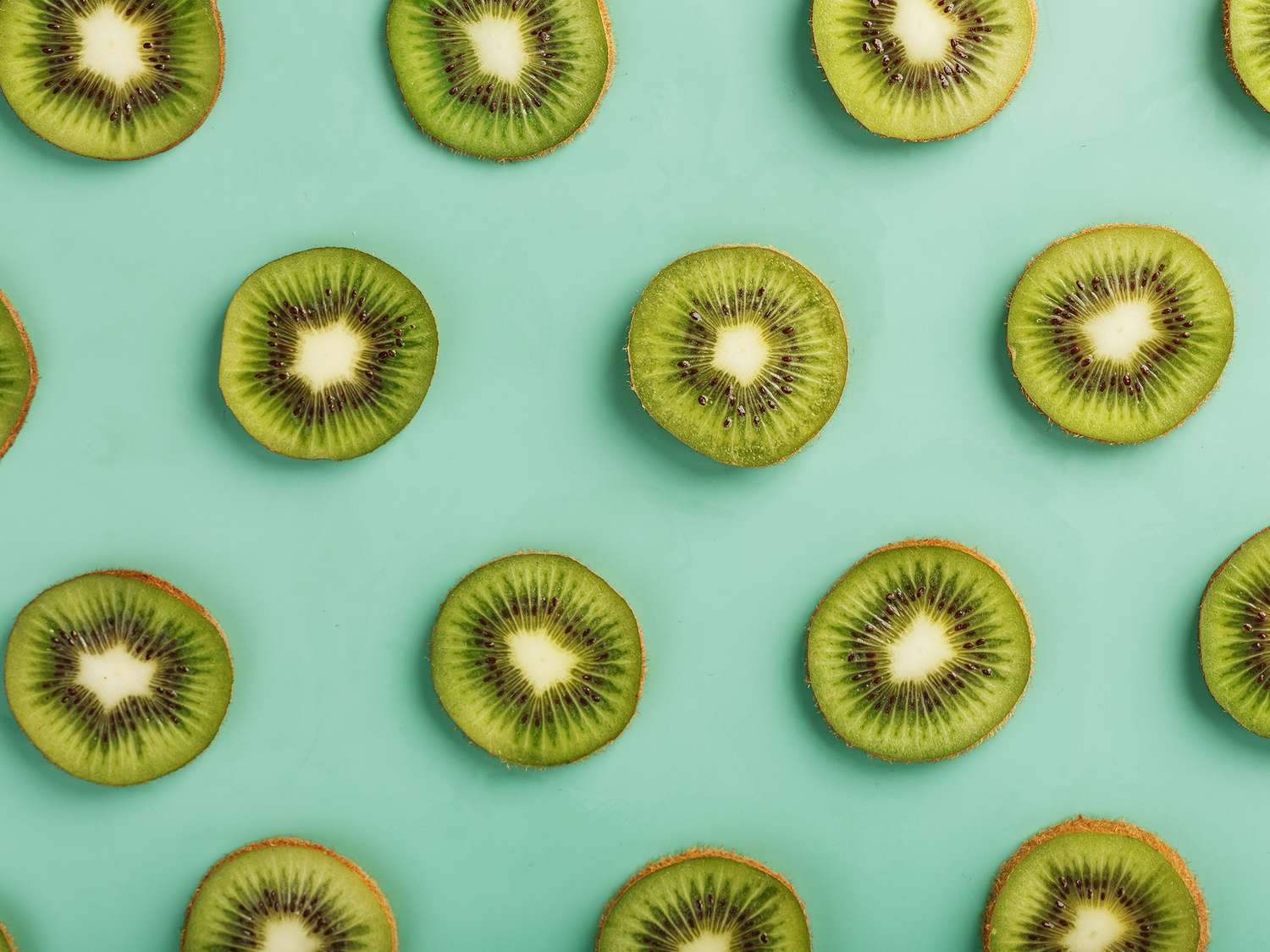

Kiwi is the tiny fruit that looks like it lost a fight with a brown sweater but somehow won the nutrition Olympics. Slice it open and you get a bright green center, tiny black seeds, a sweet-tart flavor, and a surprising amount of health-supporting nutrients packed into one very portable snack.
Often called kiwifruit, this small fruit is rich in vitamin C, fiber, potassium, vitamin K, vitamin E, folate, antioxidants, and natural plant compounds. It is low in calories, easy to add to meals, and refreshingly dramatic for something that fits in your palm. If fruit had a “small but mighty” department, kiwi would be running it with a clipboard.
So, should you eat kiwi every day? For many people, yes. One to two kiwis daily can be a smart way to support digestion, immune health, heart health, skin, hydration, and overall wellness. It will not magically turn you into a glowing superhero by Tuesday, but it can be a simple, delicious upgrade to your daily routine.
Why Kiwi Deserves the “Superfood” Nickname
The word “superfood” gets thrown around a lot. Sometimes it means “nutrient-dense.” Sometimes it means “expensive and photographed next to a yoga mat.” Kiwi actually earns the label because it delivers several important nutrients in a small serving without needing added sugar, powders, or complicated preparation.
A typical kiwi provides a generous amount of vitamin C, plus fiber and helpful minerals. It also contains antioxidants such as vitamin E and polyphenols, which help protect cells from oxidative stress. That matters because your body deals with stress from normal metabolism, pollution, intense exercise, poor sleep, and everyday lifealso known as “being a human with a calendar.”
Kiwi is also versatile. You can eat it alone, add it to yogurt, blend it into smoothies, slice it over oatmeal, toss it into salads, or pair it with grilled chicken or fish for a bright, fresh contrast. Even better, the skin is edible if washed well. Yes, the fuzzy jacket is optional, but it adds extra fiber for the brave.
7 Benefits of Kiwi You Should Know
1. Kiwi Supports a Strong Immune System
One of the biggest health benefits of kiwi is its high vitamin C content. Vitamin C plays a key role in immune function, helping the body maintain healthy defenses. It also supports antioxidant activity, which helps protect cells from damage caused by free radicals.
Many people reach for orange juice when they think about vitamin C, but kiwi deserves a seat at the same table. In fact, kiwi is one of the most vitamin C-rich fruits commonly found in grocery stores. Eating kiwi daily can help you meet your vitamin C needs through whole food rather than relying only on supplements.
This does not mean kiwi will prevent every cold, flu, or suspicious office sniffle. Nutrition is not a force field. But a diet rich in fruits and vegetables, including kiwi, supports the immune system over time. Think of kiwi as one helpful teammate, not the entire medical staff.
2. Kiwi Helps Keep Digestion Moving
If your digestive system sometimes behaves like it is waiting for written permission, kiwi may be worth adding to your routine. Kiwi contains both soluble and insoluble fiber. Soluble fiber helps support healthy gut bacteria and can slow digestion in a helpful way. Insoluble fiber adds bulk and helps food move through the digestive tract more efficiently.
Research has also explored kiwi’s role in supporting bowel regularity, especially in people dealing with constipation. Green kiwifruit contains an enzyme called actinidin, which helps break down proteins and may support digestive comfort. Combined with water and fiber, this makes kiwi especially friendly to the gut.
A practical example: eating two kiwis after dinner or with breakfast may help some people feel more regular without needing a complicated fiber strategy. Of course, if you have ongoing digestive symptoms, severe discomfort, or a diagnosed condition, it is best to talk with a healthcare professional.
3. Kiwi May Support Heart Health
Kiwi brings several heart-friendly nutrients to the table, including potassium, fiber, and antioxidants. Potassium helps support healthy blood pressure by balancing the effects of sodium. Fiber supports cholesterol management as part of an overall healthy eating pattern. Antioxidants help protect blood vessels from oxidative stress.
Heart health is built through patterns, not single bites. No fruit can cancel out a week of deep-fried chaos, but kiwi can absolutely fit into a heart-smart routine. Try pairing kiwi with oatmeal, Greek yogurt, chia seeds, or nuts for a breakfast that feels fresh and supports long-term wellness.
Kiwi is also naturally sweet without being heavy. That makes it a useful dessert swap when you want something bright and satisfying but do not want to turn every evening into a frosting-based event.
4. Kiwi Supports Healthy Skin and Collagen Production
Your skin needs nutrients to stay healthy, and vitamin C is one of the big ones. Vitamin C is required for collagen production, which helps maintain skin structure, elasticity, and wound healing. Collagen is not just a beauty buzzword; it is a major protein in connective tissue.
Because kiwi is rich in vitamin C, eating it regularly can support your body’s natural collagen-building process. It also contains vitamin E and antioxidants that help defend against oxidative stress, which is one factor involved in skin aging.
Will kiwi erase wrinkles overnight? No. If a fruit could do that, it would have its own security team. But kiwi can be part of a skin-supportive lifestyle that includes hydration, sleep, sunscreen, balanced meals, and not treating stress like a competitive sport.
5. Kiwi Helps With Hydration and Smart Snacking
Kiwi has a high water content, making it a refreshing snack that contributes to hydration. It is not a replacement for drinking water, but it can help, especially if you struggle to eat enough fruit during the day.
Because kiwi is juicy, flavorful, and naturally sweet-tart, it can satisfy cravings without feeling boring. This is important because healthy eating fails quickly when every snack tastes like cardboard wearing a motivational quote.
For a balanced snack, pair kiwi with protein or healthy fat. Try kiwi with cottage cheese, plain yogurt, almonds, peanut butter toast, or a boiled egg. The fruit brings freshness and fiber, while the protein or fat helps keep you full longer.
6. Kiwi May Support Better Sleep Quality
Some research has looked at kiwi and sleep, especially when eaten before bedtime. Kiwi contains antioxidants, folate, and small amounts of serotonin-related compounds that may play a role in sleep regulation. While more research is needed, some people find that eating kiwi in the evening feels light, satisfying, and easier on the stomach than heavier snacks.
If nighttime snacking is your weakness, kiwi can be a smart choice. It is sweet enough to feel like a treat but not so heavy that you go to bed feeling like you swallowed a sofa cushion. Try one or two kiwis about an hour before bed and see how your body responds.
Sleep quality still depends on the basics: a regular bedtime, less screen glare, caffeine limits, stress management, and a room that does not feel like a tropical greenhouse. Kiwi can help support the routine, but it cannot negotiate with your phone on your behalf.
7. Kiwi Delivers Big Nutrition for Few Calories
Kiwi is nutrient-dense, meaning it provides a lot of vitamins, minerals, and beneficial compounds for relatively few calories. This makes it useful for people who want to improve diet quality without making meals complicated.
It also contains natural sugars along with fiber, which slows digestion and helps make the fruit more satisfying. Compared with many processed snacks, kiwi offers sweetness plus nutrients your body can actually use.
For students, busy workers, parents, athletes, and anyone who eats lunch over a keyboard, kiwi is convenient. Cut it in half and scoop it with a spoon, or slice it into a container for later. It is basically nature’s snack cup, minus the plastic lid and mysterious syrup.
Green Kiwi vs. Golden Kiwi: Which Is Better?
Both green and golden kiwi are nutritious. Green kiwi has a tangy flavor and is often higher in fiber, especially if you eat the skin. Golden kiwi tends to taste sweeter and smoother, with a tropical flavor that reminds some people of mango and citrus. It is also known for being very high in vitamin C.
The best choice depends on your taste and goals. If you like tart fruit and want extra fiber, green kiwi is a great pick. If you want a sweeter option that still delivers strong nutrition, golden kiwi is excellent. The real winner is whichever one you will actually eat regularly instead of leaving it in the refrigerator until it becomes a science project.
How Many Kiwis Should You Eat Per Day?
For most healthy adults, one to two kiwis per day is a reasonable amount. That serving can help boost vitamin C and fiber intake without overwhelming your diet. If you are new to kiwi or fiber-rich foods, start with one kiwi and see how your digestion responds.
People with kiwi allergy should avoid it. Some people who are allergic to latex, avocado, banana, or certain pollens may also react to kiwi. If you have kidney disease, take potassium-restricted diets seriously and ask your healthcare provider before increasing high-potassium foods. If you take blood-thinning medication, keep vitamin K intake consistent and discuss diet changes with a clinician.
For everyone else, kiwi is an easy daily addition. Add it to breakfast, use it as an afternoon snack, or make it a light dessert after dinner.
Easy Ways to Eat Kiwi Daily
Add Kiwi to Breakfast
Slice kiwi over oatmeal, overnight oats, waffles, pancakes, or whole-grain toast with ricotta. It adds color, brightness, and a sweet-tart punch that wakes up simple meals.
Blend Kiwi Into Smoothies
Kiwi works well with banana, spinach, pineapple, mango, Greek yogurt, and coconut water. For a balanced smoothie, include protein such as yogurt, milk, protein powder, or silken tofu.
Use Kiwi in Salads
Kiwi pairs beautifully with spinach, arugula, cucumber, avocado, grilled chicken, shrimp, feta, and citrus vinaigrette. It gives salads a fresh flavor that makes lettuce feel less like homework.
Make Kiwi Dessert
Top sliced kiwi with dark chocolate shavings, honey, yogurt, or crushed pistachios. You can also freeze kiwi slices for a cold snack that tastes like a tiny tropical vacation.
500-Word Experience Section: What Eating Kiwi Daily Actually Feels Like
Adding kiwi to a daily routine sounds almost too simple to matter. No complicated meal plan, no blender that sounds like a lawn mower, no expensive wellness ritual involving a crystal bowl and a suspiciously confident influencer. Just kiwi. Small, green, fuzzy, and easy to underestimate.
The first thing many people notice is how convenient it is. A kiwi does not require cooking, seasoning, or emotional commitment. You can cut it in half and scoop it with a spoon in less than a minute. That makes it perfect for rushed mornings when breakfast is usually a negotiation between “I should eat something healthy” and “coffee counts as a personality.”
After a few days of eating kiwi regularly, digestion may feel more predictable for some people. This is not the kind of glamorous benefit that gets a magazine cover, but it matters. Feeling lighter, less bloated, and more regular can change the tone of the whole day. Kiwi’s fiber, water, and natural enzymes make it a gentle addition compared with some heavy fiber supplements that arrive in your stomach like construction equipment.
Kiwi also works well as a craving manager. Around mid-afternoon, when energy drops and the snack cabinet starts whispering dramatic things, kiwi gives you sweetness without making you feel sluggish. Pairing it with yogurt or nuts makes the snack more filling. The flavor is bright enough to feel exciting, which is important because nobody sticks with healthy eating if every snack tastes like punishment.
Another pleasant surprise is how well kiwi fits into normal meals. It is not one of those “healthy” foods that requires you to redesign your entire kitchen. Add it to cereal. Put it in a lunchbox. Slice it into a salad. Eat it after dinner when you want dessert but do not want to start a committed relationship with a pint of ice cream. Kiwi slides into the day quietly, like a helpful coworker who actually answers emails.
Some people enjoy kiwi at night because it feels light and refreshing. Compared with cookies, chips, or heavy leftovers, kiwi is less likely to leave you feeling overly full before bed. Whether or not it directly improves sleep for everyone, it can support a better evening routine simply by replacing snacks that are high in added sugar or grease.
The most realistic experience is this: eating kiwi daily will not transform your health overnight, but it can become one of those small habits that stacks up. Better snacks, more fruit, more fiber, more vitamin C, and fewer empty-calorie choices all add up over time. Kiwi is not magic. It is better than magic in one way: you can buy it at the grocery store, slice it in half, and eat it with a spoon.
Conclusion: Should You Eat Kiwi Every Day?
Kiwi is one of the easiest fruits to recommend because it is nutrient-dense, flavorful, portable, and surprisingly powerful for its size. The benefits of kiwi include immune support, better digestion, heart-friendly nutrients, skin support, hydration, possible sleep support, and strong nutrition for relatively few calories.
For most people, eating one to two kiwis daily is a simple way to improve diet quality without turning meals into a full-time project. Add kiwi to breakfast, snacks, smoothies, salads, or dessert. Wash it well, enjoy it with or without the skin, and let this tiny green superfood do what it does best: make healthy eating feel easy, bright, and just a little more fun.