#983 That Pile of Assorted Beers Left in Your Fridge After a Party – 1000 Awesome Things

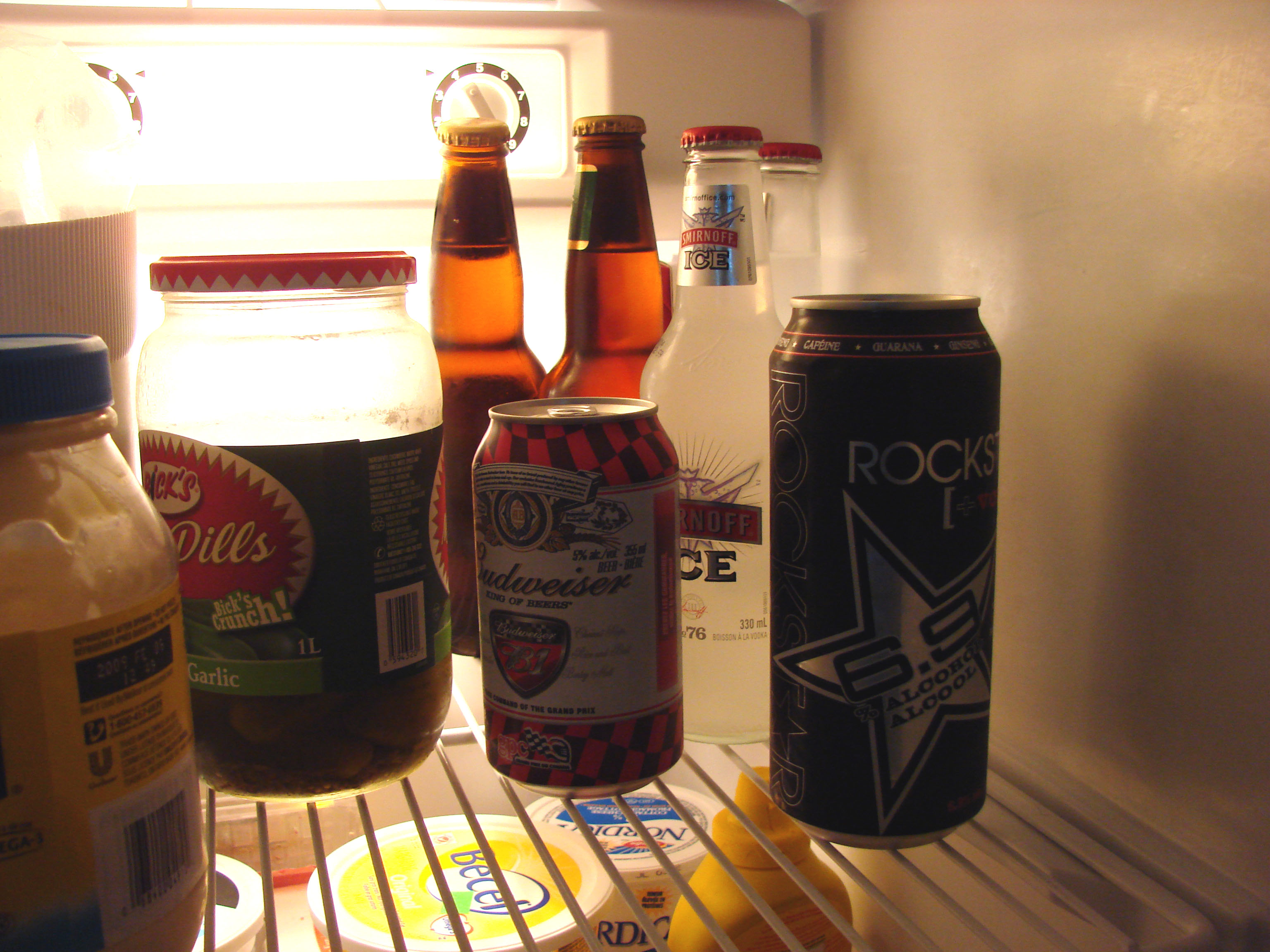
There are many signs that a party went well. The trash bag is heavy enough to qualify for gym equipment. Someone left a hoodie on the couch. The dip bowl looks like it fought a raccoon and lost. And then, glowing under the refrigerator light like a tiny, chilled treasure chest, there it is: that pile of assorted beers left in your fridge after a party.
Not a neat six-pack. Not a carefully curated tasting flight. A pile. A beautiful, confusing, slightly sticky pile. One pale ale. Two light lagers. A craft IPA with a label designed by someone who owns at least three flannel shirts. A hard-to-pronounce import. A lonely non-alcoholic beer. Maybe a cider that wandered into the wrong neighborhood. Together, they form one of the most underrated party leftovers in modern domestic life.
This is the magic celebrated by 1000 Awesome Things: the tiny everyday joys that somehow make adulthood feel less like a spreadsheet and more like a surprise party hosted by your refrigerator. Leftover party beers are not just drinks. They are evidence. They say, “People came here. They laughed here. They trusted your fridge.” That is a powerful emotional arc for something sitting next to half an onion.
Why Leftover Party Beer Feels So Weirdly Awesome
Most leftovers require a plan. Pizza needs reheating. Salad needs rescuing before it becomes swamp confetti. Cake demands an ethical debate about breakfast. But leftover beer? It simply waits. Quietly. Patiently. It becomes a bonus round.
The beauty of assorted beers left in your fridge after a party is randomness. You didn’t buy all of them. You may not even recognize some of them. They arrived in the hands of guests who said, “I brought drinks,” then left without taking inventory like a responsible beverage accountant.
That randomness turns your fridge into a mystery box. You open the door on Tuesday night and suddenly have options. Not fancy options, necessarily. But options. And options make life feel generous.
It Makes You Feel Like a Better Host
Nothing says “successful host” like excess. Not wasteful excess, of course, but abundance. A fridge with one sad bottle of mustard says, “This household is surviving.” A fridge with twelve mismatched beers says, “This household recently had a social event and somehow nobody cried in the bathroom.”
Leftover beer becomes proof that you provided enough. Nobody had to drink warm tap water out of a measuring cup. Nobody had to politely ask, “Is there anything else?” Your fridge is now wearing a tiny medal for hospitality.
It Feels Free, Even Though Someone Paid for It
Leftover party beer occupies a special psychological category: technically not free, but emotionally free. You did not swipe your card for that one amber lager with the mountain on the label. You did not choose the hazy IPA called something like “Cosmic Lawnmower.” It simply appeared. That makes it feel like a gift from the social universe.
It is the beverage version of finding a forgotten $20 bill in a winter coat. Except colder. And usually more carbonated.
The Fridge: Where Party Chaos Becomes Organized Joy
A refrigerator after a party is a museum of human behavior. The top shelf has the “I brought this because it was on sale” beers. The door has the “I only drink this brand” beers. The vegetable drawer has at least one can that should not be there but is definitely there because someone panicked while helping clean up.
Beer generally benefits from cool, consistent storage. Heat and light can speed up staling, flatten flavors, and make beer taste tired before its time. So while the pile may look chaotic, the fridge is actually doing something useful. It is protecting your accidental collection until you decide what to do with it.
That does not mean every beer should be served at the exact same icy temperature. Lighter lagers are often refreshing when very cold, while richer ales, porters, and stouts can reveal more aroma and flavor when they warm slightly. But after a party, nobody is asking you to run a professional tasting room. The main rule is simple: keep beer cold, keep it sealed, and do not let it become an archaeological project.
A Field Guide to the Beers Guests Leave Behind
Every post-party beer pile has a personality. In fact, you can learn a lot about your friends by what they bring and what they abandon.
The Reliable Light Lager
This is the golden retriever of party beers. Friendly, simple, never trying to explain its hop profile. It is perfect for hot afternoons, backyard grilling, and moments when you want refreshment without reading a paragraph on the can.
The Craft IPA With a Dramatic Name
This beer has a label that looks like a skateboard collided with a space telescope. It may taste like citrus, pine, tropical fruit, or a very confident garden. The person who brought it probably said, “You have to try this,” then forgot it existed after discovering the chips.
The Imported Beer That Looks Important
Maybe it has a crest. Maybe the bottle is green. Maybe the name includes more consonants than your Wi-Fi password. This beer gives your fridge instant international flair, like your leftovers got a passport.
The Dark Beer Nobody Opened
There is often one stout or porter sitting in the back like a wise old wizard. It was not the star of the party because the party involved loud music, salsa, and people saying “just one more” at 11:48 p.m. But later, on a quiet evening, that dark beer might be exactly right.
The Non-Alcoholic Beer That Saves the Day
Modern party fridges often include non-alcoholic beer, and that is a good thing. It gives guests more choices and makes hosting feel more inclusive. It is also handy after the party when you want the ritual of cracking open a cold one without alcohol.
Responsible Enjoyment: The Unfun Rule That Actually Keeps Fun Alive
The best leftover beer is enjoyed responsibly. A standard drink in the United States is commonly defined as 12 ounces of regular beer at about 5% alcohol by volume. But not every beer in your fridge fits that neat little box. Some craft beers are stronger. Some cans are larger. Some labels require squinting.
That matters because assorted beer piles can trick you. A light lager and a double IPA are not the same experience just because they both wear aluminum. If you are sampling leftovers, check the alcohol content, pace yourself, drink water, and do not turn “fridge treasure hunt” into “Wednesday regret festival.”
Also, if friends are coming over to help finish the pile, make sure everyone has a safe way home. The truly awesome thing is not just having beer in the fridge. It is having a good time without giving future-you a problem to solve.
What to Do With Assorted Leftover Beers
You do not have to drink every leftover beer as-is. In fact, the mixed nature of the pile gives you several creative options.
Host a Tiny Tasting Night
Invite two or three friends over, set out small glasses, and split the mystery beers. Keep it casual. Rate each one with deeply scientific categories like “most likely to be ordered by a guy named Brad,” “best label,” and “tastes like camping, but in a good way.”
This turns random leftovers into entertainment. It also prevents one person from feeling obligated to drink an entire beer they do not love. A tasting night is the elegant solution to a chaotic fridge.
Pair Them With Easy Food
Beer and food pairing does not need to be complicated. Crisp lagers work well with salty snacks, tacos, burgers, and fried foods. Hoppy IPAs can stand up to spicy dishes. Wheat beers are friendly with salads, seafood, and brunch foods. Dark beers can be fun with barbecue, chili, chocolate desserts, or roasted flavors.
Will every pairing be perfect? Absolutely not. But that is part of the fun. Sometimes a random beer and a leftover slice of pizza create a moment so satisfying it deserves its own national holiday.
Cook With Beer
Beer can add depth to chili, stews, braises, batters, and marinades. A lager can lighten up beer-battered fish. A stout can bring roasted richness to beef stew. A wheat beer can add brightness to a pan sauce. The goal is not to make dinner taste like a college basement. The goal is to use malt, bitterness, carbonation, and aroma as cooking tools.
One caution: cooking does not instantly remove all alcohol. The amount left depends on time, heat, surface area, and the recipe. If you are cooking for children, pregnant guests, people avoiding alcohol, or anyone with alcohol restrictions, choose a non-alcoholic substitute or be transparent about what is in the dish.
Build a “Guest Shelf”
Some people have a guest towel. Some have a guest room. You can have a guest beer shelf. Keep the leftover assortment in one section of the fridge and offer it the next time someone visits. This makes you look prepared, generous, and mildly mysterious.
“What do you have?” they ask.
“Let’s see,” you say, opening the fridge like a magician revealing a dove. “We have a lager, two IPAs, something German-looking, and whatever this is.”
That is hosting.
The Hidden Psychology of the Post-Party Beer Pile
The reason this tiny moment feels so good is bigger than beer. It is about abundance, memory, and surprise.
Adult life is full of planned consumption. Groceries. Bills. Errands. Meal prep containers lined up like responsible little soldiers. Then one day, you open the fridge and find a colorful, unplanned reminder that life recently broke routine. People came over. Music played. Someone told a story too loudly. Someone complimented the dip. Someone left behind a drink and, accidentally, a future moment of joy.
That pile is a souvenir. Not the kind you buy in an airport. The kind that appears after connection. It is proof that your home was used for something more than charging devices and folding laundry.
And because beer cans and bottles have labels, the pile is visual. It looks like variety. It looks like possibility. It says, “Tonight could be simple, but not boring.”
How to Store the Leftover Beer Pile Without Becoming a Beverage Hoarder
There is a fine line between “fun assorted beer stash” and “why is there a dusty pumpkin ale from three years ago behind the pickles?” Cross that line and the awesome thing becomes a mild household concern.
Keep It Cold and Away From Light
Beer is happiest when stored cold and protected from sunlight. Clear and green bottles are especially vulnerable to light exposure, which can create unpleasant flavors. Cans are better at blocking light, but they still prefer stable temperatures. Your fridge is the right place for short-term storage.
Check Dates When Available
Many beers are best enjoyed fresh, especially hop-forward styles like IPAs. If there is a packaged-on date, use it as a clue. A beer may not become dangerous simply because it is older, but flavor can fade. The bright hop character that once shouted “grapefruit!” may eventually whisper “cardboard.”
Sort the Shelf
Give the pile a tiny system. Put lighter beers together, stronger beers together, and non-alcoholic options where guests can easily see them. This prevents the classic fridge avalanche, where one can rolls out, hits your toe, and makes you question every decision that led to this moment.
Party Food Safety: Because the Beer Is Fine, But That Dip Has Questions
While sealed beer can hang out in the refrigerator, party food requires stricter judgment. Perishable foods should not sit at room temperature for too long. The common food safety rule is to refrigerate perishable items within two hours, or within one hour if the temperature is very hot. Cold foods should stay cold, hot foods should stay hot, and anything that spent the night on the counter should not be trusted just because it smells “mostly okay.”
This matters because the beer pile often shares fridge space with party leftovers. Label containers, use shallow storage for faster chilling, and do not let mystery dips linger. The beer can stay; the questionable cheese ball may need to leave the island.
Why This Is a Perfect “1000 Awesome Things” Moment
The best awesome things are not grand. They are specific. They are the little emotional sparks hiding inside ordinary days. That pile of assorted beers left in your fridge after a party fits perfectly because it transforms cleanup into reward.
After the guests leave, hosting can feel like a crime scene investigation. There are cups in places cups should not be. The recycling bin is performing at capacity. The floor has crumbs from snacks you did not serve. But then the fridge opens, and suddenly the universe gives you a wink.
There it is: a colorful pile of leftover possibility.
It is not just beer. It is the afterglow of community. It is a tiny inventory of friendship. It is the reason you forgive someone for leaving a bottle cap in your plant.
of Real-Life Experience: Living With the Party Beer Museum
The best part of the post-party beer pile is how it quietly improves the week after the party. The actual party may have been loud and chaotic, but the leftovers are calm. They do not demand music. They do not ask where the bathroom is. They simply sit in the fridge, ready to turn an ordinary evening into a small event.
Picture this: it is Thursday. Work has been weird. Dinner is not a recipe so much as a negotiation between leftovers. You open the fridge expecting nothing but practical ingredients and emotional disappointment. Then you see it: the party pile. Suddenly, dinner has a beverage program. You grab the random pilsner because it looks harmless, and somehow your reheated tacos feel intentional.
Another night, a friend stops by unexpectedly. You do not have a plan. You do not have a cheese board. You may not even have clean matching glasses. But you do have options. You open the fridge and present the assortment like a sommelier with low standards and high enthusiasm. “We have this local IPA, this light beer, this mysterious import, and something with a cartoon wolf on it.” Your friend chooses the wolf beer. Conversation begins. Hospitality has happened.
There is also a strange joy in discovering what people brought. The beers become personality clues. Your practical friend brought the twelve-pack of light lager. Your adventurous friend brought the sour ale that tastes like someone carbonated a fruit stand. Your friend who recently got into home improvement brought a beer with a label featuring an axe, a mountain, and a font that looks expensive. Each bottle or can becomes a tiny character study.
Sometimes the pile creates comedy. You may find one beer hidden behind the orange juice three weeks later and greet it like an old roommate. You may wonder why there are three identical cans but no memory of anyone drinking the fourth. You may discover a non-alcoholic beer at the exact moment you want something cold and refreshing without committing to alcohol. That is not just convenience. That is fridge poetry.
The assorted beer pile also teaches a quiet hosting lesson: people like having choices, but they do not need perfection. A great gathering does not require matching glassware, a signature cocktail, or a refrigerator organized by beverage taxonomy. It needs warmth, enough snacks, safe options, and a little room for chaos. The leftover beers are proof that the night had movement. People arrived with something to share. They relaxed enough to forget what they brought. They left behind a small, useful trace of joy.
Eventually, the pile disappears. One beer goes into chili. One gets split during a movie. One is offered to a neighbor who came over to borrow a tool. One remains for a suspiciously long time because nobody is brave enough to open it. And when the last can finally leaves the fridge, the shelf looks a little empty. Not sad, exactly. Just ready. Ready for the next party, the next pile, and the next small awesome thing.
Conclusion: A Cold Little Reminder That Life Is Generous
That pile of assorted beers left in your fridge after a party is one of those ordinary miracles that does not announce itself. It waits behind the ketchup. It glows under the fridge light. It turns cleanup into a reward and Tuesday dinner into something with a tiny soundtrack.
It is awesome because it is random, useful, funny, social, and strangely comforting. It reminds you that your home had people in it. It reminds you that generosity sometimes comes in mismatched cans. It reminds you that the best leftovers are not always food; sometimes they are options.
So the next time you wake up after hosting and find a pile of assorted beers in the fridge, do not sigh at the clutter. Smile at the abundance. Sort it, chill it, share it, cook with it, enjoy it responsibly, and appreciate the small domestic victory.
Because in a world full of bills, deadlines, and mysterious crumbs, opening the fridge to find bonus beer is still, unquestionably, awesome.
Note: This article is original, rewritten in a fresh editorial style, and based on real-world information about beer storage, party hosting, food safety, responsible alcohol consumption, and everyday lifestyle experiences.