
You have dimmed the lights, silenced your phone, fluffed the pillow, and politely asked your brain to stop replaying an awkward conversation from 2017. Yet sleep still refuses to clock in. Before blaming the mattress, consider what isor is noton your evening plate.
Certain foods contain nutrients involved in the body’s sleep-wake system, including tryptophan, melatonin, magnesium, vitamin B6, complex carbohydrates, and omega-3 fatty acids. These nutrients may support the production or function of serotonin and melatonin, two important chemical messengers associated with relaxation and sleep timing. However, no snack works like an instant off switch, and research on individual “sleep foods” remains limited. Your overall diet, meal timing, bedroom environment, stress level, and sleep schedule matter more than any single ingredient.
The most useful approach is to choose a modest portion, avoid going to bed uncomfortably full, and treat food as one supporting member of the sleep teamnot the entire coaching staff.
How Can Food Help You Sleep?
Sleep-promoting foods generally work indirectly. Tryptophan is an amino acid the body uses to make serotonin and melatonin. Magnesium participates in hundreds of biological processes and may help support normal muscle and nervous-system function. Vitamin B6 helps with neurotransmitter production, while carbohydrates may make it easier for tryptophan to reach the brain when eaten in a balanced meal or snack.
Timing also matters. A heavy dinner immediately before lying down can cause fullness, reflux, or indigestion. Most people do better finishing a substantial meal two to three hours before bed. If genuine hunger appears later, a small snack about 45 to 60 minutes before bedtime may be more comfortable. The CDC, Mayo Clinic, Harvard sleep specialists, and other medical organizations consistently advise limiting large meals, caffeine, alcohol, and foods that trigger digestive symptoms near bedtime.
13 Best Foods That Help You Sleep
1. Kiwifruit
Kiwifruit has earned a place on many lists of sleep-inducing foods because it provides fiber, antioxidants, folate, and naturally occurring serotonin. A small human study found improvements in several self-reported sleep measures when participants ate two kiwifruits before bed, although larger and more rigorous trials are still needed.
Try one or two kiwifruits approximately an hour before bedtime. Slice them over plain yogurt or simply cut one in half and eat it with a spoon. That approach also saves you from peeling the fruit and accidentally launching it across the kitchen. People with kiwi allergies should, naturally, choose another option.
2. Tart Cherries
Tart cherries, particularly Montmorency cherries, contain melatonin and tryptophan-related compounds. Several small studies suggest that tart cherry juice may modestly support sleep duration or quality, including among some adults with insomnia. The evidence is promising rather than conclusive, so think of tart cherry juice as a reasonable experimentnot a fruity prescription.
Start with about four ounces of unsweetened tart cherry juice or one-half cup of tart cherries roughly an hour before bed. Juice contains concentrated natural sugar, and its sorbitol may upset sensitive stomachs. Anyone managing diabetes, digestive problems, or medication interactions should discuss regular use with a qualified healthcare professional.
3. Warm Milk
A mug of warm milk is not merely something invented by grandmothers and old cartoons. Milk supplies protein, tryptophan, calcium, and small amounts of melatonin. Its greatest advantage may be psychological: a familiar warm drink can become a calming signal that the day is ending.
Choose a small serving rather than a giant mug that guarantees a 3 a.m. bathroom expedition. Unsweetened lactose-free milk is suitable for many people with lactose intolerance. Avoid loading the drink with sugar, chocolate syrup, or espresso unless your bedtime goal is to reorganize the garage at midnight. Evidence for milk as a direct insomnia treatment is limited, but it can fit comfortably into a consistent wind-down routine.
4. Plain Greek Yogurt
Plain Greek yogurt provides tryptophan-containing protein and calcium without requiring much preparation. Its combination of protein and carbohydrate can also settle moderate hunger, which is useful when an empty stomach is keeping you alert.
A sensible bedtime portion is one-half to three-quarters of a cup. Add kiwi, tart cherries, or a light sprinkle of oats rather than turning the bowl into a dessert buffet. Select an unsweetened variety to limit added sugar. Yogurt may not be comfortable for people with lactose intolerance, milk allergy, or reflux, especially when eaten immediately before lying down.
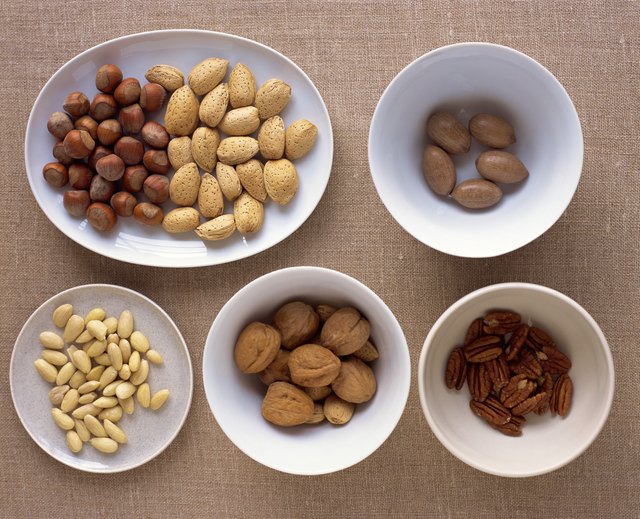
5. Almonds
Almonds supply magnesium, healthy unsaturated fat, fiber, and plant protein. Magnesium supports normal nerve and muscle function, although taking in extra magnesium does not automatically produce deeper sleep unless low intake or deficiency is part of the problem.
Keep the serving near one ounce, or roughly a small handful. Almond butter spread thinly over whole-grain toast is another practical choice. Large portions of nuts can feel heavy because they are energy-dense and relatively high in fat. In other words, a handful may be relaxing; eating directly from the family-size bag while watching television can become an accidental second dinner.
6. Walnuts
Walnuts provide magnesium, plant-based omega-3 fat, protein, and naturally occurring melatonin. Researchers have identified useful sleep-related compounds in walnuts, but direct evidence that an evening serving reliably improves human sleep is still modest.
Pair a small handful with a piece of fruit or mix chopped walnuts into oatmeal. Choose unsalted nuts when possible, since salty snacks may make you thirsty and encourage extra drinking close to bedtime. Walnuts are best viewed as a nutrient-dense component of a sleep-friendly diet rather than a crunchy sedative.
7. Pistachios
Pistachios contain protein, magnesium, vitamin B6, and measurable amounts of melatonin. The exact melatonin content can vary with the variety, growing conditions, storage, and testing method, so dramatic internet claims about pistachios being “better than melatonin supplements” deserve a raised eyebrow.
Enjoy approximately one ounce of unsalted pistachios in the evening. Buying them in the shell naturally slows down eating and gives your hands something to do besides opening another social media app. They are nutritious, but they remain calorie-dense, so more is not necessarily sleepier.
8. Bananas
Bananas contribute vitamin B6, potassium, magnesium, and carbohydrates. Vitamin B6 is involved in neurotransmitter metabolism, while magnesium and potassium support normal muscle and nerve function. Direct clinical evidence that bananas improve insomnia is weak, but they are convenient, gentle on many stomachs, and easy to combine with protein or healthy fat.
Try half a banana with a teaspoon of almond butter, or add sliced banana to a small bowl of oatmeal. Avoid assuming that banana tea or boiled banana peels have proven sleep-inducing powers; research on those trends is extremely limited. The ordinary fruit is simpler, safer, and considerably less likely to make your kitchen smell like experimental soup.
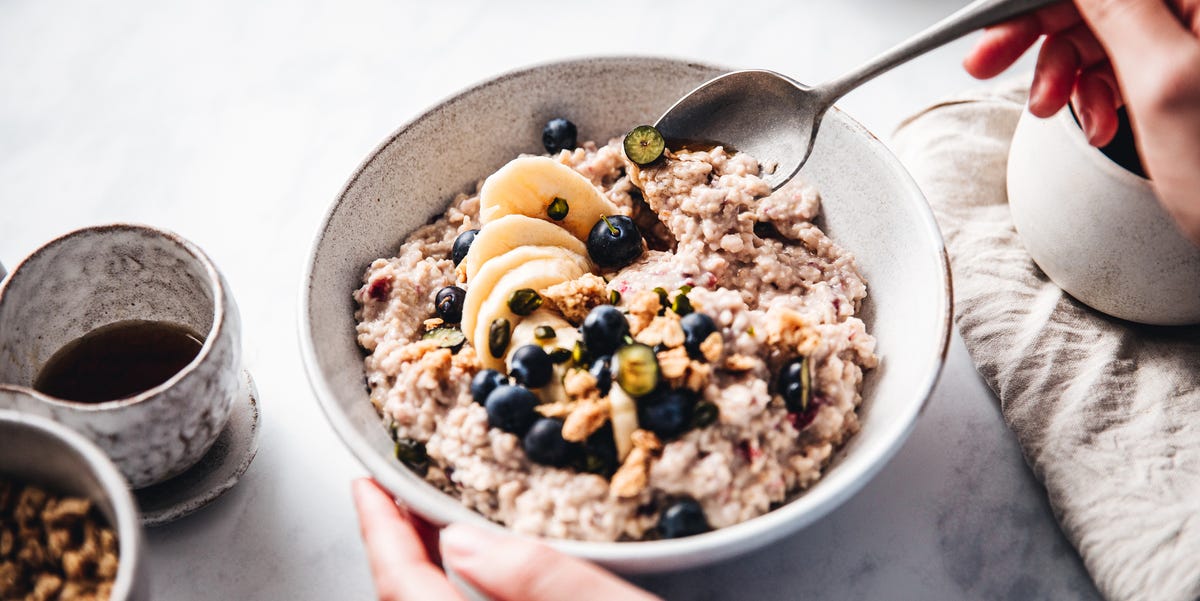
9. Oatmeal
Oats provide complex carbohydrates, fiber, magnesium, and several micronutrients that fit well into a balanced evening snack. Carbohydrates may support the availability of tryptophan in the brain when paired with a modest source of protein.
Prepare a small bowl using milk or an unsweetened alternative, then add cinnamon, kiwi, banana, or a few walnuts. Skip oversized portions and heavily sweetened instant packets. A mountain of brown sugar, candy pieces, and whipped cream may technically sit on oatmeal, but it has wandered pretty far from the original assignment.
10. Rice
A small clinical study found that a high-glycemic-index rice-based meal eaten about four hours before bedtime shortened the time it took healthy sleepers to fall asleep compared with a lower-glycemic meal. This does not mean everyone should eat a bowl of white rice at midnight. The study was small, and high-glycemic foods are not suitable as a sleep strategy for every person.
Rice works best as part of an evening meal containing vegetables and a moderate serving of protein. People with diabetes, insulin resistance, or individualized carbohydrate targets should follow guidance from their healthcare team. Brown rice offers more fiber, although the specific sleep-onset study examined a higher-glycemic meal.
11. Turkey or Chicken
Turkey’s sleepy reputation comes from its tryptophan content, but turkey is not unusually powerful compared with many other protein foods. The famous post-holiday-dinner drowsiness is also influenced by a large meal, carbohydrates, alcohol, social exhaustion, and the emotional consequences of debating relatives.
If you are hungry at night, a few slices of roasted turkey or chicken with whole-grain crackers can provide a balanced combination of protein and carbohydrate. Avoid large sandwiches, spicy sauces, and greasy fried chicken shortly before lying down. Portion size matters more than the bird’s public relations campaign.
12. Eggs
Eggs contain high-quality protein and tryptophan, along with vitamin D and several B vitamins. A hard-boiled egg can be a useful evening snack when hunger is substantial enough that fruit alone will not do the job.
Keep preparation simple. A boiled, poached, or lightly scrambled egg is less likely to cause digestive discomfort than a plate of fried eggs accompanied by bacon, hot sauce, and hash browns. Pairing an egg with a small piece of whole-grain toast can provide both protein and carbohydrate without turning bedtime into brunch.
13. Fatty Fish
Salmon, trout, sardines, and other fatty fish provide omega-3 fatty acids, protein, vitamin D, and tryptophan. Reviews of nutrition and sleep research suggest that omega-3 fats and healthy dietary patterns may support sleep regulation, although fatty fish should be considered a dinner food rather than a last-minute bedtime snack.
Serve a three- to four-ounce portion of baked or grilled fish with vegetables and a moderate portion of rice or another whole grain. Finish the meal several hours before bed so digestion has time to settle. Deep-frying the fish or covering it in a heavy cream sauce may cancel the comfort advantage for anyone prone to reflux.
How to Build a Better Bedtime Snack
The ideal bedtime snack is small, familiar, and easy to digest. Combining a modest carbohydrate source with some protein or healthy fat can control hunger without creating the discomfort of a full meal.
Simple Sleep-Friendly Combinations
- One kiwifruit with a small serving of plain Greek yogurt
- Half a banana with one teaspoon of almond butter
- A small bowl of oatmeal with milk and chopped walnuts
- A hard-boiled egg with one slice of whole-grain toast
- A few slices of turkey with two or three whole-grain crackers
- Four ounces of unsweetened tart cherry juice
If you are not physically hungry, you do not need to manufacture a snack simply because a list on the internet said almonds are relaxing. A regular bedtime routine, consistent sleep schedule, dark room, comfortable temperature, and reduced evening screen use usually provide a stronger foundation.
Foods and Drinks That May Disrupt Sleep
Knowing what to limit can be just as valuable as choosing sleep-inducing foods. Caffeine blocks the action of adenosine, a chemical involved in sleep pressure, and its effects can last for many hours. One study discussed by Johns Hopkins found that a substantial caffeine dose even six hours before bed reduced total sleep time. Sensitive sleepers may need to stop consuming coffee, energy drinks, caffeinated tea, cola, and significant amounts of chocolate shortly after lunch.
Alcohol may make you feel drowsy initially, but it can fragment sleep later in the night and reduce restorative sleep quality. Large meals, fried foods, spicy dishes, acidic foods, and excessive fluids may also cause reflux, discomfort, or repeated bathroom trips. Your personal triggers matter, so keeping a simple food-and-sleep diary can reveal more than following a generic “perfect” menu.
Conclusion
The best foods that help you sleep are not exotic powders or miracle gummies. They are ordinary foods that provide useful nutrients, satisfy hunger gently, and fit into a predictable evening routine. Kiwifruit, tart cherries, milk, yogurt, nuts, bananas, oatmeal, rice, lean poultry, eggs, and fatty fish can all play a role, but portions and timing determine whether they feel comforting or burdensome.
Start with one small change instead of constructing a 13-course bedtime tasting menu. Choose a simple snack, eat it consistently for several nights, and pay attention to how quickly you fall asleep, how often you wake up, and how refreshed you feel in the morning. Better sleep is usually built through repeatable habits rather than discovered at the bottom of a cereal bowl.
A Practical 14-Night Experience With Sleep-Inducing Foods
Reading about foods that may promote sleep is easy. Learning which ones actually fit your digestion, schedule, and preferences requires a little real-life testing. A useful approach is a 14-night experiment that changes only one or two variables at a time. Otherwise, you may drink tart cherry juice, eat three kiwis, buy blackout curtains, begin evening yoga, and ban your phone on the same nightthen have no idea which change helped.
During the first three nights, keep your normal eating routine and record a baseline. Write down when you finished dinner, whether you had caffeine or alcohol, when you went to bed, how long falling asleep seemed to take, and how rested you felt the next morning. A consumer sleep tracker can provide interesting estimates, but your own experience matters more than obsessing over every digital sleep score.
For nights four through six, try a small serving of kiwi or tart cherries about an hour before bed. The first noticeable benefit may not be dramatic sleepiness. Instead, the snack can become a signal that work, chores, and scrolling are ending. That ritual effect is valuable. The brain likes predictable sequences, and repeating the same calm steps each evening can make the transition to sleep feel less abrupt.
On nights seven through nine, test a more filling option, such as plain yogurt with oats or half a banana with almond butter. This phase is especially revealing for people who regularly wake because they ate an early dinner or skipped part of it. A small balanced snack may prevent hunger, but an oversized bowl can produce the opposite result: fullness, warmth, and the unmistakable sensation that your digestive system has started a night shift.
Use nights ten through twelve to improve dinner timing. Eat salmon, eggs, turkey, or another protein with vegetables and a moderate serving of rice or whole grains, finishing the meal at least two to three hours before bed. Many people discover that moving dinner earlier helps more than adding a special snack. Lying down after a heavy meal can invite reflux, bloating, and a lengthy internal debate about whether sitting upright on the couch technically counts as sleeping.
For the final two nights, repeat the food and timing combination that felt best. Keep the bedroom cool and dark, reduce bright screens, and maintain the same wake-up time. Then review the full experiment. Look for patterns rather than expecting perfection. Did you fall asleep more comfortably? Did bathroom trips increase after drinking juice or milk? Did nuts feel satisfying or too heavy? Did an earlier dinner reduce nighttime discomfort?
The most successful experience is usually surprisingly simple. You may learn that one kiwi works better than two, yogurt is comfortable but milk is not, or no snack is necessary when dinner is well timed. That personal knowledge is more useful than forcing yourself to eat a fashionable “sleep food” that you dislike. The goal is not to become dependent on a specific snack. It is to create a calm, repeatable routine that supports your natural sleep process.
SEO Information