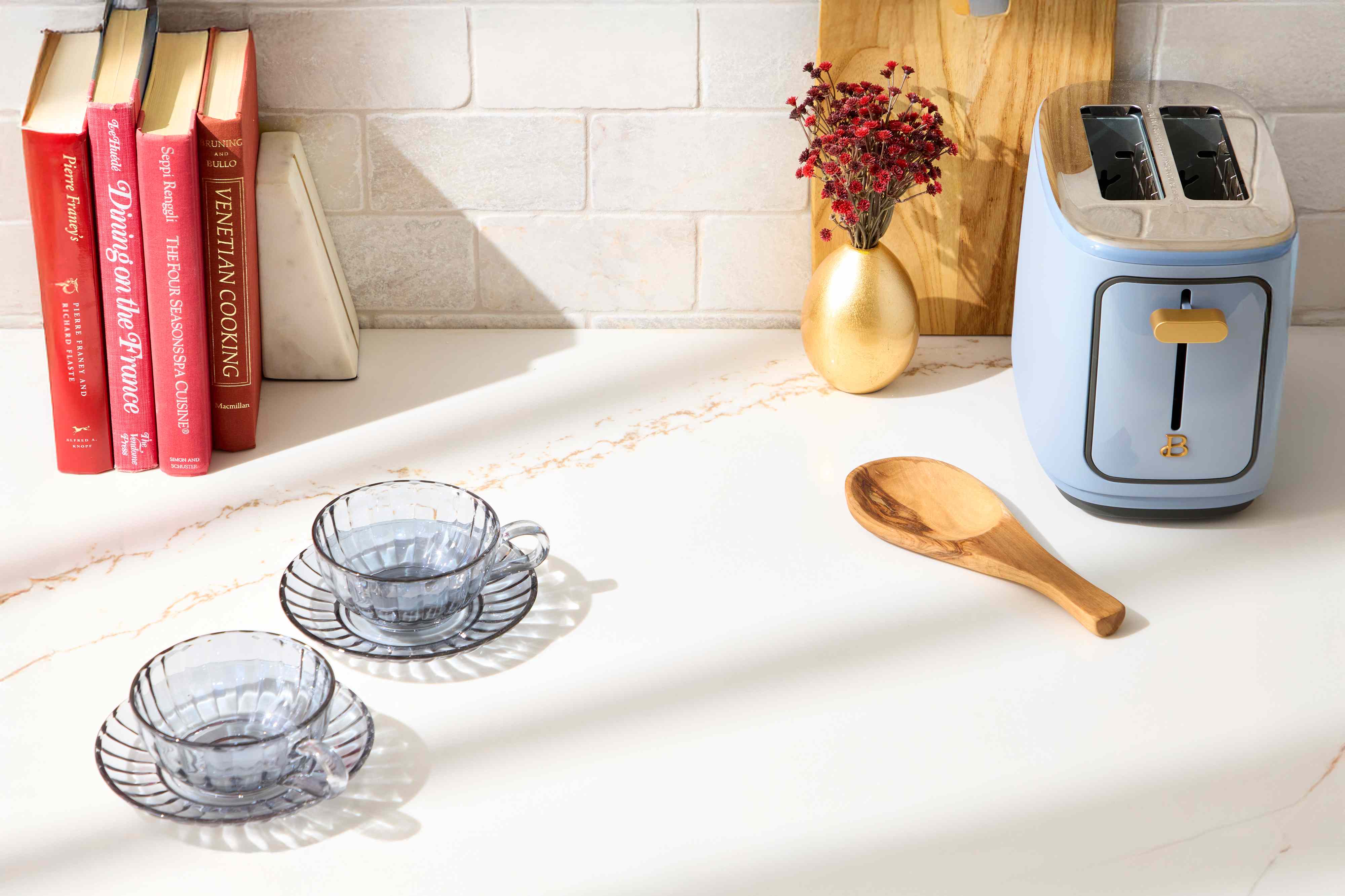

If kitchen trends had a popularity contest, white quartz countertops would be the kid who somehow wins best dressed, best smile, and most likely to survive spaghetti night. They look bright, clean, modern, and expensive without demanding the diva-level maintenance of marble. That alone explains why so many homeowners, flippers, designers, and renovation dreamers keep putting white quartz at the top of the wish list.
But before you fall head over heels for that glowing showroom slab with dramatic gray veining and “luxury kitchen” energy, there are a few things you should know. White quartz is not magic. It will not make your kitchen cleaner, your cabinets smarter, or your children suddenly respectful of tomato sauce. It can, however, be a smart long-term surface if you understand what it is, how it performs, what it costs, and where it can disappoint buyers who expected perfection.
This guide breaks down the real pros, the overlooked cons, the price factors, the design choices, and the everyday lived experience of owning white quartz countertops so you can buy with confidence instead of regret.
What White Quartz Countertops Actually Are
Despite the way people talk about quartz countertops, they are not simply giant chunks of natural quartz carved from a mountain and dropped into your kitchen like a geological miracle. Quartz countertops are engineered stone. They are typically made from ground quartz and other stone materials mixed with resins and pigments, then formed into slabs.
That engineered makeup is exactly why white quartz countertops are so popular. Natural stone can be gorgeous, but it is unpredictable. Quartz gives manufacturers more control over color, pattern, consistency, and performance. If you want a crisp white countertop with subtle veining, soft movement, or a marble-look finish without marble’s maintenance headaches, quartz is usually where people land.
In other words, white quartz is the “I love the look of stone, but I also enjoy having free time” option.
Why Buyers Love White Quartz Countertops
1. They look bright, clean, and versatile
White quartz works with nearly every kitchen style. It fits sleek modern spaces, cozy farmhouse kitchens, transitional remodels, and minimalist designs that want the room to feel open and airy. Pair it with white shaker cabinets for a seamless look, black cabinets for contrast, wood tones for warmth, or navy and green cabinetry for something richer and more custom.
Because the base color is neutral, white quartz also plays nicely with changing trends. You can swap out backsplash tile, cabinet hardware, light fixtures, and paint colors without feeling like the counters are stuck in another decade.
2. It is low maintenance
This is one of the biggest selling points. White quartz countertops do not usually require sealing. That matters because sealing is one of those homeowner chores that sounds simple until it becomes one more thing you forget, postpone, and vaguely resent. With quartz, routine care is usually much easier: a soft cloth, mild soap, warm water, and fast cleanup of spills.
If your dream countertop is one that does not require a special ritual every time olive oil, coffee, or pancake syrup hits the surface, quartz earns serious points.
3. It resists many everyday stains
Because quartz is nonporous or nearly nonporous compared with many natural stones, it is more resistant to common kitchen messes. That makes it attractive for busy households, especially in homes where cooking is real, messy, and occasionally chaotic. Think red sauce splatter, lemon juice drips, smoothie rings, makeup smudges on bathroom vanities, and the mysterious sticky spot nobody wants to claim.
White surfaces still need cleanup, of course. “Stain resistant” is not the same as “ignore a turmeric spill for a week and hope for the best.” But compared with porous materials like marble, quartz is usually far more forgiving.
4. It offers a more predictable look than natural stone
Some homeowners want every slab to be wildly unique. Others want to know what they are getting before it arrives. White quartz is ideal for the second group. Engineered patterns are more controlled, which helps if you want a specific visual effect: pure white, soft clouding, fine speckles, or bold Calacatta-style veining.
This consistency can be especially helpful in large kitchens, waterfall islands, backsplashes, and multi-bath projects where visual coordination matters.
The Downsides You Should Not Ignore
1. Quartz is not heat-proof
This is the warning buyers need to take seriously. White quartz countertops are often marketed as durable, and they are. But durable does not mean invincible. The resins that help bind quartz slabs can be damaged by high heat. Set a scorching hot pan directly on the counter and you may end up with discoloration, scorch marks, or even cracking.
If you are the kind of cook who treats trivets as decorative suggestions, this is your sign to change. Quartz prefers manners.
2. Bright white can show life happening
White quartz looks wonderfully clean, but that same bright surface can make crumbs, coffee drips, tomato splashes, and makeup residue easier to notice. Some people love that because it encourages quick cleanup. Others discover that their “spotless luxury countertop” has turned into a full-time hall monitor.
In practical terms, a white countertop may feel cleaner aesthetically, but it can also make normal messes more visible than darker or more heavily patterned surfaces.
3. Sunlight can be a problem
Quartz is usually best suited for indoor use. In kitchens with strong direct sun, especially near large windows, prolonged UV exposure may contribute to fading or yellowing over time, depending on the product and environment. That does not mean every sunlit kitchen is doomed, but it does mean you should ask the fabricator or brand specifically about UV stability if your space gets serious daily sun.
4. Cheap quartz can look cheap
Not all white quartz is created equal. Some slabs look elegant and convincingly stone-like. Others look flat, overly plastic, repetitive, or strangely fake once installed across a large surface. This is one of the biggest mistakes buyers make: choosing from a tiny sample and assuming the full slab will feel equally luxurious.
Always ask to view a large slab or at least a much bigger sample before signing off. A two-inch sample can be charming. A full island wrapped in an artificial-looking pattern can be a lifelong lesson in why small decisions become giant visual consequences.
5. It is not the cheapest countertop option
Quartz is usually a premium purchase. It often costs more than laminate and can compete with or approach the price of granite, depending on the brand and design. If you choose thicker slabs, mitered edges, dramatic veining, waterfall sides, or complicated cutouts for sinks and cooktops, your final bill can climb fast.
This is not necessarily a deal-breaker. It just means white quartz belongs in the “investment” category, not the “surprise bargain” category.
How Much White Quartz Countertops Cost
There is no single national price that fits every project, but a realistic way to think about white quartz countertop cost is this: the total depends on material quality, slab design, thickness, fabrication, edge profile, number of seams, and installation complexity. In general, homeowners often see quartz priced somewhere in the broad range of about $50 to $200 per square foot installed, while full-project totals can land anywhere from roughly the low thousands to several thousand dollars more for larger or more custom kitchens.
Why the huge range? Because “white quartz” can mean a simple, clean slab with minimal movement or a luxury marble-look slab with dramatic veining, premium branding, custom edges, and a giant island that needs serious fabrication skill.
Here are the biggest cost drivers:
- Brand: Premium names usually cost more.
- Color and pattern: Dramatic veining often costs more than simple white.
- Thickness: Thicker slabs or mitered-edge designs increase price.
- Edge profile: Fancy edges cost more than eased or straight edges.
- Cutouts: Undermount sinks, cooktops, and faucet holes add labor.
- Layout complexity: Corners, large islands, and tight spaces can increase fabrication and installation costs.
- Backsplash and waterfall panels: Beautiful, yes. Cheap, not usually.
The smartest budgeting move is to get a full quote that includes fabrication, installation, cutouts, old countertop removal, and any plumbing reconnection. A low slab price means very little if the extras are waiting around the corner with a baseball bat.
Popular White Quartz Styles
Pure white quartz
This is the cleanest, brightest option. It works well in modern kitchens and small spaces where you want maximum light reflection. The downside is that it can feel stark if the rest of the room is also very cool-toned or minimal.
Soft white or warm white quartz
This version is easier to live with in many homes because it feels less clinical. It pairs well with brass, wood, cream cabinetry, and warmer paint colors.
Veined white quartz
Designed to mimic marble, this is often the most popular category. It gives the kitchen movement and elegance without the full maintenance burden of real marble. Just pay attention to whether the veining looks natural or repetitive.
Speckled or flecked white quartz
This style tends to be more forgiving in daily use because the pattern can disguise crumbs and minor messes better than a smooth, solid white surface.
Questions to Ask Before You Buy
- Is this slab bright white, soft white, or warm white?
- Does the pattern repeat too obviously across a large surface?
- How visible will seams be in my layout?
- Is this product recommended for areas with direct sunlight?
- What cleaning products are safe for this specific brand?
- What warranty is included, and what voids it?
- Can I see the full slab instead of a tiny sample?
- How will this look with my cabinet color, flooring, and backsplash in my actual lighting?
That last question matters more than people think. White quartz under showroom lighting can look very different from white quartz under your kitchen’s mix of daylight, recessed lights, and whatever mysterious yellow bulb the previous owner left behind.
White Quartz vs. Other Countertop Materials
Quartz vs. marble
If you love a classic white luxury look but hate the idea of sealing, etching, or stressing over lemon juice, quartz is usually the more practical choice. Marble wins on one-of-a-kind natural beauty and heat tolerance. Quartz wins on lower maintenance and easier everyday care.
Quartz vs. granite
Granite offers more natural variation and generally better heat tolerance, but it often requires sealing and can be less predictable visually. Quartz gives a more consistent look and less maintenance, which is why many busy households prefer it.
Quartz vs. laminate
Laminate is more budget-friendly. Quartz is more premium, more durable, and usually more attractive to buyers looking for an upgraded kitchen. If the renovation goal is long-term performance and a higher-end finish, quartz usually feels like the stronger choice.
How to Care for White Quartz Countertops
The good news is that daily care is simple. The slightly less fun news is that simple does not mean careless.
- Wipe with warm water, mild soap, and a soft cloth.
- Clean spills quickly, especially coffee, wine, oils, tomato sauce, and strongly pigmented foods.
- Use cutting boards instead of slicing directly on the counter.
- Use trivets and hot pads under hot cookware.
- Avoid harsh chemicals, abrasive scrubbers, and aggressive cleaners unless the manufacturer specifically approves them.
- Do not assume every “stone cleaner” is automatically safe for every quartz brand.
White quartz is low maintenance, but the best results come from gentle, regular care. Think “easy routine,” not “chaotic immunity.”
Who Should Buy White Quartz Countertops?
White quartz is a great fit if you want:
- A bright, timeless kitchen look
- Low-maintenance countertops
- No routine sealing
- Good stain resistance for everyday life
- A marble-inspired look with fewer headaches
- A surface that works in kitchens, baths, laundry rooms, and bars
You may want to skip it if you want:
- Maximum heat resistance
- A fully natural, one-of-a-kind slab
- An outdoor countertop in direct sun
- The absolute lowest-cost option
- A countertop that never shows crumbs, splashes, or evidence that humans live in your home
Final Thoughts Before You Buy
White quartz countertops remain popular for good reason. They are stylish, practical, relatively easy to maintain, and flexible enough to work in almost any kitchen design. For many households, they hit the sweet spot between beauty and realism. You get a polished, upscale look without signing up for the maintenance anxiety that can come with more delicate natural stone.
Still, the smartest buyers go in with clear eyes. White quartz is not bulletproof. It is not bargain-basement cheap. And it is not automatically beautiful just because the sample said so. Shop carefully, look at full slabs, ask detailed questions, compare brands, and think about how you actually use your kitchen on a normal Tuesday, not just how you want it to look in photos.
If your goal is a countertop that looks elegant, stays relevant, and handles real life better than many alternatives, white quartz is absolutely worth serious consideration. Just bring a trivet, a realistic budget, and a healthy suspicion of tiny showroom samples.
Extended Experiences: What People Often Learn After Living With White Quartz
One of the most common experiences homeowners report after installing white quartz countertops is relief. Not dramatic movie-scene relief, but the practical kind. The kind that shows up when someone spills coffee during a rushed morning, wipes it up, and realizes the countertop did not panic. Or when pasta night gets messy and cleanup does not turn into a chemistry project. People who switch from tile, older laminate, or more finicky stone often say the biggest upgrade is not just the appearance. It is the ease. White quartz tends to make the kitchen feel fresh while also reducing the amount of mental energy spent worrying about daily damage.
Another common experience is surprise at how much the countertop affects the whole room. Buyers often choose white quartz because they think of it as a neutral backdrop, but once it is installed, it can completely change the mood of the kitchen. Dark cabinets feel more dramatic. Wood tones feel richer. Small kitchens feel brighter. Even older spaces can look cleaner and more current. This is one reason white quartz keeps showing up in renovation projects: it has a habit of making the rest of the room look more intentional.
Then comes the more honest second wave of experience: people discover that “white” is not one thing. Some whites look cool and crisp. Others look creamy, warm, or slightly gray. Many buyers only understand this after seeing the slab in their own home. Under natural daylight, the counter may look soft and elegant. Under warm evening bulbs, it may lean creamy. Next to bright white cabinets, it may suddenly look off-white. This is not a flaw; it is just a reminder that countertop color is relational. Experienced buyers learn quickly that lighting, backsplash, and cabinet paint all change how white quartz reads in real life.
Many homeowners also realize that the best white quartz is the kind that matches their lifestyle, not just their Pinterest board. Families with young kids often appreciate a white quartz with soft movement or subtle speckling because it hides daily evidence of breakfast better than a stark, solid white slab. Serious home cooks may love the stain resistance but become religious about trivets after one too many warnings from the installer. People who chose dramatic veining often enjoy the designer look, but some later admit they are glad they viewed the full slab first, because bold patterns can either look luxurious or oddly repetitive depending on the product.
There is also the budget experience, which usually goes one of two ways. Buyers either say, “Yes, it was expensive, but the kitchen now feels finished and worth it,” or they say, “I wish I had known how fast edge upgrades, waterfall sides, cutouts, and installation extras would add up.” The material itself is only part of the story. Living with white quartz often teaches homeowners that fabrication details matter just as much as the slab choice.
In the long run, the most satisfied owners are usually not the ones who expected perfection. They are the ones who wanted a durable, attractive, easy-care surface and got exactly that. They understand that white quartz can still show crumbs, that hot pans still need protection, and that no countertop is immune to bad decisions. But they also know this: for a busy kitchen that wants to look polished without becoming high-maintenance, white quartz often turns out to be a very smart place to land.