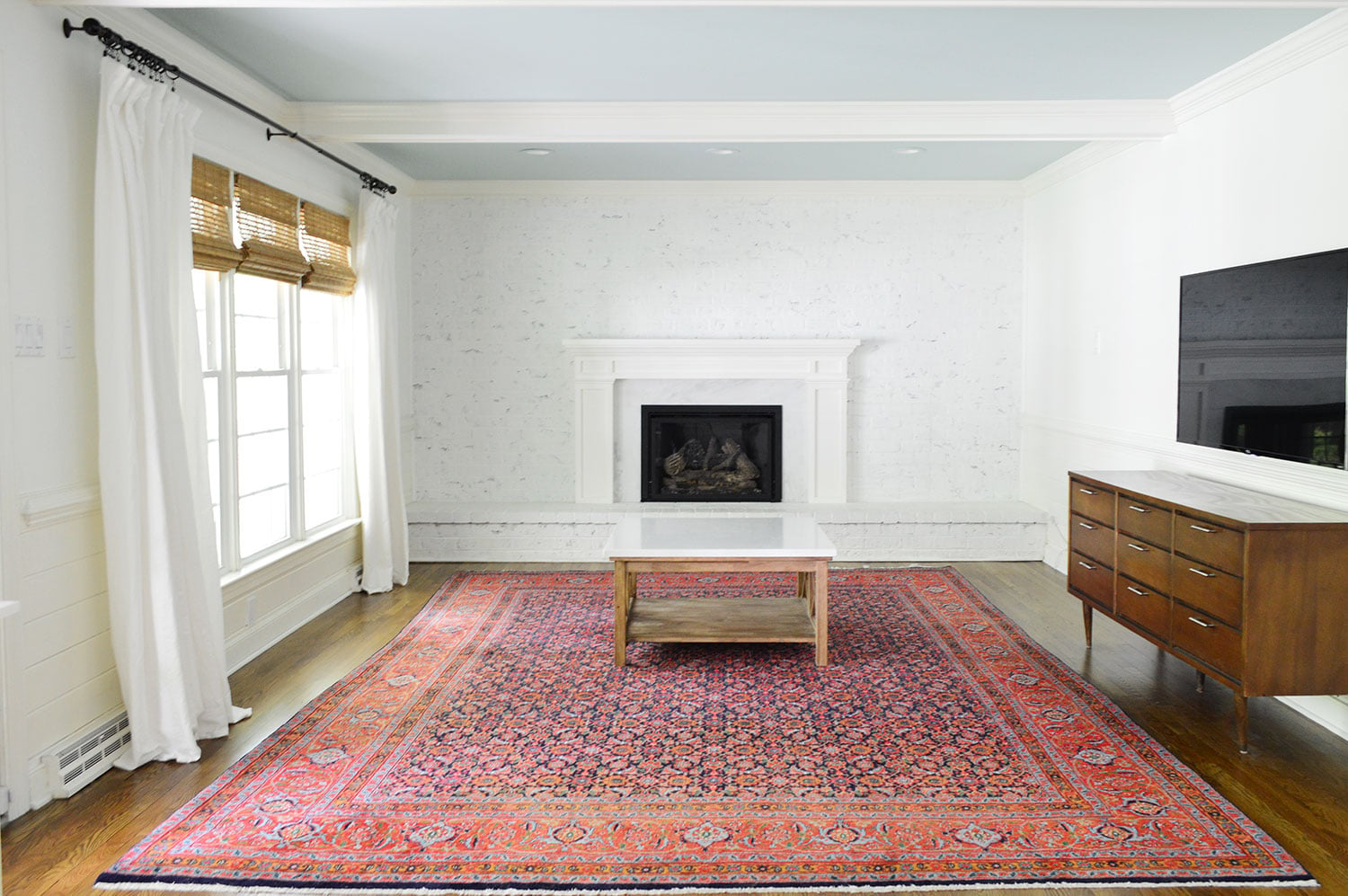

Most houses do not receive a formal farewell. There is no tiny marching band on the front lawn, no ceremonial handing over of the thermostat, and certainly no speech from the dishwasher about all the forks it has known. Usually, the owners pack, clean, close the door, and move on.
That is what makes two final house tour videos so compelling. One video can preserve a home at its polished, fully furnished best, while the other captures the strangely revealing stage after packing has begun. Together, they become more than real estate footage. They document a completed renovation, a major downsizing decision, and the emotional transition from one chapter of life to another.
In this case, the tours recorded a home that had evolved over seven years. The first showed the finished rooms prepared for real estate showings. The second was filmed after most moving-box decisions had been made, revealing which furnishings stayed, which belongings left, and how different a familiar home could feel when its owners were nearly gone.
Why Film Two Final House Tour Videos?
A single home tour usually answers one question: What does the property look like? Two final tours can answer several more. How did the rooms function when fully decorated? Which improvements changed the house most? What did the owners value enough to move? What happened to the furniture that seemed practically welded to the floor?
The first final house tour is the beauty shot. Furniture is arranged, counters are cleared, beds are made, and every throw pillow has been persuaded to face the camera. The second is the transition shot. It shows the home after packing, when the space is no longer completely lived in but has not yet become someone else’s.
That contrast creates a useful visual record. It can help future homeowners understand the layout, give renovation enthusiasts a satisfying before-and-after story, and allow the departing family to remember more than a collection of isolated photographs.
The First Video Preserves the Finished Home
The fully staged tour captures the house after years of projects, decorating decisions, repairs, experiments, and occasional encounters with paint colors that looked much better on a sample card. It is the version of the home most people imagine when they hear “final reveal.”
A staged home tour also demonstrates how rooms connect. Listing photos may beautifully frame a kitchen, bedroom, or living room, but photographs can make it difficult to understand the route from one space to another. A continuous walkthrough provides context. Viewers can see whether the kitchen opens into the dining room, how the stairs relate to the entry, and whether the hallway is elegant or merely an ambitious tunnel.
When a home is being marketed, this visual flow matters. Buyers can decide whether the layout fits their daily routines before scheduling an in-person visit. Long-distance buyers can explore the property without immediately booking a flight, while casual browsers may satisfy their curiosity online instead of joining the open-house snack line.
The Second Video Shows the Reality of Moving
The post-packing tour has a different personality. It is less about styling and more about decisions. The original household was moving from approximately 3,150 square feet to around 1,400 square feet, reducing its home from 14 rooms to six. That is not casual decluttering. That is a square-footage plot twist.
Because the new home was less than half the size, the owners estimated that they moved about 45 percent of their belongings and left roughly 55 percent behind. Rather than transport every table, rug, cabinet, and decorative object, they offered the buyer the opportunity to purchase items that would remain useful in the house. An itemized list was prepared, prices were assigned, and the buyer ultimately chose to purchase the collection.
The second tour therefore became an inventory of the in-between stage. Some belongings were already headed to the new house. Others were staying with the property’s next owner. A few personal essentials still visible in the rooms would travel later by car. The result was not an empty-house video, but a practical portrait of a home changing hands.
What Makes a Final Home Tour Worth Watching?
A successful home tour video does not need cinematic drones swooping through the breakfast nook like they are searching for an international fugitive. It needs a clear route, steady footage, accurate representation, and enough personality to keep viewers interested.
Follow a Logical Route Through the House
Start where a visitor would naturally enter. Show the exterior and front door, then move through the main living areas before visiting secondary rooms. If the home has multiple levels, finish one floor before climbing to the next. Teleporting from the pantry to an upstairs bathroom may be artistically daring, but it does not help anyone understand the floor plan.
Move slowly enough for viewers to examine each room. Pause briefly at transitions and turn gradually rather than spinning the camera. A final house tour should feel like a relaxed walk, not security footage from a shopping cart rolling downhill.
Use Natural Light Without Hiding the Truth
Natural daylight generally makes interiors appear warmer and more inviting. Open blinds and curtains, turn on lamps in darker corners, and film when exterior noise is limited. However, avoid using extreme exposure or distorted lenses to make rooms look dramatically larger than they are.
The goal is to show the home attractively and accurately. Strategic filming is sensible; visual trickery is not. Viewers should not arrive for an in-person showing and discover that the “spacious family room” was apparently recorded through the wrong end of a telescope.
Declutter, but Leave Enough Character
For the staged tour, remove distracting paperwork, toiletries, excess countertop appliances, visible cords, pet supplies, and highly personal items. Close toilet lids, smooth bedding, straighten cushions, and check mirrors for accidental appearances by the camera operator.
Depersonalizing does not require draining every room of life. A few books, plants, textiles, and simple accessories can clarify how a space functions. The house should feel welcoming rather than abandoned by a civilization that vanished halfway through making coffee.
The post-packing tour can be more candid. Boxes, missing furniture, and half-cleared shelves are part of the story. Even then, walkways should remain clear, confidential documents should be hidden, and anything showing names, account details, school information, or security systems should stay off camera.
How the Two Tours Tell a Renovation Story
A final house tour becomes more meaningful when it is paired with earlier footage. Looking back at the original condition of a house can reveal changes that the owners have stopped noticing. A wall that was removed years ago now feels as though it never existed. New flooring becomes the normal flooring. A formerly dark room seems naturally bright, even though achieving that brightness may have required paint, lighting, window treatments, and several weekends spent questioning one’s life choices.
In this home, seven years separated the early tour from the final version. That timeline matters because substantial home improvement rarely happens in a single dramatic montage. Most houses are improved gradually as money, time, energy, and confidence become available.
A before-and-after home video can document:
- Changes to room layouts and traffic flow
- New flooring, paint, lighting, and built-in storage
- Kitchen and bathroom renovations
- Outdoor improvements and landscaping
- Furniture arrangements that made awkward rooms practical
- Small upgrades whose combined effect transformed the house
These details are valuable to viewers planning their own renovations. They show that a finished interior is not the product of one shopping trip or a mysterious decorating fairy with excellent credit. It is usually the result of hundreds of small decisions made over time.
Final House Tours as a Downsizing Tool
Filming the home after packing can also clarify the downsizing process. When people move to a smaller property, the hardest question is rarely whether an item is attractive. The harder question is whether it deserves space in the new life they are creating.
A practical downsizing review can consider four broad issues:
- Does the item fit physically? Measure the new rooms, doorways, storage areas, and wall lengths before committing to large furniture.
- Does it serve the new lifestyle? A formal dining set may be lovely, but it is not useful if the new home has no formal dining room.
- Would replacing it be difficult or expensive? Unique, sentimental, or especially durable items may deserve priority.
- Is keeping it worth the moving cost? Paying to transport an inexpensive object across several states can turn a bargain bookcase into a luxury import.
The camera can help with these decisions. Walking through each room while recording forces owners to notice how much they possess and how each object contributes to the space. It also creates a reference for items being sold, donated, transferred to the buyer, or given to relatives.
Selling furniture to the home’s buyer can be especially convenient when the pieces fit unusual spaces. A long console selected for a particular hallway or a cabinet sized for an alcove may be more valuable in its current location than in a moving truck. The seller avoids transportation and resale hassles, while the buyer receives furniture already proven to work in the house. Everybody wins, including the cabinet, which does not have to experience the interstate highway system.
Practical Filming Tips for a Final House Tour Video
Prepare a Simple Shot List
Write down the intended route and the features that deserve attention. Include the front elevation, entryway, main living spaces, kitchen, bedrooms, bathrooms, storage, outdoor areas, and any unusual architectural elements. A shot list prevents forgotten spaces and reduces the temptation to narrate the same countertop three times.
Stabilize the Camera
A modern smartphone can produce excellent footage, especially when paired with a tripod, gimbal, or stable handheld grip. Record horizontally for a traditional long-form home tour. Vertical clips can be captured separately for social media teasers.
Keep the lens near chest or eye level, and avoid sudden tilts. Clean the lens before filming; a fingerprint can make an immaculate kitchen look as though it is being remembered through a sentimental fog.
Record Clean Audio
Turn off televisions, fans, dishwashers, and other noisy appliances. Close windows if traffic, construction, or enthusiastic neighborhood dogs dominate the soundtrack. An external microphone can improve narration, but a quiet room and a nearby phone microphone are often enough.
Keep the Main Tour Focused
A concise real estate walkthrough may last only a few minutes, but a final personal house tour can run longer when the story justifies it. The important rule is to avoid repetition. Show each room clearly, mention its most meaningful feature, and continue moving.
Long renovation stories, product details, and moving explanations can be published as separate videos or articles. This gives interested viewers more information without forcing everyone else to attend a documentary about the linen closet.
Add Accurate Captions
Captions make the video useful to people who are deaf or hard of hearing, viewers watching without sound, and anyone trying to follow narration in a noisy environment. Automatic captions are a helpful starting point, but they should be reviewed carefully. Home-design vocabulary, paint names, product brands, and proper names are frequent victims of creative machine interpretation.
Protect Privacy Before Publishing
A final home tour may feel personal, but once it is public, it can reach a much larger audience than expected. Before uploading, review every frame for information that should remain private.
Remove or blur:
- Mail, shipping labels, calendars, and financial documents
- Children’s names, photographs, schools, and schedules
- Computer screens and smart-home control panels
- Alarm locations, lockbox codes, and detailed security equipment
- Medication labels and other sensitive personal information
- Vehicle license plates and clearly visible house numbers when appropriate
Turn off camera geotagging when location data is unnecessary, and obtain permission before publishing recognizable footage of relatives, contractors, neighbors, or children. It is also sensible to delay posting a sentimental moving video until the home is no longer occupied.
Experiences That Come With Filming the Last Tour
The most surprising part of recording a final house tour is how quickly an ordinary room becomes emotionally important. During daily life, the hallway is merely the place where everyone leaves shoes. On moving week, it becomes the hallway where children ran, pets waited by the door, guests arrived, and approximately four thousand paint samples were carried past the wall before one shade was finally selected.
The staged video often feels celebratory. Everything is clean, balanced, and complete. Projects that once seemed endless now appear as finished features. The patched drywall is invisible. The trim finally meets correctly in the corner. Even the room that required three furniture arrangements looks completely intentional, as though it politely designed itself.
Watching that tour can produce a strange mix of pride and disbelief. Homeowners remember the problems that existed before the improvements: dark paint, awkward layouts, outdated fixtures, damaged floors, or rooms that never quite knew what they wanted to be. The final video compresses years of labor into a few smooth minutes. It makes difficult projects look easy, which is both satisfying and slightly rude.
The post-packing video creates a different feeling. Once familiar belongings disappear, the architecture becomes more visible. Rooms sound different. Footsteps echo. Small marks on the floor reveal where furniture stood for years. The house begins separating itself from the family, even though the keys have not yet changed hands.
That stage can also bring relief. Downsizing forces decisions, but completed decisions create lightness. There are fewer objects to manage, fewer boxes to unload, and fewer possessions competing for attention. Seeing the remaining furniture on video can confirm that leaving something behind was not the same as wasting it. A table, shelf, or bench may continue serving the house and its next residents.
One valuable experience is realizing that memories are not evenly distributed among possessions. An inexpensive chair may hold more meaning than a costly cabinet because it was used every morning. A chipped planter may be harder to leave than a flawless decorative piece because someone remembers carrying it home from a weekend trip. Downsizing becomes easier when sentimental value is acknowledged rather than treated as a failure of logic.
Filming also encourages a slower goodbye. Moving days are usually dominated by lists, deadlines, tape dispensers, and mysterious objects that appear only after the last box has been sealed. A final walkthrough interrupts that rush. It gives the owners permission to notice the view from a bedroom window, the afternoon light in the kitchen, or the height marks still hiding inside a closet.
The camera will not capture every memory, and it should not try. Its purpose is to preserve the physical setting: the shape of the rooms, the flow of the house, the improvements completed, and the objects that helped make it feel inhabited. Years later, those ordinary visual details may be more powerful than a perfectly posed photograph.
Perhaps that is the greatest benefit of two final house tour videos. The first records what the owners created. The second records what they chose to carry forward. One celebrates the finished house; the other reveals the beginning of the next home.
Final Thoughts
Two final house tour videos can turn a routine move into a complete visual story. A polished staged walkthrough highlights the home’s layout, design, and renovation achievements. A second post-packing tour documents the practical realities of downsizing and the emotional moment when a beloved property begins becoming someone else’s home.
The videos do not need expensive equipment or elaborate effects. Thoughtful preparation, steady movement, honest lighting, clear narration, accurate captions, and careful privacy checks matter far more. Most importantly, the tours should preserve the character of the house without pretending that moving is effortless.
A home may eventually belong to another family, but its final videos preserve the years when it belonged to youawkward early rooms, finished renovations, overachieving throw pillows and all.
</section