
Fuller-looking lips do not always require an appointment, a syringe, or the ability to pronounce “hyaluronic” before coffee. The cinnamon method is a popular do-it-yourself lip-plumping trick because cinnamon can create a warm, tingling sensation and temporary redness or swelling. That small change may make the lips look slightly fuller for a short time.
There is an important catch: the effect comes from irritation, not permanent growth. Cinnamon does not build new lip tissue, reshape the mouth, or produce filler-like results. It can also trigger dryness, contact dermatitis, oral irritation, or an allergic reaction. The goal, therefore, is not to make your lips feel as though they have entered a chili-eating contest. The goal is to use the smallest possible amount, for the shortest practical time, and stop at the first sign of discomfort.
Research basis: temporary lip-plumping products commonly work through localized irritation and swelling; cinnamon can also cause contact reactions.
How the Cinnamon Lip-Plumping Method Works
Topical lip plumpers often rely on sensory ingredients such as cinnamon, peppermint, ginger, menthol, or capsicum. These ingredients can stimulate a temporary local response that makes the lips look redder and mildly swollen. A moisturizing base may also smooth dry lines and reflect light, making the surface appear rounder even when the actual change in volume is tiny.
That distinction matters. A soft tingle may accompany a modest cosmetic effect, but strong burning is not proof that the method is working better. It is a warning that the lip barrier is being irritated. Dermatology guidance for lip products is refreshingly simple: when a product burns, stings, or feels uncomfortable, stop using it.
Research basis: dermatology guidance recommends stopping lip products that burn or sting and avoiding irritants on damaged lips.
What You Need
Keep the ingredient list boring. In this situation, boring is beautiful.
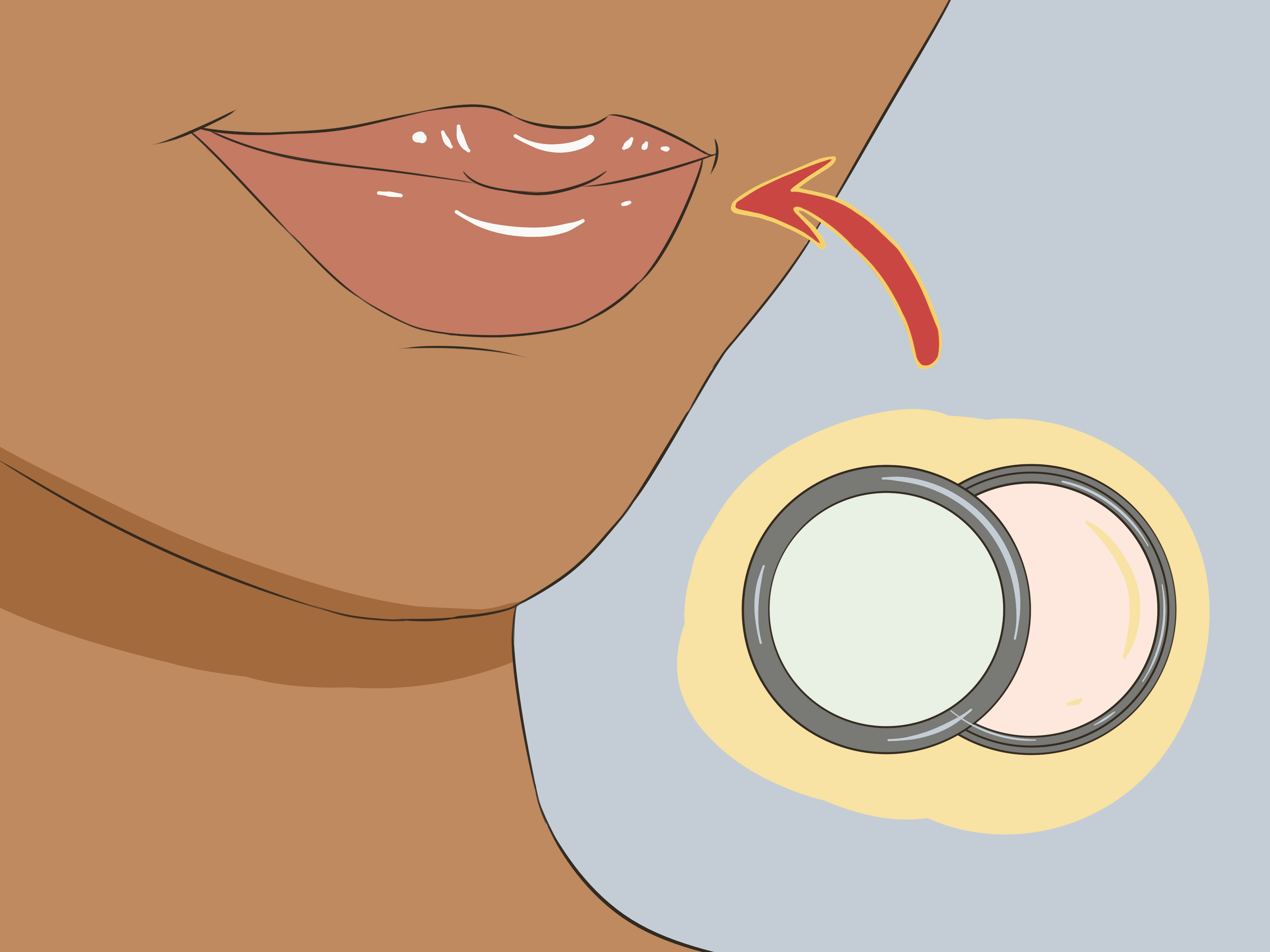
- A plain, fragrance-free lip balm or white petroleum jelly
- Very finely ground culinary cinnamon
- A clean small dish or spoon
- A cotton swab
- A soft damp washcloth
- Cool water
- A mirror and clean hands
Avoid cinnamon essential oil, cinnamon fragrance oil, candy flavoring, cayenne pepper, clove oil, peppermint oil, and homemade mixtures containing several warming ingredients. Combining irritants does not create a deluxe plumper; it creates a harder-to-identify reaction.
Research basis: essential oils may cause skin rashes, irritation, oral burning, or harm when swallowed; cosmetics and fragrances can cause contact dermatitis.
How to Make Lips Plumper With Cinnamon in 10 Steps
Step 1: Decide Whether Your Lips Are Suitable Today
Look closely at your lips before mixing anything. They should feel comfortable and appear intact, without peeling sheets of skin, open cracks, cold sores, cuts, blisters, unexplained swelling, or raw patches. Wait until the lips have healed if they are chapped or irritated. Applying cinnamon to an already damaged surface can turn a two-minute beauty experiment into several days of regret.
Step 2: Start With the Mildest Possible Ingredients
Use a plain occlusive base, such as fragrance-free petroleum jelly, rather than a flavored gloss. For one application, place about one-quarter teaspoon of the base in a clean dish. Add only a dusting of finely ground cinnamonroughly the amount that would cling to the very tip of a dry toothpick. You are making a diluted spot treatment, not seasoning French toast.
Do not pour cinnamon oil into the mixture. Essential oils are highly concentrated, may irritate skin and mucous membranes, and can be hazardous if accidentally swallowed. “Natural” describes where an ingredient came from; it does not certify that the ingredient belongs undiluted on the mouth.
Step 3: Mix Until the Cinnamon Is Evenly Dispersed
Stir the balm and cinnamon until no dark clumps remain. The mixture should look mostly like the original balm, with only faint specks. Large pockets of powder can deliver an uneven amount and create intense irritation in one area. If the mixture looks brown, gritty, or heavily scented, discard it and start again with much less cinnamon.
Step 4: Perform a Cautious Spot Test
Place a tiny amount on a small area of intact skin on the inner forearm. Leave it on briefly, remove it, and monitor the area for redness, itching, swelling, or a rash over the next 24 to 48 hours. This home check cannot rule out every allergy, and it is not the same as professional patch testing, which is performed and interpreted by a healthcare professional over several days. Still, skipping the spot test removes one of the few early warning opportunities you have.
Research basis: contact dermatitis may be caused by cosmetics or fragrances, and formal patch testing is used to identify allergic triggers.
Step 5: Clean and Dry Your Lips Gently
Wash your hands. Remove lipstick, gloss, food residue, and toothpaste from the mouth area with lukewarm water and a gentle cleanser if needed. Pat the lips dry instead of rubbing them. Do not exfoliate immediately beforehand. A sugar scrub, toothbrush, or rough towel can create invisible irritation that makes cinnamon feel much harsher.
Step 6: Apply a Very Thin Layer
Use a clean cotton swab to spread a thin film over the visible pink portion of the lips. Stay away from the wet inner lip, corners of the mouth, gums, and surrounding facial skin. Do not lick the mixture. Apply less than you think you need; an extra-thick layer is more likely to migrate into the mouth than to produce a better result.
Step 7: Time the First Application Conservatively
For a first attempt, keep the mixture on for about one minute while watching the clock. A faint warming or tingling sensation may occur. Remove it immediately if you feel burning, sharp pain, throbbing, intense itching, numbness, or rapidly increasing swelling. Never push through discomfort for a stronger effect. Your lips are not training for a marathon.
If the first application causes no irritation, a future trial may be extended slightly, but there is little reason to exceed a few minutes. The effect is temporary, and longer exposure mainly increases the opportunity for irritation.
Step 8: Remove the Mixture Completely
Wipe the lips gently with a soft damp cloth, then rinse the mouth area with cool or lukewarm water. Do not use hot water, alcohol-based toner, mouthwash, or another spicy ingredient. Check the corners of the mouth and the skin above the upper lip for residue. Wash your hands afterward so you do not accidentally rub cinnamon into your eyes.
Step 9: Soothe and Moisturize
Apply a fresh layer of plain petroleum jelly or an unscented, hypoallergenic lip balm. Hydration and surface smoothing often contribute as much to the plump look as the cinnamon does. Avoid matte lipstick, fragranced gloss, acids, retinoids, and lip scrubs for the rest of the day if the lips feel even slightly tender.
If the lips continue to burn after removal, use a cool compress and stop experimenting. Persistent pain, blistering, cracking, or a spreading rash deserves medical advice rather than another layer of balm.
Step 10: Evaluate the Result Before Repeating
Wait at least a full day before considering another application, and do not turn the method into an hourly touch-up. The visible result should be subtle: slightly deeper color, smoother texture, and perhaps a modest temporary fullness. If you see no difference, adding more cinnamon is not a smart escalation strategy. Your skin may simply not respond noticeably, and that is normal.
Stop using the method permanently if you develop delayed itching, peeling, recurrent swelling, white patches inside the mouth, sores, or tenderness. Cinnamon-containing products have been associated with contact reactions of the lips and oral tissues, and symptoms may not always appear immediately.
Research basis: cinnamon-containing oral products have been associated with contact stomatitis and hypersensitivity reactions; cheilitis is inflammation of the lips.
What Results Should You Expect?
The cinnamon method may make lips look a little fuller for a limited period, but the result varies widely. Some people notice only extra color. Others see mild swelling around the center of the lips. Many see almost no change once the balm is wiped away. Lighting, hydration, gloss, and the natural shape of the lip border can influence how dramatic the effect appears in a mirror or photo.
This method does not permanently enlarge the lips, stimulate a guaranteed amount of collagen, or reproduce the controlled volume of injectable filler. Anyone promising overnight structural change from pantry cinnamon is selling optimism with a side of spice.
Common Mistakes to Avoid
Using Undiluted Cinnamon Oil
Concentrated essential oil is not interchangeable with a pinch of culinary powder in a large amount of balm. It can cause significant irritation and is easy to swallow accidentally.
Applying Cinnamon to Chapped Lips
Cracks and peeling create a compromised barrier. Cinnamon can sting more strongly and may worsen inflammation. Heal the lips first with bland moisturizers and protection from wind, dry air, and irritating products.
Scrubbing Aggressively
Friction may temporarily redden the lips, but combining abrasion with cinnamon compounds the irritation. Use gentle application, not sandpaper energy.
Assuming More Burning Means More Plumping
Burning is a stop signal. The American Academy of Dermatology advises discontinuing lip products that burn, sting, or feel uncomfortable. Cosmetic discomfort should not be treated like an entry fee.
Using the Method Before Kissing, Eating, or Exercising
Cinnamon residue can transfer to another person, mix with food, or spread with sweat. Complete the method well before these activities, remove it thoroughly, and make sure the lips feel normal.
When to Get Medical Help
Stop using the mixture and seek urgent help if swelling spreads to the tongue, throat, eyelids, or face, or if you develop hives, wheezing, dizziness, faintness, or trouble breathing. These can be signs of a serious allergic reaction. For a milder but persistent reaction, contact a clinician or dermatologist, especially if symptoms last more than a day, recur, blister, or interfere with eating and drinking.
If a cosmetic causes a significant reaction, the U.S. Food and Drug Administration recommends stopping the product and contacting a healthcare professional. Consumers may also report cosmetic-related problems to the agency.
Research basis: rapid lip or tongue swelling with breathing difficulty can require emergency care; FDA advises stopping a cosmetic associated with a reaction and contacting a healthcare provider.
Gentler Ways to Make Lips Look Fuller
If cinnamon proves too irritatingor if the concept of deliberately annoying your lips feels suspicioustry visual and moisturizing techniques instead:
- Apply a hydrating balm, then add clear gloss only to the center of each lip.
- Use lip liner just outside the natural border at the Cupid’s bow and center of the lower lip while staying on the border near the corners.
- Choose a lighter lipstick shade in the center and a slightly deeper shade at the edges.
- Use a commercially formulated plumping product and follow its label exactly.
- For longer-lasting enhancement, consult a qualified, licensed medical professional about FDA-approved options and their risks.
Avoid needle-free filler pens and other do-it-yourself injection devices. The FDA and dermatology organizations have warned that high-pressure, needle-free filler devices can cause serious injury. Temporary gloss is much less exciting at parties, but so is explaining an emergency-room visit.
Research basis: FDA and dermatology guidance warn about risks from needle-free filler devices; professional fillers have benefits and risks.
Experience Notes: What the Cinnamon Method Usually Feels Like
The first surprise for many people is how little cinnamon is needed to create a noticeable sensation. A mixture that looks almost completely clear can begin warming the lips within seconds. This is why measuring by enthusiasm is a terrible plan. The person who thinks, “I barely see any cinnamon, so I should add another shake,” is often the same person standing at the sink one minute later, rinsing furiously and reconsidering every decision made since breakfast.
A careful first trial tends to be less cinematic. The lips are clean and healthy, the mixture contains only a faint dusting of cinnamon, and the application lasts about a minute. The sensation may begin as gentle warmth around the center of the lower lip. The upper lip may feel more sensitive, particularly near the Cupid’s bow. After removal, the lips can look pinker and smoother, especially under gloss. The change is usually modestmore “well-rested selfie” than “secret celebrity procedure.”
Another common experience is that the moisturizing base does most of the flattering work. Before application, dry lines scatter light and make the lips look flat. After a layer of petroleum jelly or balm, the surface becomes smoother and shinier. The center of the lips catches more light, so the mouth appears rounder. Cinnamon may add temporary color and mild swelling, but hydration deserves a large share of the applause.
The less pleasant experience often starts with damaged lips. Someone notices peeling, decides exfoliation is necessary, scrubs with sugar, and then applies a strong cinnamon mixture. The result is immediate burning rather than a mild tingle. Even after the mixture is removed, the lips may feel tight, tender, or unusually dry. This is a useful lesson: do not stack methods. Exfoliation, spice, essential oils, plumping gloss, and matte lipstick do not form a beauty super-team. They form a committee of irritants.
Delayed reactions can be confusing. A person may feel fine during the application but notice itching, peeling, or soreness later that day or the next morning. That pattern is one reason a spot test and conservative exposure matter. It is also why a successful first attempt does not guarantee that repeated use will remain comfortable. Sensitivity can develop or become more obvious over time.
Expectations also shape the experience. When someone anticipates dramatic filler-level volume, a subtle result feels disappointing. That disappointment can encourage unsafe escalation: more powder, longer contact, or cinnamon oil. A better benchmark is temporary enhancement. If the lips look slightly rosier, smoother, and more defined for a photo or evening out, the method has delivered about as much as it reasonably can.
The best long-term lesson is that lip comfort matters more than a few minutes of extra fullness. Healthy lips photograph well, hold color evenly, and do not demand emergency attention. If cinnamon produces irritation, the experiment has provided useful information: this method is not a match for your skin. A glossy balm, strategic liner, or professionally formulated product can create a similar visual effect without turning your mouth into a science fair volcano.
Conclusion
The cinnamon method can create a subtle, temporary plumping effect by increasing warmth, color, and mild localized swelling. It works best as a carefully controlled cosmetic trick: use a tiny amount of finely ground cinnamon in a bland moisturizing base, test first, apply briefly, remove completely, and stop immediately if the lips burn or become uncomfortable.
Remember that stronger irritation is not a better result. Healthy, hydrated lips will usually look fuller than inflamed, peeling ones. When in doubt, choose the boring balm. Your lips may not applaud, but they also will not file a complaint.