
Open social media and you may encounter a buffet of confident claims about breast cancer and diet. Sugar supposedly “feeds” tumors. Soy is accused of behaving like estrogen in a fake mustache. Dairy is sometimes declared either protective or poisonous, depending on which video the algorithm serves next.
The real science is less dramatic but far more useful. Diet can influence breast cancer risk, particularly through alcohol consumption, body weight, inflammation, metabolic health, and overall eating patterns. However, no single food causes breast cancer, and no smoothie, supplement, or heroic quantity of broccoli can guarantee prevention.
Breast cancer develops through a complicated interaction of age, genetics, hormones, reproductive history, environmental exposures, lifestyle, and chance. Nutrition is one piece of that puzzlenot the entire box. The strongest evidence supports limiting alcohol, maintaining a healthy weight throughout adulthood, staying physically active, and eating a mostly plant-forward diet.
How Strong Is the Connection Between Diet and Breast Cancer?
Researchers have investigated individual nutrients, foods, and dietary patterns for decades. Some laboratory studies produce exciting results, but human bodies are not petri dishes wearing sneakers. Findings from cells or animals do not always translate into meaningful changes in human breast cancer risk.
Human nutrition research is also challenging because people do not eat isolated nutrients. They eat meals, change habits, misremember portion sizes, and occasionally classify a giant muffin as “basically breakfast bread.” Genetics, activity levels, medications, menopause, smoking, and access to health care can further complicate results.
That is why major cancer organizations focus less on miracle ingredients and more on repeatable lifestyle patterns. A diet emphasizing vegetables, fruits, beans, whole grains, nuts, and other minimally processed foods is associated with better overall health and may help reduce the risk of several cancers. For breast cancer specifically, the clearest diet-related concerns are alcohol and excess body fat after menopause.
Alcohol Has the Clearest Dietary Link
Among foods and beverages, alcohol has one of the most consistent relationships with breast cancer. Risk generally rises as alcohol consumption increases, but even relatively small amounts may contribute to risk.
Alcohol can raise estrogen levels, damage DNA, interfere with nutrient absorption, and produce acetaldehyde, a toxic chemical formed when the body processes alcohol. These mechanisms may help explain why beer, wine, and liquor are all associated with breast cancer risk. The type of drink matters less than the amount of alcohol it contains. A glass of red wine does not receive a scientific hall pass because it looks sophisticated next to a cheese board.
The American Cancer Society advises that avoiding alcohol is best for cancer prevention. Women who choose to drink are generally advised to limit intake to no more than one standard drink per day. One standard drink is approximately 12 ounces of regular beer, 5 ounces of wine, or 1.5 ounces of distilled spirits. Less is better when breast cancer prevention is the goal.
Practical Ways to Drink Less
Reducing alcohol does not require spending every social event clutching a sad glass of tap water. Sparkling water with citrus, alcohol-free beer, herbal iced tea, and thoughtfully prepared mocktails can preserve the ritual without the alcohol. Alternating alcoholic drinks with nonalcoholic beverages, using smaller glasses, and creating several alcohol-free days each week can also help.
Body Weight Matters, Especially After Menopause
Being overweight or having obesity is associated with a higher risk of postmenopausal breast cancer. After menopause, fat tissue becomes an important source of estrogen. Excess body fat may also increase insulin levels and chronic inflammation, both of which can create biological conditions that favor cancer development.
This does not mean that body size determines destiny, nor should anyone blame themselves for a diagnosis. Weight is influenced by genetics, medications, menopause, sleep, stress, income, food access, disability, and many other factors. Cancer risk is never a moral scorecard.
The practical goal is usually to prevent steady adult weight gain and support metabolic health with sustainable habits. Crash diets are not necessary and may lead to muscle loss, nutrient deficiencies, and a rebound relationship with the cookie cabinet. Gradual improvements in meal quality, movement, sleep, and portion awareness are more realistic.
Which Eating Pattern Appears Most Helpful?
No officially approved “breast cancer diet” exists. However, several healthful patterns share features associated with lower cancer and cardiovascular risk. These include Mediterranean-style diets, plant-forward diets, and eating patterns consistent with American Cancer Society and American Institute for Cancer Research recommendations.
Build Meals Around Plant Foods
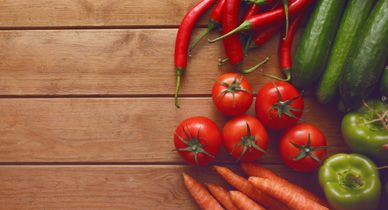
Vegetables, fruits, beans, lentils, whole grains, nuts, and seeds provide fiber, vitamins, minerals, and phytochemicals. Fiber supports digestive health and may influence hormone metabolism, blood sugar control, and the gut microbiome. Colorful produce also supplies a wide range of plant compounds rather than placing all nutritional hope in one celebrity vegetable.
A practical plate might include:
- Half a plate of vegetables or fruit
- One-quarter whole grains or another high-fiber carbohydrate
- One-quarter protein such as beans, fish, poultry, tofu, eggs, or yogurt
- A modest amount of healthy fat from olive oil, avocado, nuts, or seeds
The Mediterranean diet follows this general formula. It emphasizes plant foods, olive oil, legumes, fish, and whole grains while limiting processed meat, highly refined foods, and excess alcohol. Research suggests this pattern may help lower breast cancer risk, particularly when it supports a healthy weight.
Limit Highly Processed Foods Without Demanding Perfection
Highly processed foods are often rich in calories, refined starches, added sugars, sodium, and unhealthy fats while supplying relatively little fiber. Frequent consumption can make weight management and blood sugar control more difficult.
That does not make every packaged food dangerous. Frozen vegetables, canned beans, whole-grain bread, and plain yogurt are processed too, and they can be excellent choices. The useful distinction is between nutrient-dense convenience foods and products engineered mainly to deliver large amounts of sugar, salt, fat, and calories at impressive speed.
Reduce Processed Meat and Moderate Red Meat
The evidence linking processed meat directly to breast cancer is not as strong as its link to colorectal cancer. Still, cancer-prevention guidelines commonly recommend eating little, if any, processed meat and limiting red meat. Replacing some bacon, sausage, hot dogs, and deli meat with fish, poultry, beans, lentils, or tofu can improve overall diet quality.
Does Sugar Feed Breast Cancer?
Every cell in the body uses glucose for energy, including cancer cells. However, eating a cookie does not selectively deliver fuel to a breast tumor. The body regulates blood glucose and can produce glucose from protein and fat even when carbohydrates are severely restricted. Completely eliminating sugar cannot starve cancer without also affecting healthy tissues.
The more accurate concern is indirect. Diets high in sugary beverages, desserts, and heavily refined foods may promote excess calorie intake, weight gain, insulin resistance, and poor metabolic health. These conditions may influence cancer risk over time.
Fruit does not need to be banished because it contains natural sugar. Whole fruit also supplies fiber, water, vitamins, and phytochemicals. Enjoying dessert occasionally is different from drinking several sugar-sweetened beverages every day. Balance matters more than nutritional panic.
What About Soy and Estrogen-Positive Breast Cancer?
Soy may be the most unfairly interrogated bean in modern nutrition. Soy foods contain isoflavones, plant compounds sometimes called phytoestrogens. Their chemical structure resembles estrogen, but they act differently and much more weakly in the human body.
Current evidence indicates that moderate amounts of traditional soy foods are safe for most people, including many breast cancer survivors and people with estrogen receptor-positive disease. Observational research suggests soy consumption may even be associated with a lower risk of recurrence or death after breast cancer, although it should not be treated as medicine.
Reasonable options include tofu, tempeh, edamame, miso, and unsweetened soy milk. Concentrated isoflavone powders or high-dose soy supplements are not equivalent to food and should be discussed with an oncology team.
Are Dairy Foods Safe?
Research on dairy and breast cancer has produced mixed findings. Some studies suggest neutral or potentially protective associations for certain dairy foods, while others raise questions about high intake, fat content, or hormonal components. At present, major U.S. cancer organizations do not advise everyone to eliminate dairy to prevent breast cancer.
People who tolerate dairy can include plain yogurt, milk, kefir, or modest portions of cheese as part of a balanced diet. Those who avoid dairy can choose fortified soy milk and other alternatives that provide protein, calcium, and vitamin D. The nutritional quality of the replacement matters; coconut-based beverages, for example, may contain little protein.
Can Supplements Prevent Breast Cancer?
No vitamin, antioxidant blend, mushroom powder, detox tea, or herbal capsule has been proven to prevent breast cancer reliably. High-dose supplements can also cause side effects or interact with chemotherapy, hormone therapy, radiation-related care, surgery, and other medications.
During cancer treatment, antioxidants, herbs, grapefruit products, or concentrated extracts may alter the way certain drugs are absorbed or metabolized. Patients should tell their oncology team about every supplement they useeven the bottle with leaves on the label that promises “natural cellular harmony.” Natural does not automatically mean harmless.
Supplements may be appropriate when a clinician identifies a deficiency or a specific medical need. In those situations, the dose and product should be selected with professional guidance.
Diet After a Breast Cancer Diagnosis
Nutrition during treatment should be individualized. Surgery, chemotherapy, radiation, targeted therapy, and endocrine therapy can affect appetite, taste, digestion, energy, bone health, and body weight in different ways.
Someone with nausea or diarrhea may temporarily need bland, lower-fiber foods. Someone losing weight unintentionally may need calorie-dense meals, snacks, and protein shakes. Another person taking long-term endocrine therapy may be working to preserve muscle and bone strength. The ideal menu is the one that supports treatment, prevents malnutrition, and can actually be eaten.
After treatment, survivors are generally encouraged to follow the same broad cancer-prevention principles: eat a plant-forward diet, remain active, maintain a healthy weight when possible, limit or avoid alcohol, and avoid smoking. Healthy habits may support quality of life and reduce the risk of cardiovascular disease, diabetes, and other cancers. Evidence regarding breast cancer recurrence continues to develop, so dietary changes should complementnot replacemedical follow-up.
A Realistic Breast-Healthy Day of Eating
Breakfast
Oatmeal topped with berries, walnuts, and plain yogurt or fortified soy milk. Add cinnamon if breakfast needs a tiny personality upgrade.
Lunch
A whole-grain bowl with leafy greens, roasted vegetables, chickpeas, grilled chicken or tofu, and an olive-oil vinaigrette.
Snack
An apple with peanut butter, vegetables with hummus, or plain yogurt with fruit.
Dinner
Baked salmon, tofu, or lentil patties with brown rice and two vegetables. Water, sparkling water, or unsweetened tea can replace the automatic nightly glass of wine.
Dessert
A small serving of a favorite dessert, eaten without guilt, secret negotiations, or promises to survive on celery tomorrow.
Experiences: Turning Breast Cancer Nutrition Advice Into Daily Life
The following composite experiences reflect common concerns reported by patients, survivors, families, and oncology dietitians. They are illustrative rather than individual medical case histories.
The “Perfect Diet” Trap
After a close relative was diagnosed with breast cancer, a woman in her early forties began researching prevention. Within a week, she had eliminated dairy, soy, gluten, coffee, fruit, seed oils, and anything packaged in a container. Her shopping cart looked like it was preparing for life in a remote cabin with only kale for companionship.
The restrictions soon became exhausting. Family dinners required separate meals, restaurant visits created anxiety, and every snack felt like a medical decision. After meeting with a registered dietitian, she shifted her attention from forbidden foods to repeatable habits. She began filling half her plate with vegetables, eating beans several times a week, replacing processed meat with fish or poultry, walking regularly, and limiting alcohol to special occasions.
The major change was not a miraculous ingredient. It was relief. Her diet became more nutritious and considerably less frightening.
Eating During Treatment
A patient receiving chemotherapy originally planned to follow an impressive high-fiber meal plan. Then nausea arrived, followed by taste changes that made roasted vegetables smell like a chemistry experiment. For several days, crackers, soup, eggs, smoothies, and mashed potatoes were the foods she could tolerate.
She worried that she was “failing” at healthy eating. Her oncology dietitian explained that nutrition priorities can change during treatment. Preventing dehydration, maintaining strength, and eating enough protein and calories were more urgent than achieving a flawless Mediterranean menu.
On better days, she added yogurt, berries, oatmeal, chicken, tofu, or soft-cooked vegetables. On difficult days, she ate whatever stayed down. This flexible approach helped her maintain weight and reduced the guilt surrounding food. Once treatment ended and her appetite improved, she gradually rebuilt a more varied, plant-forward diet.
Making Changes After Treatment
A breast cancer survivor taking endocrine therapy noticed gradual weight gain and reduced muscle strength. Instead of starting an extreme cleanse, she focused on three manageable changes. She replaced several weekly alcoholic drinks with flavored sparkling water, added a protein source to breakfast, and began strength training twice a week after receiving medical clearance.
Her weight changed slowly, but other improvements appeared first. She felt stronger, slept better, and had more energy for afternoon walks. Those benefits made the routine easier to continue than a restrictive diet based entirely on willpower.
How Families Can Help
Families often want to help but may accidentally become the food police. Comments such as “Should you be eating that?” can make an already stressful diagnosis feel even more isolating.
A more useful approach is practical support: prepare freezer-friendly meals, provide several protein options, keep easy snacks available, and ask what currently tastes good. Join the survivor for a walk rather than lecturing them about exercise. Share a plant-forward dinner because it benefits everyone, not because one person has been assigned the role of Household Patient.
The most sustainable experience is rarely a dramatic nutritional makeover. It is a collection of small choices supported by compassion, credible information, and medical guidance.
Conclusion
There is a meaningful link between breast cancer and diet, but it is best understood through overall habits rather than individual “good” or “bad” foods. Alcohol clearly raises breast cancer risk, and excess body fat increases risk after menopause. Plant-forward dietary patterns may provide protection by supporting weight management, metabolic health, and a higher intake of fiber and beneficial plant compounds.
Soy foods are generally safe, sugar does not directly make cancer spread, and dairy does not need to be universally eliminated. Supplements deserve caution, particularly during treatment. No diet can guarantee that breast cancer will be prevented or cured, but sensible nutrition can support long-term health and give people something more useful than food fear: a realistic plan.