
There are few small tragedies in adult life quite like opening a bottle of wine, pouring a hopeful glass, taking a sniff, and realizing something has gone terribly, dramatically wrong. The label promised ripe berries, crisp citrus, silky tannins, or maybe a romantic evening. Instead, your glass smells like wet cardboard, vinegar, old pennies, or a basement that has not seen sunlight since the Reagan administration.
The good news? Learning how to tell if wine is bad is not as mysterious as wine culture sometimes makes it seem. You do not need a silver tastevin, a sommelier pin, or the ability to casually say “forest floor” without smiling. You just need to use your eyes, nose, and taste buds in the right order.
Wine can go bad for several reasons: too much oxygen, heat exposure, cork taint, unwanted microbial activity, poor storage, or simply being open too long. Some flaws make wine unpleasant but harmless. Others are a clear invitation to pour it down the sink and give the bottle a tiny farewell ceremony. This guide breaks down the key signs of spoiled wine, what they mean, and when a questionable bottle deserves a second chance.
First, Can Wine Actually Go Bad?
Yes, wine can go bad. However, “bad” can mean a few different things. A wine may be past its prime, meaning it has lost freshness and tastes dull. It may be flawed, meaning something chemically or microbiologically wrong has happened. Or it may simply be a wine you personally dislike, which is not a faultit is your palate politely filing a complaint.
Most spoiled wine is not dangerous in small amounts, but it can taste awful. Oxidized wine may turn sour or vinegary. Corked wine may smell musty and lifeless. Heat-damaged wine may taste cooked, flat, or oddly sweet. A wine that has been open for too long may lose its fruit and become sharp, tired, or unpleasantly funky.
The easiest rule is this: if the wine looks wrong, smells wrong, and tastes wrong, it is probably wrong. Wine is not a courtroom drama; you do not need twelve pieces of evidence.
How to Tell if Wine is Bad Before You Taste It
Before sipping, inspect the bottle and the glass. Many wine problems announce themselves before they ever reach your tongue.
1. Check the Cork and Bottle Condition
If a bottle is sealed with a natural cork, the cork can offer useful clues. A cork that is pushed upward, leaking, sticky, crumbling, or soaked all the way through may suggest heat damage or a poor seal. Heat can expand the wine inside the bottle, pushing the cork out slightly and allowing oxygen to sneak in. Oxygen is great for humans, less great for wine that wants to remain delicious.
A little staining on the end of the cork is normal. A cork that breaks during opening is also not automatic proof that the wine is bad. But if the cork smells strongly of mold, damp cardboard, or mildew, pay attention. That may be a sign of cork taint, one of the most common and disappointing wine faults.
2. Look for Leaks, Low Fill, or Sticky Residue
A sticky bottle neck, wine stains under the capsule, or a noticeably low fill level can indicate leakage or evaporation. If air has entered the bottle, oxidation may have started long before you opened it. This is especially important for older bottles, where ullagethe space between wine and corknaturally increases over time. A tiny amount of age-related change is normal, but a suspiciously low level in a younger wine is a red flag.
3. Notice Unexpected Bubbles
If your still wine looks fizzy and it is not supposed to be sparkling, something may be off. A tiny bit of spritz can be intentional in some young whites, rosés, and natural wines. But obvious bubbling in a still red or an older still white may suggest refermentation in the bottle. That means residual sugar and yeast may have restarted fermentation, creating carbon dioxide where it does not belong.
If the wine smells fresh and tastes balanced, a gentle spritz may not be a problem. If it smells sour, yeasty, or strange, the bottle is likely past its welcome.
How Bad Wine Looks: Color and Clarity Clues
Color is one of the fastest ways to spot wine that has been exposed to too much oxygen or heat. Wine naturally changes color as it ages, so context matters. An older red wine may develop brick-orange tones. A mature white wine may deepen from pale straw to gold. That is normal aging. What you are looking for is a color that seems dramatically wrong for the wine’s style and age.
Brown or Dull Color
White wine that has turned deep amber or brown may be oxidized, especially if it was supposed to be bright, crisp, and young. Red wine that has shifted from ruby or purple to dull brown may also be oxidized. Oxidation can strip away fruitiness and replace it with flat, bruised, nutty, or stale flavors.
Think of a freshly sliced apple left on the counter. At first it is crisp and bright. Later it turns brown and tired. Wine can follow a similar path when oxygen has too much access.
Cloudiness: Bad Sign or Not?
Cloudy wine can be confusing. Some unfiltered, natural, or traditional wines are intentionally hazy and perfectly drinkable. Sediment in aged red wine is also normal and usually harmless. Tartrate crystals, sometimes called “wine diamonds,” may look like tiny glass shards but are natural and safe.
Cloudiness becomes more concerning when the wine is not meant to be cloudy and also smells sour, rotten, yeasty, or unpleasant. If a normally clear wine looks murky and tastes off, trust the evidence. Wine should not look like a science fair project unless the winemaker warned you first.
How Bad Wine Smells: The Nose Knows
Your nose is the best tool for identifying spoiled wine. In fact, most wine professionals smell before tasting because aroma reveals flaws quickly. Pour a small amount into a clean glass, swirl gently, and sniff. If your brain immediately says, “Absolutely not,” listen to it.
Wet Cardboard, Musty Basement, or Damp Newspaper
These aromas usually point to cork taint, often caused by TCA, a compound associated with contaminated corks or winery materials. Corked wine does not mean bits of cork are floating in the glass. It means the wine smells musty and tastes muted, dull, or stripped of fruit.
Corked wine is generally not harmful, but it is not enjoyable. A lightly corked bottle may simply seem boring, like a wine wearing noise-canceling headphones. A heavily corked bottle can smell like a wet dog reading an old newspaper in a damp basement. Romantic? Not exactly.
Vinegar, Nail Polish Remover, or Sharp Sourness
A strong vinegar smell can signal high volatile acidity, usually related to acetic acid. A little lift can add complexity in certain wine styles, but when the wine smells like salad dressing or nail polish remover, the flaw has taken over.
This is especially common in bottles that have been open too long. Once oxygen and acetic acid bacteria get involved, wine can start moving toward vinegar. Unfortunately, your pasta sauce may appreciate that more than your wine glass.
Rotten Eggs, Burnt Rubber, Garlic, or Cabbage
These smells often come from sulfur-related compounds or reduction. In some wines, a faint struck-match note can be intentional or may blow off after swirling. But strong rotten egg, sewage, burnt rubber, or boiled cabbage aromas are warning signs.
Try swirling the glass vigorously and waiting a few minutes. If the smell fades, the wine may still be drinkable. If it gets worse or makes you question your life choices, move on.
Cooked Fruit, Stewed Jam, or Caramel in a Wine That Should Be Fresh
Heat-damaged wine often smells cooked or baked. A red wine may smell like prunes, raisins, or overcooked jam. A white wine may seem flat, heavy, or oddly caramelized. Heat can also push the cork up or cause leakage.
Some wines are meant to have dried fruit or caramel notes, especially aged or fortified styles. The problem is when a young, fresh wine smells like it spent summer vacation in a hot trunk. Wine enjoys travel. It does not enjoy being slow-roasted.
Barnyard, Bandage, or Medicinal Aromas
Brettanomyces, often shortened to “Brett,” is a yeast that can create earthy, leathery, barnyard, smoky, or medicinal aromas. At low levels, some wine lovers find it interesting. At high levels, it can smell like a horse stable, adhesive bandage, or sweaty saddle.
Whether Brett makes a wine “bad” depends on intensity and personal preference. If the fruit is still present and the aroma adds complexity, some people enjoy it. If it dominates the wine, it becomes a fault.
How Bad Wine Tastes
If the wine passes the visual and smell tests, take a small sip. You do not need to swallow if it tastes terrible. A tiny taste can confirm whether the wine is flawed or just unusual.
Flat, Dull, and Lifeless
Oxidized wine often tastes flat. The fruit disappears, acidity feels tired, and the finish may seem stale or papery. A white wine that should be crisp may taste heavy and bruised. A red wine that should be juicy may taste hollow and bitter.
Sour, Harsh, or Vinegary
A wine that tastes aggressively sour, sharp, or vinegary is likely spoiled. Acidity is normal in wine; it gives freshness and structure. But there is a difference between refreshing acidity and “why does this Pinot Noir taste like pickles?” acidity.
Unexpected Fizz or Yeasty Bite
Still wine with a fizzy, sour, or yeasty taste may have undergone unintended refermentation. If the wine is supposed to be sparkling, bubbles are obviously welcome. If not, surprise carbonation can be a sign that the bottle is unstable.
Overly Bitter or Metallic Finish
A bitter or metallic finish may come from oxidation, poor storage, excessive extraction, or other faults. Not every bitter wine is spoiledsome grape varieties naturally carry firm tanninsbut if bitterness comes with bad smells or a flat palate, the wine may be done.
How Long Does Wine Last After Opening?
Once opened, wine begins to change because oxygen enters the bottle. Refrigeration, recorking, and reducing air exposure can slow the process, but they cannot stop time. Wine is delicious, not immortal.
General Opened Wine Timeline
Most sparkling wines last about one to three days after opening, depending on how well they are sealed. Light white wines and rosés often stay fresh for three to five days in the refrigerator. Full-bodied whites may decline faster because they are more prone to oxidation. Reds usually last three to five days if recorked and stored cool. Fortified wines such as Port, Madeira, and some Sherries can last much longer because of higher alcohol and structure.
These are guidelines, not laws carved into a vineyard stone tablet. A delicate Pinot Noir may fade faster than a tannic Cabernet Sauvignon. A crisp Sauvignon Blanc may hold better than a rich, oaky Chardonnay. The best test is still look, smell, and taste.
Should You Refrigerate Opened Red Wine?
Yes. Refrigerating opened red wine slows oxidation, just as it does for white wine. Let the red warm slightly before serving if you prefer it closer to cellar temperature. Leaving an opened red on a warm kitchen counter is a fast way to turn “nice bottle” into “cooking liquid.”
Is Sediment a Sign That Wine is Bad?
Usually, no. Sediment is common in aged red wines and some unfiltered bottles. It can look gritty or dusty, but it is generally harmless. Sediment forms as tannins, pigments, and other natural compounds bind together over time.
To avoid a gritty last glass, stand the bottle upright for a few hours before opening and pour slowly. If the wine is old or valuable, decant it carefully. Sediment may not be pretty, but it is not the villain. In many cases, it is just proof that the wine has lived a little.
Can Bad Wine Make You Sick?
In most cases, a small sip of bad wine is unlikely to harm you, though it may offend your taste buds. Wine’s alcohol and acidity make it less friendly to many harmful bacteria than some other beverages. However, if the wine shows mold, strange growth, severe cloudiness with foul odors, or has been stored in unsanitary conditions, do not drink it.
The safest advice is simple: when in doubt, throw it out. No glass of wine is worth stomach trouble, and no dinner guest wants to hear, “I think it’s probably fine,” from someone holding a suspicious bottle like evidence in a mystery movie.
Common Reasons Wine Goes Bad
Too Much Oxygen
Oxygen is the most common reason opened wine declines. A little oxygen can help wine open up in the glass. Too much oxygen flattens aromas, browns color, and turns fresh fruit into stale, bruised flavors.
Heat Exposure
Wine should be stored in a cool, stable environment. Heat speeds chemical reactions and can permanently damage aroma, flavor, and structure. Avoid storing wine near ovens, sunny windows, radiators, or in cars. A bottle left in a hot trunk is not aging gracefully; it is sweating through a crisis.
Light Damage
Strong light, especially sunlight and ultraviolet exposure, can damage wine’s aromas and flavors. This is why many wines come in dark glass. Store bottles in a dark place whenever possible.
Poor Closure
A damaged cork, faulty screw cap, or poor seal can let oxygen in. This can cause premature oxidation even before the bottle is opened.
Microbial Spoilage
Wine contains alcohol and acid, but it is not completely immune to microbial activity. Yeasts and bacteria can create off aromas, sour flavors, unwanted bubbles, or strange textures. This is less common than simple oxidation but still possible.
How to Store Wine So It Does Not Go Bad Too Soon
Proper storage helps protect wine from its enemies: heat, light, oxygen, and temperature swings. You do not need a luxury cellar guarded by dramatic iron gates. A cool, dark closet is better than a warm kitchen shelf.
Store Unopened Wine Cool and Dark
Keep unopened wine away from heat and direct sunlight. A consistent temperature is more important than perfection. Avoid places that get hot during the day or fluctuate wildly between warm and cold.
Lay Cork-Sealed Bottles on Their Side
If a wine has a natural cork and you plan to store it for a while, laying it on its side helps keep the cork moist. A dried-out cork can shrink and allow air into the bottle. Screw-cap bottles can be stored upright.
Recork Immediately After Pouring
For opened wine, recork the bottle as soon as possible. Do not let it sit open during the entire dinner unless you enjoy donating freshness to the atmosphere.
Use the Refrigerator
Store opened wine in the refrigerator, including reds. Cool temperatures slow oxidation and help preserve flavor. For red wine, take it out 20 to 30 minutes before drinking if you want it warmer.
Use a Wine Stopper or Preservation Tool
A tight stopper, vacuum pump, or inert gas preservation system can help opened wine last longer. These tools reduce oxygen exposure, which is the main reason wine fades after opening.
When to Return a Bad Bottle of Wine
If you order wine at a restaurant and it smells strongly corked, oxidized, or otherwise flawed, it is acceptable to mention it politely. You do not need to perform a courtroom speech. Simply say, “I think this bottle may be corked,” or “This smells oxidized to me. Could you check it?”
Restaurants that care about wine expect this occasionally. Retailers may also replace flawed bottles, especially if the issue is cork taint or obvious leakage. Keep the bottle and remaining wine if you plan to return it. Walking into a shop with an empty bottle and a story is less convincing, even if your story has emotional depth.
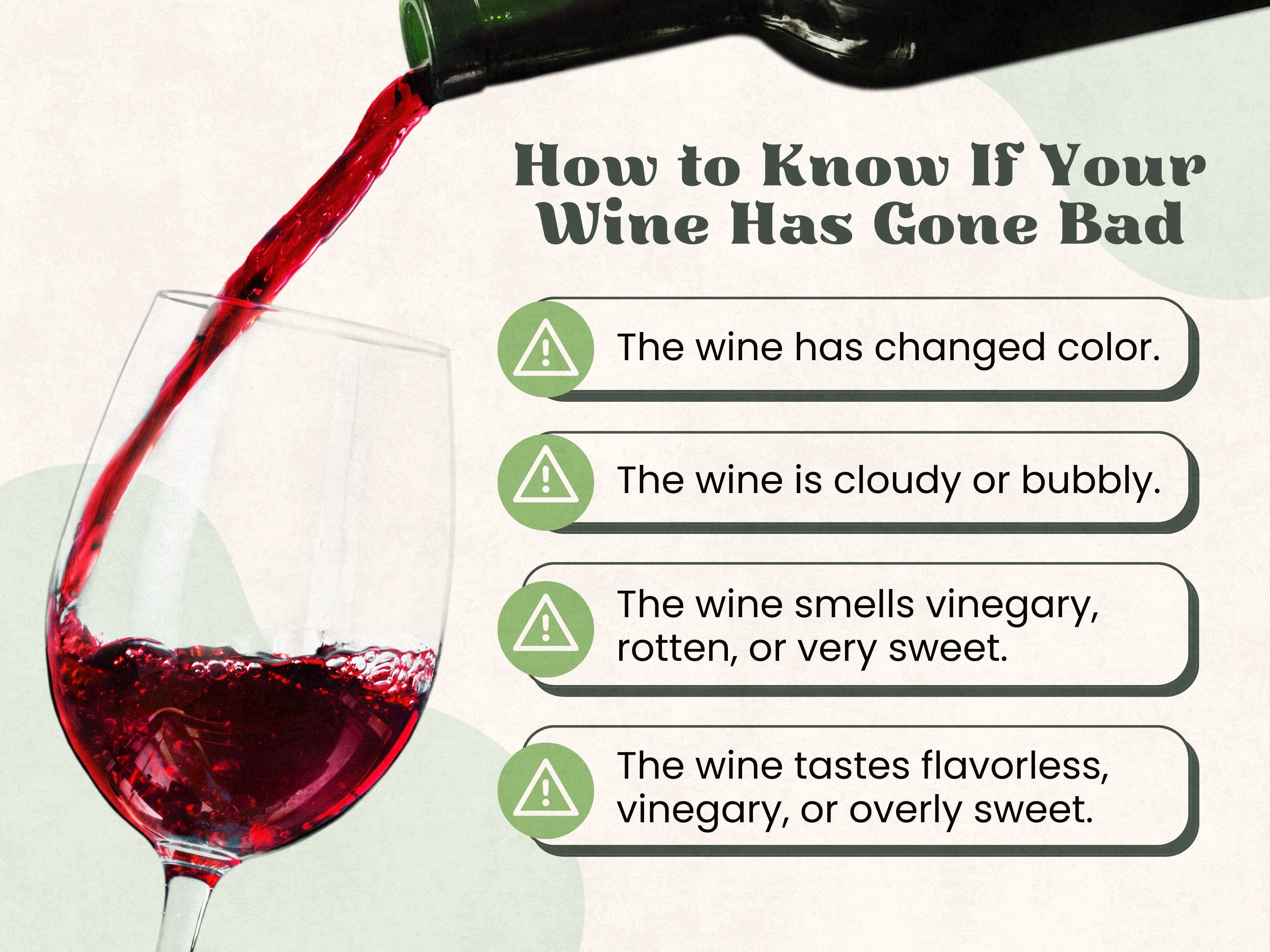
Quick Checklist: Signs Your Wine is Bad
- Smell: Wet cardboard, vinegar, rotten eggs, burnt rubber, mold, or cooked fruit.
- Color: Brown, dull, or much darker than expected.
- Taste: Flat, sour, harsh, vinegary, metallic, or strangely fizzy.
- Bottle condition: Leaking, pushed cork, sticky neck, or low fill.
- Texture: Unexpected bubbles, sliminess, or unusual cloudiness with bad odor.
- Storage history: Heat, sunlight, or being open too long.
Personal Experiences: Real-Life Lessons in Spotting Bad Wine
The first time many people encounter bad wine, they do not immediately think, “Ah, yes, volatile acidity with a possible oxidative overlay.” They think, “This tastes weird. Is it me?” That reaction is completely normal. Wine flaws can be subtle, and because wine already contains acidity, earthiness, tannin, and fermentation aromas, it is easy to second-guess yourself.
One common experience happens with a bottle opened after a party. It was recorked, placed on the counter, and forgotten for a week. At first glance, it may look fine. Then you pour a glass and notice the fruit has vanished. The aroma is sharp, the flavor is sour, and the finish feels thin. That is usually oxidation and possible acetic development. The wine is not asking to be paired with steak anymore. It is asking to retire.
Another classic situation is the “quietly corked” bottle. This is tricky because the wine may not smell aggressively moldy. Instead, it tastes strangely muted. A normally bright Cabernet may seem dull. A Chardonnay may have no fruit, no energy, and no charm. People sometimes blame themselves or assume the wine is overrated. But when a bottle smells like damp cardboard or a wet basement, cork taint is likely. Once you recognize that aroma, you never forget it. It is the wine world’s version of a bad plot twist.
Heat damage is another lesson many wine lovers learn the hard way. A bottle left in a hot car can look normal until opened. Then the cork may be slightly raised, the aroma may smell cooked, and the wine may taste heavy or stewed. Reds can seem like flat prune juice. Whites may taste tired and caramelized. The experience teaches one simple rule: wine belongs in the cabin with air conditioning, not in the trunk pretending to be luggage.
There is also the natural wine confusion. Some low-intervention wines can be cloudy, funky, lightly fizzy, or unusual on purpose. That does not automatically mean they are bad. The key is balance. If the wine smells fresh beneath the funk, tastes lively, and feels intentional, it may simply be a more rustic style. If it smells like vinegar, sewage, or a forgotten gym towel in July, the “natural” explanation has left the building.
A practical tasting habit helps: pour a small sample, smell it, wait a minute, and smell again. Some sulfur-like aromas blow off with air. Some wines open beautifully after a few minutes. But true faults usually remain or become more obvious. If a bad smell improves, the wine may be fine. If it grows louder, sharper, or more unpleasant, trust your senses.
The best experience-based advice is to compare. If possible, open another bottle of the same wine or taste a fresh glass at a restaurant. Side-by-side tasting makes flaws easier to identify. A corked bottle will seem muted next to a clean one. An oxidized bottle will taste tired next to a fresh one. Wine education often happens one “wait, that is not right” moment at a time.
Finally, do not feel embarrassed about rejecting bad wine. Everyone who drinks wine eventually meets a flawed bottle. It happens to inexpensive bottles, expensive bottles, famous producers, and humble Tuesday-night wines alike. The goal is not to become suspicious of every glass. The goal is to know when a wine is showing character and when it is waving a tiny white flag.
Conclusion
Knowing how to tell if wine is bad comes down to a simple sensory routine: inspect the bottle, look at the color, smell carefully, and taste only if the wine passes the first tests. Bad wine often reveals itself through musty cork taint, brown color, vinegar aromas, rotten egg smells, cooked flavors, unexpected bubbles, or a flat and lifeless palate.
Not every unusual wine is spoiled. Sediment can be normal. Some natural wines are cloudy. A little sulfur may blow off. Aged wines can develop savory, earthy, or nutty notes. But when multiple warning signs appear together, the bottle is probably flawed.
Store wine cool, dark, and stable. Refrigerate opened bottles, including reds. Recork quickly, use a stopper when possible, and drink most opened wines within a few days. Your reward is fresher, better-tasting wineand fewer moments where your glass smells like a haunted cardboard box.