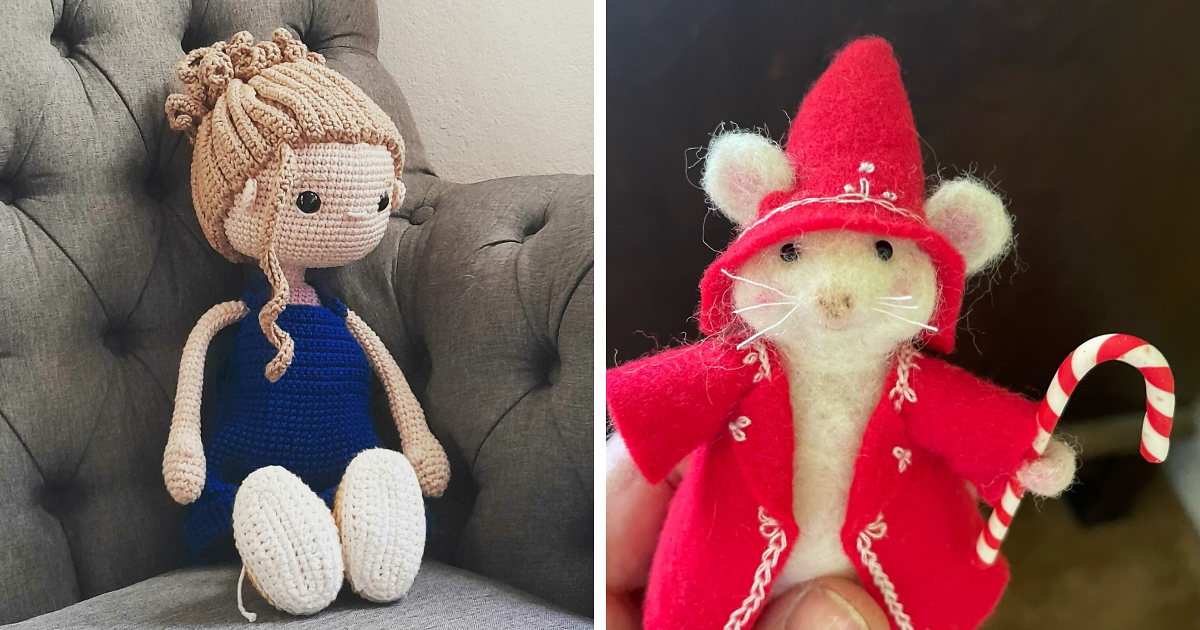
Hey Pandas, Share Something You Made That You Want To Get A Brutally Honest Opinion About

Everyone has made something they secretly want praised and publicly fear will be roasted like a marshmallow left unattended at a campfire. A painting, a poem, a cake shaped “kind of like a turtle,” a logo for a tiny business, a handmade bookshelf that leans with suspicious confidencecreative work is personal. Asking for a brutally honest opinion about it can feel like handing someone your diary and saying, “Please use a red pen.”
But here is the beautiful twist: honest feedback is one of the fastest ways to improve. When it is specific, respectful, and useful, critique can turn a “nice try” into a “wait, you made that?” moment. That is why prompts like “Hey Pandas, share something you made that you want to get a brutally honest opinion about” are so irresistible. They invite courage, community, curiosity, and the occasional internet goblin with surprisingly good design instincts.
This article explores why people crave brutally honest feedback, how to ask for it without accidentally summoning chaos, how to give critique without being a decorative cactus, and how makers can turn comments into better work.
Why We Want Brutally Honest Opinions
Most creators do not really want cruelty. They want clarity. “Brutally honest” usually means, “Please do not just tell me it is cute because you like me.” A friend saying “I love it!” is comforting, but it does not always help you fix the weird spacing on your poster, the weak ending of your short story, or the cake frosting that looks like it lost a bar fight.
Creative people often get trapped between two useless extremes: empty praise and harsh judgment. Empty praise feels good for twelve seconds, then leaves you wondering what to improve. Harsh judgment may contain a useful point, but it arrives wrapped in emotional sandpaper. The best feedback lives in the middle: honest enough to be useful, kind enough to be heard.
The Difference Between Critique and Being Mean
Critique focuses on the work. Meanness attacks the person. That difference matters more than people think. Saying “The color palette makes the text hard to read” is useful. Saying “Did you design this during a power outage?” is funny only if you are alone in your room and the lamp agrees with you.
A good critique answers three questions:
- What is working?
- What is confusing, weak, unfinished, or distracting?
- What specific change could make it better?
That framework works for almost anything: a drawing, an app interface, a handmade necklace, a woodworking project, a poem, a website, a recipe, or a cosplay costume held together by hope and hot glue.
Why Online Communities Love Creative Feedback Prompts
Online communities thrive on participation, and nothing gets people typing faster than a chance to give an opinion. Prompts about handmade projects, personal art, DIY experiments, and creative risks work because they combine vulnerability with curiosity. People want to see what others are making. They also want permission to react honestly.
The phrase “Hey Pandas” gives the prompt a casual, community-first tone. It feels less like a formal art school critique and more like gathering around a digital kitchen table where someone says, “Okay, be honestdoes this look intentional or like my glue gun attacked me?”
That informality lowers the barrier to entry. You do not need a fine arts degree to comment on whether a clay mug looks comfortable to hold. You do not need to be a professional editor to say a story’s opening paragraph grabbed you, but the ending felt rushed. Useful feedback often comes from regular people explaining how the work lands.
How to Ask for a Brutally Honest Opinion the Smart Way
If you simply post “Thoughts?” you may get anything from “nice” to “burn it and start again.” Better questions create better answers. A creator should guide the critique by explaining what they made, what they were trying to achieve, and what kind of feedback they need.
Give People Context
Context saves everyone time. Instead of posting, “I made this poster. Opinions?” try: “I made this poster for a local coffee pop-up. I wanted it to feel cozy, modern, and easy to read from across the room. Is the layout clear, and does the color choice work?”
Now people know what success looks like. They can respond with something more useful than “brown is a color.”
Ask Specific Questions
Specific questions invite specific critique. Try prompts like:
- “Is the main idea clear?”
- “Does this look finished or still rough?”
- “Which part feels weakest?”
- “Would you buy this? Why or why not?”
- “Does the design feel original or too familiar?”
- “What would you change first?”
These questions make it easier for commenters to help rather than simply react. They also prevent the dreaded “I don’t know, something feels off” response, which is technically feedback but emotionally equivalent to fog.
Say How Honest You Want People to Be
“Brutally honest” can mean different things. Some people want a professional-level breakdown. Others want gentle but direct guidance. Say what you can handle. For example: “Please be honest, but I’m new to this, so practical suggestions would help more than jokes.” That sentence is a tiny shield. Use it.
How to Give Brutally Honest Feedback Without Being a Menace
The internet has enough people treating comment sections like competitive insult arenas. Good feedback should improve the work and preserve the creator’s willingness to keep making things. That does not mean sugarcoating everything. It means being clear, useful, and human.
Start With What Works
Pointing out strengths is not fake kindness. It helps the creator understand what to keep. Maybe the colors are strong, the joke lands, the carving has personality, or the first paragraph has a great hook. Knowing what works prevents people from “fixing” the best part by accident.
Be Direct About the Weakness
After naming what works, address the biggest issue. Do not list every microscopic flaw like you are auditing a spaceship before launch. Focus on the changes that would make the biggest improvement. “The composition is interesting, but the focal point gets lost because all the elements have the same visual weight” is far more helpful than “It’s messy.”
Offer a Possible Fix
Criticism without direction can leave the creator stuck. A fix does not have to be perfect. Even a simple suggestion gives the maker something to test: “Try increasing the contrast,” “Cut the first paragraph,” “Use a thinner chain,” “Move the logo higher,” or “Bake the crust a little longer unless your target audience is raccoons.”
What Kinds of Things People Might Share
A prompt like this can attract nearly every corner of creativity. Some people share polished work and secretly hope everyone claps. Others share chaotic experiments and already know the glue is visible. Both belong.
Art and Illustration
Artists may post sketches, digital paintings, comics, character designs, tattoos, murals, or handmade cards. Useful critique might cover anatomy, lighting, composition, color harmony, storytelling, or whether the character’s hands look like emotional spaghetti.
Writing and Poetry
Writers may share short stories, poems, opening lines, captions, essays, or dialogue scenes. Feedback can focus on clarity, pacing, tone, originality, emotional impact, and whether the ending feels earned or dropped from a helicopter.
DIY and Crafts
DIY makers might share furniture, jewelry, pottery, sewing projects, cosplay, home decor, or upcycled objects. Strong feedback may address durability, finish quality, proportions, practicality, and whether the object looks intentionally rustic or accidentally haunted.
Food and Baking
Food creators often ask about presentation, plating, texture, decoration, or recipe ideas. Sometimes the cake is adorable. Sometimes the cake looks like it heard bad news. Either way, a good comment explains how to improve the next version.
Business and Product Ideas
Some creators share logos, product packaging, Etsy shop photos, brand names, websites, or handmade products they hope to sell. Honest feedback becomes especially valuable here because buyers judge quickly. A blurry product photo, confusing description, or awkward logo can quietly scare away customers like a haunted checkout button.
How to Handle Criticism Without Melting Into the Floor
Receiving critique is a skill. It is not always comfortable, especially when you care deeply about what you made. The first rule is simple: pause before reacting. Your first emotional response may be “How dare they?” Your second response, after breathing, may be “Annoyingly, they have a point.”
Separate your identity from the work. A weak painting does not make you a weak person. A confusing poem does not mean you are bad at language. A wobbly shelf does not mean you are forbidden from entering hardware stores. It means this version needs work.
Look for patterns. One random comment may be personal taste. Five people noticing the same issue is a signal. If several readers say your story starts slowly, the opening probably needs tightening. If multiple people say your handmade earrings look beautiful but heavy, your next prototype may need lighter materials.
When “Brutally Honest” Goes Too Far
There is a line between honesty and humiliation. Feedback becomes harmful when it mocks, insults, exaggerates, or treats the creator as foolish for trying. Nobody improves because a stranger called their painting “trash with ambition.” They improve when someone says, “The idea is strong, but the values are too similar, so the subject blends into the background.”
Communities work best when they set expectations: be honest, be specific, be respectful, and remember there is a human being on the other side of the upload button. A comment can be sharp without being cruel. Think scalpel, not lawn mower.
Turning Feedback Into Action
After receiving comments, do not try to fix everything at once. That is how creative projects become soup. Sort feedback into three categories:
- Must fix: Issues that block clarity, usability, quality, or the main goal.
- Worth testing: Suggestions that might improve the work but need experimentation.
- Personal taste: Opinions that are valid but do not match your intention.
This keeps you from obeying every comment. The internet is full of confident people who would redesign a stop sign into cursive beige if given the chance. Listen carefully, but keep ownership of your work.
Examples of Better Feedback
Instead of saying, “The logo is bad,” say, “The idea is memorable, but the thin script font may be hard to read at small sizes. I’d test a cleaner typeface and simplify the icon.”
Instead of saying, “This poem is boring,” say, “The emotion is clear, but many lines use familiar phrases. The strongest part is the image of the empty kitchen. I’d build more original details around that.”
Instead of saying, “I wouldn’t buy this,” say, “The product looks useful, but the photo does not show scale or texture clearly. I’d add one image of it being used and one close-up shot.”
See the difference? Honest. Useful. Not wrapped in emotional barbed wire.
The Strange Gift of Letting People Judge Your Work
Sharing something you made is brave because it turns private effort into public evidence. Suddenly, the thing that lived safely on your desk, in your notebook, on your hard drive, or under three layers of craft supplies is out in the world being perceived. Terrifying? Yes. Necessary? Also yes.
Creative growth requires exposure to other eyes. You cannot always see the weak spot because you were there for every decision. You remember why you chose the color, why you kept the extra paragraph, why the chair leg is “a little artistic.” Fresh viewers do not carry that history. They see the result. That can be painful, but it is incredibly useful.
Experience: What It Feels Like to Ask for Brutally Honest Feedback
Imagine spending two weekends making a handmade lamp. You cut the wood, sand it, stain it, assemble the shade, and finally plug it in. It glows. It stands. It does not catch fire, which already feels like a personal victory. You take photos from seven angles, choose the least chaotic background, and post it with the caption: “Hey Pandas, I made this lamp. Please be brutally honestwould you put this in your home?”
The first comment says, “I love the warm wood tone.” You relax. The second says, “The base looks too chunky for the shade.” You stop relaxing. The third says, “It has cozy cabin energy, but the cord placement makes it look unfinished.” You stare at the cord. You had not noticed the cord. Now the cord is all you can see. It has become the main character.
At first, the feedback stings. You want to explain that the base had to be chunky because of the materials you had. You want to defend the cord because it was late, and the hardware store was closed, and destiny was being difficult. But after a few minutes, the comments start becoming less personal and more practical. The wood tone works. The proportions need adjustment. The cord needs a cleaner solution. That is not failure. That is a revision plan.
The next version is better. You make the base narrower. You hide the cord through the back. You choose a shade that balances the shape. Suddenly, the lamp looks less like a brave garage experiment and more like something people might actually buy. The original feedback did not destroy the project. It helped reveal the path forward.
The same thing happens with writing. You may share a short story and ask for honest opinions. Someone says the opening is strong, but the middle drags. Another reader says the main character’s motivation is unclear. A third admits they skipped a paragraph. Ouch. Nobody wants to hear that a paragraph they lovingly polished has the energy of a waiting room magazine from 2009. But if multiple readers stumble in the same place, that is valuable information.
In crafting, design, baking, art, and writing, feedback often feels personal because making things is personal. You are not just sharing an object. You are sharing taste, effort, time, imagination, and a tiny piece of your weird human brain. That is why good communities matter. The best feedback spaces make room for honesty without turning vulnerability into target practice.
Over time, asking for critique becomes less frightening. You learn that one negative comment is not a verdict. You learn that praise is nice, but useful suggestions are gold. You learn that your first version is allowed to be awkward. In fact, most good things begin awkwardly. A rough draft, a crooked prototype, a lumpy cake, a song with one suspicious chordthese are not embarrassments. They are evidence that you started.
So if you made something and want a brutally honest opinion, share it with intention. Tell people what you were trying to do. Ask specific questions. Listen for patterns. Thank the people who take the time to help. Ignore the ones who think cruelty is a personality. Then revise, remake, repaint, rewrite, rebake, rebuild, and repost.
The world does not need more perfect creators hiding unfinished work in folders named “final_FINAL_reallyfinal2.” It needs more people brave enough to make things, share them, learn from feedback, and try again. Preferably with fewer visible glue strings, but we all have a journey.
Conclusion
“Hey Pandas, share something you made that you want to get a brutally honest opinion about” is more than a fun community prompt. It is an invitation to practice courage. It asks creators to step out from behind private effort and let real people respond. When handled well, brutally honest feedback can sharpen ideas, improve craftsmanship, strengthen writing, refine design, and build better creative confidence.
The secret is balance. Ask clearly. Critique kindly. Be honest without being cruel. Receive comments without surrendering your creative judgment. Whether you made a painting, poem, handmade table, logo, cake, costume, website, or slightly suspicious birdhouse, the right feedback can help your next version become stronger.
Note: This article is written for web publishing in standard American English and is based on synthesized guidance from reputable sources on constructive criticism, peer review, design critique, creative communities, and maker feedback culture.