
Editorial note: This article synthesizes current kitchen-design, faucet-manufacturer, appliance-placement, plumbing-safety, and home-improvement cost guidance from reputable U.S. sources.
The Little Faucet That Makes a Kitchen Feel Smarter
A pot filler faucet is one of those kitchen features that sounds a bit extra until the first time you use one. Then, suddenly, carrying a sloshing stockpot from the sink to the stove feels like something our ancestors did while wearing wool undergarments and pretending it was fine.
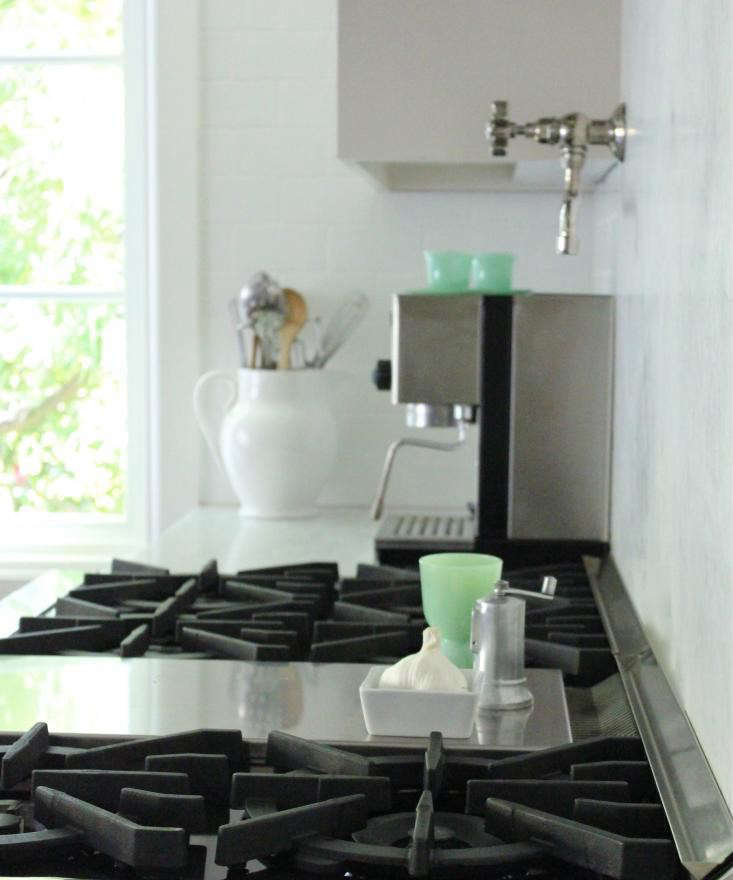
Installed above or near the range, a pot filler faucet lets you fill a pot directly on the cooktop. It usually has a folding or swinging arm, so it can reach over multiple burners and then tuck neatly back against the backsplash when not in use. Some people call it a pasta faucet, which is charmingly honest because, yes, it is excellent for pasta night. But its usefulness goes far beyond spaghetti.
For home cooks who make soups, stews, stocks, oatmeal, rice, beans, seafood boils, canning batches, or weeknight mac and cheese for people who somehow become hungry again every three hours, a pot filler can be a surprisingly practical upgrade. Kohler describes pot fillers as a chef-inspired way to avoid carrying heavy, water-filled pots across the kitchen, while Delta notes that pot fillers can offer faster filling and added convenience as a secondary water source.
What Is a Pot Filler Faucet?
A pot filler faucet is a secondary kitchen faucet, typically mounted on the wall behind the range or cooktop. Unlike your main sink faucet, it usually supplies cold water only and does not have a basin or drain beneath it. That last detail matters, and we will discuss it like responsible adults in a moment.
The classic design uses a double-jointed swing arm. You pull it out over the burner, position the spout above the pot, turn on the water, and fill the pot where it will be heated. Then you fold the faucet back against the wall. The look can be traditional, modern, industrial, farmhouse, transitional, or so sleek it makes your toaster feel underdressed.
Better Homes & Gardens describes pot fillers as single-temperature faucets installed above the stove, often with an extendable arm that folds back when not in use. The Spruce similarly explains that pot fillers are secondary faucets mounted near the cooktop and valued for filling large pots without moving them from the sink.
Why Your Kitchen Needs a Pot Filler Faucet
1. It Saves Your Back, Arms, and Patience
A gallon of water weighs more than eight pounds. A big stockpot can hold several gallons. Add the pot itself, plus the awkward handle angle, plus a dog standing exactly where your foot needs to go, and you have the makings of a domestic obstacle course.
A pot filler faucet reduces the need to carry heavy water from the sink to the stove. That is not just convenient; it can be meaningful for anyone with wrist pain, back strain, shoulder issues, limited mobility, or a strong desire not to mop the floor before dinner.
It also helps during big cooking sessions. Thanksgiving potatoes, Sunday broth, seafood boils, chili for a crowd, and preserving projects all become less clumsy when the water starts where the cooking happens.
2. It Improves Kitchen Workflow
Good kitchen design is not only about pretty tile and cabinet hardware that has a name like “aged champagne brass.” It is about movement. The fewer unnecessary steps you take, the better the kitchen works.
A pot filler creates a mini water station at the range. While one person rinses vegetables at the sink, another can fill a pasta pot at the stove. During busy cooking, that separation matters. It helps prevent the classic kitchen traffic jam where one person needs water, one person needs the sink, and one person is standing in front of the dishwasher asking where the measuring cups live.
Pot fillers are especially useful in larger kitchens where the sink and stove are not close together. In a compact kitchen with the sink two steps away, the benefit may be smaller. In a roomy kitchen, however, a pot filler can feel less like a luxury and more like common sense wearing a nice finish.
3. It Fills Large Pots Faster
Many pot filler faucets are designed for strong water flow. Delta states that a pot filler can flow at about four gallons per minute, which is more than double the rate of many traditional sink faucets. That speed matters when you are filling a large pot and already have onions sweating, garlic threatening to burn, and someone asking, “Is dinner ready?”
Faster filling does not make water boil instantly, but it does remove one small bottleneck from the cooking process. In real kitchens, small bottlenecks add up. A pot filler saves a minute here, a spill there, a sigh somewhere near the refrigerator.
4. It Adds a Professional Kitchen Feel
There is no denying the visual appeal. A pot filler faucet gives the range wall a finished, intentional look. It says, “Cooking happens here,” even if dinner tonight is boxed pasta and optimism.
Design retailers and manufacturers frequently position pot fillers as part of the professional-style kitchen trend. Lowe’s notes that pot filler faucets are gaining momentum in American luxury kitchens, while Kohler describes them as a professional, chef-inspired feature.
The finish matters. Polished chrome looks classic and bright. Brushed nickel is quiet and versatile. Matte black adds contrast. Brass or gold tones bring warmth. Oil-rubbed bronze leans traditional. Matching the pot filler to cabinet hardware, range knobs, or the main kitchen faucet can make the whole room feel pulled together.
Where a Pot Filler Makes the Most Sense
A pot filler faucet is not automatically necessary in every kitchen. It is most useful when the household cooks often, uses large pots, has a range far from the sink, or wants a high-functioning kitchen with a custom feel.
It makes excellent sense if you regularly cook pasta, boil potatoes, make soup, simmer stock, prepare beans, steam seafood, brew large batches of tea, fill canning pots, or cook for a family. It also makes sense in new builds and major remodels, because running the water line is easier before the wall and backsplash are finished.
It may be less essential if your kitchen is tiny, your sink is right next to the stove, your cooking style is mostly sheet-pan dinners, or your renovation budget is already making dramatic opera noises. A pot filler is useful, but it should not come before sturdy cabinetry, safe electrical work, quality ventilation, or a dependable main faucet.
The Honest Drawbacks: Let’s Not Pretend Water Has Never Misbehaved
No Drain Means More Responsibility
The main caution with a pot filler is simple: there is no sink beneath it. If it leaks, drips, or gets bumped on without a pot underneath, water can land on the range, backsplash, floor, or cabinetry. Delta lists lack of drainage as a key downside, and federal rulemaking language has also noted that pot fillers are often installed above locations without drains.
This is why many quality pot fillers include dual shut-off valves: one near the wall and one near the spout. The idea is that both valves must be open for water to flow, reducing the chance of accidental activation. The U.S. Department of Energy has specifically noted that two shut-off valves can reduce the chance of accidentally turning on a pot filler where there is no vessel underneath.
Installation Can Be Expensive
The faucet itself may cost a few hundred dollars or more, depending on brand, finish, construction, and style. The bigger expense is usually plumbing. If there is already a water line in the right wall, installation can be straightforward. If not, the project may involve opening walls, routing pipe, repairing drywall, replacing backsplash tile, and hiring a licensed plumber.
Angi’s 2026 cost guide estimates professional pot filler installation commonly ranges from about $975 to $3,000 when plumbing rerouting and wall work are involved. Lowe’s also notes that the fixture plus installation can run from several hundred dollars to over a thousand dollars.
It Needs Cleaning
A faucet above the stove lives in the splash zone. Grease, steam, sauce, and airborne cooking residue can collect on the arm and handle. If you fry bacon under it every Saturday, the pot filler will know. It may not gossip, but it will need wiping.
Choose a finish and shape you are willing to maintain. Smooth designs are easier to clean than ornate ones. A microfiber cloth and mild cleaner are usually enough, but always follow the manufacturer’s care instructions. Abrasive scrubbers can damage specialty finishes faster than you can say, “Why is my brushed brass suddenly sad?”
Installation Planning: Where Should a Pot Filler Go?
Placement is everything. A pot filler should be high enough to clear your tallest pot, but not so high that water splashes like a tiny kitchen waterfall. It should also reach the burners you actually use most often.
Sub-Zero, Wolf, and Cove advise placing a pot filler high enough to fill the largest pot and positioning it to the right or left of the cooking surface to avoid reaching over hot burners. This is practical advice: the prettiest faucet in the world is not worth a forearm sauna.
Before installation, place your largest pot on the cooktop. Open the hood or check the underside of cabinets. Measure the available backsplash height. Confirm the faucet arm can fold flat without hitting shelves, trim, tile accents, or a decorative range hood. Also check whether your range has rear controls, because a faucet mounted too low can interfere with knobs or displays.
Wall-Mount vs. Deck-Mount Pot Fillers
Most pot fillers are wall-mounted above the range, but deck-mounted models exist. Wall-mounted designs are popular because they save counter space and create a clean range-wall focal point. Deck-mounted pot fillers may work better in certain island cooktop layouts or commercial-style setups, but they require careful planning to avoid clutter and awkward reach.
For most residential kitchens, a wall-mounted double-jointed pot filler is the standard choice. It offers reach, flexibility, and that satisfying fold-back motion that makes you feel briefly like you are operating a tiny culinary crane.
How to Choose the Right Pot Filler Faucet
Look for Dual Shut-Off Valves
Because a pot filler has no drain below it, dual shut-off valves are a smart feature. One valve at the wall and another at the spout provide extra control. After filling the pot, close both. Make that a habit, like turning off the oven or pretending you will label leftovers before putting them in the fridge.
Match the Finish Thoughtfully
Your pot filler does not need to match every metal in the kitchen, but it should look intentional. If your cabinet pulls are matte black and your range has stainless accents, a matte black or stainless pot filler can work beautifully. If you have warm wood cabinets and creamy stone, brass may add richness. The goal is harmony, not a faucet that looks like it wandered in from another zip code.
Choose Quality Construction
Solid brass construction, ceramic disc valves, smooth joints, and a reputable brand are worth considering. Pot fillers move frequently, so the joints need to feel stable. Handles should turn cleanly. The spout should not droop, wobble, or behave like it has lost confidence.
Think About Reach
A pot filler should reach the burners you use for large pots. If the arm is too short, it becomes a decorative wall faucet with commitment issues. Measure your cooktop width and burner layout before buying.
Is a Pot Filler Worth It?
The answer depends on your cooking habits and renovation timing. If you rarely boil water and your sink is beside the stove, you may not need one. If you cook often, entertain, meal prep, or have a large kitchen, a pot filler can be a daily pleasure.
It is also a strong “while you are already remodeling” feature. Adding one during new construction or a major kitchen renovation is usually easier than retrofitting it later. Once the backsplash is installed, changing your mind can mean dust, tile repairs, plumbing labor, and a conversation with your budget that neither of you enjoys.
Think of it this way: a pot filler is not essential like a sink, range, or refrigerator. It is not the kitchen’s heartbeat. It is more like a very useful extra hand. And in a room where timing, movement, heat, water, and hungry humans all collide, an extra hand is not a bad thing.
Domestic Dispatches: Real-Life Experiences With a Pot Filler Faucet
The first week with a pot filler faucet tends to produce the same reaction: “Oh. I get it now.” Before using one, many homeowners assume it is mostly for show. After using it, they begin finding reasons to fill things at the stove. Pasta water is the obvious gateway. Then come soup pots, corn-on-the-cob nights, stock simmering on a rainy Sunday, and the enormous pot used once a year for holiday mashed potatoes.
In a busy kitchen, the pot filler changes the rhythm. Instead of filling a heavy pot in the sink, lifting it carefully, pivoting around a cabinet corner, and praying the dog has not chosen that exact second to become a speed bump, you place the empty pot on the burner and bring the water to it. It feels small, but it removes one awkward step from a task people do over and over.
The benefit becomes especially clear when cooking for guests. Imagine making a large seafood boil. The pot is huge, the sink is full of prep bowls, someone has put a cutting board where the pot needs to go, and your counter looks like a farmers market sneezed. With a pot filler, the big pot stays on the cooktop. You swing out the arm, fill it, and keep moving. No sloshing. No “everyone clear a path.” No dramatic water trail across the floor.
Parents often appreciate the faucet for another reason: multitasking. A pot can fill while vegetables are being rinsed at the sink or dishes are being loaded nearby. Of course, you should never walk away and forget the water is running. A pot filler is convenient, not psychic. But when used with attention, it makes dinner prep feel less like a relay race.
There are also design experiences worth mentioning. A pot filler can become the jewelry of the range wall. In a white kitchen, a brass faucet above the stove adds warmth. In a moody kitchen with dark tile, a polished nickel or chrome pot filler can catch the light. In a modern kitchen, matte black can create a crisp architectural line. The fixture is small, but because it sits at eye level above the cooking zone, it gets noticed.
Maintenance is the less glamorous part of the story. A pot filler above the stove will collect grease film faster than a faucet at the sink. The good news is that regular wiping prevents most buildup. The bad news is that if you ignore it for months, the faucet will begin to look like it has been working the night shift at a diner. Smooth, simple designs are easier to keep clean, which matters more than people think when choosing between “elegant” and “elaborate enough to trap marinara.”
The strongest experience-based advice is to plan carefully before installation. Use your tallest pot. Test where your arm naturally reaches. Consider whether the faucet should be centered or offset. Centered placement often looks balanced, but offset placement may be safer if it keeps your hand away from hot burners. Also check the hood height and backsplash layout. A beautiful tile mural is lovely until the faucet lands exactly on a bird’s face.
Finally, get into the habit of closing both valves after every use. This is not optional kitchen theater; it is smart ownership. A pot filler is a water source above a place with no drain. Treat it with respect and it will reward you with convenience, style, and fewer heavy-pot walks across the kitchen.
Conclusion: A Small Upgrade With Big Kitchen Energy
A pot filler faucet is not just a shiny accessory for people who alphabetize their spice jars. It is a practical, ergonomic, workflow-friendly kitchen upgrade that makes the cooking zone more efficient. It helps reduce lifting, speeds up large-pot prep, adds a polished design feature, and supports the way many American households actually cook: in batches, under time pressure, and with at least one person asking what smells good.
Still, it should be chosen thoughtfully. The best pot filler faucet has quality construction, sufficient reach, dual shut-off valves, a finish that suits the kitchen, and placement that works with your largest pot and cooking habits. Installed well and used responsibly, it can make your kitchen feel more custom, more capable, and just a little more delightful.
Is it mandatory? No. Is it wonderful when it fits your kitchen and lifestyle? Absolutely. A pot filler faucet is the kind of upgrade that quietly earns its place, one pot of pasta, soup, stock, or holiday potatoes at a time.