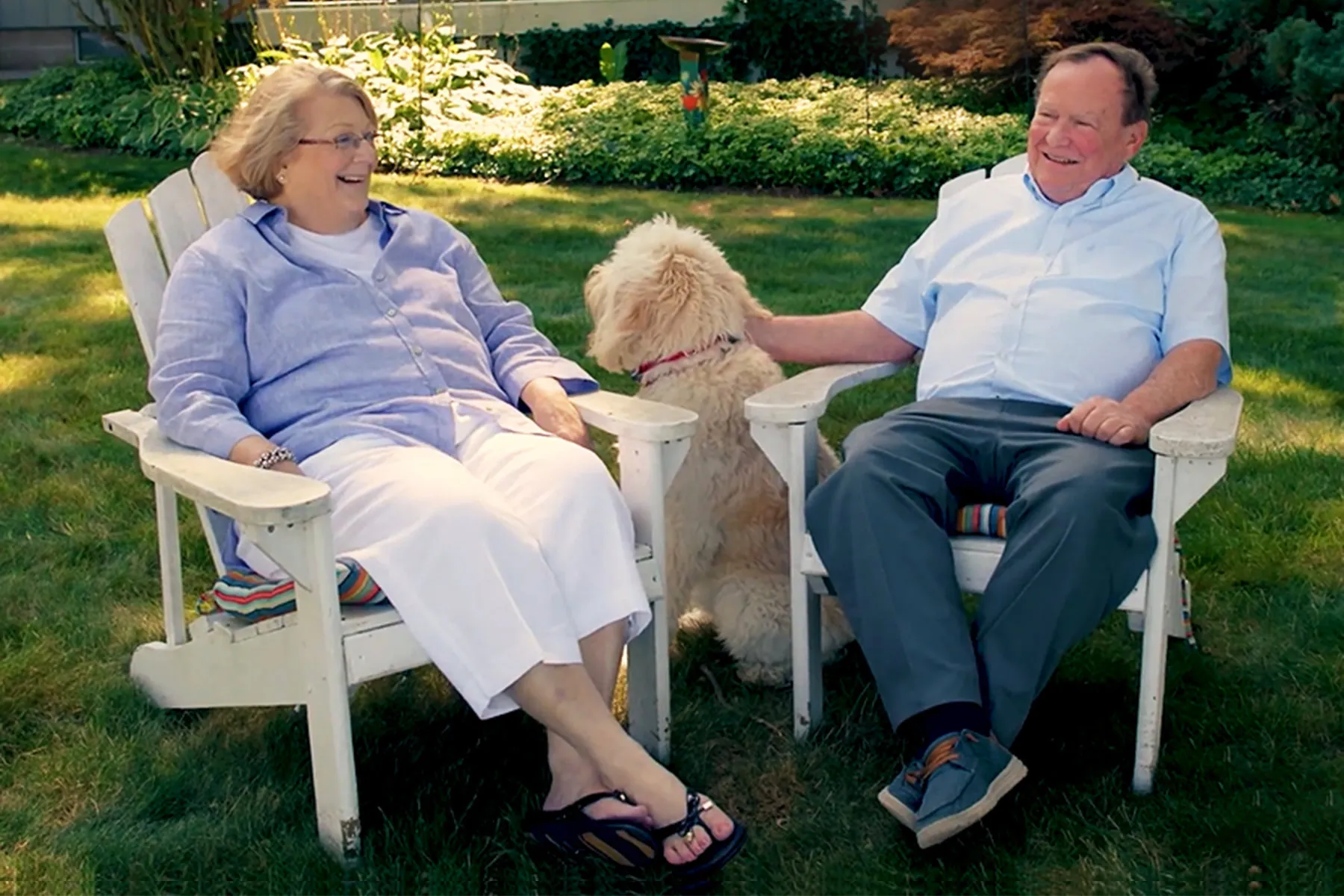

Caregiving for someone with inoperable lung cancer is not a job anyone auditions for. One day you are discussing groceries, laundry, and whether the tomatoes in the fridge are still technically alive, and the next day you are learning oncology terms you never wanted in your vocabulary. It is exhausting, emotional, practical, and deeply personal all at once. It can also be loving in a way that feels almost architectural: you are building a life around treatment schedules, symptom changes, difficult conversations, and tiny moments of relief.
If someone you love has been told their lung cancer is inoperable, that usually means surgery is not the best or safest option. It does not automatically mean there is nothing left to do. Many people still receive treatment to slow the disease, ease symptoms, improve comfort, and protect quality of life. As a caregiver, your role is not to become a doctor with a coffee dependency. Your role is to help the person you love feel supported, heard, organized, and less alone while staying connected to the medical team.
This guide walks through what caregivers actually need: what to focus on first, how to manage day-to-day life, when to ask for more help, and how to keep yourself from turning into a sleep-deprived human pretzel.
What “Inoperable” Really Means for Caregivers
When doctors say a lung cancer is inoperable, they may mean the tumor is too advanced, is in a location that makes surgery unsafe, or that the patient’s overall health makes an operation too risky. That medical decision belongs to the oncology team. Your caregiving challenge is different: learning how to support treatment goals while making daily life more manageable.
In practical terms, caregiving often centers on four big areas:
- Symptom management: tracking pain, breathing changes, fatigue, appetite, nausea, sleep issues, and side effects.
- Care coordination: helping with appointments, medications, transportation, and communication with clinicians.
- Emotional support: creating room for fear, hope, frustration, and normal conversation that is not always about cancer.
- Planning ahead: discussing preferences for care, home support, finances, and when more intensive support may be needed.
The key is not perfection. It is consistency. Lung cancer caregiving is usually a long game made up of short, imperfect days.
What to Do in the First Few Weeks
1. Build a Caregiving Command Center
No, it does not need blinking lights or a dramatic movie soundtrack. A notebook, binder, shared phone note, or simple spreadsheet works just fine. Keep these basics in one place:
- Names and phone numbers for the oncologist, nurse line, palliative care team, pharmacy, and emergency contacts
- A current medication list with doses, timing, and side effects
- Appointment dates and scan results
- Questions for the next visit
- Insurance details and refill information
- A symptom log
This one habit can save a shocking amount of stress. It also helps if another family member needs to step in. Caregiving should not depend on one person having all the information stored in a tired brain at 11:47 p.m.
2. Ask About Goals of Care Early
Caregivers often feel they need to choose between “fighting” and “comfort.” Real life is usually much messier and much more nuanced. Ask the care team questions like:
- What is the main goal of treatment right now?
- What symptoms should we expect from the cancer?
- What side effects should we expect from treatment?
- What changes mean we should call right away?
- What would better quality of life look like for this patient?
These questions do not take hope away. They make hope more specific and more useful.
3. Get Palliative Care Involved Early
Palliative care is often misunderstood. It is not “giving up.” It is specialized support for symptom relief, decision-making, emotional well-being, and quality of life. For a person with inoperable lung cancer, that can be a game changer. Palliative care teams may help manage shortness of breath, pain, fatigue, nausea, sleep issues, anxiety, depression, and family stress.
Think of palliative care as an extra layer of support, not a white flag. Good caregivers ask for more tools, not fewer.
Day-to-Day Caregiving at Home
Helping With Shortness of Breath
Breathing problems are one of the most stressful parts of lung cancer caregiving. It is scary for the patient, and it is scary for the person watching it happen. A few practical steps can help:
- Keep prescribed oxygen, inhalers, or medications easy to access and use exactly as instructed.
- Encourage calm pacing during activity, with frequent rest breaks.
- Use pillows to support a more upright position if lying flat makes breathing harder.
- Reduce strong smells, smoke, and other irritants in the home.
- Keep a small fan or cool airflow nearby if the care team says that is appropriate.
Most important: know the red flags. If breathing suddenly worsens, comes with chest pain, fever, blue lips, confusion, or severe distress, contact the medical team or emergency services right away.
Managing Fatigue Without Starting a Family Argument
Cancer fatigue is not ordinary tiredness. It is not fixed by one great nap and a motivational speech. The person may look “fine” in the morning and feel flattened by afternoon. Instead of pushing for normal routines, help them conserve energy for what matters most.
- Plan important tasks for the time of day they usually feel best.
- Break activities into small steps.
- Use chairs in the shower, kitchen, or hallway if standing is hard.
- Accept shortcuts: delivery meals, paper plates, or fewer social obligations.
This is not laziness. This is strategy.
Food, Hydration, and the End of the “Just Eat More” Lecture
Loss of appetite is common in advanced cancer and during treatment. Caregivers often panic and become kitchen evangelists, presenting food every 20 minutes like hopeful game-show hosts. Usually, a gentler approach works better.
- Offer small meals and snacks instead of large plates.
- Focus on calorie-dense, high-protein foods if tolerated.
- Keep favorite foods around, even if the menu becomes strangely specific.
- Ask whether a dietitian is available through the cancer center.
- Track patterns: what tastes okay, what causes nausea, and what is easiest to swallow.
Aim for nourishment, not victory. Mealtime should not feel like a courtroom cross-examination.
Medication and Appointment Management
One of the most practical things a caregiver can do is reduce friction. Use pill organizers if approved by the pharmacist, set alarms for medications, and keep a current list of everything being taken, including over-the-counter products and supplements. Bring that list to appointments.
It also helps to attend visits when possible. A caregiver may catch details the patient misses, especially when fatigue, fear, or information overload kicks in. Before each appointment, write down the top three questions. Afterward, write down the answers in plain English. “Scan stable” is a useful note. “Doctor said some complicated thing involving progression and line of therapy and I blacked out halfway through” is less useful, though admittedly relatable.
Emotional Support That Actually Helps
Do Not Force Positivity
People with serious illness do not need a full-time motivational poster. They need honesty, presence, and room to feel what they feel. Some days your loved one may want to talk about treatment. Other days they may want to complain about the weather, watch old sitcoms, or ignore the entire concept of bravery.
Better phrases include:
- “I’m here with you.”
- “That sounds really hard.”
- “Do you want advice, distraction, or just company?”
- “We can take this one step at a time.”
Good caregiving is less about saying the perfect thing and more about not disappearing when things get real.
Protect Independence Where You Can
Serious illness can strip away privacy, control, and confidence. Let the person make choices whenever possible. Ask instead of assuming. Offer help instead of taking over everything like an overly efficient tornado.
Even small choices matter: what shirt to wear, when to shower, which friend to call back, whether they want quiet or company. Preserving dignity is part of care.
Practical Planning No One Loves but Everyone Needs
Advance Care Planning
This topic is uncomfortable, yes. It is also loving. Advance care planning can include naming a healthcare proxy, discussing treatment preferences, completing advance directives, and making wishes known before a crisis happens. These conversations are easier before everyone is exhausted and frightened in an emergency room.
You do not need to solve everything in one talk. Start simple:
- Who should make medical decisions if the patient cannot?
- What matters most right now: more time, more comfort, staying home, mental clarity, symptom relief?
- What kinds of interventions would feel acceptable or unacceptable?
Work, Money, and Logistics
Cancer has a nasty side hobby: paperwork. Caregivers often end up dealing with insurance calls, leave from work, transportation, meal support, pharmacy issues, and bills. Ask to speak with a social worker, patient navigator, or financial counselor through the cancer center. These professionals exist for a reason, and the reason is that no family should have to decode everything alone.
When Home Care or Hospice Might Help
As needs increase, extra support may become necessary. Home care, home health services, palliative care, and hospice all serve different roles. Hospice is generally considered when the focus shifts fully to comfort in the last phase of illness. It can provide symptom support, equipment, caregiver guidance, and emotional and spiritual care.
Many families wait too long because the word “hospice” feels scary. In reality, earlier support often means more comfort, less chaos, and more help for the caregiver.
How Caregivers Burn Out and What to Do About It
Caregiver stress can creep up quietly. At first you are “managing.” Then you are eating crackers over the sink at midnight, forgetting your own appointments, and feeling irrationally angry at a printer. This is not a character flaw. It is overload.
Signs You Need Backup
- You are constantly exhausted or not sleeping well.
- You feel resentful, numb, or hopeless.
- You cannot focus or remember basic tasks.
- You are skipping your own medical care.
- You have no breaks and no plan for rest.
Try building a care circle. Ask family and friends for specific help, not vague offers. “Can you help sometime?” gets weak results. “Can you drive on Tuesdays, pick up prescriptions on Fridays, or sit with Dad for two hours Saturday?” gets action.
Support groups, counseling, respite care, and check-ins with friends are not luxuries. They are maintenance. A caregiver running on fumes cannot provide steady care for long.
When to Call the Medical Team Right Away
Every patient gets individualized instructions, so follow those first. In general, caregivers should contact the care team promptly for:
- New or worsening shortness of breath
- Chest pain
- Confusion, agitation, or major changes in alertness
- Fever or signs of infection
- Uncontrolled pain
- Repeated vomiting or inability to keep down fluids or medicines
- A sudden drop in function, severe weakness, or falls
Trust your instincts, but pair them with medical guidance. If something feels off, it is worth calling. Caregiving is not a contest in waiting things out.
Real-World Caregiving Experiences: What This Often Feels Like
Caregiving for someone with inoperable lung cancer is rarely one dramatic movie scene. It is usually a hundred ordinary moments stitched together by worry, tenderness, and repetition. Many caregivers describe the early period as a blur of information and adrenaline. They learn the diagnosis, meet specialists, hear terms like staging, biomarkers, radiation, infusion, palliative care, and progression, and somehow still have to remember whether the parking meter was paid. The world has changed, but the grocery list is still sitting on the counter. That mismatch can feel surreal.
Spouses often talk about becoming both partner and coordinator. They are still the person who knows how their loved one takes coffee, but now they also know the refill schedule for anti-nausea medication. Adult children often describe a role reversal that hits hard. The parent who used to reassure everyone else now needs help keeping track of appointments, eating enough lunch, or getting from the couch to the car. Siblings and close friends may find themselves joining an invisible team, stepping in with rides, meals, pharmacy runs, or simply being present on scan days when nobody wants to sit alone with their thoughts.
One common experience is learning that symptoms can change quickly. A “pretty good” morning can become a rough afternoon because of breathlessness, fatigue, pain, anxiety, or treatment side effects. Caregivers often become skilled at reading small signals: the pause halfway through a sentence, the untouched sandwich, the look that means the patient is trying not to admit they are uncomfortable. Over time, they learn that support is often less about heroic gestures and more about noticing. Adjust the pillows. Bring the water. Cancel the extra errand. Text the nurse. Sit down and be quiet together.
Another theme caregivers mention is emotional whiplash. There can be gratitude and grief in the same hour. A scan might show stable disease, and everyone feels hopeful. Then the patient is too tired to enjoy dinner out, and the win feels complicated. Some families become closer. Some become snippy because stress makes saints of no one. Humor, oddly enough, survives in many homes. People joke about the mountain of pill bottles, the absurd number of blankets, the waiting room coffee, or the family group chat that suddenly operates like a military command post. The laughter is not denial. It is oxygen.
Perhaps the most repeated experience is this: caregivers often feel they should be stronger than they are. But the caregivers who cope best are usually not the ones pretending everything is fine. They are the ones who accept help, ask questions, take breaks, and admit when they are scared. They learn that love does not always look grand. Sometimes it looks like writing down symptoms before an appointment. Sometimes it looks like calling hospice before a crisis. Sometimes it looks like saying, “I’m tired too, but I’m here.”
That is the quiet truth of caregiving. It is not about doing everything perfectly. It is about showing up, adjusting as the illness changes, and finding ways to protect comfort, dignity, and connection in a situation none of you asked for.
Conclusion
Caregiving for someone with inoperable lung cancer asks a lot of a person. It asks for patience, organization, emotional range, and the ability to function on days when your heart would rather crawl under a blanket. But it also gives you a chance to make a real difference. You may not be able to control the diagnosis, yet you can still shape the experience of care. You can reduce confusion, catch symptoms earlier, advocate for palliative support, preserve dignity, and make daily life feel less frightening.
The best caregivers are not the ones who do everything alone. They are the ones who build support, stay curious, listen closely, and remember that comfort matters just as much as logistics. Take the next step, not all twenty steps at once. In serious illness, steady care is powerful care.