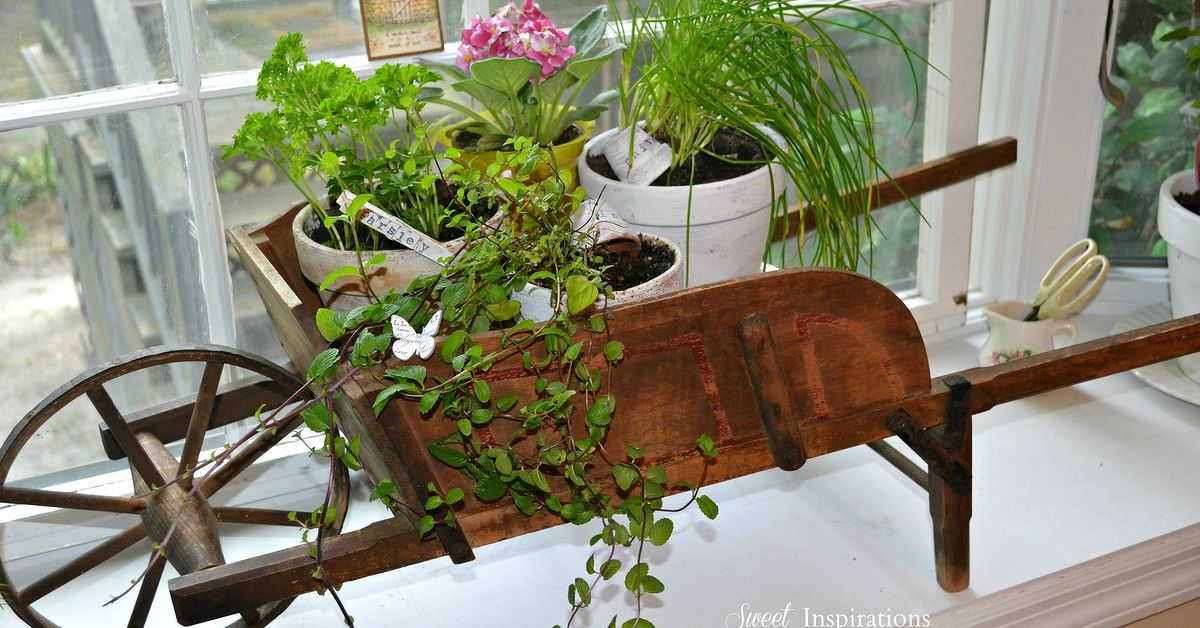

A kitchen window herb garden is the tiny green miracle that turns a regular countertop into a miniature farm, a cooking upgrade, and a surprisingly good mood booster. It is also the only garden that can make you feel wildly productive while you are still wearing slippers. With a few pots, the right herbs, decent light, and a watering routine that does not involve accidental plant soup, you can grow fresh basil, parsley, mint, chives, thyme, oregano, and other kitchen favorites just inches from your cutting board.
The beauty of a windowsill herb garden is simple: you do not need a backyard, a greenhouse, or a dramatic straw hat. You need a sunny spot, containers with drainage, lightweight potting mix, and herbs you actually cook with. That last point matters. A plant you use often becomes part of your routine. A plant you never use becomes a decorative guilt object named “Why Are You Crispy?”
This guide explains how to build a practical, attractive, and productive kitchen window herb garden, including which herbs grow best indoors, how much light they need, how to water without overdoing it, and how to harvest so your plants keep producing. Whether you live in an apartment, a townhouse, a dorm, or a home where the backyard belongs entirely to squirrels with boundary issues, fresh herbs are within reach.
What Is a Kitchen Window Herb Garden?
A kitchen window herb garden is a small collection of culinary herbs grown indoors near a bright window. Most people use individual pots, a long windowsill planter, hanging containers, or compact countertop systems. The goal is to grow fresh herbs close enough to the kitchen that using them feels effortless. When fresh chives are two steps away, suddenly scrambled eggs become “brunch.” When basil is on the sill, pasta sauce starts acting like it has a passport.
Indoor herb gardening works best when you match the plant to the environment. Herbs are not all the same. Some, like thyme, oregano, rosemary, and sage, prefer brighter light and drier soil. Others, like mint and parsley, tolerate slightly lower light and more moisture. Basil loves warmth and steady care but can sulk if it gets cold or shaded. Cilantro grows quickly but often needs replanting because it has a short productive life indoors.
Why Grow Herbs on a Kitchen Windowsill?
Fresh Flavor Without the Grocery Store Drama
Fresh herbs can change an ordinary dish faster than you can say, “Why did I buy this enormous plastic box of parsley?” A few leaves of basil brighten tomato soup. Chopped parsley wakes up roasted vegetables. Mint makes tea, fruit salad, and lemonade taste like someone put in effort. Having herbs on the windowsill lets you snip only what you need, reducing waste and saving money over time.
A Small-Space Garden That Actually Fits Real Life
A kitchen window herb garden is ideal for apartments and compact homes because it uses vertical and horizontal space you already have. A sunny windowsill, narrow shelf, rail-mounted planter, or small rolling cart can support several herbs. This makes it a smart option for renters, beginners, busy home cooks, and anyone who wants a garden without committing to weekend-long battles with weeds.
It Makes the Kitchen Feel Alive
Herbs add texture, fragrance, and color to the kitchen. Rosemary looks sculptural, basil looks lush, thyme spills charmingly over pot edges, and chives grow like tiny green fireworks. Even when you are not cooking, the plants soften hard surfaces and bring a little outdoor energy inside. A healthy herb garden says, “This kitchen has personality.” It also says, “Someone here remembers to water things at least sometimes.”
Best Herbs for a Kitchen Window Herb Garden
The best herbs for an indoor kitchen garden are the ones that match your light conditions and cooking habits. Start with three to five herbs rather than trying to raise an entire botanical orchestra on day one.
Basil
Basil is one of the most popular herbs for a kitchen window herb garden because it pairs beautifully with tomatoes, pasta, eggs, sandwiches, salads, and grilled vegetables. It likes bright light, warm temperatures, and consistent moisture. Pinch off the top leaves regularly to encourage bushy growth. If basil begins flowering, remove the flower buds so the plant keeps focusing on leaves instead of turning into a tiny botanical drama queen.
Parsley
Parsley is dependable, versatile, and more useful than its old reputation as a plate decoration suggests. Flat-leaf parsley is especially good for cooking because it has a stronger flavor than curly parsley. It can tolerate slightly less light than Mediterranean herbs, but it still grows best in a bright window. Use it in soups, grain bowls, sauces, roasted potatoes, and almost anything that needs a fresh finish.
Chives
Chives are excellent for beginners. They have a mild onion flavor and grow in slender clumps that fit neatly in small pots. Snip them with scissors and sprinkle them over eggs, baked potatoes, dips, soups, or salads. Chives enjoy bright light and regular trimming. The more you use them, the more useful they become, which is a refreshing attitude for a houseplant.
Mint
Mint is energetic, fragrant, and best grown in its own container because it spreads aggressively. Indoors, that enthusiasm is easier to manage than outdoors, where mint may attempt a hostile takeover of the garden. Use mint for tea, smoothies, fruit, yogurt, cocktails, and desserts. It tolerates more moisture and slightly lower light than many herbs, making it a forgiving choice for a kitchen window herb garden.
Thyme
Thyme is compact, flavorful, and well-suited to containers. It prefers bright light, excellent drainage, and soil that dries slightly between watering. Thyme is wonderful with chicken, mushrooms, beans, roasted carrots, potatoes, and soups. Because the leaves are small, a little plant can provide a surprising amount of flavor.
Oregano
Oregano loves bright light and relatively dry conditions. It is a natural match for pizza, tomato sauce, roasted vegetables, marinades, and Mediterranean-style dishes. Harvest the tips often to keep the plant compact. Like thyme, oregano does not appreciate soggy soil, so resist the urge to water it every time you pass by with a cup in your hand.
Rosemary
Rosemary can be grown indoors, but it is a little more demanding. It needs strong light, good airflow, and careful watering. The soil should not stay wet for long periods. Rosemary’s piney flavor is excellent with roasted potatoes, bread, chicken, lamb, beans, and olive oil. If your kitchen window is very bright, rosemary may become the elegant evergreen centerpiece of your herb garden.
Cilantro
Cilantro is delicious but short-lived. It grows quickly, then often bolts, meaning it sends up flowers and produces seeds. For a steady supply, sow a new small pot every few weeks. Cilantro is perfect for tacos, salsa, rice, curries, noodle bowls, and fresh sauces. Think of it less like a permanent houseplant and more like a recurring guest star.
How Much Light Does a Kitchen Window Herb Garden Need?
Light is the biggest success factor for indoor herbs. Most culinary herbs need a bright window with several hours of direct sun each day. A south-facing window is often the strongest choice in many U.S. homes, while east- and west-facing windows may also work for certain herbs. North-facing windows are usually too dim unless you add a grow light.
If your herbs become tall, thin, pale, or stretched toward the glass, they are probably asking for more light in the only language plants know: looking tragic. Rotate pots a quarter turn every few days so the plants grow evenly. During winter or in darker kitchens, a small LED grow light can make a huge difference. Place it close enough to help the plants but not so close that it overheats or dries them out.
For best results, group herbs by light needs. Basil, thyme, oregano, rosemary, and sage want strong light. Parsley, chives, cilantro, and mint can be a little more flexible. If your window is bright but cold in winter, keep tender herbs like basil a few inches away from chilly glass.
Choosing Containers for Indoor Herbs
Containers can be charming, modern, rustic, recycled, or perfectly mismatched. The non-negotiable feature is drainage. Herbs do not want to sit in waterlogged soil. Pots should have drainage holes, and saucers should be emptied after watering. Decorative cachepots are fine as long as water does not collect inside them.
Individual pots are usually better than one large mixed planter because different herbs have different water needs. Mint may want more moisture, while thyme wants to dry out. Put them in the same container and one of them will eventually file a complaint. Separate pots give you more control and make it easier to replace a tired plant without disturbing the whole garden.
Use a lightweight potting mix rather than garden soil. Garden soil can compact in containers, drain poorly, and bring in pests or diseases. A quality indoor potting mix gives roots air, moisture, and structure. For Mediterranean herbs like rosemary, thyme, and oregano, you can improve drainage by choosing a mix designed for containers and avoiding heavy, soggy soil.
How to Plant a Kitchen Window Herb Garden
Step 1: Pick Your Herbs
Choose herbs you use weekly. If you cook Italian food, start with basil, oregano, parsley, and thyme. If you love tea and fresh drinks, try mint, lemon balm, and basil. If you make eggs, potatoes, soups, or dips, chives deserve a permanent spot.
Step 2: Choose the Right Location
Select the brightest kitchen window available. Make sure the plants are not pressed directly against freezing glass or blasted by heat vents. Herbs like stable conditions. They are flavorful, not invincible.
Step 3: Use Pots With Drainage
Fill each pot with fresh potting mix and leave a little space at the top so water does not run over the edge. If transplanting nursery herbs, gently loosen tight roots before planting. Water thoroughly after planting, then let excess water drain away.
Step 4: Label Your Plants
Labels are helpful, especially when herbs are young. Parsley and cilantro can look confusingly similar at first glance. One tastes bright and grassy; the other may taste like soap to some people. This is not a surprise you want in soup.
Step 5: Give Them a Settling-In Period
Newly planted herbs may pause growth while they adjust. Keep them in bright light, water carefully, and avoid heavy harvesting for the first week or two. Once new growth appears, you can begin light snipping.
Watering: The Most Common Place People Go Wrong
Overwatering is one of the easiest ways to ruin an indoor herb garden. Many herbs prefer soil that is moist but not soggy. Before watering, touch the soil. If the top half inch to inch feels dry, water thoroughly until water drains out the bottom. Then empty the saucer. Do not water again just because the calendar says Tuesday.
Different herbs need different watering rhythms. Basil and parsley like more consistent moisture. Mint can handle more moisture than most. Rosemary, thyme, oregano, and sage prefer to dry out more between waterings. This is another reason separate pots are useful.
Signs of overwatering include yellow leaves, limp stems, fungus gnats, sour-smelling soil, and roots that begin to rot. Signs of underwatering include wilting, crispy leaf edges, and soil pulling away from the pot. The trick is observation. Your herb garden is not asking for perfection; it is asking you to look at it before pouring.
Feeding Indoor Herbs
Herbs grown in containers eventually use up nutrients in the potting mix. However, they do not usually need heavy feeding. Too much fertilizer can encourage weak, fast growth and reduce flavor intensity. During active growth, use a diluted balanced fertilizer according to label directions. In winter, when growth slows, feed less often or pause unless you are using strong supplemental lighting.
Think of fertilizer like seasoning. A little helps. Too much makes everyone regret dinner.
How to Harvest Herbs So They Keep Growing
Harvesting is not just allowed; it helps many herbs grow better. The key is to harvest lightly and regularly. For leafy herbs like basil, pinch above a pair of leaves to encourage branching. For chives, cut leaves near the base with clean scissors. For parsley and cilantro, harvest outer stems first. For thyme and oregano, snip small sprigs and avoid cutting into old woody growth too aggressively.
Never remove more than about one-third of a plant at once unless you are ready to replace it. Indoor herbs grow more slowly than outdoor herbs because indoor light is weaker. Be especially gentle in winter. If a plant is barely growing, do not give it a haircut worthy of a military academy.
Common Kitchen Window Herb Garden Problems
Leggy Growth
Leggy herbs are usually not getting enough light. Move them to a brighter window or add a grow light. Rotate pots so stems do not lean dramatically toward the sun like they are auditioning for a plant ballet.
Yellow Leaves
Yellow leaves can come from overwatering, poor drainage, low light, or nutrient issues. Check the soil first. If it is constantly wet, let it dry and improve drainage. If the plant is in a dark spot, move it to brighter light.
Fungus Gnats
Fungus gnats often appear when soil stays too moist. Let the top layer dry more between waterings, remove decaying leaves, and avoid leaving water in saucers. Sticky traps can help reduce adults, but better watering habits solve the real problem.
Cold Damage
Winter windows can be chilly. Basil is especially sensitive to cold. If leaves blacken or wilt near the glass, move the pot back from the window at night. A bright shelf near the window can be safer than direct contact with cold glass.
Design Ideas for a Beautiful Kitchen Window Herb Garden
A productive herb garden can also look good. Match pots for a clean, modern look, or mix clay, ceramic, and metal containers for a cozy cottage style. Use a narrow shelf to create two levels of herbs. Hang small pots from a tension rod if your window frame allows it. Add plant labels made from wood, slate, metal, or simple popsicle sticks. The herbs will not care, but you will smile every time you see them.
For small kitchens, vertical space is your friend. A wall-mounted rail with removable pots can free up the sill. A tiered stand can hold several herbs without crowding. Just make sure every plant still receives enough light and airflow. A beautiful herb garden that slowly dies in the shadows is just expensive decor with leaves.
Best Herb Combinations for Cooking
Italian-Inspired Window Garden
Grow basil, oregano, parsley, and thyme. This combination works for pasta, pizza, tomato sauce, focaccia, soups, and roasted vegetables.
Tea and Drinks Garden
Grow mint, lemon balm, basil, and possibly lavender if you have enough light. Use these herbs for hot tea, iced tea, lemonade, fruit water, and simple syrups.
Everyday Cooking Garden
Grow parsley, chives, thyme, and basil. These herbs fit into eggs, potatoes, salads, soups, grains, sandwiches, and quick weeknight dinners.
Low-Water Mediterranean Garden
Grow rosemary, thyme, oregano, and sage. These herbs enjoy bright light and relatively dry soil, making them easier to manage together if your kitchen window is sunny.
Kitchen Window Herb Garden Experience: What It Is Really Like to Grow One
The first thing you learn from a kitchen window herb garden is that plants have personalities. Basil is the cheerful friend who loves warmth, attention, and compliments. Mint is the energetic cousin who arrives with three bags and asks where it can expand. Rosemary is elegant but picky, like a guest who appreciates good lighting and does not want wet feet. Chives are low-drama, dependable, and always ready to improve breakfast.
Starting a herb garden often begins with unreasonable optimism. You buy five little plants, line them up on the windowsill, and imagine yourself casually snipping fresh herbs into every meal like the host of a cooking show. Then reality joins the chat. One pot dries faster than the others. The basil leans toward the window. The mint grows as if it has a business plan. You forget which pot you watered yesterday. This is normal. The garden teaches you by being slightly needy but very rewarding.
One of the best experiences is the first real harvest. It may be only six basil leaves, a teaspoon of thyme, or a few chive stems, but it feels luxurious. Fresh herbs have a brightness that dried herbs cannot fully copy. Add chopped parsley to soup right before serving and the whole bowl tastes fresher. Tear basil over scrambled eggs with tomatoes and suddenly breakfast has confidence. Drop mint into a glass of iced tea and your kitchen starts behaving like a spa.
You also learn that convenience changes habits. When herbs are hidden in the refrigerator, they are easy to forget until they become a sad green mystery. When herbs are alive on the sill, they invite use. A small snip becomes part of cooking. You waste less because the plant keeps growing, and you become more creative because flavor is within arm’s reach.
There is also a quiet emotional benefit. Caring for herbs creates a small daily pause. You check the leaves, turn a pot, touch the soil, trim a stem, or notice new growth. These tiny rituals make the kitchen feel less like a work zone and more like a living space. Even on busy days, the garden offers proof that something fresh is happening.
The most useful lesson is restraint. New gardeners often love plants too aggressively, especially with water. A kitchen window herb garden teaches patience. Touch the soil first. Watch the leaves. Learn the difference between dry and thirsty, moist and drowning. Soon, you develop a rhythm. You stop watering on autopilot and start responding to what each plant needs.
Over time, your garden becomes personal. Maybe basil earns the brightest spot because you make pasta every week. Maybe mint gets its own pot because it cannot be trusted with roommates. Maybe cilantro becomes a rotating crop because it bolts quickly but tastes too good to abandon. The best kitchen window herb garden is not the most perfect one. It is the one you use, enjoy, and keep improving.
Final Thoughts: A Small Garden With Big Flavor
A kitchen window herb garden is one of the easiest ways to bring fresh flavor, greenery, and practical beauty into your home. Start small, choose herbs you actually cook with, give them the brightest light you can, use containers with drainage, and water only when the soil tells you it is time. With regular harvesting and a little observation, your windowsill can become a reliable source of fresh herbs for everyday meals.
You do not need a perfect kitchen or a gardener’s resume. You just need a sunny spot, a few well-chosen herbs, and the willingness to learn from the occasional crispy leaf. In return, your kitchen gets fragrance, color, and fresh flavor on demand. That is a pretty good deal for a handful of pots by the window.
Note: For best results, adjust light, watering, and herb selection to your actual kitchen conditions. A bright, warm window can support a wider range of herbs, while a dim window may need an LED grow light for steady growth.