
Some shops sell napkins. Others sell the idea that your Tuesday scrambled eggs deserve a stage, a supporting cast, and perhaps a linen curtain call. MARCH in San Francisco belonged firmly to the second camp: a Sacramento Street design destination where kitchen tools, ceramics, pantry goods, antiques, and textiles were edited with the seriousness of a gallery and the warmth of a very good dinner party. Among its quiet treasures, Boxwood Linens stood out for exactly the reason great linens always do: they did not shout. They simply made everything around them look more intentional.
This shopper’s diary revisits the charm of Boxwood Linens at MARCH in San Francisco through the lens of real design history, artisan craftsmanship, and practical table-setting wisdom. Think of it as part shopping guide, part love letter to linen, and part reminder that the best home goods do not need to sparkle like a disco ball to steal the room. Sometimes, all it takes is a well-cut napkin in flax, indigo, oatmeal, or a rich, moody neutral to make a table feel collected rather than decorated.
Why MARCH Became a San Francisco Design Landmark
MARCH was founded in 2003 by Sam Hamilton and interior designer Mark Cunningham, and for more than two decades it became one of San Francisco’s most admired destinations for thoughtful home goods. Located at 3075 Sacramento Street, the shop developed a reputation for blending European antiques, artisan objects, kitchen tools, tabletop pieces, pantry items, and design services into one highly curated world. It was not the kind of store where you wandered in looking for a generic spatula and left with three plastic gadgets. MARCH asked better questions: What does your kitchen feel like? What objects do you want to use every day? What belongs on a table long after dinner is over?
The store’s evolution is central to understanding why Boxwood Linens felt so at home there. MARCH began with a focus on European furnishings and antiques, then gradually shifted toward the kitchen, the table, and the art of entertaining. This was not a pivot into ordinary cookware retail. It was a refined exploration of domestic life: marble-topped worktables, handmade ceramics, specialty pantry goods, sculptural cutting boards, and textiles that looked relaxed but deeply considered. The effect was part design studio, part kitchen laboratory, part fantasy pantry for people who believe olive oil deserves a good bottle and a quiet spotlight.
Meet Boxwood Linens: Small-Batch Craft With Everyday Soul
Boxwood Linen, founded by designer Franca Fusco, is known for fine home linens that are hand-cut and sewn in the United States using European linen. The brand’s personality is refreshingly unshowy. Its pieces are simple, useful, tactile, and meant to be lived with. Instead of treating fine linen like something that must wait for Thanksgiving, Boxwood encourages the opposite: use the good napkins, pour the soup, invite friends, and let the table earn its character one meal at a time.
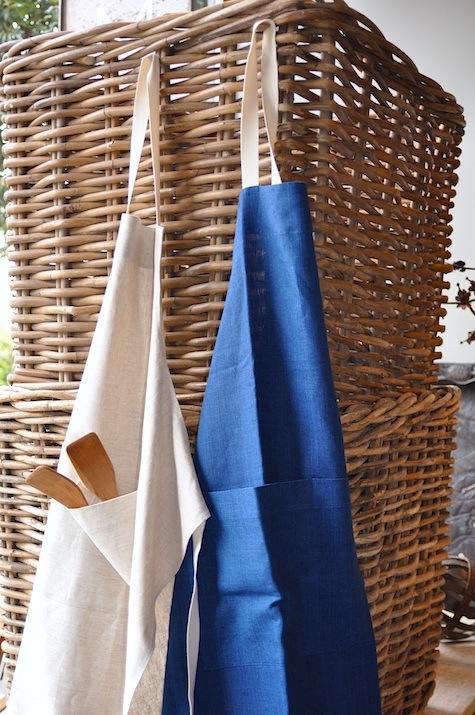
That philosophy is what made the original Boxwood Linens discovery at MARCH so memorable. The line included napkins and aprons made from Belgian and Irish linen, with colors such as flax, orchid, indigo, and oatmeal. The palette sounded less like a paint deck and more like a farmer’s market at golden hour. Nothing felt loud or trend-hungry. These were colors designed to sit beautifully beside stoneware, wood, glass, silver, bread crusts, roast chicken, and the occasional glass of wine that absolutely will not spill because we are all adults here. Mostly.
What Made Boxwood Linens at MARCH Special?
The appeal was not just that the linens were beautiful. Lots of things are beautiful until you use them twice and discover they have the durability of a paper crown. Boxwood Linens offered something more valuable: quiet luxury with practical intelligence. The napkins, tablecloths, towels, and aprons were made to handle real use while becoming softer over time. That is linen’s secret trick. It begins with a certain crispness, then relaxes into itself, like a houseguest who finally stops asking where to put their shoes.
1. The Materials Felt Honest
Linen is made from flax, one of the oldest textile fibers in the world. It is prized for strength, breathability, texture, and its ability to age gracefully. Boxwood’s use of Belgian, Irish, and European linen placed it in a long tradition of textile quality. Unlike synthetic fabrics that can look suspiciously shiny under candlelight, linen has depth. It absorbs color beautifully, wrinkles naturally, and brings an organic softness to a table without looking limp or unfinished.
2. The Craftsmanship Was Visible
Good linens reveal themselves in the details: the weight of the fabric, the straightness of the cut, the finish of the edges, the way a napkin folds, and the confidence of a mitered corner. Boxwood’s pieces are known for precise cutting and sewing, often finished with simple hems, overlock stitching, fringe, or generous edges. These details sound small until you set the table. Then they become the reason the whole arrangement feels calmer, richer, and more personal.
3. The Colors Were Made for Real Homes
One of the pleasures of Boxwood Linens is the color language. Instead of chasing seasonal novelty, the tones tend to feel grounded: flax, oatmeal, indigo, ash, rust, smoky blue, ebony, paprika, and other shades that belong comfortably near ceramics, wood, stone, and food. This matters because table linens should flatter dinner, not compete with it. A napkin should not enter the room before the salad does.
Shopping the Look: What to Buy First
If you are building a linen collection inspired by Boxwood Linens at MARCH, begin with pieces you will actually use. The smartest first purchase is usually a set of dinner napkins. They work for weeknight meals, holidays, picnics, breakfast trays, and the emergency situation known as “guests are coming in twenty minutes and the table looks emotionally underprepared.”
Dinner Napkins
Choose dinner napkins in a neutral or deep color depending on your tableware. Flax, oatmeal, white, silver gray, or ash will work with almost everything. Indigo, navy, rust, and paprika add mood without becoming theatrical. A generous 20-inch napkin feels substantial, folds nicely, and gives the table a polished look even when dinner is pasta from a pot you are pretending is rustic.
Cocktail Napkins
Cocktail napkins are small but surprisingly powerful. They make snacks feel hosted, not just deposited. Use them with cheese boards, olives, espresso, desserts, or drinks. A stack of linen cocktail napkins on a tray instantly suggests that someone here has their life together, even if the kitchen drawer says otherwise.
Linen Aprons
A Boxwood-style linen apron is one of those objects that bridges utility and atmosphere. It protects clothing, yes, but it also changes how cooking feels. Put on a linen apron and suddenly chopping onions becomes less of a task and more of a scene. Look for midweight linen, useful pockets, adjustable ties, and a color that will forgive flour, tomato sauce, and enthusiasm.
Tablecloths and Runners
Once you know your table’s mood, consider a linen tablecloth. A medium-weight Belgian linen tablecloth can transform a room by softening hard edges and adding color at a larger scale. For modern homes, a relaxed tablecloth with a natural drape often looks more inviting than a hyper-starched formal cloth. Ironing is optional, and frankly, linen looks better when it remembers it came from a plant.
How to Style Boxwood Linens the MARCH Way
The MARCH approach to styling was never about piling on accessories. It was about restraint, proportion, and texture. If you want to bring that feeling home, think in layers rather than decorations. Start with a linen base, then add ceramics, glass, wood, metal, and something living: herbs, branches, fruit, or flowers that look like they were gathered rather than over-managed.
Pair Linen With Handmade Ceramics
Linen and ceramics are natural companions. A flax napkin beside a handmade white bowl feels effortless. Indigo linen under a pale plate creates contrast. Rust or paprika napkins warm up stoneware and wood. Avoid making everything match perfectly. A table should feel edited, not interrogated by a showroom manager.
Use Color Like Seasoning
Think of linen color the way you think of salt: enough to bring the table alive, not so much that everyone needs water. For spring, try oatmeal, white, pale gray, or soft blue. For summer, flax and natural linen look relaxed and sunlit. For fall, rust, deep red, paprika, and smoky brown bring warmth. For winter, navy, ebony, silver, and white feel crisp without being cold.
Let Wrinkles Work
One of the biggest mistakes people make with linen is treating wrinkles like a personal failure. Linen wrinkles because it is linen. That movement is part of its beauty. If you want a formal look, iron while slightly damp. If you prefer the modern MARCH feeling, wash, air dry, fold neatly, and let the fabric keep a relaxed texture. Your table will look lived-in, not lazy.
Care Guide: Keeping Linen Beautiful Without Babying It
High-quality linen does not need drama. It needs consistent, gentle care. Most everyday linen napkins and tablecloths can be machine washed in cool or lukewarm water with mild detergent. Avoid high heat, which can shrink or stress the fibers. Air drying is ideal, but if you use a dryer, choose low heat and remove pieces while still slightly damp.
For stains, act quickly. Blot instead of rubbing, pre-treat the spot, and make sure the stain is gone before applying heat. Heat can set stains, and no one wants a permanent red wine constellation on an otherwise perfect napkin. Skip fabric softener, too. Linen naturally softens with use, and fabric softener can coat fibers in a way that reduces absorbency. In other words, let linen become charming on its own. It does not need a chemical pep talk.
Why Linen Is Worth the Investment
At first glance, artisan linen can feel expensive compared with mass-market table textiles. But the value calculation changes when you consider longevity, versatility, and daily pleasure. A well-made napkin can be used hundreds of times. A good tablecloth can move from family breakfast to birthday dinner to holiday gathering. Linen does not need to be saved for a mythical future occasion when everyone behaves perfectly and nobody drops butter. It is built for use.
There is also an aesthetic advantage. Linen has a way of making ordinary meals feel cared for. Sandwiches look better. Soup looks intentional. Store-bought cookies suddenly appear charming, especially if you transfer them to a plate and act mysterious about the recipe. This is the quiet power of good household textiles: they do not change the food, but they change the feeling around the food.
Boxwood Linens at MARCH as a Design Lesson
The story of Boxwood Linens at MARCH is not only about products. It is about a point of view. Both the maker and the shop valued usefulness, craft, and emotional atmosphere. They understood that a home becomes memorable through touchable details: the napkin in your lap, the apron on a hook, the cloth under a bowl of figs, the towel beside the sink. These are not background objects. They are the daily architecture of hospitality.
That lesson feels especially relevant now, when home design is often flattened into quick trends and scrollable sameness. Boxwood Linens remind us to slow down. MARCH reminded shoppers to buy fewer, better things. Together, they made a case for objects with patience: things that improve with use, tell a quiet story, and make a room feel human.
500-Word Experience Diary: A Linen-Filled Afternoon in San Francisco
Imagine stepping off Sacramento Street on a bright San Francisco afternoon, the kind where the air is cool but the light is generous. The storefront feels calm before you even enter. Inside, the city noise drops away, replaced by the visual hush of pale walls, carefully placed objects, and the kind of table setting that makes you briefly reconsider every plate you own. This is the emotional universe that made MARCH so admired: not flashy, not fussy, but deeply persuasive.
The first thing you notice is texture. Not color, not price tags, not even the furniture. Texture. A stack of linen napkins sits near ceramics with surfaces that look touched by hands rather than machines. A towel hangs casually, but not carelessly. An apron is folded in a way that makes you imagine someone preparing roast vegetables, pouring wine, and somehow not checking their phone every four minutes. The linens do not ask for attention; they reward it.
Picking up a Boxwood-style napkin changes the shopping experience from visual to physical. Linen has a dry, cool hand at first, then softens as you hold it. It has structure without stiffness. You can immediately picture it at home: folded beside a white plate, tucked under a loaf of bread, wrapped around warm rolls, or laid across your lap during a dinner that began casually and became one of those evenings people remember. That is the difference between buying decor and buying atmosphere.
The best part of shopping for linens in a place like MARCH is that the objects teach you how to see. A navy napkin beside cream stoneware feels sophisticated. A flax towel near a wooden board feels rustic but not rough. A smoky gray tablecloth suddenly makes clear why your bright table runner has been causing visual chaos for years. The shop does not scold you, of course. It simply stands there looking elegant until you confess internally.
There is also a practical pleasure in realizing that beautiful linens are not fragile little museum residents. They can be washed. They can soften. They can survive dinner. This makes the purchase feel less like indulgence and more like permission: permission to use the good things now, not when life becomes perfectly arranged. Spoiler alert: life rarely becomes perfectly arranged. But the table can still look wonderful.
Leaving with linen is different from leaving with a decorative object. A vase may sit on a shelf, but napkins enter the rhythm of living. They appear at breakfast, lunch, dinner, holidays, and the random Wednesday when you decide soup deserves dignity. Over time, they become familiar. They crease in the same places. They soften. They become part of your household memory.
That is the lasting charm of Boxwood Linens at MARCH in San Francisco. It was never only about shopping. It was about learning to recognize the beauty of useful things and bringing that beauty into daily life. A linen napkin will not remodel your kitchen, fix your schedule, or make guests arrive on time. But it can make a table feel intentional. And sometimes, that is enough magic for one afternoon.
Conclusion
Boxwood Linens at MARCH in San Francisco captured a rare retail sweet spot: artisan quality, practical design, refined color, and everyday usefulness. The story still resonates because it celebrates a slower, smarter way to shop for the home. Instead of chasing disposable trends, it invites us to choose objects that age well, feel good in the hand, and make ordinary meals feel quietly special.
Whether you are building your first linen collection or refining a table that already has opinions, start with pieces you will use often: dinner napkins, a hardworking apron, cocktail napkins, or a tablecloth in a color that flatters your home. Then let them live. Wash them, fold them, stain them a little, rescue them, and bring them back to the table. That is what good linen is for.
Note: Product availability, pricing, and retail operations may change over time. This article is written as an editorial shopping and design guide based on publicly available information about MARCH, Boxwood Linen, and linen care best practices.