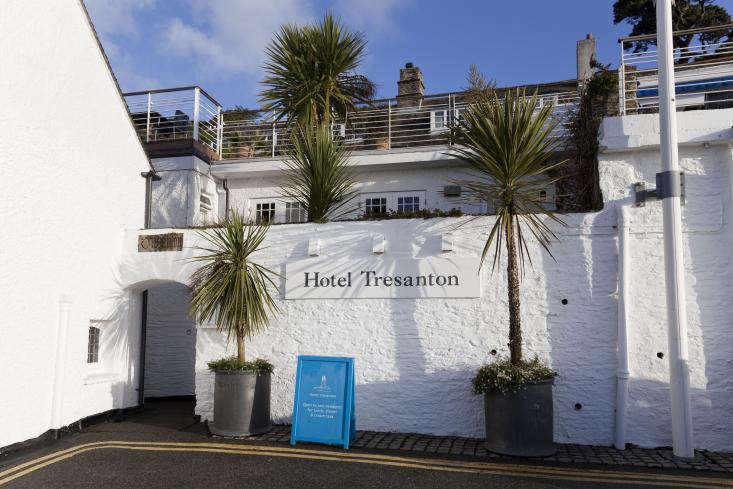

If England occasionally feels buttoned-up, Cornwall arrives with its collar open, hair full of salt, and shoes mysteriously missing. Set on a long peninsula in the country’s far southwest, Cornwall has a way of making the rest of modern life feel like an overbooked calendar invite. Here, the Atlantic hurls itself at cliffs, fishing boats rock in tidy harbors, artists chase the light, and the local food somehow tastes better simply because you are eating it while staring at the sea.
That is the real magic of Cornwall, England. It is not just beautiful, although it is almost offensively good-looking. It is layered. A beach day can turn into a history lesson, a coastal walk can drift into folklore, and a quick lunch can become a passionate debate about pasties, cream tea, and whether anyone actually needs another afternoon commitment. Spoiler: you do not. A seaside idyll in Cornwall is less about checking landmarks off a list and more about stepping into a place where wild scenery, old stories, and small pleasures work together with suspicious ease.
Why Cornwall Feels Like Its Own Little World
Cornwall occupies a rugged peninsula surrounded by the Atlantic Ocean and the English Channel, and that geography matters. You feel it in the weather, the light, the food, and the mood. This is the edge of England in the most poetic sense: farther-flung, more elemental, and gloriously uninterested in acting like London with better seafood. The county has long been associated with a distinct Celtic identity, mining heritage, maritime life, and a landscape dramatic enough to make even the most emotionally unavailable traveler whisper, “Wow.”
Part of Cornwall’s charm is how varied it is for a place that looks, on the map, like it should be simple. The north coast is raw and theatrical, with cliffs, surf, and beaches that seem built for weather mood swings and heroic photography. The south coast softens into calmer coves, estuaries, and harbor towns where the pace slackens and the water looks more inclined to flirt than fight. West Cornwall adds another layer entirely: art, myth, granite headlands, and that strange, luminous quality of light that has lured painters for generations.
This mix gives Cornwall unusual range. It can be outdoorsy without becoming preachy, romantic without becoming syrupy, and historic without smelling like a museum gift shop. One minute you are wandering past whitewashed cottages. The next, you are standing above ancient-looking rocks wondering whether the legends are ridiculous or whether, actually, this is exactly where legends would happen.
The Coast That Does All the Showing Off
Any serious conversation about Cornwall’s appeal begins with the coast, because the coast frankly insists on being discussed. The scenery is not politely attractive. It is big, cinematic, and occasionally so pretty that it feels a little smug. North Cornwall is famous for dramatic shorelines, big swells, and beaches beloved by surfers, walkers, and people who enjoy the idea of “fresh air” more once it comes with a view.
North Cornwall: Cliffs, Surf, and a Bit of Swagger
On the north side, places like Newquay and the surrounding stretches of shore have long been associated with surf culture, wild beauty, and sandy expanses backed by cliffs and open sky. This is the Cornwall of windswept headlands, crashing water, and sea views that make your phone camera work overtime. It is also the Cornwall that feels most athletic. Even standing still somehow looks active here.
Yet north Cornwall is not all adrenaline and wetsuits. Fishing villages and smaller coastal settlements soften the mood, and many of them look as if they were designed by an art director determined to make everyone back home jealous. Narrow lanes, old stone buildings, harbor walls, and sea-salted facades remind you that this region was shaped by working life long before it became a dream board for weekend escapes.
South and West Cornwall: Harbors, Coves, and Painterly Light
South Cornwall feels gentler. Around towns such as Falmouth and the Roseland Peninsula, the sea settles into coves, estuaries, and beaches that invite slower pleasures: harbor walks, boat rides, seafood lunches, and the kind of idle sitting around that somehow counts as a full afternoon. Falmouth in particular blends maritime history with beach-town ease. It has beaches, coastal paths, and a harbor atmosphere that feels lively without becoming frantic.
Then there is West Cornwall, where the landscape turns dreamier and a little stranger. St. Ives, Newlyn, Penzance, Mousehole, Sennen, and the Land’s End area all carry that special West Cornwall energy: artistic, weathered, sea-battered, and quietly stylish in a way that never needs to announce itself. The light here has drawn artists for generations, and the artistic tradition has not faded into nostalgia. It still feels alive.
Porthcurno is one of the best examples of Cornwall’s gift for visual drama. The beach is famous for its white sand, turquoise water, and granite cliffs, which already sounds unfair to the rest of England. Add the Minack Theatre, the open-air venue perched above the Atlantic, and the whole scene starts to feel like someone merged beach vacation, stage design, and daydream logic.
Storybook Towns, Legends, and Landmarks That Earn the Hype
Cornwall has the rare gift of being packed with famous places that are still genuinely atmospheric. St. Ives, for instance, is not just attractive; it is one of Cornwall’s cultural anchors. Once a fishing village and long known as an artists’ colony, it now balances sandy beaches, narrow lanes, and an established art scene centered around institutions like Tate St Ives and the Barbara Hepworth Museum & Sculpture Garden. That combination makes St. Ives feel more substantial than a standard seaside pretty face. It has texture, history, and enough visual charm to make your internal monologue go full watercolor.
Newlyn and Penzance add different notes. Newlyn carries a deep connection to Cornwall’s artistic heritage, while Penzance feels like a handsome gateway to the western tip of the county, with sea views, Georgian architecture, and easy access to nearby landmarks. Together, they show how Cornwall’s seaside towns are not interchangeable postcards. Each has its own rhythm, its own angle, and its own version of coastal life.
Tintagel is where Cornwall’s relationship with legend becomes impossible to ignore. Long linked with the story of King Arthur, the headland is crowned by castle ruins and amplified by the sheer drama of its setting. What keeps the place from slipping into pure fantasy is that archaeology has added real intrigue: excavations have revealed evidence of an important Dark Ages settlement on the peninsula. In other words, the myth may remain myth, but the site’s historical significance is not just smoke, mist, and tourism brochures.
St. Michael’s Mount offers another version of Cornwall’s storybook appeal. Rising from the sea in Mount’s Bay, it is reachable by causeway at low tide and by boat when the water covers the path. That alone would make it memorable, but the setting goes a step further: medieval architecture, subtropical planting, and the curious thrill of walking toward an island castle while trying to look dignified on wet stones. Cornwall does not always make dignity easy, but it does reward commitment.
If you want something that feels a little less expected, the county also offers places such as the Lost Gardens of Heligan, the Eden Project, and a scattering of curious historical and natural sites that reveal another side of Cornwall. These places show that a seaside idyll here is not just about lying on sand and ordering another coffee. It is about discovering how closely nature, history, art, and eccentricity live together.
The Food Tastes Better Because the Sea Is Involved
Cornwall is one of those places where eating never feels separate from the landscape. Seafood is central, of course, and for obvious reasons. In harbor towns and coastal restaurants, fish and shellfish arrive with the kind of freshness that makes minimalist cooking feel less like a trend and more like common sense. Grilled fish, chowders, shellfish plates, and menus shaped by local catch all fit naturally into the rhythm of a Cornish day.
Then there is the Cornish pasty, Cornwall’s most famous edible export and one of the great achievements of practical pleasure. Properly made, it is a sturdy half-moon of pastry wrapped around a savory filling traditionally built from beef, potato, onion, and rutabaga. It is portable, filling, historic, and deeply satisfying in the way only food with working roots can be. You do not nibble a Cornish pasty. You commit to it.
And yes, cream tea enters the chat. Cornwall shares with neighboring Devon an enduring relationship with scones, clotted cream, and jam, and this is not a subject to approach lightly. The safest option is to eat one happily and avoid launching a constitutional debate about layering order. Either way, Cornwall does small comforts magnificently. Bakery windows, tea rooms, harbor-side pubs, and restaurants focused on local produce all help turn the county’s coastal beauty into something deliciously tangible.
The Cornwall Experience: Slow Travel With Better Views
A big part of Cornwall’s appeal lies in how it encourages you to do less and notice more. The South West Coast Path is a perfect example. Walking even a short section gives you a concentrated version of the county’s charm: cliffs, sea air, hidden coves, shifting light, and the occasional village that appears exactly when you need coffee, lunch, or a reason to sit down and pretend you were contemplating life rather than resting your knees.
The path around areas like St. Ives, Penzance, and Falmouth shows why Cornwall works so well as a place for slow travel. You can stitch together beaches, headlands, gardens, harbors, and historic sites in a single day without feeling rushed. One hour may be all wind and waves; the next may be subtropical plantings, seafood, or contemporary art. That variety keeps Cornwall from becoming one-note. It is not simply pretty. It is interesting.
Even the atmosphere in Cornwall’s towns supports that slower rhythm. Falmouth carries maritime energy and cultural activity. St. Ives offers art and beach life in equal measure. Penzance feels grounded and spacious. Smaller places such as Mousehole or St. Mawes trade in charm so effortlessly that they barely seem to realize they are doing it. Cornwall’s best trick may be that it invites attention without demanding performance. You do not need an itinerary dense enough to frighten a project manager. You just need time, decent shoes, and a willingness to drift a little.
What a Seaside Idyll in Cornwall Actually Feels Like
Morning in Cornwall often begins with light that seems to arrive from several directions at once. It skims across the water, catches on slate roofs, slides into harbor streets, and makes even ordinary things look slightly improved. You step outside for “a quick walk” and immediately lose that argument, because Cornwall is not built for quick walks. It is built for detours, pauses, and the persistent suspicion that the next corner may reveal the loveliest view of the day. Quite rude, really.
By midmorning, the coast is fully awake. Hikers move along the clifftops with that purposeful expression people wear when they have convinced themselves a steep incline is character-building. Swimmers eye the sea with optimism. Dogs behave as if they personally invented beaches. In towns like St. Ives or Falmouth, cafés hum, bakeries send scandalously good smells into the street, and little galleries begin tempting you inside with ceramics, paintings, and objects you definitely do not need but suddenly feel emotionally connected to.
Then comes the great Cornish afternoon, perhaps the finest unit of time in Britain. This is when you wander without urgency. You might cross a harbor wall, sit above a cove, browse a bookshop, or follow a path that was meant to take twenty minutes and somehow expands into two happy hours. The weather may change several times, but in Cornwall that feels less like inconvenience and more like theater. Sun, mist, breeze, cloud, brightness again. The landscape keeps changing costumes.
Food fits seamlessly into this rhythm. A pasty on a bench can feel as complete as a formal lunch. A plate of seafood by the water can stretch an afternoon into evening. A cream tea can become a whole event, especially if there is a sea view involved and no one nearby is in a hurry. Cornwall rewards appetite of every kind, whether you are hungry for lunch, scenery, quiet, or the deeply underrated pleasure of doing absolutely nothing useful.
Late afternoon is when Cornwall turns cinematic. The shadows lengthen, boats rock in the harbor, and the sea takes on those shifting blues and silvers that painters spend entire careers trying to catch. In West Cornwall especially, the light feels almost curated. No wonder artists stayed. No wonder new creatives keep arriving. The place offers beauty, yes, but also atmosphere, which is rarer and harder to fake.
Evening settles beautifully here. A cliff path empties out. A harbor pub fills up. Somewhere nearby, gulls complain as if personally offended by sunset. If you are at Porthcurno, the Atlantic becomes part of the stage set above the Minack Theatre. If you are in a quieter village, the day may end with little more than the sound of water, a dim lamp in a window, and the powerful conviction that modern life could stand to be less busy and more Cornish.
That is what makes Cornwall feel like a true seaside idyll. It is not one single spectacular beach or one famous landmark or one perfect meal. It is the accumulation of textures: granite, salt, history, art, garden paths, sea air, folklore, pastry, and light. Cornwall gives you grand scenery, certainly, but it also gives you the smaller things that make travel memorable: how a place sounds in the morning, how it smells after rain, how it makes an ordinary afternoon feel gently enchanted.
And perhaps that is the final secret. Cornwall does not merely offer escape. It offers recalibration. It reminds you that a good day can be built from a harbor walk, a strong cup of tea, a view from a windy bench, and enough time to notice where you are. In a world obsessed with optimization, Cornwall’s message is wonderfully simple: look at the sea, eat something warm, walk a little farther, and let the rest wait.
Conclusion
A seaside idyll in Cornwall, England, is not some fragile fantasy that disappears on contact with real life. It holds up beautifully. The beaches are as gorgeous as promised, the harbor towns are as charming as they look, the food is deeply comforting, and the county’s legends and artistic traditions give the scenery real depth. Cornwall succeeds because it offers both spectacle and intimacy. It can impress you from a clifftop and soothe you from a café table in the same day.
For travelers who want more than a standard beach break, Cornwall is the kind of place that lingers. You remember the color of the water at Porthcurno, the artistic pulse of St. Ives, the myth-heavy drama of Tintagel, the maritime ease of Falmouth, and the quiet thrill of a path leading toward the sea. Cornwall does not shout to make its point. It just keeps unfolding until you realize the idyll was real all along.
SEO Tags