
Metal shelves are the quiet workhorses of interior design. They hold cookbooks, coffee mugs, towels, tools, plants, vinyl records, and sometimes the emotional weight of a person who has finally decided to stop stacking boxes in the hallway. Whether you choose a sculptural designer system or a budget-friendly wire rack from a home improvement aisle, metal shelving can turn blank walls, awkward corners, garages, kitchens, bathrooms, and tiny apartments into spaces that actually behave.
The fun part is that “metal shelves” no longer means one thing. Today, the category includes powder-coated steel wall shelves, chrome wire racks, industrial garage shelving, slim picture ledges, modular track systems, bathroom-safe metal shelves, indoor-outdoor galvanized storage, and high-end Scandinavian systems that look like they majored in architecture and minored in restraint. In other words, there is a metal shelf for almost every room, every budget, and every level of “I need storage before my laundry develops citizenship.”
This high/low guide breaks down how to shop metal shelves wisely, where to splurge, where to save, and how to style them so they look intentional rather than like a storage unit wandered into your living room.
Why Metal Shelves Are Having a Moment
Metal shelves are popular because they solve three classic home problems at once: storage, durability, and visual lightness. A bulky cabinet can swallow a room. A metal shelf, especially a wall-mounted or open-frame design, keeps sightlines open while still giving you a place to put the things that usually migrate to counters, floors, chairs, and other innocent surfaces.
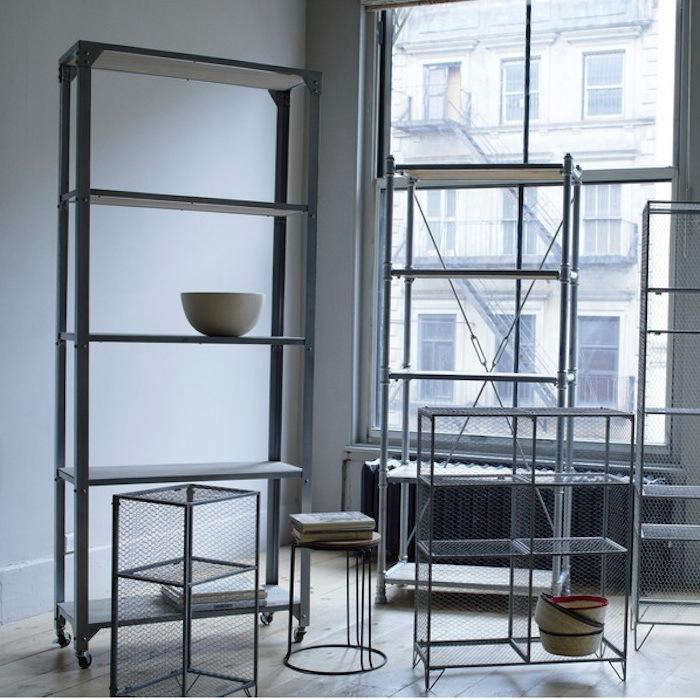
Unlike many wood or MDF shelves, metal options can handle moisture, weight, and daily abuse with a little more confidence. Powder-coated steel can work beautifully in bathrooms, laundry rooms, mudrooms, and outdoor-adjacent spaces. Chrome or stainless-style wire shelving is practical for kitchens and garages because it allows airflow and makes contents easy to see. Galvanized steel can suit patios or garden storage when the product is designed for indoor-outdoor use.
Design-wise, metal shelves also bring contrast. They can sharpen a soft room, modernize a traditional one, or make a small apartment feel more collected. A black steel shelf against white walls feels graphic. A brass-toned shelf in a bathroom adds polish. A white powder-coated shelf disappears just enough to let books and ceramics do the talking. Metal is the friend who shows up on time, carries the heavy stuff, and still looks good in photos.
The “High” Side: When Designer Metal Shelves Are Worth It
High-end metal shelving usually earns its price through design, finish quality, modular flexibility, better proportions, and long-term durability. These are the shelves you buy when they will be visible every day, when the room needs a strong design element, or when you want a system that can grow with your home.
1. Modular Systems That Can Move With You
Designer modular shelving systems are the grown-up version of “I’ll just put this here for now.” Systems with coated-steel uprights, metal brackets, and interchangeable shelves allow you to expand, reconfigure, or move components over time. That matters if you rent, move often, or like changing a room without buying everything again.
A premium wall system can work in a living room, kitchen, office, or entryway. It can hold books this year, barware next year, and your extremely serious ceramic vase collection after that. The high-end advantage is not only looks; it is adaptability.
2. Better Finishes and Slimmer Profiles
At the high end, metal shelves often have cleaner welds, smoother powder coating, more refined proportions, and colors beyond basic black, white, or chrome. You may find soft neutrals, natural steel tones, glossy finishes, or warm metallic accents. These details matter when the shelf is in a public-facing room such as a living room, dining area, or entryway.
Cheap metal can look harsh when the shape is clunky. Better metal shelving often feels light, architectural, and deliberate. It says “curated storage,” not “temporary solution from a very stressful Saturday.”
3. Built-In Visual Design
Some expensive metal shelves are not just storage; they are part of the room’s composition. A slim steel picture ledge can create a gallery wall without the commitment of drilling twenty-three holes. A curved metal bathroom shelf can make towels and toiletries feel more boutique hotel than “someone hid the toothpaste again.” A steel bookcase can become a room divider, display piece, or office backdrop.
Splurge when the shelf must carry the design of the room. Save when it only needs to carry paper towels.
The “Low” Side: Where Affordable Metal Shelves Shine
Affordable metal shelving has a lot to brag about. In fact, many low-cost options beat designer pieces in pure utility. Garage racks, wire shelving, and basic powder-coated units can offer impressive strength, adjustability, and value. They may not whisper “European design fair,” but they will hold bins, pantry goods, tools, small appliances, and seasonal decorations without complaining.
1. Wire Shelving for Kitchens and Pantries
Wire shelves are a classic for a reason. They are easy to assemble, relatively affordable, adjustable, and excellent for spaces where visibility matters. In a pantry, you can see what you have before buying a third jar of cumin. In a kitchen, open wire racks can hold pots, sheet pans, appliances, mixing bowls, and bulk ingredients.
The downside is that wire shelving looks utilitarian. But that can be softened with matching bins, baskets, shelf liners, and a limited color palette. The difference between “restaurant supply room” and “smart urban kitchen” is often one good basket and the courage to stop displaying every snack bag like modern sculpture.
2. Garage and Basement Shelving
For garages, basements, and utility rooms, the low side is often the smart side. Heavy-duty metal shelves are built for bins, tools, paint cans, camping equipment, and mystery boxes labeled “misc.” Look for adjustable shelves, sturdy frames, clear load ratings, and feet that sit evenly on the floor.
In damp or below-grade spaces, steel or metal-framed shelves can be a strong choice, especially if items are elevated off the floor. However, always check the finish and intended use. Not every metal shelf is outdoor-rated or moisture-resistant. Metal is tough, but even tough materials appreciate being used correctly.
3. Budget Wall Shelves for Small Spaces
Affordable metal wall shelves are ideal for bathrooms, laundry rooms, entryways, and rental apartments. A simple metal ledge above a sink can hold skincare. A narrow shelf by the door can catch keys and sunglasses. A small black wall shelf can give a blank wall a purpose without making the room feel crowded.
Budget shelves work best when you buy fewer and style them carefully. One well-placed shelf looks intentional. Five random shelves scattered across a wall can look like the wall is breaking out in brackets.
High vs. Low: What You Are Really Paying For
The price difference between high and low metal shelves usually comes down to five things: material quality, finish, design, load rating, and flexibility. The most expensive shelf is not always the strongest, and the strongest shelf is not always the prettiest. That is why the right choice depends on where the shelf will live and what it needs to do.
Choose High-End Metal Shelves If:
- The shelves will be a major design feature in a living room, office, kitchen, or entryway.
- You want a modular system that can expand or be reconfigured.
- You care about refined finishes, slim lines, and architectural details.
- The shelf needs to coordinate with other hardware, lighting, or furniture.
- You are investing in a long-term piece rather than a short-term storage fix.
Choose Budget Metal Shelves If:
- You need maximum storage for the money.
- The shelves will live in a garage, basement, pantry, closet, or utility space.
- You need adjustable heights for bins, tools, appliances, or bulk goods.
- You are renting and do not want permanent built-ins.
- You would rather spend your design budget on lighting, rugs, or seating.
Best Rooms for Metal Shelves
Kitchen
Metal shelves work beautifully in kitchens because they can handle everyday use. A wall-mounted metal shelf can hold spices, mugs, oils, or dishes. A freestanding wire unit can become a pantry extension. For a polished look, group items by type and use matching containers. Keep heavy appliances on lower shelves and lighter, prettier items at eye level.
Bathroom
Bathrooms need materials that can cope with humidity. Metal shelves designed for bathroom environments can hold towels, toiletries, candles, and small baskets. Choose finishes that coordinate with faucets, mirror frames, and towel bars. Black feels modern, brass feels warm, white feels clean, and chrome feels crisp.
Living Room
In a living room, metal shelves should look intentional. Use them for books, framed art, ceramics, plants, and a few personal objects. Avoid stuffing every inch. Empty space is not wasted space; it is the design equivalent of taking a breath.
Home Office
Metal shelving can make a home office feel organized and modern. A slim steel wall shelf can hold reference books and files. A larger bookcase can frame a desk area. If your office doubles as a video-call background, style the shelves with a mix of books, boxes, and objects that say “competent adult,” even if your inbox says otherwise.
Garage and Laundry Room
This is where metal shelving becomes a hero. Use heavy-duty racks for tools, detergents, storage bins, sports gear, seasonal decor, and cleaning supplies. Label containers clearly. Put the heaviest items low. Keep frequently used products at waist height. Your future self will be grateful, and may even stop buying duplicate extension cords.
How to Style Metal Shelves Without Making Them Look Cold
The most common complaint about metal shelves is that they can feel industrial or sterile. The fix is contrast. Pair metal with warm materials, soft textures, and personal objects. Add wood boxes, woven baskets, ceramic bowls, linen bins, framed art, and plants. A metal shelf does not have to look like it is waiting for a forklift.
Use a Tight Color Palette
Choose two or three main colors for the items on your shelves. Black, white, natural wood, and green plants are an easy formula. Brass, cream, and terracotta can feel warmer. Chrome, glass, and white can look clean and modern. A color palette keeps open shelving from becoming visual confetti.
Mix Heights and Shapes
Books create blocks. Vases add height. Bowls add curves. Boxes hide clutter. Plants bring softness. Mix these shapes so the shelves feel balanced. If everything is the same height, the arrangement can look flat. If everything is tiny, it can look nervous.
Leave Room Around Objects
Open shelves need negative space. Resist the urge to fill every inch just because the shelf technically has room. A little breathing room makes affordable shelves look more expensive and expensive shelves look worthy of the splurge.
Installation and Safety Tips
Before buying metal shelves, measure the wall, floor area, ceiling height, and depth clearance. A shelf that looks small online can feel enormous in a narrow hallway. Also consider what will sit on it. Books, dishes, tools, and appliances are heavy. Decorative objects are lighter. A shelf for towels has very different needs from a shelf for cast iron pans.
For wall-mounted metal shelves, use the correct anchors and try to hit studs whenever possible. Check the manufacturer’s load rating and remember that wall material matters. Drywall, plaster, brick, tile, and concrete all require different hardware. When in doubt, get help with installation. Gravity is undefeated and has no respect for your design vision.
For freestanding units, place heavy items on lower shelves to improve stability. Make sure the unit stands level. If the shelf is tall, narrow, or located in a home with children or pets, consider anchoring it to the wall. Casters can be convenient, but they may reduce stability if the unit is overloaded or moved carelessly.
High/Low Shopping Strategy
The smartest approach is often a mix. Splurge on the metal shelves that define visible rooms. Save on the shelves that do behind-the-scenes labor. For example, choose a beautiful powder-coated wall shelf in the bathroom, a designer modular unit in the living room, and budget wire shelving in the pantry or garage. Nobody needs a museum-quality shelf to hold laundry detergent.
Before buying, ask yourself three questions: What will the shelf hold? Who will see it? How long do I need it to last? If the answer is “heavy items, everyone, and years,” consider spending more. If the answer is “holiday bins, almost no one, and until I reorganize,” save your money.
Common Mistakes to Avoid
Buying for Looks Only
A beautiful shelf that cannot hold what you own is basically wall jewelry with commitment issues. Always check dimensions, material, and weight capacity before falling in love.
Ignoring Depth
Deep shelves hold more, but they can overwhelm tight rooms. Shallow shelves are better for hallways, bathrooms, and display. In kitchens and garages, deeper shelves may be more practical.
Overloading Open Shelving
Open shelves show everything. That is both the charm and the trap. Use bins and baskets to hide visual clutter. Group similar items together. Edit often. Shelves should not become horizontal junk drawers.
Choosing the Wrong Finish
Chrome can look crisp in a utility space but may feel too commercial in a cozy living room. Black is versatile but can look heavy if overused. Brass-style finishes add warmth but should coordinate with other metals. White metal feels airy, especially on white walls.
Personal Experience: What Living With Metal Shelves Teaches You
After living with several kinds of metal shelves in different rooms, the biggest lesson is simple: the best shelf is the one that matches the mess. Not the fantasy mess. The real mess. The one involving dog leashes, half-used notebooks, pantry refills, batteries, sunscreen, and a tape measure that somehow disappears every time a picture needs hanging.
In a kitchen, wire shelving can be surprisingly liberating. At first, it may feel too industrial, as if a tiny restaurant supply store has opened next to the refrigerator. But once the shelves are organized with clear containers, baskets, and frequently used cookware, the practicality becomes addictive. You stop digging through deep cabinets. You stop forgetting what you own. You start feeling like the kind of person who can find the rice in under four seconds. That is not a small victory.
In a bathroom, a small metal wall shelf can make a bigger difference than expected. Bathrooms collect little things: serums, razors, cotton swabs, perfume, hair clips, and bottles with labels promising miracles by Tuesday. A metal shelf with a clean finish keeps these items visible and contained. The trick is not to turn the shelf into a beauty product parade. Use a tray, a small cup, or a basket. Keep only the daily essentials out. Hide the “maybe someday” products elsewhere, preferably before they expire and become bathroom archaeology.
In a living room, metal shelves require more discipline. They look best when styled, not loaded. Books can be stacked horizontally and vertically. A plant softens the edges. A framed print adds height. One sculptural object can do more than twelve tiny souvenirs. The surprising part is that metal shelves can make a room feel warmer when they are styled with contrast. Steel plus wood, black metal plus cream ceramics, white metal plus green plantsthese combinations feel layered rather than cold.
Garage shelving teaches a different lesson: strength matters, but access matters more. A heavy-duty metal rack is wonderful until the item you need is buried behind four mystery bins and a cooler from 2017. The best setup uses clear zones. Tools together. Paint together. Holiday decor together. Cleaning supplies together. Labels help. So does leaving a little extra room instead of packing every shelf like a competitive sport.
The other experience worth mentioning is that adjustable shelves are worth chasing. Life changes. Storage changes. One year you need room for baby gear. Another year it is camping gear. Then it is office supplies, extra pantry goods, or the sudden hobby that requires equipment, containers, and emotional support. Adjustable metal shelves let the furniture adapt instead of forcing you to rebuy everything.
Finally, metal shelves reveal whether you are a visual organizer or a hidden-storage person. If open shelves stress you out, choose bins, cabinets, or shelves with closed sections. If open shelves motivate you to stay tidy, they can be fantastic. The goal is not to copy a catalog photo. The goal is to create a home that works on an ordinary Tuesday, when the dishwasher is full, the mail is on the counter, and someone has once again placed a screwdriver in the fruit bowl.
Final Verdict: High, Low, or Both?
The best answer is both. High-end metal shelves are worth it when they contribute to the design of a room, offer long-term modularity, or provide a finish you will enjoy seeing every day. Low-cost metal shelves are unbeatable when you need strong, flexible storage in a pantry, garage, basement, closet, or laundry room.
Metal shelves are not just about storage. They are about making space visible, usable, and calmer. Choose the right type, install it safely, style it with restraint, and it can make your home feel more organized without sacrificing personality. And if one shelf finally gets the clutter off the floor, congratulations: that is not just home improvement. That is personal growth with brackets.
SEO Tags