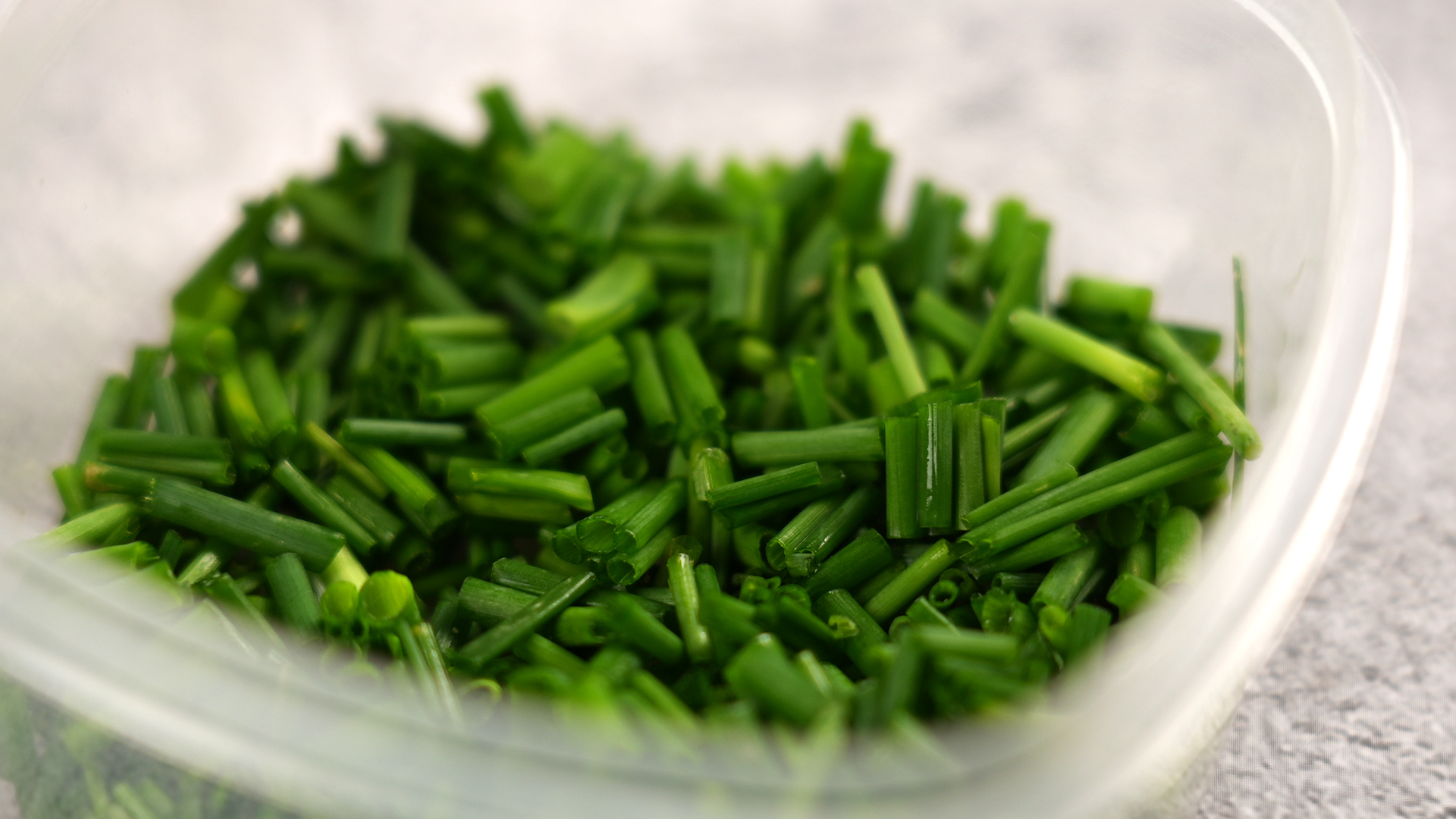

Chives are the quiet overachievers of the herb world. They do not swagger into the kitchen like basil, demand attention like rosemary, or perfume the entire refrigerator like cilantro having a dramatic week. Instead, chives show up with a clean oniony flavor, a bright green color, and the ability to make baked potatoes, scrambled eggs, soups, dips, salads, and roasted vegetables look like someone in the kitchen knew exactly what they were doing.
The only problem? Fresh chives can go from “garden-fresh garnish” to “sad green shoelaces” faster than you expected. Because chives are thin, hollow, and delicate, they lose moisture quickly. Store them too wet, and they turn slimy. Store them too dry, and they shrivel. Leave them forgotten in the back of the fridge, and they become a tiny compost project with excellent intentions.
The good news is that learning how to store chives is simple. Whether you bought a small grocery-store clamshell, harvested a handful from the garden, or got carried away at the farmers market, there are three reliable ways to keep chives usable: refrigerating, freezing, and drying. Each method has a different purpose. Fresh storage is best for garnish. Freezing is best for cooked dishes. Drying is best for shelf-stable seasoning when texture matters less than convenience.
Below, you will find three practical methods for storing chives, plus tips for washing, trimming, labeling, avoiding waste, and choosing the right method for the way you actually cook.
Why Proper Chive Storage Matters
Fresh chives are prized for their mild onion flavor and tender texture. They belong to the allium family, along with onions, garlic, leeks, and scallions, but they are gentler than their louder relatives. That is why chives work so well as a finishing herb. A sprinkle over creamy soup, deviled eggs, or mashed potatoes adds freshness without turning the dish into an onion conference.
Because chives are delicate, storage affects both flavor and appearance. Poor storage can cause bruising, yellowing, moisture buildup, freezer burn, or flavor loss. Good storage helps chives stay green, fragrant, and easy to use. It also reduces food waste, which is especially helpful if you grow chives at home. A healthy chive plant can produce more leaves than one baked potato night can handle.
Before You Store Chives: Sort, Clean, and Prep the Right Way
Before choosing a storage method, take two minutes to inspect the chives. Remove any yellow, brown, mushy, or limp stems. If a section smells sour instead of fresh and oniony, discard it. One bad stem can introduce extra moisture and speed up spoilage for the rest of the bunch.
Should You Wash Chives Before Storing?
For short-term refrigerator storage, it is usually best to store chives unwashed if they are clean. Extra water encourages sliminess, especially inside a sealed bag or container. If your chives are sandy, dusty, or freshly harvested from the garden, rinse them gently under cool running water, then dry them very thoroughly. A salad spinner works well, but you can also roll them in a clean kitchen towel and let them air-dry for a few minutes.
For freezing or drying, washing first is fine, but drying is not optional. Wet chives freeze into clumps and dry unevenly. Moisture is the villain here, wearing a tiny cape and ruining your herb plans.
Whole or Chopped?
For the refrigerator, whole chives usually last better because there is less cut surface exposed to air. For freezing, chopped chives are easier to use because you can scoop them directly into recipes. For drying, chopping after drying often gives better control, though thin chives can also be snipped before dehydrating if they are fully dry afterward.
Way 1: Store Fresh Chives in the Refrigerator
Refrigeration is the best way to store chives when you plan to use them within several days. This method preserves the fresh texture and bright flavor that make chives so good as a garnish. Use refrigerated chives on baked potatoes, omelets, salads, cottage cheese, cream cheese, dips, roasted fish, and anything that looks like it needs a little green confetti.
Best For
This method is best for short-term storage, fresh garnishes, raw dishes, and recipes where chives are added at the end instead of cooked for a long time.
How to Refrigerate Chives
- Sort the chives. Remove damaged, yellow, or slimy stems.
- Keep them dry. If they are already clean, do not wash them until you are ready to use them.
- Wrap gently. Place the chives in a slightly damp paper towel. The towel should feel barely moist, not wet enough to audition for a sponge commercial.
- Bag or container them. Put the wrapped chives in a resealable bag or airtight container. Leave a tiny bit of room so the stems are not crushed.
- Store in the crisper drawer. The refrigerator crisper helps protect tender herbs from harsh airflow and temperature swings.
Properly refrigerated chives usually stay usable for about five to seven days, sometimes longer if they were very fresh when stored. Garden-harvested chives often last better than grocery-store chives because they have spent less time in transit.
Alternative Refrigerator Method: The Jar and Bag Method
If your chives have sturdy ends, you can store them upright like a tiny bouquet. Trim the bottoms, place them in a glass with a small amount of water, cover loosely with a plastic bag, and refrigerate. This works better for herbs with longer stems, but it can help chives stay hydrated if they are beginning to wilt. Change the water every day or two and remove any soft stems immediately.
Fresh Chive Storage Mistakes to Avoid
Do not store chives soaking wet in a sealed bag. That is how you create the dreaded herb swamp. Do not crush them under heavy produce. Chives are not load-bearing vegetables. Do not place them against the coldest back wall of the refrigerator, where they may partially freeze and become mushy.
Also, avoid chopping chives too far in advance for fresh use. Chopped chives lose aroma faster than whole stems. If you want that clean, fresh flavor, snip them right before serving.
Way 2: Freeze Chives for Long-Term Storage
Freezing is the most practical long-term method for preserving chives. Frozen chives keep much of their flavor, though their texture changes. Once thawed, they become soft and limp, so they are not ideal for sprinkling over a salad or using as a crisp garnish. However, they are excellent in soups, sauces, scrambled eggs, casseroles, compound butter, mashed potatoes, savory pancakes, and skillet dishes.
Think of frozen chives as your weeknight cooking backup singer. They may not stand alone on stage, but they make the whole dish better.
Best For
This method is best for long-term storage, cooked recipes, garden harvests, and anyone who wants to stop buying chives every time a recipe asks for two tablespoons.
Method A: Flash-Freeze Chopped Chives
- Wash if needed. Rinse gently under cool water if the chives are dirty.
- Dry completely. Use a salad spinner, towel, or air-drying time. The drier the chives, the less they clump.
- Chop finely. Use kitchen scissors or a sharp knife.
- Spread on a tray. Place chopped chives in a thin layer on a parchment-lined baking sheet.
- Freeze until firm. This usually takes less than an hour because chives are so thin.
- Transfer and label. Move frozen chives into a freezer-safe bag or small airtight container. Label with the date.
Flash-freezing helps the pieces stay separate, so you can scoop out what you need instead of chiseling a green iceberg with a butter knife.
Method B: Freeze Chives in Ice Cube Trays
Another easy option is freezing chopped chives in water, broth, or olive oil. Place chopped chives into an ice cube tray, add enough liquid to cover them, freeze until solid, then transfer the cubes to a freezer bag.
Use water or broth cubes for soups, stews, beans, rice, and sauces. Use olive oil cubes for sautés, roasted vegetables, pasta, and egg dishes. Keep in mind that oil-based cubes are best for cooked dishes, not fresh garnishing.
How Long Do Frozen Chives Last?
Frozen chives are best used within six months for peak flavor, although properly frozen food held at a consistent freezer temperature can remain safe longer. Quality is the real issue. Over time, frozen chives may lose aroma, pick up freezer odors, or become dry around the edges. Use freezer-safe containers, press out extra air, and label everything. Future you deserves kindness and readable handwriting.
How to Use Frozen Chives
Use frozen chives straight from the freezer. Do not thaw them first unless a recipe specifically requires it. Thawing releases moisture and makes the chives clump together. Sprinkle frozen chopped chives directly into hot food during the last few minutes of cooking, or stir them into warm butter, sauces, mashed potatoes, or scrambled eggs.
Way 3: Dry Chives for Shelf-Stable Storage
Drying chives is useful when refrigerator and freezer space are limited. Dried chives are lightweight, shelf-stable, and easy to add to pantry blends. They will not taste exactly like fresh chives, and they usually lose some of their bright green color, but they still bring a mild onion flavor to many dishes.
Drying is best when convenience matters more than fresh texture. If fresh chives are a crisp spring morning, dried chives are a dependable calendar reminder: less exciting, still useful.
Best For
This method is best for pantry storage, seasoning blends, dips, dry rubs, camping meals, emergency cooking, and recipes where chives are mixed into moist ingredients.
How to Air-Dry Chives
- Choose fresh stems. Use healthy, green chives without yellowing or damage.
- Wash only if needed. If you rinse them, dry them completely.
- Bundle loosely. Tie small bunches with kitchen twine.
- Hang in a dry, airy place. Choose a spot away from direct sunlight, steam, and stove heat.
- Check often. Because chives are thin, they can dry faster than many herbs, but humidity affects timing.
- Store airtight. Once fully dry and brittle, crumble or snip them into an airtight jar.
How to Use a Dehydrator
A food dehydrator gives more consistent results than air-drying, especially in humid climates. Spread clean, dry chives in a single layer on dehydrator trays. Dry at a low herb-friendly temperature until the chives are brittle. Let them cool completely before storing. If you put warm dried herbs into a jar, condensation can form, and moisture is not invited to this pantry party.
How to Oven-Dry Chives
If you do not have a dehydrator, use the lowest oven setting. Spread chives on a baking sheet and dry slowly with the oven door slightly ajar if needed for airflow. Watch closely because chives are delicate and can turn brown quickly. If they smell toasted instead of fresh and oniony, the oven got too enthusiastic.
How to Store Dried Chives
Store dried chives in a clean, airtight jar away from light, heat, and moisture. A cabinet is better than the shelf above the stove. Label the jar with the date. For the best flavor, use dried chives within six to twelve months. They may remain safe longer if kept dry, but flavor fades with time.
Fresh vs. Frozen vs. Dried Chives: Which Method Should You Choose?
The best way to store chives depends on how you plan to use them. For fresh garnish, refrigerate them. For cooking, freeze them. For pantry convenience, dry them. You do not have to choose only one method, either. If you harvest a large bunch, keep enough fresh for the week, freeze most of the rest, and dry a small batch for seasoning blends.
Choose Refrigeration If…
You want chives for topping baked potatoes, finishing soups, garnishing eggs, mixing into sour cream, or brightening salads. Refrigeration gives you the best fresh texture and color.
Choose Freezing If…
You have a large harvest, cook frequently, or want chives available all year. Freezing keeps the flavor closer to fresh than drying does, but the texture becomes soft.
Choose Drying If…
You want shelf-stable chives for seasoning mixes, dips, travel meals, or pantry backup. Dried chives are convenient, but they are milder and less vibrant than fresh or frozen chives.
Smart Tips for Keeping Chives Fresh Longer
Harvest at the Right Time
If you grow chives, harvest in the morning after dew has dried but before the heat of the day. Cut the leaves near the base with clean scissors. Regular harvesting encourages new growth and helps keep the plant tender.
Do Not Store Bad Stems With Good Ones
One slimy stem can spread moisture and spoilage. Sort chives before storing and again every couple of days if they are in the refrigerator.
Use Scissors Instead of Crushing With a Dull Knife
Kitchen scissors are excellent for chives. A dull knife crushes the hollow stems, causing bruising and moisture loss. Clean cuts preserve texture and make the pieces look better.
Label Everything
Freezer bags and herb jars have a magical ability to become mysterious over time. Label chives with the date and storage method. “Green stuff, maybe soup?” is not a reliable culinary system.
Store Away From Strong Odors
Chives can absorb odors in the refrigerator or freezer. Keep them sealed and away from pungent foods. Unless you want chives with a whisper of leftover fish, airtight storage is your friend.
Common Questions About Storing Chives
Can You Store Chives in Water?
Yes, but it works best for short-term refrigerator storage and longer stems. Place trimmed chives upright in a small jar with a little water, cover loosely, and refrigerate. Change the water regularly.
Can You Freeze Chive Blossoms?
Yes. Chive blossoms are edible and can be frozen in ice cubes for decorative use in drinks or chilled soups. Their flavor is oniony and floral, so use them where that flavor makes sense.
Are Limp Chives Still Good?
Limp chives may still be usable if they smell fresh and show no slime, mold, or discoloration. Use them in cooked dishes instead of raw garnishes. If they smell off or feel sticky, throw them away.
Can You Store Chives With Other Herbs?
You can, but it is better to store herbs according to their texture and moisture needs. Chives do well wrapped gently and refrigerated. Strong-smelling or very wet herbs may shorten their shelf life.
Best Ways to Use Stored Chives
Fresh chives are perfect for finishing dishes. Try them on baked potatoes, potato salad, deviled eggs, omelets, smoked salmon, creamy soups, buttered noodles, and roasted carrots. Frozen chives work well in cooked foods such as chowders, scrambled eggs, sauces, casseroles, rice, and savory muffins. Dried chives are useful in ranch-style seasoning, homemade dip mixes, biscuit dough, dry rubs, and instant soup upgrades.
One of the easiest ways to use extra chives is to make chive butter. Mix softened butter with chopped fresh or frozen chives, a pinch of salt, black pepper, and a little lemon zest. Roll it in parchment and refrigerate or freeze. Slice a coin of chive butter onto steak, corn, roasted potatoes, or warm bread and enjoy the feeling of being fancy with almost no effort.
Personal Kitchen Experience: What Actually Works Best
After storing chives in just about every possible way, the most useful lesson is that chives reward realistic planning. If you know you will use them in the next few days, refrigerator storage is unbeatable. A lightly damp paper towel and a resealable bag sound almost too simple, but they work because they balance moisture and airflow. The chives stay hydrated without sitting in water. The biggest mistake I have seen is washing chives, tossing them into a bag while still wet, and expecting them to behave. They will not. Wet chives in a sealed bag become slippery little noodles of regret.
For home gardeners, freezing is the real hero. Chives grow back generously, and during peak season, a single plant can produce more than enough for everyday cooking. Instead of forcing chives onto every meal like a person trying to meet a very specific herb quota, chop and freeze the surplus. Flash-freezing chopped chives on a tray is my favorite method because the pieces stay loose. A small freezer jar of chopped chives is incredibly convenient. Open the jar, scoop a spoonful into scrambled eggs or soup, close the jar, and feel like you have solved a tiny household problem.
Ice cube trays are great, too, but they work best when you match the liquid to your cooking style. Water cubes are flexible, but they can be icy in quick sautés. Broth cubes are excellent for soups and grains. Olive oil cubes are wonderful for skillet meals, but you should freeze them in small portions so you do not accidentally add half a garden to one pan. Silicone trays make removal easier, and once the cubes are frozen solid, transferring them to a labeled freezer bag saves space.
Drying chives is useful, but expectations matter. Dried chives will not deliver the same fresh pop as snipped chives over a baked potato. They are better as background flavor in dips, biscuits, seasoning mixes, and creamy dressings. If you dry chives at home, keep the heat low and protect them from light. High heat can turn their gentle onion flavor dull and grassy. A dehydrator usually gives the cleanest result, especially in humid kitchens where air-drying can take too long.
One practical routine is to divide a big bunch into three parts as soon as it comes into the kitchen. The prettiest stems go into the refrigerator for garnishes that week. The bulk gets chopped and frozen. Any odds and ends, especially stems that are still good but not beautiful, go into chive butter, soup, or a small drying batch. This approach prevents waste because every stem gets a job. It also removes the pressure to use fresh chives immediately, which is helpful because nobody wants to build an entire dinner plan around a wilting herb bundle staring from the crisper drawer.
The final experience-based tip is simple: store chives in portions you actually use. A giant frozen block of chives is technically preserved, but not exactly convenient. Small jars, flat freezer bags, tablespoon-sized cubes, and tiny airtight containers make chives easy to add to food. Good storage is not just about making herbs last longer. It is about making them easier to use before flavor fades. When chives are ready to grab, they end up in more meals, and your food gets that fresh oniony sparkle without any last-minute chopping drama.
Conclusion
Knowing how to store chives helps you protect their delicate flavor, reduce waste, and keep a useful herb ready for everyday cooking. Refrigerate chives when you want them fresh and crisp for garnishes. Freeze chives when you need long-term storage for soups, sauces, eggs, and cooked dishes. Dry chives when you want a shelf-stable pantry option for seasoning blends and dips.
The best method depends on your kitchen habits, but the golden rule is always the same: control moisture. Keep refrigerator chives lightly protected, freeze chives only after drying them well, and store dried chives in airtight containers away from heat and light. Treat chives kindly, and they will reward you with bright flavor, cheerful color, and the ability to make even a Tuesday potato look like it has a stylist.
Note: This article is written in original American English and synthesized from reliable U.S. food safety, gardening, extension, and cooking guidance for practical web publishing.