
Every marriage has its little negotiations. Some couples debate thermostat settings. Others argue over which movie to watch, whether the dishwasher was loaded by a human or a raccoon, and, of course, what to eat for dinner. But one dad took the classic “What do you want to eat?” standoff and elevated it into a full-blown burrito-powered comedy operation. His secret weapon? Chipotle.
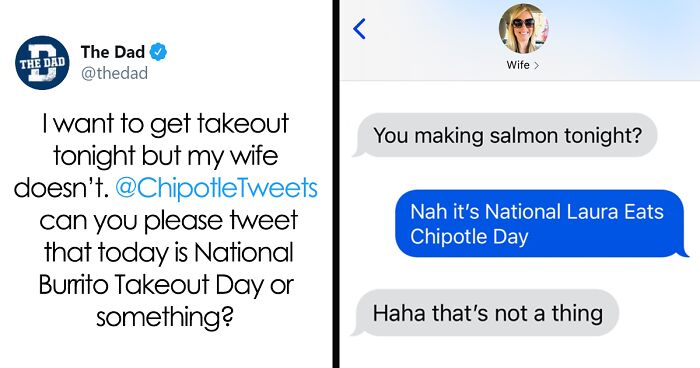
The viral story centers on Joel Willis, a dad, humor creator, and editor-in-chief of The Dad, who wanted takeout from Chipotle while his wife, Laura, was not exactly sprinting toward the guacamole. Instead of accepting defeat like an ordinary hungry husband, Joel did what any extremely online dad with a taste for burritos and mischief might do: he asked Chipotle for backup on social media. The result was a playful campaign dubbed “National Laura Eats Chipotle Day,” a tiny domestic food debate that somehow became internet entertainment.
It was not a scandal. It was not a staged celebrity drama. It was simply a dad, a craving, a wife with different dinner energy, and a brand willing to play along. In other words, the internet’s favorite recipe: low stakes, high commitment, and just enough ridiculousness to make thousands of people say, “Honestly, same.”
The Burrito Battle: How One Dinner Disagreement Became A Viral Moment
The story began with a situation familiar to anyone who has ever been in a long-term relationship: one person wanted a specific meal, and the other person was not convinced. Joel was craving Chipotle. Laura was not. For most people, this would end in compromise, leftovers, or the saddest dinner of all: “I’ll just make something.”
Joel, however, had another idea. Using the social reach of The Dad, he tweeted at Chipotle and asked for help persuading Laura. The brand responded in the spirit of the joke, and soon “National Laura Eats Chipotle Day” was born. That phrase alone deserves a plaque, preferably mounted above a salsa bar.
The beauty of the prank was its simplicity. Joel did not rent a billboard, hire a mariachi band, or replace every family photo with a burrito portrait. He simply used public brand banter to turn a private dinner disagreement into a shared joke. Chipotle’s participation gave the bit official-looking momentum, which is exactly what made it funny. A husband joking with his wife is cute. A fast-casual restaurant accidentally becoming part of a household dinner campaign? That is comedy with extra rice.
Who Is Joel Willis, And Why Did The Internet Care?
Joel Willis is closely associated with The Dad, a humor and lifestyle brand built around modern fatherhood, memes, parenting jokes, food cravings, household chaos, and the kind of comedy that makes children groan loudly while secretly laughing. His online persona fits the story perfectly: proud dad, tired dad, meme dad, and the kind of person who understands that a normal Tuesday can become content if you add enough commitment.
According to the public retelling of the story, Joel and Laura already had a relationship dynamic where small jokes and playful pranks were part of the routine. That detail matters. The prank worked because it was affectionate, not mean. Laura reportedly laughed and went along with it, which is the difference between charming relationship humor and “sir, please apologize immediately.”
The internet responded because the situation felt real. Everyone knows the dinner debate. Everyone knows the absurd seriousness of a food craving. And many people know the very specific frustration of wanting one restaurant while your partner is spiritually aligned with anything else. Joel simply dramatized that familiar moment in a way that was funny, harmless, and easy to share.
Why Chipotle Was The Perfect Brand To Get Involved
Chipotle has long been more than a place where people build burritos with the intensity of an architectural firm. The brand has a strong digital personality, especially across social platforms where food cravings, memes, promotions, and customer conversations collide. Its menu is also built for personalization, which makes it especially useful in relationship debates. One person can get a burrito. Another can get a bowl. Someone can order extra cheese. Someone else can pretend lettuce makes the whole thing a salad. Everybody wins, at least until the guac charge enters the chat.
That flexibility made Chipotle a natural fit for Joel’s joke. If he had asked a brand with a rigid menu to intervene, the prank might have felt forced. But Chipotle already lives in the cultural space of customized cravings. People have “their order.” They defend it. They modify it. They remember it like a family recipe, except the family is a counter line and the recipe begins with “white or brown rice?”
Chipotle’s social media presence also helped the moment feel plausible. The brand has a history of leaning into playful digital interactions, fan jokes, rewards, giveaways, and online food culture. When a customer publicly jokes about wanting burrito support, Chipotle answering back feels less like a corporate memo and more like a friend sliding into the conversation with chips.
The Anatomy Of A Good Family Troll
Not all trolling is created equal. Some trolling is cruel, annoying, or designed to embarrass someone. This was not that. Joel’s prank worked because it followed the golden rules of harmless relationship comedy.
1. The Stakes Were Deliciously Low
The conflict was not serious. Nobody’s reputation, money, job, or trust was on the line. The grand prize was dinner from Chipotle and possibly a night off from dishes. Low-stakes pranks are often the funniest because the audience can enjoy them without worrying that someone is genuinely hurt.
2. The Target Was In On The Relationship Dynamic
Laura was not portrayed as a villain. She was the beloved spouse whose reluctance created the setup. The joke depended on her being part of the fun, not the butt of something cruel. That is why the story reads as affectionate rather than uncomfortable.
3. The Commitment Was Absurd
Asking a national restaurant brand to help convince your wife to eat a burrito is objectively excessive. That excess is the punchline. A normal request became a mock holiday. A craving became a campaign. A dinner choice became “National Laura Eats Chipotle Day.” That is dad humor operating at peak efficiency.
4. The Payoff Was Relatable
Joel eventually got his burrito. Laura laughed. The family avoided cooking and cleanup for the night. The internet got a wholesome food story. Somewhere, a tortilla probably felt proud.
Why The Story Went Viral
Viral stories usually need a strong emotional hook, and this one had several. It was funny, short, visual, food-related, and built around a couple that seemed to genuinely enjoy each other. It also involved a brand people recognize, which gave the story an extra boost. The audience did not need a long explanation of Chipotle. They already understood the stakes: burrito good, no burrito sad.
The story also arrived during a period when many people were craving light, low-drama entertainment. A harmless family prank offered the kind of internet content that feels like a snack rather than a stress test. Instead of doomscrolling through bad news, readers could watch a dad turn dinner into a tiny public holiday.
Another reason the story traveled well is that it had a clear structure. First, there was a problem: Joel wanted Chipotle, Laura did not. Then there was escalation: he asked Chipotle for help. Then came the twist: Chipotle played along. Finally, there was resolution: the burrito mission succeeded. That is basically a three-act screenplay, except instead of a dramatic hero’s journey, the hero returns with sour cream.
What Brands Can Learn From Chipotle’s Role In The Joke
For marketers, this story is a neat example of why social listening matters. Chipotle did not need to launch a massive campaign to create a memorable moment. It simply responded to a customer in a way that matched the tone of the conversation. That is often where the best brand engagement happens: not in overproduced slogans, but in small, quick, human-feeling exchanges.
There are a few lessons here for brands:
Respond Like A Person, Not A Press Release
People do not share stiff corporate language unless something has gone very wrong. They share wit, warmth, timing, and surprise. Chipotle’s playful involvement worked because it felt natural to the platform and the situation.
Choose Safe Humor
The joke was not offensive, political, or mean-spirited. It was about takeout. That made it easy for people to enjoy and easy for a brand to join without stepping into a mess.
Amplify Fans Without Taking Over
The heart of the story belonged to Joel and Laura. Chipotle was the supporting character, not the main character. That balance is important. When brands try too hard to dominate a joke, audiences can smell the marketing from three apps away.
Make The Customer Feel Seen
By acknowledging the request, Chipotle made one customer’s silly dinner problem feel worthy of attention. That is the magic of good social engagement: it turns ordinary customers into participants in the brand’s story.
Why Food Is Such A Powerful Trigger For Internet Humor
Food content spreads because it is universal. Everyone eats. Everyone has cravings. Everyone has at least one food opinion that would make a nutritionist sigh deeply. Chipotle, pizza, tacos, fries, coffee, and ice cream all carry emotional weight because they are tied to comfort, routine, reward, and identity.
Couples especially understand food negotiations. One partner wants spicy food. The other wants “something light.” One says they are not hungry, then eats half the fries. One claims they do not care where dinner comes from, then rejects every suggestion with the precision of a courtroom attorney. The phrase “I don’t care, you pick” has ended more peaceful evenings than any burrito ever could.
That is why Joel’s story connected. It was not really about Chipotle. It was about the tiny domestic theater of choosing dinner. Chipotle just happened to be the stage, the prop, and the delicious final act.
The Difference Between Cute Trolling And Bad Trolling
The word “trolling” can sound negative, but in this case, it means playful mischief. The difference comes down to consent, tone, and outcome. Cute trolling makes everyone laugh, including the person being teased. Bad trolling humiliates someone, creates pressure, or keeps going after the joke is no longer fun.
Joel’s prank stayed on the right side of that line because it was gentle. It did not attack Laura’s character. It did not reveal private information. It did not force her into a public argument. It simply created an exaggerated campaign around a dinner preference. The result was affectionate absurdity.
Healthy couples often have inside jokes, rituals, and repeat bits that outsiders might find ridiculous. That is part of what makes relationships feel alive. A shared laugh over a burrito can become a memory, and a memory can become a tradition. In this case, “National Laura Eats Chipotle Day” even made its way onto a shared calendar, which is both hilarious and legally binding in the court of household comedy.
How To Pull Off A Harmless Food Prank Without Sleeping On The Couch
If Joel’s story inspires anyone to bring more playful humor into their own relationship, proceed with love and common sense. A good prank should feel like a gift, not a trap.
Know Your Audience
Some people love public jokes. Others would rather eat a napkin than become the subject of a viral thread. If your partner dislikes attention, keep the humor private.
Keep It Kind
The joke should be about the situation, not a personal flaw. “My wife won’t eat Chipotle with me” is playful. “My wife is impossible” is not.
Make The Outcome Pleasant
A good prank ends with food, laughter, flowers, or at least fewer dishes. If the only person enjoying the joke is the prankster, it needs editing.
Be Ready To Drop The Bit
The moment someone is uncomfortable, the joke is over. Comedy is not a hostage situation. Even burritos understand boundaries.
Related Experiences: What This Story Feels Like In Real Life
The funniest part of the Joel, Laura, and Chipotle saga is how many everyday couples can see themselves in it. Maybe they have never asked a national restaurant chain for help, but they have absolutely negotiated dinner like diplomats trying to prevent a tiny domestic war.
Picture a couple standing in the kitchen at 6:42 p.m. Both are hungry. Neither wants to cook. One opens the fridge, stares into it like it contains ancient prophecy, and closes it with the seriousness of a judge. The other says, “We could get Chipotle.” The first one says, “We had that recently,” even though “recently” could mean last week, last month, or during a different presidential administration. This is where the experience becomes universal.
In many households, takeout is not just food. It is relief. It means no chopping onions, no pan soaking in the sink, no mystery Tupperware from the back of the fridge, and no one pretending that a sad handful of spinach counts as dinner. When Joel said the real win was taking a night off from cooking and dishes, that hit the emotional center of the story. The burrito was the headline, but the hidden hero was convenience.
Couples often develop food rituals around exactly these moments. One person always chooses the restaurant but pretends to be flexible. The other always says they want “just a bite” and then performs a full-scale fork invasion. Someone always forgets to order extra sauce. Someone always believes they can finish the entire burrito and then sits silently afterward, reflecting on ambition.
Playful teasing can make those routines more fun. A husband might create a fake “official dinner committee.” A wife might name a leftover night “Refrigerator Roulette.” Parents might tell their kids that Taco Tuesday is protected by federal law. None of this needs to be elaborate. The point is that ordinary routines become lighter when people are willing to be silly together.
That is the deeper charm of “National Laura Eats Chipotle Day.” It shows how a tiny joke can become a family tradition. The holiday is ridiculous, yes, but that is why it works. Families are built from ridiculous things: nicknames, repeated punchlines, oddly specific traditions, and stories that get retold until everyone can recite them. Years from now, Joel and Laura may not remember every detail of that dinner, but they will remember that one time Chipotle got involved.
There is also a lesson for parents. Kids notice when adults laugh together. They notice when a household can be playful without becoming cruel. A dad who turns dinner into a joke is teaching more than comedy; he is modeling warmth, creativity, and the art of not taking every minor disagreement too seriously. That does not mean every craving deserves a social media campaign, but it does mean humor can soften the edges of daily life.
Of course, the best version of this experience includes balance. After the joke, someone still has to be considerate. If one partner gets their Chipotle night, maybe the next dinner is the other partner’s pick. If one person wins the burrito battle, maybe they also handle cleanup, bedtime, or the salmon the next night. Romance is not always candlelight and roses. Sometimes it is remembering the extra cheese and not making your spouse wash the bowl.
In the end, the story feels beloved because it is not trying too hard to be profound. It is just a funny snapshot of marriage, food cravings, brand banter, and a dad who committed to the bit. And honestly, in a world full of complicated internet drama, a burrito-based love story is a welcome side of guacamole.
Conclusion
“Dad Takes Trolling His Wife To The Next Level By Getting Chipotle Involved In It” is more than a funny headline. It is a small example of why wholesome internet stories still work. Joel Willis wanted Chipotle. Laura was not convinced. Chipotle joined the joke. The internet laughed. Dinner was served.
The story succeeds because it blends three things people love: food, relationships, and harmless absurdity. It also shows how brands can become memorable by responding naturally to real customers instead of forcing themselves into conversations. Chipotle did not need to overthink the moment. It simply understood the assignment: help a hungry dad make his burrito dream look official.
Most importantly, the prank reminds us that the best family humor is affectionate. It does not punch down. It does not embarrass someone for sport. It turns everyday life into a shared story. And if that story ends with a burrito, extra cheese, and fewer dishes, well, that is not just comedy. That is dinner strategy.
Note: This article is original, fully rewritten content based on publicly reported information about the viral Joel Willis, Laura, The Dad, and Chipotle story, combined with broader real-world context about food humor, social media engagement, and relationship-friendly pranks.