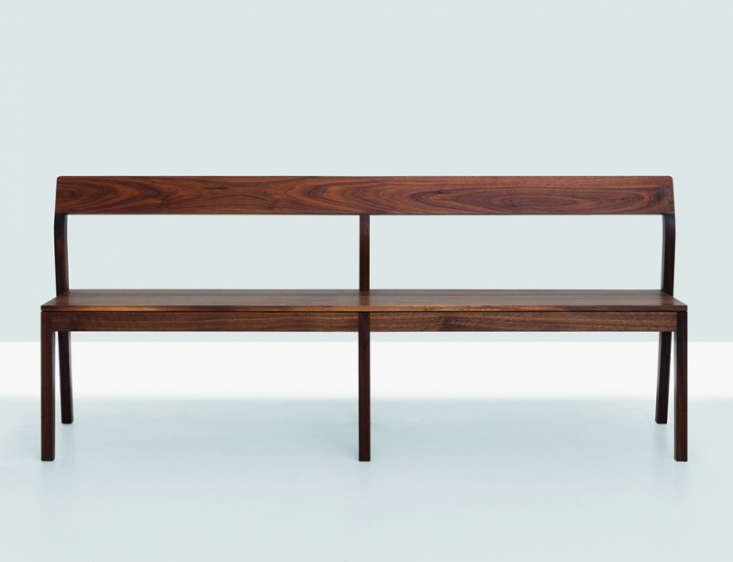

Catharina Lorenz’s Sit Bank Bench proves that a piece of furniture does not need to wave its arms, flash a neon finish, or resemble an unidentified spacecraft to attract attention. Sometimes, a disciplined silhouette, carefully selected solid wood, and genuinely useful proportions are enough.
Designed as part of the Sit seating family and manufactured in Germany by Zeitraum, the Sit Bank transforms the familiar dining chair into a long, communal seat. Its restrained construction gives it a modern personality without making it hostile to traditional interiors. It can sit beside a farmhouse table, occupy a minimalist loft, welcome visitors in an entryway, or furnish a refined café without appearing to have wandered into the wrong room.
This guide examines the bench’s design history, materials, dimensions, practical advantages, styling possibilities, sustainability credentials, and everyday ownership experience. It also explains why a seemingly simple wooden bench can be considerably more interesting than the words “seemingly simple” suggest.
What Is the Sit Bank Bench?
The Sit Bank is a solid wood bench with a supportive backrest, developed from Catharina Lorenz’s Sit chair concept during the mid-2000s. It was produced by Zeitraum, a German furniture company known for contemporary designs that emphasize natural materials, precise workmanship, and understated forms.
Unlike a backless dining bench, which may encourage guests to begin negotiating their departure after dessert, the Sit Bank offers chair-like support across a longer seat. Historical product specifications describe versions with or without armrests, as well as an optional upholstered seat. This modular approach allows the same basic design to feel architectural, comfortable, formal, or relaxed depending on its configuration.
The bench was offered in several solid hardwoods, including beech, ash, oak, maple, American cherry, American walnut, and European walnut. Natural oil finishes allowed the grain to remain visible, while stained alternatives provided more control over color. Certain made-to-order versions measured approximately 79.1 to 94.5 inches long, with a height of about 32.7 inches, a depth of 18.9 inches, and a seat height close to 18.5 inches.
Those are substantial dimensions. The Sit Bank is not a tiny decorative perch designed to hold one handbag and a nervous houseplant. It is a full-size seating solution intended for dining, conversation, waiting, and shared use.
Who Is Catharina Lorenz?
Catharina Lorenz is a German industrial designer whose career connects German design discipline with the more expressive culture of Milan. Born in Munich, she studied industrial design at the University of Applied Sciences in Darmstadt and graduated in the early 1990s.
After gaining experience at international design studios, Lorenz moved to Italy in 1995. She worked at Sottsass Associati in Milan, an influential environment associated with Ettore Sottsass and a broad, imaginative approach to furniture and industrial design. She later established her own studio and co-founded Lorenz+Kaz with designer Steffen Kaz in 2001.
The partnership has worked across furniture, industrial products, interiors, exhibitions, graphic design, and art direction. Its design language is often described as a meeting between Nordic restraint and Mediterranean culture. That description fits the Sit Bank remarkably well: the structure is rational and calm, yet the proportions possess enough warmth to prevent the bench from feeling severe.
Lorenz’s work frequently avoids unnecessary decoration. Instead, identity comes from scale, material, balance, and small adjustments to familiar forms. The Sit Bank does not attempt to reinvent sitting. It simply asks why communal seating cannot be as carefully considered as an individual chair.
A Closer Look at the Sit Bank’s Design
“`
A Long, Confident Silhouette
The bench’s most important visual feature is its horizontal composition. The extended seat and back create a strong line through a room, making the piece useful as both furniture and architecture. It can visually anchor a dining table, define the edge of an open-plan space, or turn an unused wall into a purposeful seating zone.
Its legs and supports are straightforward rather than theatrical. This allows the natural wood and overall proportions to take center stage. On longer configurations, a middle support helps manage the span while becoming part of the bench’s visual rhythm.
A Backrest That Changes the Experience
The backrest gives the Sit Bank an important advantage over many dining benches. A backless bench can appear lighter, but it also requires users to support themselves continuously. That is manageable during a quick breakfast. It becomes less charming during a long dinner, a board-game marathon, or a family discussion that has somehow become a three-hour investigation into who moved the thermostat.
The Sit Bank’s backrest makes prolonged seating more natural. It also gives the bench the visual presence of a settee while retaining the cleaner construction of a wooden dining seat.
Optional Armrests and Upholstery
Versions without armrests appear open and flexible. People can slide in from either end, and the bench looks visually lighter beside a large table. Adding armrests creates a more contained, furniture-like composition. It can also make the bench feel appropriate in a reception area, hallway, or waiting space.
An upholstered seat changes the personality again. Bare wood emphasizes craftsmanship, grain, and easy maintenance. Upholstery introduces softness, color, and acoustic warmth. Fabric can make the bench feel casual and residential, while leather can produce a more formal or commercial character.
“`
Why Solid Wood Matters
Solid wood is central to the Sit Bank’s appeal. It provides structural strength, but its aesthetic role is equally important. Every board carries variations in tone and grain, meaning that the bench develops an individual character rather than looking like a perfectly repeated industrial surface.
American walnut is an especially memorable option. It is a medium-density hardwood valued for furniture, cabinetry, paneling, and interior joinery. Its color can range from lighter brown to deep chocolate tones, often with darker streaks and complex grain. Walnut is also receptive to careful machining and finishing, making it suitable for furniture with refined edges and smooth tactile surfaces.
Oak creates a brighter, more architectural effect. Ash can feel lighter and more energetic because of its pronounced grain. Maple produces a quieter, pale surface, while cherry gradually develops a warmer, richer color as it ages. Choosing among these materials is not merely a matter of selecting “brown, but slightly different.” Each species changes how the bench interacts with flooring, cabinetry, tables, and daylight.
Natural oil finishes enhance that connection to the material. Rather than placing a thick, plastic-looking layer over the wood, an oil treatment can preserve its tactile quality and make small maintenance treatments more manageable. The result feels like wood because, in a shocking triumph of honesty, it actually is wood.
Where the Sit Bank Works Best
“`
At the Dining Table
The most obvious location is beside a rectangular dining table. A bench can often seat people more flexibly than individual chairs because users are not restricted by fixed chair widths. It also creates a relaxed, communal atmosphere. The Sit Bank improves on this familiar arrangement by adding proper back support and a seat height comparable to a conventional dining chair.
For visual balance, the bench can be paired with individual chairs on the opposite side. Matching wood tones create a coordinated appearance, while contrasting chairs produce a more collected and informal interior.
In an Entryway
A long bench can transform an entry from a pass-through area into a useful transition zone. The Sit Bank provides a place to put on shoes, wait for another family member, set down a bag, or reconsider whether four scarves are truly necessary.
Because the design has a back, it can feel more finished than a simple utility bench. A version without arms keeps the ends accessible, while an upholstered seat makes the entry more welcoming.
In Restaurants and Hospitality Interiors
The Sit seating family was designed to function in both residential and commercial environments. The bench’s calm profile makes it suitable for cafés, restaurants, galleries, hotel lounges, and reception areas. It has also appeared in a café project in Oslo, demonstrating how the design can operate beyond carefully staged residential photography.
Commercial interiors benefit from furniture that is distinctive without becoming exhausting. The Sit Bank has enough character to contribute to a space, but it does not demand that every lamp, table, and napkin salute it.
In an Open-Plan Room
Placed away from a wall, the bench can define the boundary between dining and living areas. Its long back creates a visual divider without the weight of a cabinet or partition. This is particularly useful in lofts and open-plan homes where furniture must organize space as well as occupy it.
“`
Is the Sit Bank a Sustainable Furniture Choice?
The historical Sit Bank was described as being made from timber sourced from sustainable forests. That claim matters because wood furniture is not automatically sustainable simply because trees appear somewhere in the story. Responsible forestry involves traceable sourcing, long-term forest health, biodiversity, community interests, and credible management standards.
The bench also reflects a broader form of sustainability: durability. A well-built solid wood object can remain useful for decades, be refinished when worn, and adapt to different interiors. This is fundamentally different from disposable furniture that survives one move, two parties, and a final argument with a loose cam lock.
Its restrained styling also supports longevity. Dramatically fashionable furniture may become visually dated even when it remains physically sound. The Sit Bank relies on familiar proportions and honest materials, reducing the risk that it will suddenly look like a fossil from one very specific decorating trend.
Buyers should still verify current sourcing certifications, finish specifications, replacement components, and production details with an authorized dealer. Sustainability is strongest when attractive marketing language is supported by transparent documentation.
What to Consider Before Buying
“`
Measure the Room and the Route
A bench approaching eight feet long requires planning. Measure the dining area, clearance around the table, doorways, staircases, elevators, and sharp corners along the delivery route. A magnificent bench that cannot enter the room is technically still magnificent, but it is also in the hallway.
Confirm the Table Relationship
Seat height is only part of dining comfort. Check the table’s apron, support structure, leg placement, and available knee space. A long bench works best when users can sit without colliding with table legs or performing sideways gymnastics to stand up.
Choose Arms Carefully
Armrests provide a finished appearance and a sense of enclosure, but they reduce the ease of entering from the sides. For daily dining, an armless version may be more flexible. For a reception area or wall placement, arms can make the piece feel more complete.
Decide Between Wood and Upholstery
A wooden seat is easy to wipe clean and displays the material beautifully. Upholstery adds comfort but requires more maintenance, especially in households involving children, pets, tomato sauce, or adults who insist they are “usually very careful.” Removable cushions can offer a practical compromise if the original configuration permits them.
Verify Present-Day Availability
The Sit Bank appears prominently in historical design listings and catalogs, while current collections may vary by market. Specifications, finishes, production status, lead times, warranties, and custom options should therefore be confirmed directly with the manufacturer or an authorized furniture retailer.
“`
How to Care for a Solid Wood Sit Bank
Routine care should remain gentle. Remove dust with a soft, dry cloth and clean spills promptly using a slightly damp cloth when appropriate for the finish. Avoid soaking the surface, using abrasive pads, or applying strong household chemicals that may strip oil or discolor the wood.
Wood responds to humidity, temperature, and sunlight. Keep the bench away from intense heat sources and prolonged direct sun when possible. Extreme environmental changes may contribute to movement, dryness, fading, or small surface changes.
An oil-finished bench may eventually benefit from maintenance oil, but the product and method should match the manufacturer’s instructions. Randomly applying whatever bottle appears most “wood-like” beneath the kitchen sink is not a conservation strategy.
Use felt pads beneath objects placed on the seat and check floor glides periodically. If the bench is moved, lift it with adequate help rather than dragging one end across the floor. Its elegant proportions should not be mistaken for weightlessness.
Why the Sit Bank Still Feels Relevant
The Sit Bank belongs to a category of furniture that values evolution over spectacle. Lorenz began with the recognizable logic of a wooden chair and expanded it into shared seating. The result is practical, but it also comments on how people gather.
Individual chairs define separate territories. A bench creates a shared zone. It allows seating arrangements to adjust naturally as people arrive, move, and make space. That flexibility suits contemporary dining rooms, where the table may serve as a breakfast station, office, homework desk, project surface, and social center within the same day.
The design also demonstrates that minimalism does not have to mean thin, cold, or anonymous. The Sit Bank is visually quiet, but the hardwood introduces warmth and variation. Its construction is controlled, yet it remains approachable. This balance helps explain why the bench can cross between residential and commercial interiors without losing its identity.
Living With the Sit Bank: An Experience-Based Perspective
The real test of a bench begins after the photographs are finished and people start using it. In a dining room, the Sit Bank would immediately change the social arrangement. Instead of pulling out three separate chairs, guests gather along one continuous seat. Children can shift closer together, an unexpected visitor can often be accommodated, and nobody has to retrieve a mysterious folding chair from the basement.
During breakfast, the wooden surface feels direct and uncomplicated. There are no deep cushions to rearrange and no complicated mechanism to negotiate. A person can sit down with coffee, check the morning news, and leave without turning the furniture into an event. The supportive back distinguishes the experience from a basic backless bench, especially when breakfast slowly becomes email, email becomes work, and work somehow continues until lunch.
At dinner, the bench encourages a slightly more relaxed form of seating. People share the same piece of furniture, so the arrangement feels communal rather than formal. The long backrest provides a clear boundary behind the body, while the solid structure creates a sense of stability. On an armless version, guests at the ends can enter and exit easily. A version with arms feels more composed, although the person in the middle may need to coordinate departures with the strategic precision of an airport control tower.
The wood species would strongly influence daily perception. Walnut would create a rich visual anchor and make pale walls or light flooring appear brighter by contrast. Oak would feel more casual and architectural. A stained version could integrate with existing cabinetry, although natural wood would arguably show the design’s material character most clearly.
Minor evidence of daily life would eventually appear. Light scratches, changes in sheen, and subtle color development are normal possibilities with frequently used wooden furniture. For some owners, these marks become part of the bench’s history. Others may react to the first scratch as though a national monument has been damaged. An oil finish generally supports the more relaxed attitude: maintain the surface correctly, address wear when necessary, and remember that furniture is supposed to encounter humans.
In an entryway, the experience becomes more practical. The bench offers enough space for two or more people to sit while putting on shoes. Bags can rest temporarily on the seat, and the back gives the area the appearance of a deliberately furnished room rather than a storage checkpoint. The open space underneath may also keep the composition visually light, though it will inevitably tempt someone to establish a small republic of abandoned footwear.
In a workplace or hospitality setting, the bench communicates order without feeling institutional. Several visitors can sit together, but the wooden construction remains visually cleaner than a large upholstered sofa. The optional seat upholstery would be useful where longer waiting times are expected, while the all-wood version would suit areas where durability and easy cleaning receive priority.
Moving the bench would be the least whimsical part of ownership. Its length and solid wood construction demand at least two capable people, a clear route, and respect for doorframes. Once positioned, however, its visual stability becomes an advantage. It does not look temporary or apologetic. It looks as though the room was designed with it in mind.
The most rewarding aspect would likely be its adaptability. A dining bench today could become entry seating after a move, occupy a library wall in a future home, or furnish a studio meeting area. Because the design is neither aggressively rustic nor aggressively futuristic, it has room to change context. That versatility is an important part of long-term value and one of the strongest arguments for choosing a well-made bench over a trend-driven alternative.
Conclusion
Catharina Lorenz’s Sit Bank Bench is a study in disciplined furniture design. It expands the logic of the Sit chair into a communal form while preserving balanced proportions, material warmth, and functional clarity. Solid hardwood construction, optional armrests, possible upholstery, and made-to-order dimensions allowed the bench to serve both residential and commercial interiors.
Its appeal does not depend on novelty. Instead, it comes from the careful resolution of familiar needs: people require support, rooms need structure, wood should look and feel like wood, and large furniture should remain useful after decorating trends move on to their next dramatic obsession.
For a dining room, entry, café, workplace, or open-plan interior, the Sit Bank offers a rare combination of architectural presence and everyday friendliness. It may not shout for attention, but good design rarely needs to raise its voice.