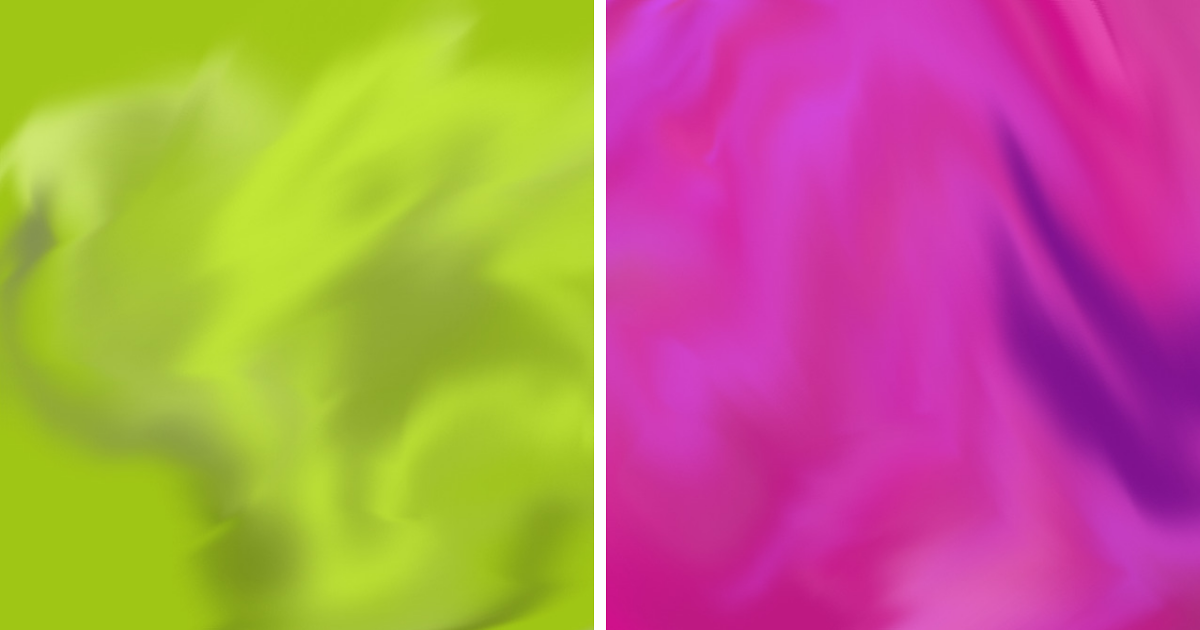

Some people journal. Some people meditate. Some people buy a suspicious number of houseplants and call it “creating a peaceful environment.” I made abstract art. Not the polished, museum-wall kind that makes visitors tilt their heads and whisper, “Ah, yes, the tension of modern existence.” Mine looked more like my brain had sneezed in color. And somehow, that was exactly the point.
Creating abstract art to represent mental health is not about painting a perfect picture of happiness, sadness, anxiety, burnout, recovery, or that oddly specific feeling when your phone battery is at 2% and your charger is in another room. It is about giving shape to emotions that do not always arrive with neat labels. Sometimes mental health feels like a storm. Sometimes it feels like fog. Sometimes it feels like a browser with 47 tabs open, three of them playing music, and none of them willing to identify themselves.
Abstract art gives those inner experiences somewhere to go. Instead of forcing feelings into tidy sentences, it lets color, texture, movement, and empty space do the talking. That is why art-making has become such an important part of wellness conversations, creative self-expression, and even clinical art therapy. While making art at home is not the same as working with a licensed art therapist, the simple act of creating can still help people slow down, notice their emotions, and express what words sometimes cannot carry.
Why Abstract Art Fits Mental Health So Well
Mental health is not always literal. Anxiety does not walk into the room wearing a name tag. Stress rarely says, “Hello, I am here because of your inbox.” Depression, grief, overwhelm, and emotional exhaustion can feel blurry, layered, contradictory, and difficult to explain. Abstract art speaks that language fluently.
Unlike realistic drawing, abstract art does not demand that a tree look like a tree or a face look like a face. It gives permission to use jagged lines for tension, soft circles for comfort, dark washes for heaviness, bright marks for sudden hope, and blank space for the parts of ourselves we are still learning to understand. In other words, abstract art is emotionally honest without requiring perfect technical skill. Finally, an area of life where being messy can be considered “expressive” instead of “please clean your desk.”
When I made abstract art representing my mental health, I was not trying to create a masterpiece. I was trying to create evidence. Evidence that something was happening inside me. Evidence that I could look at it from a little distance. Evidence that feelings can move from the body to the page, even if they do not disappear completely. The art became a visual map of my inner weather.
The Psychology Behind Art and Emotional Expression
Art therapy is recognized as a mental health profession that uses active art-making, the creative process, psychological theory, and a therapeutic relationship to support well-being. That professional context matters. A trained art therapist can help people explore images safely, connect creative choices to emotional patterns, and process difficult experiences with care.
Still, the broader idea behind creative expression is easy to understand: people often feel things before they can explain them. A color might feel more accurate than a paragraph. A rough texture might describe tension better than the word “stress.” A chaotic composition might capture a racing mind better than a calm sentence ever could. Visual art can become a bridge between emotion and awareness.
Research and health organizations have increasingly discussed the role of arts-based practices in supporting mental and physical well-being. Creative activities may help reduce stress, improve mood, support communication, encourage mindfulness, and offer people a sense of agency. In plain English: making art can help your brain stop running around like a raccoon in a convenience store.
What My Abstract Mental Health Art Looked Like
The piece I made had no recognizable objects. No smiling sun. No dramatic portrait. No symbolic dove flying toward emotional freedom, although that would have been very poetic and probably hard to paint without accidentally making it look like a confused pigeon.
Instead, the artwork had layers. At the bottom, I used deep blues and grays, blended unevenly. That layer represented emotional heaviness: the kind that does not scream but sits quietly in the corner and somehow takes up the whole room. Over that, I added sharp black lines crossing in different directions. Those lines stood for anxious thoughts, the mental traffic jams that appear when everything feels urgent even when nothing is technically on fire.
Then came small flashes of yellow, orange, and white. I did not place them neatly. I let them interrupt the darker colors. They represented tiny moments of relief: a good conversation, a funny video, clean sheets, sunlight on the floor, or the heroic first sip of coffee when the morning has been personally rude. These bright marks did not erase the darker ones. They simply existed beside them, which felt more honest.
The final part was empty space. At first, I wanted to fill every corner because blankness felt unfinished. But the more I looked at it, the more the empty space seemed necessary. It represented rest, possibility, and the parts of my mental health that did not need to be solved immediately. Sometimes healing is not adding more. Sometimes it is leaving room.
Color as an Emotional Language
Color is one of the most powerful tools in abstract art for mental health expression. People often connect colors with moods, memories, and physical sensations. Blue might feel calm to one person and lonely to another. Red might represent anger, energy, panic, passion, or the terrifying moment you realize you replied-all by accident. The meaning depends on the artist.
In mental health-inspired abstract art, color does not need to follow traditional symbolism. You do not have to use black for sadness or yellow for joy. Maybe your anxiety is neon green. Maybe your peace is brown. Maybe your burnout is beige because it feels like an office carpet under fluorescent lights. The value comes from choosing colors that feel emotionally true to you.
Dark Colors Do Not Mean Failure
One mistake people make when creating mental health art is assuming dark colors are bad. They are not. Dark colors can represent depth, rest, mystery, protection, or seriousness. A painting with shadows is not automatically hopeless. In fact, allowing difficult emotions into the artwork can be validating. It says, “This is part of my experience, and I do not have to pretend it is not here.”
Bright Colors Do Not Have to Mean Everything Is Fixed
Bright colors can represent hope, but they do not need to turn the painting into a motivational poster. A few bright marks inside a heavy composition can be more powerful than covering the whole canvas in forced cheerfulness. Mental health is rarely a straight line from “struggling” to “perfectly fine.” It is often more like a playlist on shuffle: unpredictable, emotional, and occasionally interrupted by something weird.
Texture, Movement, and the Feeling of the Mind
Texture can make abstract art feel alive. Thick paint, scratched lines, torn paper, soft blending, rough brushstrokes, and layered marks can all communicate emotional states. A smooth area may feel peaceful. A scratched surface may feel restless. A heavy layer of paint may feel like pressure. A thin wash may feel like fading energy.
Movement matters too. Fast strokes can show urgency or racing thoughts. Circular motions can suggest repetition, rumination, or comfort. Vertical lines may feel like growth or pressure. Horizontal lines can feel like calm, distance, or waiting. The body often knows what kind of mark it wants to make before the mind can explain why.
That is one reason art-making can feel surprisingly relieving. It gives the body something to do with emotional energy. Instead of sitting frozen with a feeling, you move your hand, choose a color, press harder, soften the edge, rip the paper, glue something down, or paint over a section that no longer fits. The process becomes a conversation with yourself.
Art Therapy vs. Personal Art-Making
It is important to separate personal art-making from professional art therapy. Making abstract art at home can be meaningful, calming, and reflective. Art therapy, however, is a clinical practice led by trained professionals. It may be used alongside other forms of mental health care to support people dealing with stress, anxiety, trauma, depression, illness, grief, or major life changes.
Personal art-making is still valuable. You do not need a diagnosis, a studio, or a beret with mysterious confidence to benefit from creative expression. You can start with printer paper, markers, old magazines, cheap paint, or a digital drawing app. The goal is not to create something “good.” The goal is to create something honest.
If emotions feel overwhelming, persistent, or hard to manage, professional support is important. Art can be a helpful companion, but it should not be treated as a replacement for mental health care. Think of art as one tool in the toolbox. Therapy, supportive relationships, movement, sleep, healthy routines, and medical care when needed are also part of the bigger picture.
How to Make Abstract Art That Represents Your Mental Health
Creating mental health abstract art does not require a fancy plan. In fact, too much planning can scare the feelings back into hiding. Start simple. Ask yourself: What does my mind feel like today? Heavy or light? Loud or quiet? Sharp or soft? Crowded or empty? Moving or stuck?
Then choose materials based on that feeling. If your mind feels chaotic, you might use bold markers, fast brushstrokes, or collage. If it feels tired, you might use soft pencil, watercolor, or muted tones. If it feels numb, you might begin with one small mark and let the artwork grow slowly. There is no wrong starting point. Even a single line can be a beginning.
Step 1: Choose Three Feelings
Pick three emotions or mental states you want to represent. They do not have to be dramatic. “Tired,” “hopeful,” and “overstimulated” are enough. So are “confused,” “quiet,” and “trying.” The more specific you are, the more personal the artwork becomes.
Step 2: Match Each Feeling With a Visual Element
Assign each feeling a color, shape, texture, or type of line. For example, anxiety might become tight red scribbles. Calm might become pale blue circles. Burnout might become a gray block near the bottom of the page. Hope might become tiny white dots. This turns emotion into design.
Step 3: Let the Layers Interact
Mental health experiences rarely stay in separate boxes, so let your visual elements overlap. Put calm beside stress. Let hope interrupt exhaustion. Let confusion sit next to clarity. The relationship between the layers may reveal something you did not expect.
Step 4: Stop Before You Over-Explain
When the piece feels complete, pause. You do not have to decode every mark. Some parts of the artwork can remain mysterious. The goal is not to produce a psychological report. The goal is to notice, express, and make room for what is present.
Why Sharing Mental Health Art Can Matter
Sharing art about mental health can help people feel less alone. A painting does not need to tell the whole story to create connection. Someone may look at your abstract piece and say, “I do not know exactly what this means, but I understand the feeling.” That moment can be powerful.
Online communities often respond strongly to personal creative work because it feels real. In a world full of filters, trends, and captions pretending Monday is a fresh opportunity instead of a weekly jump scare, honest art stands out. It gives people permission to be complicated.
However, sharing should always be your choice. Some mental health art may feel private. You can create it just for yourself. You can put it in a drawer, photograph it, paint over it, or keep it as a record of a specific season in your life. Not every meaningful thing needs an audience.
What I Learned From Making Mental Health Abstract Art
The biggest lesson was that my feelings became less intimidating once they had a form. Before painting, everything felt tangled. Afterward, the emotions were still there, but they were outside me in a new way. I could look at them, name parts of them, and notice contrast. The artwork did not magically fix my mental health. It did something quieter but still important: it helped me listen.
I also learned that beauty and discomfort can exist in the same place. Some parts of the painting looked intense. Some looked peaceful. Some looked like I had lost a fight with a paintbrush. But together, they felt truthful. Mental health is not always pretty, but honesty has its own kind of beauty.
Most of all, I learned that expression does not have to be perfect to be useful. We often wait until we can explain ourselves clearly before we let anything out. Abstract art says, “Start before you know exactly what this means.” That is a generous invitation.
Experiences Related to Making Abstract Art About Mental Health
The first time I sat down to make abstract art about my mental health, I expected the process to feel peaceful right away. I imagined soft music, gentle brushstrokes, and the kind of calm expression people have in stock photos when they hold a mug with both hands. Instead, I spent ten minutes staring at the blank page like it had personally insulted me.
Blank space can be intimidating because it asks a simple question: “So, what is actually going on in there?” That is not always a question we are eager to answer before lunch. I started with a blue line because blue felt safe. Then I added another line, darker and heavier. Soon the page had a cluster of marks that looked tense, crowded, and oddly familiar. It reminded me of how stress can build quietly. One small worry becomes another, then another, until the mind feels like a group chat where everyone is typing at once.
As I kept working, I noticed that my choices changed with my breathing. When I felt tense, my marks became sharp and fast. When I slowed down, the colors softened. That connection surprised me. The painting was not just showing my mental state; it was responding to it. Every brushstroke became a tiny check-in. Was I rushing? Was I holding my breath? Did I want to cover something up or let it stay visible?
At one point, I painted over an area I had liked. My first reaction was frustration. Then I realized that this also felt familiar. Mental health recovery often involves changing things we thought were permanent. A routine stops helping. A belief needs updating. A coping strategy that once protected us starts making the room feel smaller. Painting over that section became less like ruining the artwork and more like admitting that change is allowed.
I also discovered that abstract art can hold mixed emotions better than words sometimes can. If someone asked, “How are you?” I might say, “Fine,” because explaining the full answer would require a slideshow, a snack break, and possibly a licensed translator for emotional nonsense. But the painting could say more. It could show exhaustion and hope at the same time. It could show pressure and space. It could show that I was not one feeling; I was a whole messy weather system.
When I finished, I did not feel transformed into a permanently calm person who drinks herbal tea and never loses headphones. I still felt human. But I felt clearer. The artwork gave me a way to witness myself without judging every thought. It reminded me that mental health is not only something we manage in private; it is something we can express, explore, and sometimes even turn into color. And honestly, if my brain insists on being complicated, it might as well help decorate the wall.
Conclusion
Making abstract art that represents mental health is a creative way to explore emotions that may be hard to explain directly. Through color, texture, movement, and space, abstract art can turn stress, anxiety, heaviness, hope, and recovery into something visible. It does not need to be technically perfect. It does not need to impress anyone. It only needs to be honest.
Art-making can support self-awareness, emotional expression, stress relief, and connection. Professional art therapy offers a structured clinical approach, while personal creative practice can become a meaningful part of everyday wellness. Whether your painting looks like a quiet sunrise or a dramatic argument between three markers, it can still matter. The canvas does not demand perfection. It simply asks you to begin.