
Some home upgrades announce themselves with power tools, dust clouds, and a budget that suddenly needs its own emotional support group. A Japanese rain chain, thankfully, is not one of them. Elegant, practical, and oddly calming, this centuries-old drainage detail turns ordinary roof runoff into a small outdoor performance. Instead of shoving rainwater down a metal pipe like it has committed a crime, a rain chain lets water travel visibly from gutter to ground, bead by bead, cup by cup, link by link.
Known in Japan as kusari-doi, meaning “chain gutter,” the Japanese rain chain began as a graceful alternative to conventional downspouts. Traditionally seen on temples, tea houses, and homes, it was designed to guide rain from roof eaves into stones, basins, barrels, or garden drainage beds. Today, homeowners in the United States are rediscovering it as a beautiful rain chain downspout alternative that blends water management with garden design. In other words, it is both plumbing and poetryfinally, a home improvement feature with a personality.
What Is a Japanese Rain Chain?
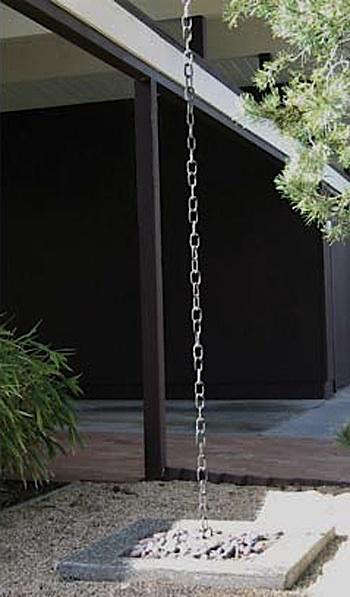
A Japanese rain chain is a vertical chain, usually made of metal, that hangs from a roof edge or gutter outlet to direct rainwater downward. Unlike a closed downspout, which hides the water, the rain chain exposes the movement. During a drizzle, droplets cling to the links and slide quietly. During a steady shower, water cascades in a ribbon. In a heavy storm, the chain may become a lively little waterfall, possibly auditioning for a role in your backyard spa fantasy.
Most rain chains fall into two major categories: link-style rain chains and cup-style rain chains. Link styles use simple loops, rings, or decorative chain shapes. They look minimal, modern, and airy. Cup styles use a series of small vesselsoften shaped like bells, lilies, lotus flowers, fish, or hammered bowlsto catch and pass water downward. Cup-style chains generally control water better, especially in heavier rainfall, because each cup slows and centers the flow before releasing it to the next one.
Why Rain Chains Feel So Different From Downspouts
A standard downspout does its job quietly, but visually it is about as exciting as a filing cabinet wearing beige pants. It moves water away from the roof, yes, but it rarely improves the look of a house. A Japanese rain chain changes that relationship. It takes a utility function and makes it visible, intentional, and decorative.
The appeal is partly visual. A copper rain chain glows warmly when new, then slowly develops a brown or greenish patina that looks as if the garden has claimed it. A matte black chain can sharpen a modern exterior. A brass or bronze finish adds old-world charm. Glass accents, sculptural cups, and hammered metal designs can make the chain feel like jewelry for the roofline.
The appeal is also sensory. Rain chains create sound: a soft tapping, trickling, or chiming effect depending on the material and design. Place one near a porch, garden path, kitchen window, or covered patio and suddenly rainy weather becomes less “ugh, my shoes” and more “look at me, I live in a design magazine.”
The Japanese Design Philosophy Behind Rain Chains
The beauty of a Japanese rain chain is not just that it looks pretty. It reflects a broader design idea: nature should not always be hidden, controlled, or pushed out of sight. Water, wind, stone, moss, shadow, and seasonal change are part of the experience of a home and garden.
In Japanese garden design, rain is not treated as an inconvenience. It is movement, sound, reflection, and atmosphere. A rain chain makes rainfall legible. You can see how hard it is raining. You can hear the rhythm change. You can watch water gather, fall, splash, disappear into gravel, or collect in a basin. The chain becomes a small weather instrument, only much prettier than the one your uncle keeps yelling at during football season.
This is why rain chains work especially well in gardens inspired by natural materials: stone paths, gravel beds, bamboo fencing, cedar siding, clay pots, mossy corners, low plantings, and water basins. But they are not limited to Japanese-style landscapes. A rain chain can look equally at home on a craftsman bungalow, farmhouse porch, modern shed, courtyard garden, or compact urban patio.
Best Materials for a Japanese Rain Chain
Copper Rain Chains
Copper is the classic choice and often the most beloved. It is durable, weather-resistant, and visually rich. Fresh copper starts bright and warm, then deepens over time. Depending on climate and exposure, it may develop a natural patina that gives the chain an aged, organic look. For homeowners who like materials that improve with age, copper is hard to beat. It is the rain chain equivalent of a leather jacket that actually gets cooler after a few storms.
Aluminum Rain Chains
Aluminum is lightweight, affordable, and often available in powder-coated finishes. It is a smart option for longer drops or areas where the gutter structure cannot support heavy metal. Aluminum does not patina like copper, but it can provide a clean, consistent look. Black aluminum rain chains are especially popular for modern exteriors, where the contrast against pale siding or wood can be striking.
Brass, Bronze, and Stainless Steel
Brass and bronze offer warmth and character, while stainless steel gives a sleek contemporary feel. Stainless steel is practical for homeowners who want a cleaner, less rustic appearance. Iron rain chains can be decorative and budget-friendly, but they may rust depending on finish and climate. That rust can be charming in the right cottage garden, but less charming when it stains pale pavers like an overdramatic teabag.
Cup Style vs. Link Style: Which One Should You Choose?
If you live in an area with frequent heavy rain, a cup-style rain chain is usually the better performer. The cups collect and guide water, reducing splash and keeping the flow more centered. Look for deeper cups, larger openings, and sturdy connections. Lotus cups, bell cups, hammered cups, and flared cups are popular because they combine function with visible movement.
If your rainfall is lighter or you want a more minimal look, a link-style rain chain may be ideal. Oval loops, double rings, square links, and sculptural chains create a cleaner silhouette. Link styles can also handle wind better because they offer less surface area than cup designs. However, they may splash more during storms, so placement matters.
A good rule of thumb: choose cups for performance, links for simplicity, and hybrid designs when you want a little of both. Also consider scale. A tiny chain on a tall two-story roof can look like a necklace borrowed from a dollhouse. A large, heavy chain on a small shed may look like the shed is being restrained for everyone’s safety.
Where to Place a Rain Chain
The best location for a Japanese rain chain is usually where a downspout already exists. That spot has already been chosen because water naturally concentrates there. Remove the downspout, attach the rain chain to the gutter outlet using the proper hanger or installation kit, and guide the bottom of the chain into a safe drainage area.
If your home does not have gutters, observe the roof during a rainstorm. Look for corners, valleys, or roof edges where water naturally pours down. These points can sometimes accept a rain chain with a leaderhead, scupper, or custom gutter outlet. The goal is not simply to hang something pretty from the roof and hope the rain gets the memo. The chain must be placed where water actually flows.
Excellent rain chain locations include porch corners, garden sheds, pergolas with gutters, patio roofs, garage overhangs, and courtyard edges. Avoid spots where splash could hit doors, wood siding, basement windows, walkways, or areas close to the foundation without drainage protection.
What Should Go Under a Rain Chain?
A rain chain needs a landing zone. Without one, water may splash soil onto walls, carve a muddy crater, or gather where you absolutely do not want it. The most common options are a gravel drainage bed, a stone basin, a rain barrel, a ceramic pot filled with river rocks, or a planted rain garden.
Gravel or River Rock Bed
A bed of gravel or river stones is simple, attractive, and effective. It breaks the fall of water, reduces erosion, and helps water soak gradually into the soil. For best results, create a shallow basin below the chain and fill it with stone. Larger river rocks on top can add a polished finish.
Rain Barrel
Directing a rain chain into a rain barrel is a practical way to collect water for garden use. This works especially well when the chain is centered over the barrel opening. Add a screen to reduce debris and mosquitoes, and make sure the barrel has an overflow route that sends excess water away from the foundation.
Decorative Basin or Pot
A ceramic basin or large planter can turn the bottom of the chain into a water feature. Use drainage holes and stone fill if the pot is not meant to hold standing water. For a softer look, place moisture-loving plants nearby, but avoid drowning them. Plants enjoy water; they do not enjoy being enrolled in submarine school.
How to Install a Japanese Rain Chain
Installing a rain chain is usually a manageable weekend project, especially when replacing an existing downspout. Most kits include a hanger, hook, or V-shaped gutter clip. The process typically involves removing the downspout, securing the rain chain at the gutter outlet, adjusting the length, and preparing the drainage area below.
Start by measuring from the gutter outlet to the ground or basin. Most rain chains are sold in standard lengths, often around 8 to 8.5 feet, though extensions are available. The chain should reach close to the ground or into the basin, but it does not always need to touch. Leaving a few inches of clearance can help prevent tangling and allow water to fall neatly into stone or a container.
Secure the top connection carefully. A rain chain becomes heavier when wet, and wind can move it. If your gutter is weak, damaged, or poorly attached, repair it before adding the chain. Once installed, test the flow by running water through the gutter with a hose. Watch for splash, overflow, and whether the water lands where intended. This is the home-improvement version of a dress rehearsal, except the star is gravity.
Maintenance: Keeping the Chain Beautiful
Rain chains are low maintenance, but they are not no maintenance. Leaves, twigs, roof grit, seed pods, and other debris can collect in cups or gutter outlets. Clean the gutter regularly so water can enter the chain cleanly. If you use a cup-style design, check the cups after storms and rinse them when needed.
Copper chains can be left to age naturally, which is part of their charm. If you prefer the bright copper look, you can clean the surface periodically with a copper-safe cleaner. Just remember that outdoor copper wants to change. Fighting patina forever is possible, but so is teaching a cat to respect your houseplantstechnically imaginable, spiritually exhausting.
In cold climates, consider removing the chain before heavy snow or freezing rain. Ice buildup can add weight, strain gutters, and block water flow. If winter in your area is mild, the chain may stay in place year-round, but always consider local weather conditions and the strength of your gutter system.
Design Ideas for a Japanese Rain Chain
For a traditional Japanese-inspired garden, pair a copper cup rain chain with a stone basin, pea gravel, mossy groundcover, and a few carefully placed rocks. Keep the surrounding palette restrained: green, gray, brown, and weathered metal. The result feels quiet and intentional, like the garden is whispering instead of shouting.
For a modern home, choose a black aluminum link chain or a simple stainless steel design. Place it against smooth stucco, vertical wood siding, or fiber cement panels. Use dark gravel or a minimalist concrete basin below. The effect is architectural and crisp, without feeling cold.
For a cottage garden, try flower-shaped cups, lotus forms, or aged copper bells. Let the chain empty into a glazed pot surrounded by ferns, hostas, sedges, or rain-loving perennials. This style embraces softness and seasonal change. It also gives you an excuse to say “rain-loving perennials” at garden centers, which sounds impressively adult.
For a small balcony or townhouse patio, use a short decorative chain from a small roof overhang or pergola gutter, then guide the water into a compact basin or planter. Just make sure water is not draining onto a neighbor’s space. A rain chain should create serenity, not start a homeowners association subplot.
Common Mistakes to Avoid
The first mistake is assuming a rain chain can replace an entire gutter system. It cannot. A rain chain can replace or supplement a downspout, but the roof still needs a smart way to collect and direct runoff. The second mistake is placing the chain too close to the foundation without a drainage plan. Water must move away from the house or into an appropriate collection system.
The third mistake is choosing a chain based only on looks. A delicate link chain may be lovely, but it may not perform well under heavy roof runoff. A huge cup chain may handle water beautifully, but it may be too heavy for a weak gutter. Match the chain to rainfall, roof size, gutter strength, and style.
The fourth mistake is ignoring splash. Even the best rain chain can splash during wind-driven storms. Place it where splash will not damage siding, doors, wood trim, or walkways. Add stones, a basin, or a deeper catchment system to control water at the bottom.
Is a Japanese Rain Chain Worth It?
For many homeowners, yes. A Japanese rain chain is a small upgrade with an outsized design payoff. It improves curb appeal, adds movement to the garden, softens the look of gutters, and creates a soothing rain sound. It can also support practical water management when paired with a rain barrel, drainage bed, or rain garden.
That said, it is not perfect for every situation. If your home faces intense storms, frequent high winds, heavy snow, or drainage problems near the foundation, a traditional downspout may still be the more reliable option. In some cases, a rain chain works best as a decorative feature on a secondary roof, porch, shed, or garden structure rather than the main drainage system.
Experience Notes: Living With a Japanese Rain Chain
The first thing people notice about a Japanese rain chain is usually not the design. It is the sound. There is a surprising difference between rain disappearing into a downspout and rain traveling openly through metal cups. A downspout makes water sound like plumbing. A rain chain makes water sound like weather. That small shift changes the mood of a porch, patio, or garden corner.
In real use, placement matters more than most people expect. A rain chain hung near a window can make rainy mornings feel cozy and cinematic. Hang it too close to a walkway, however, and the same charming cascade may become a splashy ankle ambush. The best installations are the ones that look casual but are actually carefully planned. The chain lines up with the gutter outlet, the bottom has stone or a basin, and overflow has somewhere sensible to go.
Cup-style chains tend to feel more dramatic because you can see water collect and spill from one cup to the next. They are satisfying in the way a tiny waterfall is satisfying. Link chains are subtler. They shine during light rain, when droplets cling to the metal and travel slowly downward. If your goal is performance, choose cups. If your goal is quiet elegance, links may win.
The material changes the experience too. Copper feels alive because it ages. At first, it may look almost too new, like it arrived overdressed for the garden party. After a few months outdoors, it begins to settle in. The shine softens, the color deepens, and the chain starts to look as if it has always belonged there. Black aluminum, on the other hand, keeps a cleaner graphic line and works beautifully with modern architecture.
Maintenance is easiest when the surrounding roof and gutter are clean. If leaves regularly clog the gutter outlet, the chain will not perform well. A simple leaf guard or occasional cleaning can save a lot of frustration. After big storms, it is worth checking whether the drainage bed has shifted or whether splash has moved gravel around. Rainwater is gentle, but it is also persistent. Given enough time, it will redecorate without asking permission.
The most rewarding part of using a Japanese rain chain is how it changes your attitude toward rainy days. Instead of seeing rain as something to shut out, you start watching it. You notice the difference between drizzle, steady rain, and a summer downpour. You notice how water sounds on copper compared with stone. You notice the garden drinking. That is the quiet genius of the rain chain: it does not just move water. It makes you pay attention.
Conclusion
A Japanese rain chain is a rare home detail that is practical, beautiful, and emotionally persuasive. It manages rainwater, softens the appearance of gutters, creates sound and movement, and adds character to outdoor spaces. Whether you choose a copper lotus cup chain for a Japanese-inspired courtyard or a sleek black link chain for a modern porch, the best design begins with the same principle: water should go somewhere safe, and it might as well look good getting there.
Think of it as design sleuthing at its finest. You take a humble problemrain falling off a roofand discover that the solution can be elegant, historic, sustainable, and just a little magical. Not bad for something that hangs from a gutter.