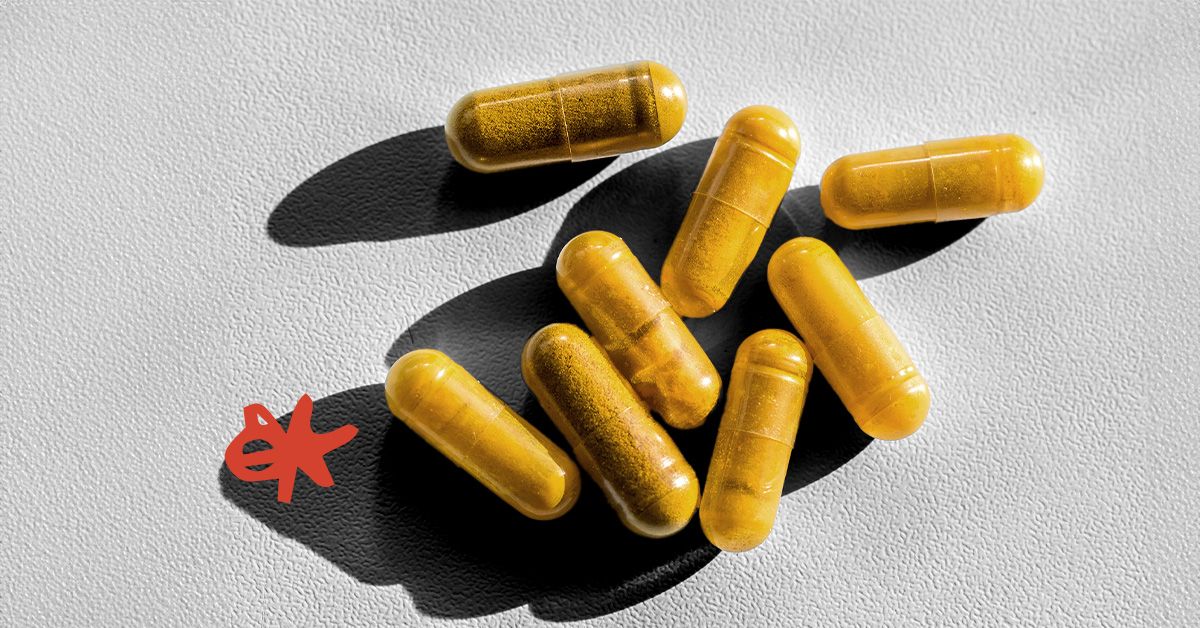

Golden, earthy, and suspiciously good at staining everything it touches, turmeric has become the wellness world’s favorite sunshine-colored spice. It shows up in curry, lattes, smoothies, capsules, gummies, powders, shots, teas, and the occasional refrigerator shelf that now looks permanently marigold. For many people, turmeric is simply a flavorful kitchen staple. For others, it has become a daily supplement taken for inflammation, joint pain, digestion, heart health, or “general wellness,” which is the health aisle’s polite way of saying, “Maybe it helps everything?”
But an important question has been bubbling up in medical journals and liver clinics: Could turmeric supplements cause liver injury in some people? The careful answer is yes, they can in rare cases. That does not mean turmeric in food is dangerous for most people. It does mean that high-dose turmeric or curcumin supplements, especially formulas designed for enhanced absorption, deserve more respect than a casual sprinkle of spice over roasted vegetables.
This article takes a balanced look at the evidence, the possible warning signs, who may be at higher risk, and how to think about turmeric supplements without treating either the spice jar or the supplement bottle like a magical golden passport to perfect health.
Turmeric vs. Curcumin: Same Family, Different Intensity
Turmeric comes from the rhizome of Curcuma longa, a plant in the ginger family. In cooking, it is used for its warm flavor, yellow-orange color, and long cultural history in South Asian, Southeast Asian, Middle Eastern, and global cuisines. Its best-known active compound is curcumin, a curcuminoid studied for antioxidant and anti-inflammatory effects.
Here is where the confusion begins. A teaspoon of turmeric powder in a recipe is not the same thing as a concentrated curcumin supplement. Whole turmeric contains a relatively small percentage of curcuminoids, along with oils, starches, fiber, and other plant compounds. Supplements may contain purified extracts, standardized curcuminoids, high-potency capsules, or “bioavailable” formulations designed to push more curcumin into the bloodstream.
That difference matters. Food amounts of turmeric are generally considered safe for most people. Supplement amounts can be much higher and more pharmacologically active. In plain English: curry is dinner; a concentrated capsule is closer to a biological experiment you repeat every morning with coffee.
Why People Take Turmeric Supplements
Most people do not take turmeric because they are bored and thought their medicine cabinet needed more yellow. They take it because they are hoping for relief. Turmeric and curcumin products are commonly marketed for:
- Joint pain and osteoarthritis stiffness
- Inflammation support
- Digestive comfort
- Heart and metabolic health
- High cholesterol support
- Nonalcoholic fatty liver disease support
- General immune or antioxidant benefits
Some early research suggests curcumin may help certain symptoms, particularly knee osteoarthritis pain in some studies. There is also ongoing research into curcumin’s role in metabolic health, inflammatory conditions, and liver-related conditions such as fatty liver disease. However, the evidence is not strong enough to say turmeric supplements are a proven treatment for most health problems. Many studies are small, short-term, or use different formulas, making comparisons tricky.
The key SEO-friendly takeaway is simple: turmeric supplements may have potential benefits, but they are not risk-free, and the science is more complicated than the front label of a supplement bottle suggests.
So, Can Turmeric Supplements Cause Liver Injury?
Yes, rare cases of turmeric-associated liver injury have been reported. Medical reports describe people who developed hepatitis-like liver inflammation after taking turmeric or curcumin supplements. The pattern is often called drug-induced liver injury, or DILI, although the trigger can be a prescription drug, over-the-counter medicine, herb, or dietary supplement.
In reported turmeric-related cases, liver injury often appeared after weeks to a few months of supplement use. Some people developed fatigue, nausea, abdominal discomfort, dark urine, itching, jaundice, and very high liver enzyme levels. Many improved after stopping the turmeric product, but some cases were serious enough to require hospitalization. Rare severe outcomes, including liver failure, have been described.
This does not mean everyone who takes turmeric supplements will injure their liver. Most will not. The concern is that the injury may be idiosyncratic, meaning it happens unpredictably in susceptible individuals. Your neighbor may take a turmeric capsule every day and feel fine, while another person may develop a dangerous reaction from a similar product. Biology enjoys making simple wellness advice look foolish.
Why the Liver Gets Involved
The liver is your body’s chemical processing plant. It helps metabolize medications, alcohol, hormones, toxins, and many compounds from food and supplements. When you swallow a high-dose herbal product, the liver often gets assigned cleanup duty.
Curcumin itself has poor natural absorption. That is one reason many supplement companies add ingredients or technologies that increase bioavailability. The goal is to help the body absorb more curcumin instead of sending most of it through the digestive tract unused. From a marketing perspective, “better absorption” sounds fantastic. From a liver-safety perspective, it may be a double-edged sword.
The Black Pepper Factor: Piperine and Bioavailability
Many turmeric supplements include black pepper extract, often listed as piperine or BioPerine. Piperine can increase curcumin absorption substantially by slowing its breakdown and improving uptake. That may make a supplement more effective, but it may also increase exposure to curcumin and possibly raise the risk of adverse reactions in some people.
This is one reason clinicians pay attention to labels that say “enhanced absorption,” “high bioavailability,” “with black pepper,” “with piperine,” “phytosome,” “liposomal,” or “nano-curcumin.” Those words are not automatically bad. They are simply a sign that the product is not behaving like a spoonful of turmeric powder in soup.
Symptoms of Possible Liver Injury
Liver injury can be sneaky. Early symptoms may feel like a vague flu, stress, a bad lunch, or the consequences of being an adult with a calendar. But certain warning signs deserve fast attention, especially if they appear after starting a new supplement.
Call a Healthcare Professional if You Notice:
- Unusual fatigue or weakness
- Nausea or vomiting that does not improve
- Loss of appetite
- Upper right abdominal pain or discomfort
- Dark urine, sometimes described as tea- or cola-colored
- Pale, gray, or clay-colored stools
- Yellowing of the skin or eyes
- Whole-body itching without an obvious rash
If these symptoms occur, stop taking the turmeric or curcumin supplement and seek medical advice promptly. Severe jaundice, confusion, persistent vomiting, or signs of serious illness should be treated as urgent. The liver is forgiving, but it prefers not to be ignored while waving yellow flags.
Who May Be at Higher Risk?
Because turmeric-associated liver injury appears rare and somewhat unpredictable, researchers are still working to understand who is most vulnerable. However, several groups should be especially cautious.
People With Existing Liver Disease
Anyone with hepatitis, cirrhosis, fatty liver disease, autoimmune liver disease, bile duct disorders, or a history of abnormal liver enzymes should talk with a healthcare provider before taking turmeric supplements. Even if curcumin is being studied for certain liver conditions, self-prescribing a high-dose product is not the same as participating in a monitored clinical trial.
People Taking Multiple Medications
Supplements can interact with prescription and over-the-counter medications. Turmeric and curcumin may affect drug-metabolizing enzymes, blood clotting, blood sugar, and other pathways. People taking blood thinners, diabetes medications, chemotherapy, immunosuppressants, methotrexate, statins, or several daily prescriptions should ask a clinician or pharmacist before adding turmeric capsules.
People Using High-Dose or Enhanced-Absorption Products
Higher dose does not always mean better results. With supplements, higher dose sometimes means “congratulations, you have turned a gentle idea into a liver paperwork problem.” Products with piperine, liposomal delivery, or other absorption-enhancing technologies may deserve extra caution, particularly if taken daily for months.
People With Gallbladder or Kidney Stone Concerns
Turmeric may not be ideal for people with gallstones, bile duct obstruction, or a tendency toward kidney stones. This does not mean everyone in these categories must avoid turmeric in food, but supplement-level intake should be discussed with a healthcare professional.
Pregnant or Breastfeeding People
Turmeric used as a culinary spice is generally different from medicinal doses. During pregnancy or breastfeeding, high-dose supplements should be approached carefully and only with medical guidance.
Food Turmeric Is Not the Same as Supplement Turmeric
One of the most important distinctions is between turmeric as a spice and turmeric as a supplement. The amount of curcumin in a normal meal is typically far lower than the amount in a concentrated capsule. Cooking with turmeric in soups, stews, rice dishes, marinades, eggs, roasted vegetables, or curry is unlikely to produce the same exposure as taking 1,000 to 2,000 milligrams of curcumin extract every day.
That is good news for people who love turmeric in food. You do not need to treat your spice rack like a hazardous materials cabinet. The concern is mainly with concentrated supplements, especially high-dose products taken long-term or formulated for enhanced absorption.
Why Supplement Labels Can Be Tricky
In the United States, dietary supplements are regulated differently from prescription drugs. Manufacturers are responsible for product safety and labeling before products reach the market, but supplements generally do not go through the same premarket approval process for safety and effectiveness that drugs do.
That means two turmeric supplements may look similar on a shelf while differing in curcumin concentration, added ingredients, absorption enhancers, contaminants, dosage recommendations, and testing quality. One bottle may list turmeric root powder. Another may list turmeric extract standardized to 95% curcuminoids plus black pepper extract. A third may add a proprietary blend that reads like a botanical group project with unclear accountability.
Consumers should look for third-party testing from reputable organizations such as USP, NSF, or Informed Choice. These certifications do not prove that a supplement works, but they can help confirm that what is on the label is more likely to match what is in the bottle.
How Doctors Evaluate Suspected Turmeric-Related Liver Injury
If a patient arrives with high liver enzymes and symptoms such as jaundice or dark urine, clinicians usually investigate many possible causes. They may test for viral hepatitis, autoimmune liver disease, alcohol-related injury, bile duct blockage, metabolic disorders, acetaminophen toxicity, prescription-drug reactions, and other conditions.
Supplement history is crucial. Patients often forget to mention turmeric, green tea extract, ashwagandha, bodybuilding supplements, weight-loss products, or “natural detox” formulas because they do not think of them as medicine. But the liver does not care whether a compound came from a pharmacy, a plant, or a wellness influencer standing in front of beige kitchen cabinets.
In suspected cases, stopping the supplement is usually the first step. Doctors may monitor liver enzymes, bilirubin, blood clotting measures, and symptoms. Some patients recover steadily after discontinuation. Others require hospitalization, imaging, specialist evaluation, or additional treatment depending on severity.
Smart Ways to Use Turmeric More Safely
If you are considering turmeric supplements, safety starts with boring but useful questions:
- Why am I taking this supplement?
- Is there good evidence for my specific goal?
- What dose am I taking?
- Does the product contain piperine or enhanced absorption technology?
- Do I have liver disease, gallbladder disease, kidney stones, or diabetes?
- Could it interact with my medications?
- Have I told my doctor or pharmacist?
For many people, using turmeric in food is the simplest and safest route. Add it to lentil soup, scrambled eggs, roasted cauliflower, rice, salad dressing, or tea. Pair it with healthy fats and black pepper in normal food amounts if you enjoy the flavor. Food-first turmeric gives you culinary pleasure without turning breakfast into a supplement trial.
If you choose a supplement, avoid megadosing. Follow label directions, select third-party-tested products, avoid stacking multiple anti-inflammatory supplements, and consider periodic medical monitoring if you take it regularlyespecially if you have health conditions or take medications.
Common Myths About Turmeric and Liver Health
Myth 1: “Natural Means Safe”
Arsenic is natural. Poison ivy is natural. A raccoon in your pantry is natural. Natural is not the same as safe. Turmeric has a long history as a food spice, but concentrated extracts can behave differently in the body.
Myth 2: “If It Supports the Liver, It Cannot Hurt the Liver”
Some compounds may show liver-supportive effects in specific research settings while still causing liver injury in rare susceptible people. The same general category can contain both potential benefit and potential harm depending on dose, formulation, genetics, and context.
Myth 3: “More Curcumin Means More Benefit”
The body is not a simple vending machine where more ingredient equals more result. Higher doses may increase side effects, interactions, and liver exposure without guaranteeing better pain relief or inflammation control.
Myth 4: “Supplements Do Not Count as Medication”
Your doctor needs to know what you take. This includes capsules, powders, gummies, teas, tinctures, wellness shots, and anything marketed with suspiciously calm fonts and the word “cleanse.”
Real-Life Experiences and Practical Lessons
Experiences with turmeric supplements vary widely. One person may take a modest curcumin capsule for knee stiffness and feel a small improvement. Another may notice nothing except a lighter wallet and yellow burps, which, while memorable, are not a clinical endpoint. A third person may develop nausea, fatigue, itching, or dark urine weeks after beginning a high-potency product and only later realize the supplement could be involved.
Consider a common scenario: someone in their 50s starts taking turmeric after reading that it may help joint pain. The bottle says “extra strength,” “enhanced absorption,” and “with black pepper extract.” The person takes it daily, sometimes doubling up on days when their knees complain after gardening. After two months, they feel exhausted, lose their appetite, and notice urine that looks darker than usual. They blame dehydration, stress, or a questionable taco. Eventually, yellowing eyes send them to urgent care, where blood tests show liver inflammation. Their care team asks about medications, alcohol, infections, and supplements. The turmeric product finally enters the conversation, looking less like a harmless spice and more like a suspect wearing a golden trench coat.
Another experience is less dramatic but still instructive. A person with fatty liver disease hears that turmeric may support liver health. Wanting to be proactive, they buy a high-dose curcumin supplement online. They do not mention it at their annual physical because it seems “natural.” Their liver enzymes, previously stable, rise at the next checkup. The doctor reviews alcohol intake, medications, weight changes, viral hepatitis tests, and then asks about supplements. Once the curcumin is stopped, the enzymes improve. Was turmeric definitely the cause? Not always easy to prove. But the timing is enough to teach a valuable lesson: when the liver changes, supplement history matters.
There are also people who use turmeric wisely and never run into trouble. They cook with it regularly, enjoy golden milk occasionally, or take a low-dose supplement after discussing it with a clinician. They avoid products with extreme dosing, choose brands with third-party testing, and stop if new symptoms appear. These experiences are important too because the goal is not panic. The goal is informed caution.
The most practical lesson from real-world experiences is that supplement safety depends on context. Dose matters. Product quality matters. Absorption enhancers matter. Medication interactions matter. Personal biology matters. A turmeric capsule is not automatically dangerous, but it is also not automatically harmless because it came from a plant. Plants have chemistry. Chemistry has consequences. The liver keeps receipts.
People who have had bad experiences often say the same thing afterward: they wish they had told their doctor sooner, read the label more carefully, or stopped at the first unusual symptoms. Many also say they assumed a supplement sold in a store must have been tested like a prescription drug. That assumption is understandable, but it is not how the supplement market works.
For readers considering turmeric for joint pain or inflammation, a reasonable approach is to start with lifestyle basics that have broader evidence: regular movement, strength training, adequate sleep, balanced meals, weight management when appropriate, and medical evaluation for persistent pain. Turmeric in food can be part of that pattern. A supplement may be worth discussing, but it should not replace diagnosis, treatment, or common sense.
For readers already taking turmeric supplements, do not panic-scroll through your symptoms at midnight and decide your liver has resigned. Instead, review the product, dose, and ingredients. Look for piperine, black pepper extract, enhanced absorption claims, and high curcuminoid concentrations. If you have symptoms or risk factors, contact a healthcare professional. If you feel well but take it daily, consider bringing the bottle to your next appointment. Doctors and pharmacists love accurate labels almost as much as they love patients who do not make them guess.
Conclusion: A Golden Spice, Not a Free Pass
So, could turmeric supplements cause liver injury in some people? Yes. The risk appears rare, but it is real enough to deserve attention. The biggest concern is not ordinary turmeric used in cooking. It is concentrated turmeric or curcumin supplements, particularly high-dose or enhanced-absorption formulas that may increase the amount of curcumin reaching the bloodstream and the liver.
Turmeric can still have a place in a healthy diet. It is delicious, colorful, and culturally important. But supplements should be treated with the same seriousness as other biologically active products. Talk with a healthcare professional if you have liver disease, take medications, are pregnant or breastfeeding, or plan to use turmeric capsules daily. Stop and seek medical advice if warning signs such as jaundice, dark urine, severe fatigue, nausea, or itching appear.
The golden rule is simple: enjoy turmeric as food, be cautious with turmeric as a supplement, and never let the word “natural” do all the thinking for you.
Note: This article is for educational purposes only and is not a substitute for medical diagnosis or treatment. Anyone with symptoms of liver injury or questions about supplement safety should consult a qualified healthcare professional.