
When you have diabetes, snack time can feel like a pop quiz you did not study for. Is this food going to raise blood sugar? Is it secretly a dessert wearing a “healthy” label? Is that handful of trail mix actually 80% chocolate chips and good intentions?
Thankfully, nuts can make diabetes-friendly eating easier. Most nuts are low in carbohydrates, contain protein, fiber, and mostly unsaturated fats, and can help make snacks and meals more satisfying. They are not magic blood-sugar erasers, unfortunately. No walnut has ever marched into your bloodstream wearing a cape. But when nuts replace refined-carb snacks such as cookies, chips, or candy, they can support steadier eating habits and heart health.
The five best nuts for diabetes are walnuts, almonds, pistachios, pecans, and peanuts. Each has a slightly different nutrition personality: some bring more fiber, some offer plant omega-3 fats, and some are particularly useful when you need a crunchy snack that does not turn into a blood-sugar roller coaster.
Before we crack into the list, one important reminder: the “best” nut is usually the one you enjoy consistently, can afford, tolerate safely, and eat in an appropriate portion. A plain handful of nuts can be a smart snack. A giant bowl of honey-roasted, candy-coated, salt-bomb nuts is a very different character in the story.
Why Nuts Can Be Helpful for People With Diabetes
Diabetes management is not just about avoiding sugar. It is about building meals that support blood glucose, blood pressure, cholesterol, appetite, and overall heart health. That matters because people with diabetes have a higher risk of cardiovascular disease, making the quality of dietary fats especially important.
Nuts generally contain unsaturated fats, plant protein, fiber, magnesium, and naturally low amounts of digestible carbohydrate. These qualities can make them a useful partner for carbohydrate-containing foods. For example, pairing an apple with almonds or spreading natural peanut butter on whole-grain toast may be more satisfying than eating a sweet snack alone. The Centers for Disease Control and Prevention specifically notes that adding a protein source, including a small handful of nuts, to a carbohydrate-containing snack may help you stay full longer and avoid sharp blood sugar spikes.
Research on nuts and diabetes is encouraging but should be interpreted with some humility. Studies suggest that nuts may support better blood lipid levels and may improve some markers related to blood glucose or insulin resistance, especially when they replace less nutritious foods. However, results differ by nut type, portion, study length, and the rest of a person’s diet. Nuts are helpful supporting players, not solo superheroes.
The Portion Rule: A Handful, Not a Hardware Store Bucket
Nuts are nutrient-dense, which is wonderful until the snack bowl starts behaving like a bottomless pit. A standard serving is usually about 1 ounce, or a small handful. The American Heart Association describes this as roughly a small handful of whole nuts, while the CDC suggests using a cupped hand as a rough visual guide for 1 to 2 ounces.
For many people, 1 ounce is a practical daily amount. Measure it a few times at home so your eyes learn what the portion looks like. Once you know it, you will be less likely to accidentally snack your way through what was supposed to be a week’s supply.
1. Walnuts: Best for Plant Omega-3 Fats
Walnuts earn the top spot because they bring something many other nuts do not: a notable amount of alpha-linolenic acid, or ALA, a plant-based omega-3 fatty acid. Omega-3 fats are often discussed in connection with fish, but walnuts are one of the most accessible plant sources.
For people with diabetes, walnuts are especially attractive because they fit comfortably into a heart-conscious eating pattern. They provide healthy fats, fiber, and a satisfying rich texture that can help replace less nutritious toppings or snacks. Sprinkle chopped walnuts over plain Greek yogurt, oatmeal, roasted vegetables, or a leafy salad instead of using sugary granola or crunchy fried toppings.
Walnuts may also be useful for people trying to improve the overall fat quality of their diet. Replacing saturated-fat-heavy snacks, such as pastries or processed meat snacks, with walnuts can be a simple dietary upgrade. The American Heart Association highlights walnuts as a source of omega-3 fats, and broader nutrition research links regular nut intake with cardiovascular benefits.
Easy Walnut Ideas
- Add chopped walnuts to unsweetened oatmeal with cinnamon and berries.
- Mix walnuts into a salad with grilled chicken, cucumber, and olive oil vinaigrette.
- Use crushed walnuts as a crunchy coating for baked fish or roasted vegetables.
- Keep a measured portion in your desk drawer for the 3 p.m. “I need a cookie immediately” moment.
2. Almonds: Best All-Around Everyday Nut
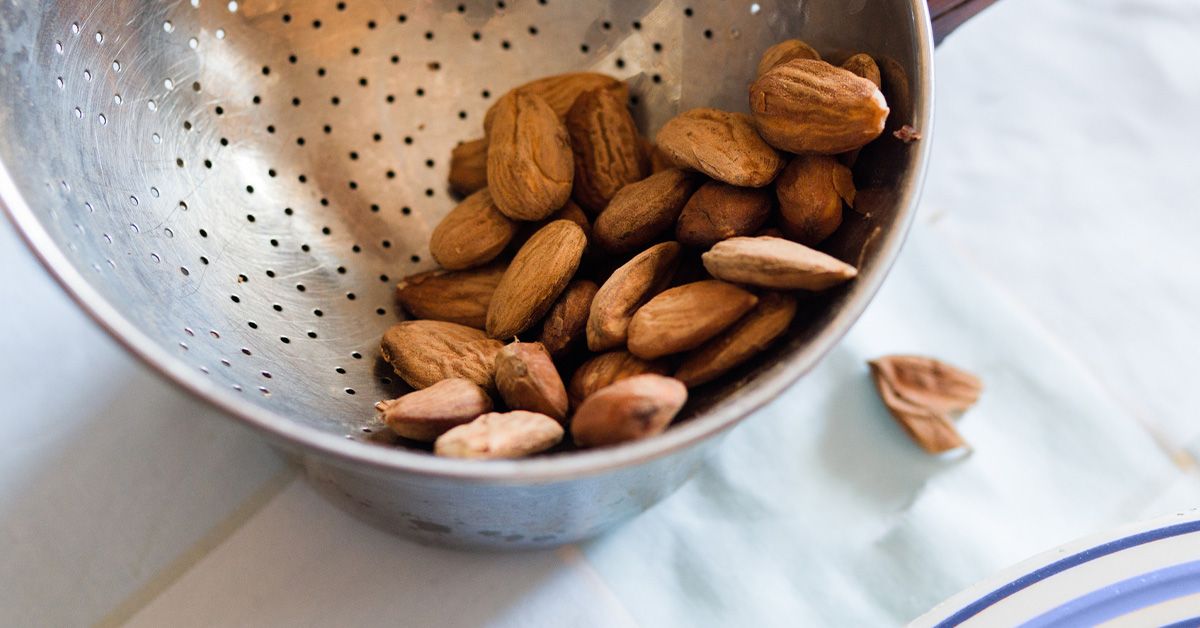
Almonds are the dependable workhorse of the diabetes-friendly pantry. They are easy to find, easy to portion, portable, and versatile enough to appear in breakfast, lunch, dinner, and snacks without making a dramatic entrance.
Almonds provide protein, fiber, healthy fats, and magnesium. Magnesium plays a role in many body functions, including blood glucose regulation, and nuts such as almonds are among common dietary sources.
Research has examined almonds in people with type 2 diabetes, with some studies finding improvements in glycemic and cardiovascular risk markers when almonds were incorporated into a balanced eating pattern. That does not mean everyone needs to turn into an almond-based life form. It simply supports the idea that almonds can be a sensible replacement for refined snack foods.
Choose raw or dry-roasted almonds with little or no added salt. Flavored almonds can be delicious, but “maple bourbon,” “honey roasted,” and “cinnamon sugar” are often code for “this snack has wandered closer to candy.” Read the Nutrition Facts label and ingredient list before assuming a package is diabetes-friendly.
Easy Almond Ideas
- Pair almonds with a small apple or pear.
- Add sliced almonds to plain yogurt with berries.
- Use almond butter with celery, whole-grain crackers, or toast.
- Mix almonds with pumpkin seeds and unsweetened coconut flakes for a low-sugar snack mix.
3. Pistachios: Best for Mindful Snacking
Pistachios are the snack equivalent of putting a speed bump between you and the bag. When you buy in-shell pistachios, opening each shell slows down eating, which can help you notice when you are satisfied. That tiny pause can be surprisingly useful when portion control is part of your diabetes plan.
Pistachios also offer protein, fiber, unsaturated fats, and a naturally colorful presentation that makes snacks feel less boring. In a typical 1-ounce serving, you get a relatively generous number of nuts compared with several larger nut varieties, which can make the portion look more substantial. Cleveland Clinic notes that an ounce of pistachios is roughly 49 kernels.
Studies involving pistachios have reported potential benefits for triglycerides and other cardiovascular risk markers, although the quality and consistency of evidence vary. In other words, pistachios are promising, but they are still nuts, not prescription medication wearing tiny green jackets.
Easy Pistachio Ideas
- Buy unsalted in-shell pistachios for slower, more mindful snacking.
- Sprinkle shelled pistachios on roasted carrots or green beans.
- Blend pistachios into a homemade pesto with herbs and olive oil.
- Use chopped pistachios on plain cottage cheese with cucumber and black pepper.
4. Pecans: Best for a Low-Carb, Rich-Tasting Snack
Pecans are buttery, rich, and satisfying, which can make a small portion feel more luxurious than it sounds. They are naturally low in carbohydrates and provide mostly unsaturated fats, making them a useful option when you want something crunchy without adding many carbs to your meal.
Pecans are particularly useful for people who miss the experience of dessert after dinner. A measured serving of plain pecans with cinnamon tea can feel more indulgent than it sounds. The key word is plain. Candied pecans may technically contain pecans, but so does pecan pie, and nobody is mistaking pecan pie for a blood-sugar strategy.
Research on pecans is still developing, but recent work suggests that replacing typical snacks with pecans may improve diet quality and blood lipid measures in adults at cardiometabolic risk. That is a reminder that the replacement matters: pecans are most helpful when they take the place of less nutritious snack foods, not when they are simply added on top of everything else.
Easy Pecan Ideas
- Add chopped pecans to roasted Brussels sprouts or green beans.
- Use pecans in a salad with goat cheese, greens, and a simple vinaigrette.
- Mix pecans with cinnamon and a pinch of chili powder for a savory snack.
- Keep pre-portioned bags in the car for errands or long workdays.
5. Peanuts: Best Budget-Friendly Option
Botanically speaking, peanuts are legumes, not true tree nuts. Nutritionally speaking, they still deserve a seat at this table. Peanuts are affordable, widely available, filling, and easy to use in everything from snacks to sauces.
Peanuts and natural peanut butter provide plant protein, unsaturated fats, and fiber. They can be a practical option for people managing diabetes on a budget, especially because they are often less expensive than many tree nuts. Peanut butter can also be useful for quick snacks, as long as you choose varieties with minimal ingredients, ideally peanuts and maybe salt, rather than added sugars and tropical oils.
Peanuts and tree nuts may support insulin sensitivity and cardiovascular health when included in an overall nutritious diet. The evidence does not suggest you need expensive specialty nuts to eat well. A simple peanut butter and whole-grain toast snack can be far more diabetes-friendly than a sugary granola bar pretending to be health food.
Easy Peanut Ideas
- Spread natural peanut butter on whole-grain toast.
- Dip celery or apple slices in peanut butter.
- Add crushed peanuts to a stir-fry or cabbage slaw.
- Make a simple peanut sauce with natural peanut butter, lime juice, garlic, and a small amount of low-sodium soy sauce.
How to Choose Diabetes-Friendly Nuts at the Store
The best nuts for diabetes are usually the least decorated ones. Look for raw, dry-roasted, unsalted, or lightly salted nuts without added sugar. Ingredients should be short and recognizable. “Almonds, sea salt” is a peaceful ingredient list. “Almonds, sugar, corn syrup, vegetable oil, caramel flavor, mystery dust” is a snack that may deserve a second look.
Check the label for serving size, calories, sodium, total carbohydrate, added sugars, and ingredients. The American Heart Association recommends comparing labels and choosing nut butters with lower sodium and preferably no added sugars or tropical oils.
Smart Nut Shopping Checklist
- Choose unsalted or lightly salted nuts when possible.
- Avoid candy-coated, honey-roasted, and heavily sweetened varieties.
- Buy smaller packages or portion nuts into containers at home.
- Choose natural nut butter with minimal ingredients.
- Store nuts in a cool, dry place or refrigerate them for longer freshness.
- Use nuts to replace chips, cookies, or candy instead of adding them to an already calorie-heavy snack routine.
Who Should Be Careful With Nuts?
Nuts are not right for everyone. Anyone with a nut or peanut allergy should avoid the relevant foods and follow their clinician’s guidance. If you have chronic kidney disease, your ideal nut portion may depend on your potassium, phosphorus, and other laboratory values. The National Kidney Foundation notes that many people with chronic kidney disease do not automatically need to avoid nuts and seeds, but some people may need individualized limits based on their condition and labs.
People who are trying to lose weight or maintain weight should also be mindful of portions. Nuts can absolutely fit into a weight-conscious eating plan, but they are calorie-dense. The goal is not to fear nuts. The goal is to eat them intentionally, preferably from a bowl or portion container rather than directly from a family-size bag while watching television.
Finally, nuts should complement your diabetes plan, not replace it. Continue taking medication as prescribed, monitor blood glucose as recommended, and speak with your healthcare professional or registered dietitian about major dietary changes. There is no single diabetes meal plan that works perfectly for every person.
Real-Life Experiences: Making Nuts Work in a Diabetes-Friendly Routine
In real life, the most useful diabetes snack is rarely the one with the most impressive nutrition label. It is the one that is available when hunger hits, tastes good enough to repeat, and does not leave you raiding the pantry 20 minutes later. That is where nuts tend to shine.
Consider the classic workday problem. You eat a reasonable lunch around noon, attend three meetings that could have been emails, and suddenly it is 4 p.m. Your brain is begging for a vending-machine pastry the size of a small pillow. Keeping a pre-portioned bag of almonds, pistachios, or peanuts in your desk can change the outcome. Instead of going from “slightly hungry” to “I have eaten a cinnamon roll in the parking lot,” you have a practical option ready to go.
Breakfast is another place where nuts can quietly improve the day. Many people start with sweet cereal, flavored oatmeal packets, or pastries because they are fast. Adding walnuts or almonds to plain oatmeal, unsweetened yogurt, or eggs with vegetables can make breakfast more filling and less likely to trigger a midmorning snack emergency. The goal is not to create a perfect Instagram breakfast bowl. The goal is to make a meal that carries you through the morning without making blood sugar feel like it is auditioning for a roller coaster.
For people who snack at night, nuts can be useful because they offer crunch and richness without requiring a dessert-sized amount of sugar. A small serving of pecans or pistachios alongside herbal tea can satisfy the urge to eat something after dinner. The trick is to portion the nuts before sitting down. Bringing the whole container to the couch is a little like bringing the entire cake to the couch and promising yourself you will only have one forkful. Technically possible. Emotionally ambitious.
Nuts can also make healthy meals feel less like punishment. A salad with grilled chicken and cucumbers is fine. A salad with grilled chicken, cucumbers, walnuts, olive oil dressing, and a little feta feels like lunch. Chopped peanuts can give a vegetable stir-fry more texture. Pistachios can make roasted vegetables feel special. Almond butter can turn plain toast and fruit into a more satisfying snack.
Budget matters, too. Fancy nut blends in boutique packaging can cost enough to require a mortgage preapproval. Peanuts and peanut butter are often the practical heroes here. They provide many of the same useful characteristicsprotein, fiber, healthy fats, and crunchat a lower price. Buying larger bags of unsalted nuts and portioning them at home can also lower the cost per serving.
The best experience usually comes from treating nuts as part of a pattern, not a nutrition trick. Pair them with vegetables, fruit, whole grains, lean proteins, and water. Use them to replace refined snacks rather than adding them on top of an already crowded eating routine. Over time, a small handful of nuts can become one of those boringly effective habits: not flashy, not dramatic, but reliable enough to make healthy eating feel more normal and less like a daily negotiation.
Final Thoughts
The best nuts for diabetes are the ones that help you build satisfying, balanced meals without adding unnecessary sugar or sodium. Walnuts, almonds, pistachios, pecans, and peanuts all offer a useful mix of healthy fats, protein, fiber, and flavor.
Keep portions modest, choose unsweetened and lightly salted options, and use nuts as a replacement for refined-carb snacks whenever possible. A small handful may not solve every diabetes challenge, but it can make snack time easier, tastier, and far less dramatic.
Note: This article is for general educational purposes and is not medical advice. Diabetes nutrition needs vary based on medications, blood glucose goals, kidney function, allergies, weight goals, and other health conditions. Consult a qualified healthcare professional or registered dietitian for personalized guidance.