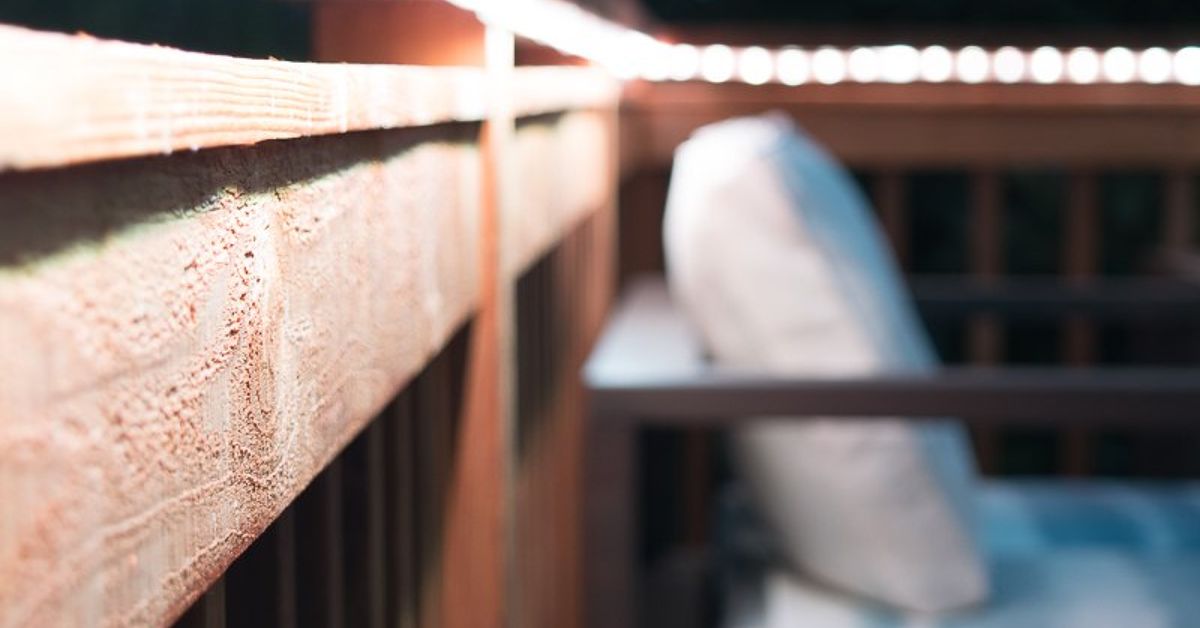

Your deck already does a lot. It hosts summer dinners, late-night chats, solo coffee breaks, and that one folding chair nobody admits is their favorite. But when the sun goes down, even the nicest deck can turn into a dark rectangle with furniture. That is where ambient deck railing lighting comes in. It adds warmth, visibility, style, and just enough drama to make your backyard feel like an outdoor room instead of a forgotten platform behind the house.
If you want your deck to glow instead of glare, railing lighting is one of the smartest upgrades you can make. It is more polished than dragging out lanterns, more practical than relying on a single floodlight, and far more inviting than asking your guests to “just watch the step.” The best part is that deck railing lighting can work with almost any style, from classic wood railings to sleek composite systems.
In this guide, we will walk through the best ways to add ambient lighting to your deck railing, how to choose the right fixtures, what design mistakes to avoid, and how to create a setup that looks expensive even if your budget is not trying to cosplay as a luxury resort.
Why Deck Railing Lighting Is Worth It
Ambient lighting does more than make your deck look pretty in listing photos. It changes how the space feels and how often you actually use it. Once railing lights are installed, decks become more functional at night, especially for entertaining, dining, or relaxing after work. Soft illumination along the perimeter also helps define the edges of the deck, which is particularly useful around stairs and elevation changes.
In plain English, deck railing lighting helps your deck stop disappearing after sunset.
It also improves the mood. A deck lit from the railing line feels calmer and more intentional than a space blasted by a bright overhead bulb. Good ambient lighting creates a layered effect. It highlights architectural lines, softens shadows, and makes the deck feel finished. You are not just adding light. You are adding atmosphere.
The Best Types of Ambient Lighting for Deck Railings
Not all deck lights do the same job. Some are decorative. Some improve visibility. Some do both. The trick is using the right fixture in the right place.
1. Post Cap Lights
Post cap lights sit on top of railing posts and are one of the most popular deck lighting upgrades for a reason. They create a soft halo effect, give the railing a polished look, and visually mark the perimeter of the deck. They are especially effective on larger decks where you want a balanced, evenly spaced glow.
These lights work well if you want something elegant and subtle. They do not usually flood the deck surface with light, but they add height, rhythm, and curb appeal. Think of them as the jewelry of your railing system.
2. Under-Rail Lights
If post cap lights are the jewelry, under-rail lights are the magic trick. Mounted beneath the top rail, they create a hidden glow that washes downward onto the balusters and deck surface. This is one of the best choices for homeowners who want that sleek, upscale “Where is that light even coming from?” look.
Under-rail lighting is excellent for modern decks, composite railing systems, and anyone who prefers clean lines over visible fixtures. It helps frame the deck without screaming for attention.
3. Side-Mounted Rail Lights
Rail lights mounted on the side of posts or within the railing system provide targeted ambient light and can help illuminate walking areas. These are practical and attractive, especially when used near seating zones or transitions between sections of the deck.
They are a nice middle ground between purely decorative lighting and task lighting. You get ambiance, but also enough visibility to keep guests from stepping into a planter and pretending it was intentional.
4. Stair and Riser Lights
Technically, these are not always mounted on the railing itself, but they absolutely belong in the conversation. If your deck has stairs, stair lighting should be part of the plan. Soft lights on stair risers or nearby railing posts improve nighttime visibility and make the entire deck feel more cohesive.
When railing lights and stair lights are chosen together, the result looks intentional instead of pieced together over three different trips to the hardware store.
5. Recessed Accent Lights Near the Railing Line
For homeowners who want a minimal look, recessed deck lights installed near the perimeter can complement railing lights beautifully. These fixtures sit flush with the deck boards and help outline the edge of the space. Combined with railing illumination, they create depth and layered lighting.
This option is especially useful on larger decks where one fixture type alone might leave some areas too dark or too flat.
Low-Voltage, Solar, or Plug-and-Play?
Choosing the power source matters just as much as choosing the fixture style.
Low-Voltage Lighting
Low-voltage LED deck lighting is often the top choice for a permanent, reliable setup. It is widely used for deck railings because it offers consistent performance, energy efficiency, and a clean look. Many systems are designed specifically for decking products and can integrate neatly into posts, caps, and rails.
If you want a polished, long-term solution, low-voltage lighting is usually the move. It is the grown-up choice. Not boring. Just dependable.
Solar Lighting
Solar post cap lights are easy to install and appealing for DIYers who do not want to deal with wiring. They work best in sunny locations and are great for smaller decks or budget-conscious projects. The tradeoff is consistency. Solar lights can be less reliable in shaded areas, cloudy weather, or winter months when daylight hours shrink.
Solar is great when convenience matters more than perfect output. It is a practical starter option, especially for simple decorative lighting.
Plug-and-Play Systems
Some deck lighting kits are designed for easier installation, often using connectors, splitters, and transformers that simplify the process. These can be a smart option if you want the reliability of low-voltage lighting without building a custom electrical masterpiece on your first try.
How to Choose the Right Look for Your Deck
Before you buy anything, step back and think about the style of your deck. The lighting should support the architecture, not fight it.
For Traditional Wood Decks
Warm white post cap lights and subtle stair lights usually look best. They complement natural wood tones and create a timeless feel. Bronze, black, or matte finishes tend to blend in nicely.
For Composite or Modern Decks
Under-rail lighting and sleek low-profile fixtures often look more sophisticated than bulky decorative caps. If your deck has black aluminum or cable railing, hidden lighting can enhance that crisp, modern outline.
For Small Decks
Less is more. You do not need to light every possible surface. A few post cap lights and one or two well-placed stair or side lights can create a cozy effect without turning the deck into an airport runway.
For Large Entertaining Decks
Layer your lighting. Use post cap lights for perimeter definition, under-rail lights for ambient glow, and stair lights for safety. Larger spaces benefit from multiple light sources because they prevent dead zones and make the deck feel balanced.
Planning the Layout Before You Install
This is where many homeowners either look brilliant or end up holding extra fixtures while wondering why the deck resembles a confused holiday display. A little planning saves money, time, and regret.
Start by asking three questions:
Where do people walk?
Prioritize stairs, entrances, and traffic paths.
Where do people gather?
Dining areas, built-in benches, and lounge corners benefit from soft surrounding light.
What should stand out at night?
The railing line, post spacing, stair edges, and view-facing sides of the deck are often the right answer.
Sketch the deck and mark post locations, stairs, gates, outlets, and any covered sections. This helps you decide whether you want symmetrical lighting on every post, every other post, or only at focal points. It also helps you estimate cables, connectors, transformers, and fixture counts if you are going with a low-voltage setup.
Installation Tips That Make a Big Difference
You do not need to turn this article into a wiring manual, but a few practical rules make the project better from day one.
Match the Lighting System to the Railing System
If you have composite or aluminum railings, look at compatible lighting made for that brand or profile. Integrated systems usually fit better, hide wires more cleanly, and create a more professional finish.
Use Outdoor-Rated Components
Deck lighting lives outside, where rain, humidity, dirt, and temperature swings do not care about your design vision. Use fixtures, connectors, and wiring rated for outdoor use, and choose products intended for wet or damp conditions as appropriate.
Hide the Hardware
The best deck railing lighting often looks effortless because the wires and connectors are concealed. Route wiring inside post sleeves where possible, under rails when appropriate, and along protected areas instead of leaving it exposed.
Keep the Color Temperature Warm
For ambiance, warm white usually wins. It feels more inviting and complements wood, composite, and landscaping better than harsh blue-white light. Your deck should feel like a relaxing destination, not a parking lot security zone.
Do Not Ignore the Transformer Location
For low-voltage systems, plan where the transformer will go before you buy everything else. It needs a practical, weather-conscious location near power access, and the cable run should make sense for your deck layout.
Know When to Bring in a Pro
If the installation involves complicated routing, buried lines, unfamiliar electrical work, or integration with other outdoor lighting, hiring an electrician or experienced deck contractor can be money well spent. There is a heroic DIY spirit, and then there is spending Saturday troubleshooting in the dark with a flashlight in your teeth.
Common Mistakes to Avoid
Overlighting the deck: Ambient lighting should be soft and welcoming. Too many bright fixtures flatten the mood and create glare.
Choosing random fixture styles: Mixing decorative solar caps, modern strip lights, and ultra-bright step lights can make the deck feel visually chaotic.
Skipping stair lighting: Even if your focus is deck railing ambiance, stairs need thoughtful illumination.
Ignoring maintenance access: Make sure connectors, transformers, or replaceable components are accessible if needed later.
Buying for daytime looks only: Some fixtures look impressive in the package but produce weak or awkward light. Think about nighttime effect first.
Design Ideas to Make Your Deck Feel Custom
Alternate Every Other Post
You do not always need a light on every post. Alternating post cap lights can create a softer, more refined rhythm while saving money.
Frame the View
If your deck overlooks a yard, garden, pool, or treeline, use under-rail lighting on the outer edge to define the space without blocking the view with bulky fixtures.
Pair Lighting with Built-In Seating
If your deck has benches or planters, railing lights nearby make these features feel intentional and integrated into the overall design.
Mix Functional and Decorative Lighting
Use railing lights for the foundation of the scheme, then add string lights, wall sconces, or pendant lighting elsewhere if your deck has a pergola or covered section. The railing glow keeps the space grounded while the overhead elements add personality.
Conclusion
Adding ambient lighting to your deck railing is one of those upgrades that feels small on paper and huge in real life. It improves visibility, extends the hours you can enjoy the space, and makes the deck feel finished in a way that plain railings rarely do on their own. Whether you choose post cap lights, under-rail lighting, stair lights, or a layered combination, the goal is not maximum brightness. It is comfort, atmosphere, and flow.
Done well, deck railing lighting makes your outdoor space feel intentional after dark. It helps guests move around safely, makes dinners linger longer, and gives the whole backyard a quiet, polished glow. In other words, it turns your deck into the place people drift toward naturally. Which is exactly what a great outdoor space should do.
Real-World Experiences With Deck Railing Lighting
One of the most common experiences homeowners report after adding ambient lighting to their deck railing is simple: they start using the deck more often. Before lighting, the deck might have been a daytime-only zone, useful for grilling, reading in the afternoon, or letting the dog patrol the yard like a tiny unpaid security guard. After lighting is installed, the same space suddenly feels available at 8:30 p.m., 9:00 p.m., and beyond. A quick step outside becomes a full evening hangout.
Another experience people notice is that the deck feels larger at night, not smaller. That sounds backward, but good railing lighting defines the edges of the space. Instead of fading into darkness, the perimeter becomes visible and calm. Even a modest deck can feel more finished and more spacious when the outline is softly illuminated. The eye can read the shape of the space, which makes it more comfortable to move through and more pleasant to sit in.
Homeowners also tend to be surprised by how much the lighting changes the mood of gatherings. Bright floodlights make people feel like they are cleaning the garage. Soft deck railing lighting makes people linger. Dinner stretches a little longer. Conversations slow down. Guests settle in. Somebody says, “Wow, this looks amazing out here,” and the host pretends they casually threw it together when in reality they spent two weekends comparing fixtures and color temperatures.
There is also a strong practical side to the experience. Families with children, older relatives, or frequent guests quickly appreciate the way railing and stair lighting improve nighttime movement. People can see where the edges are. Stairs are less awkward. The deck feels safer without looking clinical. That balance matters. Nobody wants safety lighting that feels like a hospital hallway. The best setups handle visibility quietly.
For DIYers, the experience is often a mix of excitement and one lesson in patience. The design part is fun. Measuring, routing wires, choosing placement, and hiding connectors can be the part where confidence gets tested. But once the system is up and the lights come on for the first time, the payoff is immediate. Even a basic installation can make the deck feel custom.
People who choose solar lighting often enjoy the quick transformation and easy installation, especially on weekend projects. The experience is satisfying because the visual upgrade happens fast. Meanwhile, homeowners who invest in low-voltage integrated systems usually talk about the cleaner finish and more reliable performance. Different paths, same happy ending: the deck finally looks like an intentional extension of the home.
Over time, the biggest experience is emotional more than technical. Lighting changes the way people feel about the space. The deck becomes less of a platform and more of a destination. Morning coffee still happens there, sure, but evening becomes the real star. The railing glow, the softened corners, the visible stairs, the warm atmosphere, all of it adds up to one thing: the backyard starts inviting you outside instead of merely existing behind the house.