Angry Mom Accidentally Texts 35-Year-Old Guy Instead Of Her Daughter, And Things Escalate Quickly

Every now and then, the internet hands us a tiny human comedy so perfectly chaotic that it feels scripted by a sitcom writer with a dead phone battery. The story of an angry mom accidentally texting a 35-year-old guy instead of her daughter is one of those moments. It starts with an everyday request, the kind of message millions of parents send without a second thought: pick something up on your way home. Simple. Harmless. Almost boring.
Then the recipient replied.
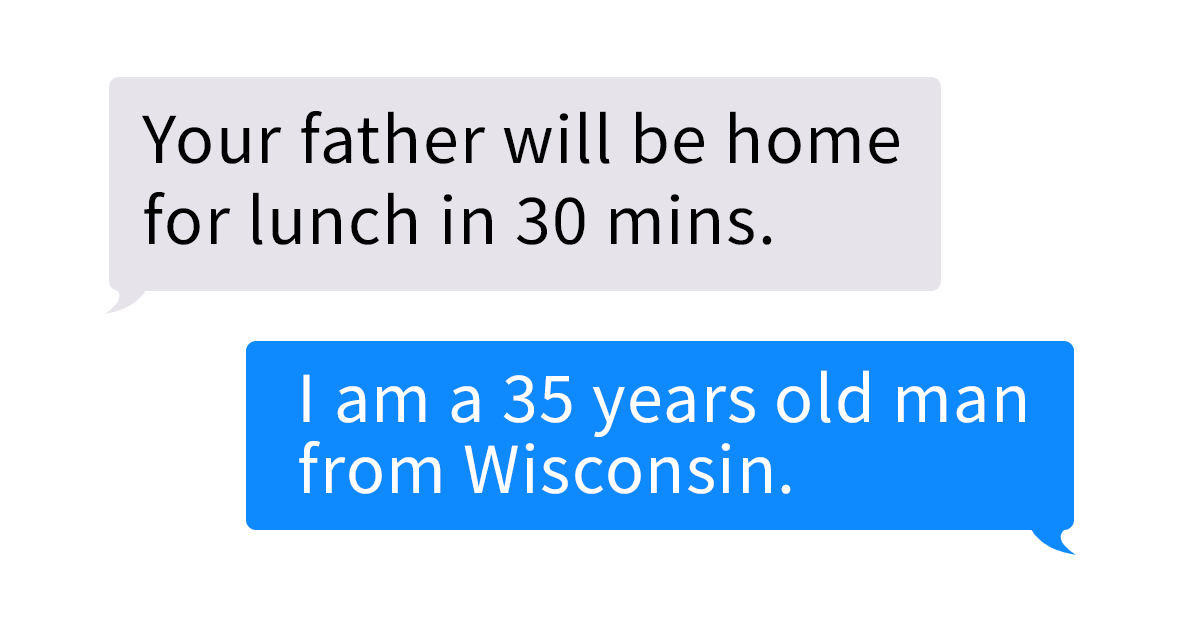
Unfortunately for everyone involved, the person on the other end was not the mom’s daughter, Jess. He was a 35-year-old man from Wisconsin who had no idea why a stranger wanted him to buy milk and lunch meat. He tried to explain the mistake. The mom refused to believe him. What followed was a text exchange that went from confusion to suspicion to full parental meltdown faster than a teenager can say, “My phone died.”
This viral wrong-number text story became popular because it hits several very familiar nerves at once: parents who text in a hurry, kids who may or may not answer responsibly, strangers who get dragged into family drama, and the strange courage people discover when they are holding a smartphone. It is funny, awkward, slightly stressful, and also a surprisingly useful reminder about digital communication.
How One Wrong Number Turned Into Internet Gold
The basic setup is beautifully simple. A mother meant to text her 18-year-old daughter, Jess. Instead, she sent the message to a man she did not know. The man, who was reportedly enjoying a day off at home, received a request to grab groceries. Since he was not Jess, not the mom’s child, and not in charge of emergency dairy logistics, he responded by saying she had the wrong number.
That should have ended the conversation. In a peaceful world, the sender would have replied, “Oops, sorry,” corrected the contact, and everyone would have gone about their day. The milk would be purchased by the correct human. The lunch meat would meet its sandwich destiny. Civilization would continue.
Instead, the mother doubled down. She seemed convinced that her daughter was pretending to be someone else or being disrespectful. The more the man insisted he was a grown adult stranger, the more the mom interpreted his replies as teenage attitude. It was the digital equivalent of watching someone try to put out a toaster fire with gasoline and confidence.
That is why the exchange spread so quickly. It had all the ingredients of viral internet storytelling: a relatable mistake, escalating misunderstanding, personality-packed messages, and the delicious tension of knowing one person in the conversation is absolutely wrong but marching forward like a general in flip-flops.
Why the Conversation Escalated So Fast
Wrong-number texts are not new, but this one exploded because neither side immediately exited the situation. The man did try to clarify that he was not Jess. The mother, however, was already operating under a strong assumption: she believed she was talking to her daughter. Once that belief locked in, every response was filtered through it.
That is a common communication problem. When people expect conflict, they often read neutral information as resistance. In this case, “I’m a 35-year-old man” did not land as a factual correction. It landed, apparently, as a teenager being sarcastic. And once a parent thinks a teen is being sarcastic, the conversation can turn into a courtroom drama with emojis.
The Power of Assumptions
Assumptions are tiny little gremlins. They sneak into conversations and start rearranging the furniture. The mom assumed the number belonged to Jess. She assumed the replies were coming from Jess. She assumed the tone was defiant. By the time the stranger pushed back, she was not solving a mystery anymore; she was disciplining a child who was not there.
From the outside, that is hilarious. From inside the conversation, it probably felt deeply irritating. The man was trapped in someone else’s family argument. The mother believed her child was being difficult. And Jess, the actual daughter, was somewhere else entirely, possibly unaware that a stranger had just been drafted into her household’s grocery chain of command.
Texting Removes Tone
Text messages are convenient, but they are also terrible at carrying tone. A short sentence can sound polite, cold, funny, rude, panicked, or suspicious depending on what the reader already believes. That is why a simple correction can be misread as attitude. Without a voice, facial expression, or immediate context, the reader fills in the blanks.
In this story, the blanks were filled with parental frustration. The mom thought she was dealing with her teenage daughter, so the stranger’s responses were interpreted as evasive. Meanwhile, the stranger likely felt the absurdity rising with every reply. In person, the misunderstanding would have ended instantly. Over text, it became a small digital tornado.
The Comedy Behind Wrong-Number Texts
The internet loves wrong-number conversations because they create instant theater. Two people enter the scene with completely different scripts. One person thinks they are discussing groceries, plans, appointments, secrets, or family rules. The other person is standing there holding a phone like, “Ma’am, I am just trying to exist.”
That gap between expectation and reality is where the humor lives. In this case, the mom’s confidence made the story funnier. The more certain she sounded, the more absurd the situation became. It is the same reason people laugh at someone confidently walking into the wrong meeting and giving a speech. Confidence is admirable until it boards the wrong bus.
The stranger’s role also matters. He did not immediately disappear. He responded, clarified, and eventually became part of the exchange. That gave the conversation room to grow into a viral moment. Had he simply blocked the number after the first message, there would be no story. The internet, for better or worse, owes this comedy to his patience.
What This Story Says About Parent-Teen Texting
Although the exchange is funny, it also points to a real issue: many families rely on texting for daily coordination. Parents text teens about chores, rides, groceries, homework, curfews, appointments, and the mysterious disappearance of every clean spoon in the house. Texting is quick, but quick does not always mean clear.
Parents may send short commands because they are busy. Teens may send short replies because they are distracted, annoyed, or trying to respond between classes, work, social plans, and the emotional weight of being asked to unload the dishwasher. Both sides can misread each other. A parent sees disrespect. A teen sees nagging. A stranger sees 14 unread messages about milk and wonders whether he should move to the woods.
Clear Texts Prevent Chaos
A simple habit can reduce confusion: use names, context, and calm wording. Instead of “Get milk,” a parent can text, “Jess, please grab milk and lunch meat on your way home. Thanks.” That small name check matters. It confirms the intended recipient and makes the message feel less like a command launched from a catapult.
Another useful habit is to verify before escalating. If someone replies, “Wrong number,” believe them long enough to check. Look at the contact. Call the person. Send a separate message through a known thread. The world contains many problems that require strong parental energy, but accidentally texting a stranger is not one of them.
Anger Travels Poorly Through a Phone
Angry texts are risky because they are easy to screenshot, share, misinterpret, and regret. Once a message leaves your phone, it can develop a social life of its own. This story is proof. A private moment of frustration became public entertainment because the conversation was strange enough to share.
That does not mean every family message must sound like a corporate memo. Nobody wants a text from Mom that begins, “Per our previous discussion regarding sandwich supplies.” But it does mean that anger and texting are a dangerous pair. If a message feels hot enough to fry an egg, it may be better to pause, breathe, and make sure the recipient is actually your child.
The Digital Safety Side: Not Every Wrong Number Is Innocent
This story appears to be a funny wrong-number exchange, but modern phone users should know that not every unexpected message is harmless. Digital safety agencies and consumer protection experts warn that some “wrong number” texts are used as openings for scams. The message may seem friendly or accidental, but the real goal can be to get a response, build trust, and eventually push the target toward a fake investment, suspicious link, or personal-information request.
That does not mean every mistaken text is a criminal plot. Sometimes a mom really does mistype a number while trying to organize groceries. But the safest general rule is simple: do not share personal information, do not click unknown links, and do not keep chatting with strangers just because the conversation seems amusing.
If a wrong-number message appears suspicious, the better move is to ignore, block, and report it through your phone or carrier. In the United States, many mobile users can forward unwanted spam texts to 7726, which spells SPAM. It is less funny than trolling a scammer, but it is also less likely to invite more digital nonsense into your life.
Why Readers Reacted So Strongly
Part of the story’s appeal is that almost everyone can imagine themselves in one of the roles. Some readers sympathize with the stranger, who tried to explain reality and got treated like a misbehaving teenager. Others feel bad for Jess, who may have had to deal with a very intense mom even when the wrong person was receiving the heat. Some people even understand the mother, at least a little. Parents are human. They get tired. They rush. They make mistakes. Sometimes they also accidentally create internet history before lunch.
The story also plays into a classic online fascination: watching a misunderstanding grow. The audience knows the truth early, so every additional message becomes more dramatic. It is like a suspense movie where the viewer can see the banana peel before the character steps on it. You want to look away, but you also want to know how slippery things are about to get.
Lessons From the Great Accidental Mom Text
There are several practical takeaways hidden inside this comedy. First, double-check the number before sending a heated or personal message. Second, believe someone when they say you have the wrong person. Third, keep private family conflicts off uncertain text threads. Fourth, do not assume every unfamiliar text deserves your time. And fifth, if you are going to accidentally involve a stranger in your family drama, at least give the internet something memorable.
For parents, the lesson is especially useful. Texting can be a great tool for quick reminders, but it should not replace respectful conversation. A teen who ignores a message may need a follow-up, but not every delayed or unexpected response is rebellion. Sometimes it is a bad connection. Sometimes it is autocorrect. Sometimes it is a 35-year-old man in Wisconsin wondering why he has been assigned grocery duty.
For everyone else, the story is a reminder to stay polite but cautious. A simple “Sorry, wrong number” is enough for an honest mistake. If the person keeps pushing, stop responding. You do not have to become the unpaid customer service department for someone else’s contact list.
Experience Section: What Similar Wrong-Number Moments Teach Us
Most people who have owned a phone long enough have experienced some version of this story. Maybe it was a stranger confirming a dentist appointment you definitely did not book. Maybe someone sent you a photo of a couch they were selling. Maybe a grandparent texted “I am outside” while you were sitting at home in pajamas, nowhere near a driveway, suddenly concerned that you had acquired a confused relative.
These moments are funny because they interrupt ordinary life with accidental intimacy. A wrong-number text gives you a tiny window into someone else’s world. You learn that someone is late, someone needs groceries, someone is annoyed, someone is planning dinner, or someone is trying to reach a person named Jess who is about to be in trouble for reasons she may not even know yet. It is like receiving one random page from a stranger’s diary, except the diary is yelling about lunch meat.
From personal experience, the best wrong-number situations end quickly and kindly. A polite “wrong number” usually solves the problem. Most people apologize. Some even add a laughing emoji, because nothing says modern civilization like admitting a mistake with a tiny yellow face. The situation becomes a five-second inconvenience, not a public saga.
The difficult moments happen when one person refuses to accept the correction. That refusal can come from embarrassment, anger, stress, or simple stubbornness. People do not like being wrong, especially when they are already irritated. In a parent-child context, that can be even more complicated because authority is involved. If a parent thinks a child is challenging them, they may respond to the imagined disrespect instead of the actual information.
The best way to handle that kind of escalation is to stay brief. Do not over-explain. Do not offer personal details to prove your identity. A safe reply might be, “You have the wrong number. Please check the contact.” After that, silence is powerful. If the person continues, block the number. You are not legally required to participate in a stranger’s misunderstanding just because your phone made a sound.
For families, this story is also a good reminder to create clearer communication habits. Parents and teens often text under pressure, and pressure makes messages sharper. A parent may think, “I only asked for milk.” A teen may think, “Why am I being ordered around like a delivery app with homework?” Adding a name, a please, and a quick reason can make a message feel more human. “Jess, please grab milk on your way home because we’re out” lands differently than “Bring milk.” Tone still matters, even when the keyboard is tiny.
Another experience many people recognize is the temptation to keep a funny wrong-number exchange going. It can feel harmless, especially if the other person is being dramatic. But today’s digital world is different from the early days of viral text screenshots. Unknown messages can be scam attempts, and even harmless conversations can reveal more than you intend. A joke reply can confirm your number is active. A casual detail can become useful to someone with bad intentions. Humor is great, but privacy is better.
Ultimately, the angry mom story remains entertaining because it is so human. It is about mistake, certainty, frustration, and the weird little stage created by a phone screen. Everyone in the story wanted something simple: the mom wanted help, the stranger wanted to be believed, and Jess presumably wanted to live her life without being digitally impersonated by accident. The chaos came from failing to pause. That pause is the real lesson. Before sending, check. Before reacting, breathe. Before accusing, verify. And before demanding groceries from a stranger, maybe make sure the stranger is your daughter.
Conclusion
The viral story of an angry mom accidentally texting a 35-year-old guy instead of her daughter is more than a quick laugh. It is a tiny masterpiece of modern communication gone wrong. A simple grocery request turned into a memorable internet moment because one mistaken number met one very determined assumption. The result was funny, awkward, and oddly educational.
In a world where nearly everyone carries a phone, wrong-number texts are bound to happen. Most will be harmless. Some will be hilarious. A few may be suspicious. The smart response is to stay polite, protect your privacy, and avoid escalating before checking the facts. Whether you are a parent texting a teen, a stranger receiving a bizarre message, or Jess quietly wondering why everyone is talking about lunch meat, the lesson is the same: technology is fast, but humans still need to slow down.
Note: This article is an original, rewritten editorial-style article based on publicly reported viral-story details and general digital communication safety guidance. It is prepared for web publication without embedded source links.