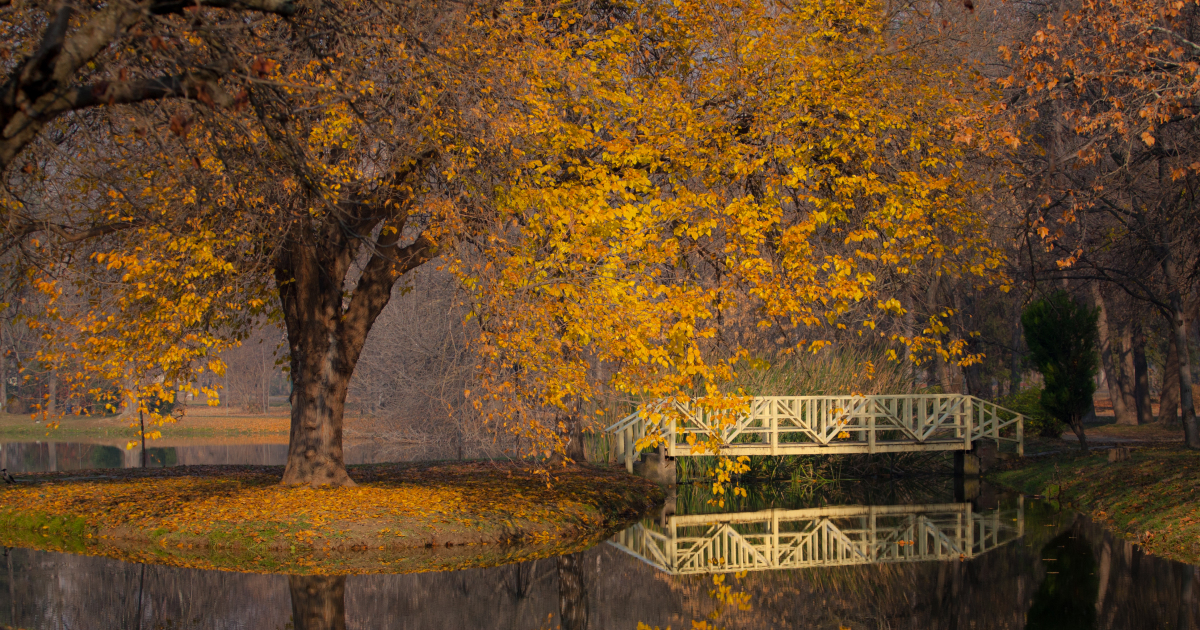
Autumn Begins Today, And Here Are My 12 Photos That Show What Autumn’s Like In Macedonia

Autumn begins today, which means two things in Macedonia: the mountains are about to put on their most dramatic outfit, and every market suddenly looks like a pepper convention with excellent lighting. If summer here is loud, sunny, and slightly bossy, autumn is the calm friend who arrives with a cardigan, a basket of grapes, and the ability to make every road trip look like a movie scene.
These 12 photos capture what autumn in Macedonia feels like: golden vineyards in Tikveš, smoky village evenings, quiet lakeside walks in Ohrid, copper-colored forest trails in Mavrovo, and those crisp mornings when even your coffee seems to understand the assignment. This is not the flashy leaf-peeping of New England, where maple trees scream in red. Macedonian autumn is softer, earthier, and more textured. It smells like roasted peppers, wood smoke, wet leaves, mountain air, and fresh bread cooling on a kitchen table.
For travelers, photographers, and anyone who believes fall should come with both scenery and snacks, Macedonia is a deeply underrated autumn destination. September and October bring comfortable weather, fewer crowds, harvest season, and landscapes that shift from sunbaked gold to misty mountain blue. By November, the mood turns quieter and more reflective, as if the whole country has lowered its voice.
Why Autumn In Macedonia Feels So Special
North Macedonia sits at a meeting point of continental, Mediterranean, and mountain influences, which is a fancy way of saying: pack layers, because the weather has personality. In one day, you can wake up to a chilly mountain breeze, drink coffee in warm city sunshine, and end the evening under a sky that smells like rain. The country’s varied geographylakes, valleys, vineyards, canyons, and high peaksmakes autumn feel different depending on where you stand.
In Ohrid, autumn arrives as soft light on the lake. In Skopje, it comes through café terraces, the Old Bazaar, and the smell of roasted chestnuts. In Mavrovo and Pelister, the forests turn deep yellow and rust, while higher slopes begin hinting at winter. In Tikveš, grape harvest season gives autumn a festive, generous mood. Basically, fall here does not just change the scenery; it changes the rhythm of daily life.
The best part? Macedonia in autumn is wonderfully unhurried. You are not fighting summer crowds for a lakeside table or melting into the pavement while trying to admire a monastery. The roads are calmer, the colors are richer, and the local food somehow becomes even more persuasive. Autumn says, “Take your time.” Macedonia replies, “And have another plate.”
My 12 Photos Of Autumn In Macedonia
Photo 1: Lake Ohrid Under A Soft Autumn Sky
The first photo is from the shore of Lake Ohrid, where the water looks almost silver under a pale autumn sky. Ohrid is one of those places that refuses to be ordinary. The lake is ancient, the town is layered with history, and the hills around it seem to glow differently once the summer heat fades. In autumn, the promenade becomes quieter, the boats rock lazily near the shore, and the light feels made for photography.
What I love most in this image is the mood. It does not shout “vacation.” It whispers “stay a little longer.” The old town rises in the background, church roofs and stone walls tucked against the hillside, while the lake stretches out like a calm blue-gray blanket. If summer Ohrid is postcard-perfect, autumn Ohrid is diary-perfect.
Photo 2: Golden Leaves Near Kaneo
The second photo shows the path near the Church of St. John at Kaneo, one of Ohrid’s most famous viewpoints. In autumn, the walk feels more intimate. Leaves gather along the stone paths, the lake flashes between branches, and the church seems to hover above the water like it knows exactly how photogenic it is.
This is where Macedonia’s cultural and natural beauty meet without making a big speech about it. You get old stone, sacred architecture, water, cliffs, and trees turning gold all in one frame. It is the kind of place where you plan to take one picture and somehow return with 47, most of them nearly identical, all of them emotionally necessary.
Photo 3: Mavrovo National Park Wearing Copper And Green
My third photo comes from Mavrovo National Park, where autumn feels bigger and wilder. Mavrovo is known for mountain landscapes, forests, caves, the Radika River, and the dramatic presence of high peaks. In fall, the park becomes a patchwork of copper, amber, evergreen, and shadow. The air smells clean enough to make city lungs suspicious.
The scene shows a forest slope rolling toward the distance, with trees in every shade between green and firewood. It is not a perfectly manicured landscape. That is the point. Macedonian nature has texture: rugged roads, uneven trails, sudden views, old villages, and mountains that make you feel like your phone camera owes you an apology.
Photo 4: The Submerged Church At Mavrovo Lake
The fourth photo captures the famous partially submerged church in Mavrovo Lake. Depending on the water level, the church can look like a ghost story, a painting, or a very determined building that simply refuses to leave. In autumn, with mist on the lake and muted hills behind it, the scene feels especially cinematic.
This is one of those Macedonian views that does not need much editing. The old church, the still water, and the surrounding mountains already understand composition. Add a few yellow leaves in the foreground, and suddenly the photo looks like it has a soundtrackprobably something with violins and a small existential crisis.
Photo 5: Tikveš Vineyards During Harvest Season
Autumn in Macedonia would be incomplete without the vineyards. My fifth photo shows rows of vines in the Tikveš region, where grape harvest season turns the landscape into a celebration of work, tradition, and excellent dinner decisions. Tikveš is the heart of Macedonian wine country, and autumn is when the region feels especially alive.
Vranec, the bold red grape closely associated with Macedonian wine, fits fall perfectly. It is dark-fruited, structured, and warmthe wine equivalent of a wool coat with confidence. In the photo, the vines are beginning to yellow, the hills sit low and dry in the background, and the whole scene has that harvest glow that makes you briefly consider becoming a farmer before remembering you struggle to keep basil alive.
Photo 6: Peppers Drying In A Village Courtyard
The sixth photo is not a grand landscape. It is better. It shows red peppers drying in a village courtyard, strung together or spread out in bright piles. If autumn in Macedonia had an official mascot, it might be the red pepper. This is the season of ajvar, the beloved roasted pepper spread that inspires strong opinions, family recipes, and the kind of kitchen labor that makes everyone smell deliciously smoky for days.
This image says more about Macedonian autumn than a mountain panorama ever could. It shows preparation, tradition, and the practical beauty of seasonal food. The colors are outrageous: red peppers, weathered wood, stone walls, and sunlight that makes everything look warmer than it actually is. It is domestic, humble, and completely beautiful.
Photo 7: Skopje’s Old Bazaar In Fall Light
The seventh photo moves to Skopje’s Old Bazaar, where autumn light softens the stone streets and Ottoman-era architecture. The bazaar is one of the city’s most atmospheric areas, full of small shops, tea houses, mosques, craft stores, and narrow lanes that invite wandering. In fall, it feels less hurried and more cinematic.
I took this photo in the late afternoon, when the light turned honey-colored and the shadows stretched across the cobblestones. People moved through the frame with shopping bags, coffee cups, and the calm confidence of locals who know exactly where the best burek is. I, naturally, did not know, so I followed the smell of pastry like a professional.
Photo 8: Matka Canyon With Autumn Reflections
Matka Canyon, just outside Skopje, is beautiful year-round, but autumn gives it extra drama. My eighth photo shows the canyon walls reflected in the green water, with shrubs and trees adding yellow and orange around the edges. The water is calm, the cliffs are steep, and everything feels close enough to the city to be convenient but wild enough to count as an escape.
Autumn is a wonderful time to visit because the temperature is friendly to walking, kayaking, and pretending you are more outdoorsy than your daily screen time suggests. The canyon’s colors are not always loud, but they are elegant: mossy green, limestone gray, burnt yellow, and the occasional red leaf showing off for the camera.
Photo 9: Pelister’s Forest Trails Near Bitola
The ninth photo comes from Pelister National Park near Bitola, where the forest trails in autumn are pure therapy. Pelister is known for mountain scenery, old forests, and the rare Molika pine. During fall, the trails become a carpet of leaves, and the air turns cool enough to make hiking feel like a good idea instead of a personal attack.
This photo shows a path disappearing into the woods, with golden leaves scattered across the ground. It is simple, but that simplicity is the charm. No monument, no dramatic cliff, no lake pretending to be a mirrorjust trees, trail, silence, and the crunchy soundtrack of autumn underfoot.
Photo 10: Bitola Cafés On A Crisp Afternoon
Bitola has a special autumn mood. My tenth photo shows a café scene along Širok Sokak, the city’s beloved pedestrian street. In fall, Bitola feels elegant without trying too hard. People sit outside as long as the weather allows, coats draped over chairs, espresso cups on small tables, conversations floating into the afternoon air.
The architecture, the café culture, and the nearby mountain backdrop make Bitola feel like a city built for lingering. This photo is not about sightseeing in the checklist sense. It is about atmosphere. Autumn travel in Macedonia often works that way: the best moment is not always the famous landmark, but the pause between landmarks when you realize you are exactly where you want to be.
Photo 11: Prespa Apples And Village Roads
The eleventh photo is from the Prespa region, where autumn brings apples, quiet roads, and lake views that feel far from everything. Prespa has a gentler rhythm than Ohrid, and that is part of its beauty. In fall, orchards become part of the landscape, and village life feels tied to the harvest.
The photo shows baskets of apples near a roadside stand, with hills in the distance and a sky that cannot decide whether to be sunny or dramatic. The apples look almost too perfect, like they were polished by a tourism board. They were not. Macedonia simply has a talent for making ordinary seasonal details look like still-life paintings.
Photo 12: A Smoky Autumn Evening In A Mountain Village
The final photo is my favorite: a mountain village at dusk, with smoke rising from chimneys and the last light touching the rooftops. This is the emotional center of Macedonian autumn. The day cools quickly, dogs bark somewhere down the road, someone is cooking, and the mountains turn blue in the distance.
It is not a flashy image, but it feels honest. Autumn here is not only about colors; it is about preparation, family tables, wood stacked for winter, jars filled for the pantry, and evenings that arrive earlier than expected. The photo reminds me that travel photography does not always need perfect weather. Sometimes it needs smoke, silence, and a little blur from cold fingers.
What Autumn In Macedonia Tastes Like
To understand autumn in Macedonia, you must eat. This is not optional research; it is civic duty. Fall tables are full of roasted peppers, ajvar, fresh bread, beans, grilled meats, cheese, seasonal fruit, and wine from the valleys. Markets overflow with grapes, apples, pumpkins, walnuts, and peppers in quantities that suggest everyone is preparing for a very flavorful siege.
Ajvar deserves its own fan club. Made from roasted red peppers, often with eggplant, garlic, oil, and salt, it is smoky, sweet, savory, and dangerously easy to put on everything. Bread? Yes. Cheese? Yes. Spoon? I will not judge. Autumn is when families prepare jars for the colder months, and the process turns courtyards and kitchens into fragrant workshops.
Then there is wine. The Tikveš region is central to Macedonian wine culture, and harvest season gives fall travel a celebratory mood. Whether you are tasting Vranec, exploring a winery, or simply enjoying a glass with grilled food, Macedonian wine feels deeply connected to the land. It is not just a drink; it is part of the season’s soundtrack.
Best Places To Experience Autumn In Macedonia
Ohrid For Lake Views And History
Ohrid is ideal for travelers who want beauty with depth. The old town, churches, lakefront paths, and nearby viewpoints become calmer after summer. Autumn makes the lake feel reflective in every sense of the word. Bring comfortable shoes, a light jacket, and enough memory space for unnecessary but spiritually important photos.
Mavrovo For Mountain Color
Mavrovo is one of the strongest choices for fall foliage, mountain drives, village stops, and nature photography. The scenery changes quickly with elevation, giving photographers a wide range of moods in one trip. Early autumn may still feel green and sunny, while later weeks bring deeper color and colder air.
Tikveš For Wine And Harvest Energy
If your idea of fall includes vineyards, local food, and glasses raised in good company, Tikveš belongs on the list. Kavadarci and the surrounding wine country are especially tied to grape harvest traditions. The landscape is drier and warmer than the mountains, creating a golden, sunlit version of autumn.
Pelister And Bitola For Trails And Café Culture
Pelister gives you forest trails and mountain scenery, while Bitola gives you coffee, architecture, and relaxed city life. Together, they make a balanced autumn trip: hike in the morning, recover with lunch, and spend the afternoon pretending you are a poet on Širok Sokak.
Practical Tips For Photographing Macedonia In Autumn
First, chase light, not just locations. Early morning and late afternoon are especially beautiful in Ohrid, Mavrovo, and the vineyard regions. Midday sun can be bright, but autumn softens it enough to work in your favor. Still, golden hour is where the magic happens.
Second, include people and details. Macedonian autumn is not only mountains and lakes. Photograph market stalls, café tables, baskets of fruit, drying peppers, old doors, smoke from chimneys, and muddy boots after a forest walk. These details tell the real story of the season.
Third, dress for changing conditions. The country’s mixed climate means you may experience warm sun, cold shade, mountain wind, and sudden rain in the same day. A light waterproof jacket, layers, and comfortable shoes will save you from becoming the shivering main character in your own travel story.
Finally, do not rush. Autumn rewards slow travel. Stop at viewpoints. Take the side street. Drink the coffee. Talk to the vendor. Let the country unfold at its own pace, because Macedonia is not trying to impress you with speed. It is trying to invite you in.
Extra Field Notes: My Autumn Experience In Macedonia
The thing I remember most about autumn in Macedonia is how quickly the day changes character. Morning begins with a chill that makes you zip your jacket all the way up and question your life choices. By noon, the sun is warm enough to sit outside with coffee. By evening, smoke curls from chimneys and the cold returns like it has been waiting behind a tree. It is a season with excellent timing and a slightly mischievous sense of humor.
One of my favorite memories is walking through a local market where the colors looked almost staged: red peppers, purple grapes, green cabbages, yellow apples, orange pumpkins, and jars of homemade preserves lined up like edible stained glass. Everyone seemed busy but not rushed. Vendors chatted, shoppers inspected produce with the seriousness of art critics, and somewhere nearby, roasted peppers were giving the air its signature autumn perfume. I had planned to take a quick photo. I stayed nearly an hour.
In the villages, autumn feels even more personal. You see wood stacked carefully against walls, gardens being cleared, and families preparing food for winter. There is a practical rhythm to it, but also a sense of pride. Nothing feels decorative just for the sake of being decorative, yet everything becomes beautiful: a ladder leaning against a tree, a metal gate covered with vines, a basket of apples beside a doorway, laundry moving in the cool wind.
Driving through the mountains in autumn is another experience entirely. Roads curve past forests, rivers, and small settlements where time seems to slow down. Around Mavrovo, the colors deepen with every turn. One slope may still be green, another bright yellow, another already bare and gray. The landscape keeps changing its mind, and that makes it exciting to photograph. You stop for one view, then drive five minutes and find a better one. Then another. Eventually, you accept that you are not really driving somewhere; you are collecting excuses to pull over.
Ohrid in autumn has a different emotional temperature. It is quieter, more reflective. The lake does not sparkle with summer energy; it glows. Restaurants are calmer, the old town feels less crowded, and the churches seem even older in the soft light. I like walking there without a strict plan, letting the lanes decide where I should go. Sometimes the best photo is the famous view of Kaneo. Sometimes it is a cat sleeping on warm stone like it owns the entire UNESCO region, which, honestly, it probably does.
What makes Macedonian autumn unforgettable is the mix of scenery and everyday life. The season is not performed for visitors. It is lived. People are harvesting, cooking, walking, repairing, storing, gathering, and slowing down. The beauty is not separate from daily routines; it is built into them. That is why these 12 photos matter to me. They do not show a fantasy version of autumn. They show the real one: golden, smoky, delicious, chilly, generous, and quietly spectacular.
Conclusion
Autumn in Macedonia is not just a season; it is a mood, a meal, a road trip, a memory card full of golden light, and possibly a jar of ajvar tucked into your luggage if you are brave and your suitcase believes in destiny. From Lake Ohrid’s calm shores to Mavrovo’s copper forests, from Skopje’s bazaar streets to Tikveš vineyards, the country becomes softer, richer, and more intimate as the year turns.
These 12 photos show what words can only chase: the glow of leaves, the patience of villages, the beauty of harvest, and the quiet drama of mountains preparing for winter. If you are planning a trip, autumn may be one of the best times to see Macedonia with fewer crowds, better light, and a deeper connection to local life. Bring a camera, bring layers, and bring an appetite. Macedonia will handle the rest.