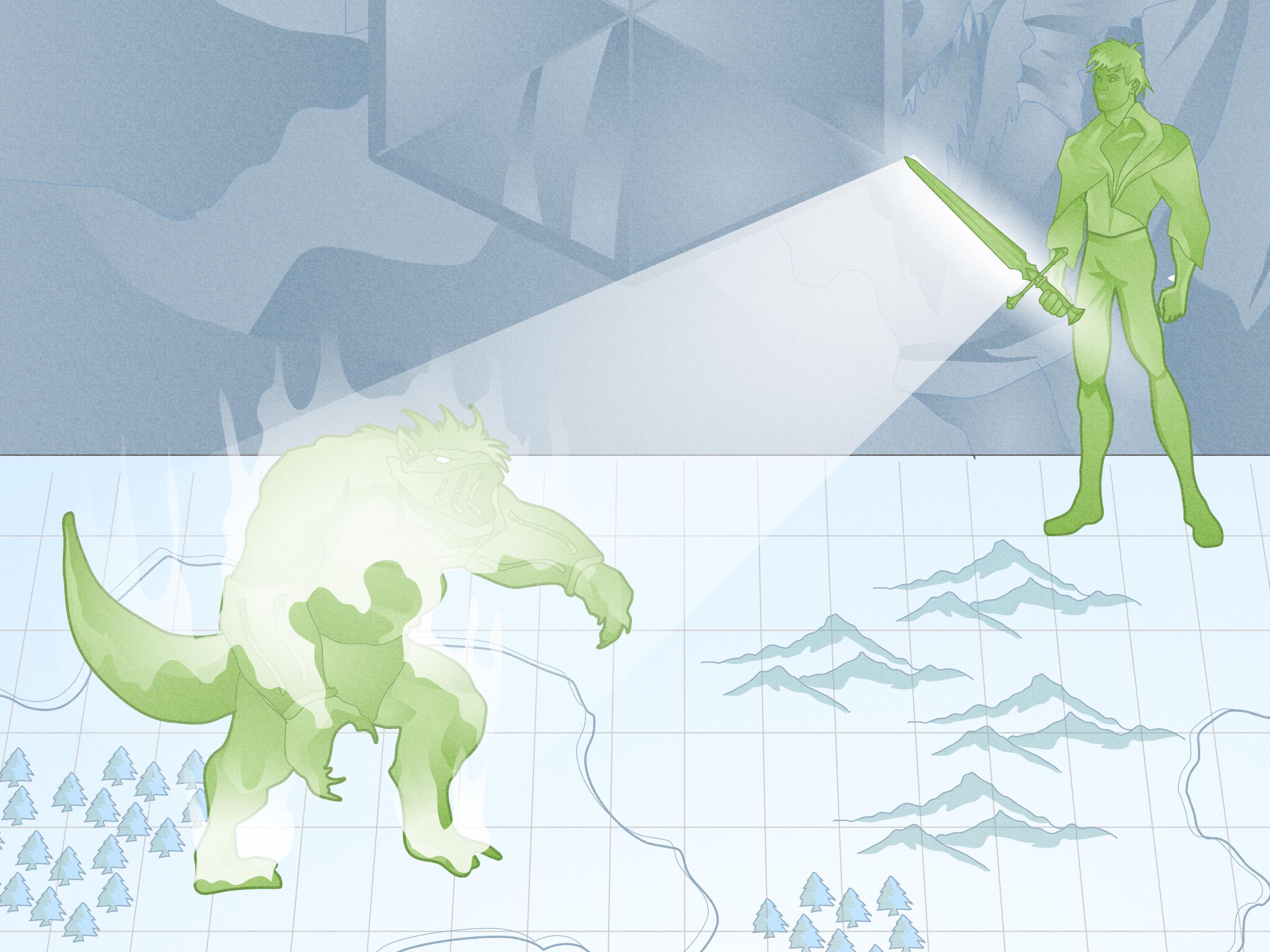

The Moon-Touched Sword in D&D 5e is one of those magic items that looks modest on paper, then quietly becomes the party’s favorite “wait, this actually solves three problems” tool. It does not explode, whisper prophecies, eat souls, or demand that you avenge an ancient moon goddess every Tuesday. It simply glows with moonlight when drawn in darkness. That sounds adorableuntil the rogue realizes they can scout without juggling a torch, the fighter realizes it is a magic weapon, and the Dungeon Master realizes the party has just found a dramatically lit way to ruin an ambush.
As a common magic weapon introduced in Xanathar’s Guide to Everything, the Moon-Touched Sword is intentionally simple. It is a sword, it is magical, it produces light, and it asks for no attunement. In a game full of legendary blades with tragic backstories and suspiciously convenient destinies, this little lunar lantern-sword is refreshingly practical. It is the adventuring equivalent of a good flashlight, except it can also stab a ghoul. Efficiency is beautiful.
What Is a Moon-Touched Sword in D&D 5e?
A Moon-Touched Sword is a common magic item that can be applied to any sword: longsword, shortsword, greatsword, rapier, scimitar, or another sword type your table uses. Mechanically, it functions as that base weapon, but with one magical property: when the blade is unsheathed in darkness, it sheds moonlight. This creates bright light in a 15-foot radius and dim light for an additional 15 feet.
That means a Moon-Touched Longsword uses longsword damage. A Moon-Touched Rapier uses rapier damage. A Moon-Touched Greatsword still brings the two-handed “I solve negotiations with geometry” energy. The moon-touched property does not change the weapon’s damage die, weapon tags, ability score usage, or proficiency requirements.
Basic Mechanics at a Glance
- Item type: Weapon, any sword
- Rarity: Common
- Attunement: Not required
- Bonus to attack or damage: None
- Light effect: Bright light 15 feet, dim light 15 more feet
- Activation: Unsheathe it in darkness
- Best users: Fighters, rogues, paladins, rangers, bards, monks with shortsword use, and low-level martial characters
The key phrase here is common magic item. A Moon-Touched Sword is not a +1 weapon. It does not increase your chance to hit. It does not add damage. It does not make goblins weep at the beauty of the lunar cycle. But because it is a magic item, many tables treat attacks made with it as magical for overcoming resistance or immunity to nonmagical weapon damage. For early-game martial characters, that can be a big deal.
Does the Moon-Touched Sword Count as Magical?
Yes, under standard D&D 5e interpretation, a Moon-Touched Sword is a magic weapon. It appears as a magic item, and its supernatural glow is not just fancy paint from the fantasy hardware store. This matters because many monsters resist or ignore bludgeoning, piercing, and slashing damage from nonmagical attacks.
At low levels, that resistance can turn a proud fighter into a disappointed lumberjack. A character swings, hits, rolls decent damage, and then hears the dreaded words: “It takes half.” A Moon-Touched Sword can help bypass that problem when the enemy’s defense specifically cares about whether the weapon is magical.
However, the sword does not change the damage type. A Moon-Touched Rapier still deals piercing damage. A Moon-Touched Greatsword still deals slashing damage. It simply makes the attack come from a magical weapon. That distinction is important for DMs and players who enjoy rules precision, which is another way of saying “people who have debated whether a gelatinous cube can be emotionally available.”
What the Moonlight Actually Does
The sword’s light is its signature feature. When drawn in darkness, it creates a small but useful zone of visibility. The 15-foot bright light radius lets nearby characters see clearly. The additional 15 feet of dim light gives the party a softer perimeter where creatures may still be visible, though dim light can matter for perception and stealth depending on the situation.
Why Light Matters in 5e
Light is easy to underestimate until the party enters a cave, crypt, sewer, ancient ruin, haunted basement, or suspiciously affordable inn. Many characters have darkvision, but darkvision is not perfect. It usually turns darkness into dim light, which means perception can still suffer. Characters without darkvision, such as many humans, halflings, and dragonborn depending on the rules version and build, benefit even more from a reliable light source.
A torch works, but it uses a hand. The light cantrip works, but it uses a spell choice and can be inconvenient for stealth. A lantern works, but it requires fuel and still occupies gear management space. The Moon-Touched Sword says, “I am the gear management now.” Draw the blade and the area glows. Sheathe it and the glow stops. Simple. Elegant. Slightly dramatic.
Best Uses for a Moon-Touched Sword
The Moon-Touched Sword is useful because it solves practical problems without demanding a build around it. You do not need a feat, subclass, ritual, spreadsheet, or seven-message group chat argument. You just need proficiency with the chosen sword and a reason to be somewhere dark, which in D&D is roughly every third room.
1. Early Access to a Magic Weapon
The biggest mechanical advantage is that it gives martial characters a magic weapon without the power jump of a +1 sword. This is ideal for campaigns where the DM wants to introduce magic items early but does not want to inflate combat math. A +1 weapon improves accuracy and damage. A Moon-Touched Sword mainly adds utility and magical status.
That makes it a great reward around levels 1–4. The fighter feels special. The rogue gets a tool. The paladin gets a holy-looking blade before the truly holy-looking blades arrive. The DM gets to avoid accidentally turning every early encounter into diced kobold salad.
2. Fighting Resistant Creatures
Many classic fantasy enemies become much less annoying when the party has access to at least one magic weapon. Ghostly, fiendish, or supernatural monsters often punish characters who rely on ordinary steel. A Moon-Touched Sword gives a martial character a way to stay relevant when the party meets something that laughs at mundane attacks.
For example, imagine a low-level rogue with a Moon-Touched Rapier entering a ruined chapel. A shadowy undead creature resists nonmagical weapon damage. Without the sword, the rogue’s Sneak Attack may feel tragically undercooked. With the sword, the rogue can contribute normally, provided the creature’s defensive text is bypassed by magical weapon attacks.
3. Hands-Free Lighting for Frontline Characters
A shield-and-sword fighter normally has no spare hand for a torch. A two-handed greatsword user definitely does not. A Moon-Touched Sword allows a frontline character to bring light with them while still using their preferred combat setup.
This is especially valuable in tight dungeons where positioning matters. The glowing sword moves with the person likely to be first through the doorway, which means the party’s light source naturally follows the danger. That is tactically useful and narratively hilarious, because the person most likely to be attacked is also the group lamp.
4. Mood, Theme, and Character Identity
The Moon-Touched Sword is mechanically simple, but thematically rich. A blade that glows with moonlight fits countless character concepts: a lunar knight, a twilight ranger, a graveyard duelist, a selkie-descended bard, a werewolf hunter, a cleric of a moon deity, or a noble who insists the sword is a family heirloom even though it was clearly found in a damp barrel.
Because it is common, the item does not need to be world-shaking. It can be a gift from a mentor, a relic from a moonlit battlefield, a prize from a fey market, or a tool issued by an order of night watchmen. It can feel magical without forcing the campaign plot to kneel before it.
Best Classes for the Moon-Touched Sword
Fighter
Fighters love reliable weapons. A Moon-Touched Longsword, Shortsword, Scimitar, Rapier, or Greatsword gives them utility and magical damage access early. It is especially good for sword-and-board fighters who do not want to carry a torch.
Rogue
A Moon-Touched Rapier or Moon-Touched Shortsword can be excellent for rogues. It keeps Sneak Attack viable against enemies that resist nonmagical weapon damage and can help rogues navigate dark spaces. The downside is obvious: glowing in darkness is not exactly stealthy. Nothing says “subtle infiltration” like carrying a moonbeam with a handle.
Paladin
Paladins already have a flair for dramatic lighting, so the Moon-Touched Sword fits beautifully. It pairs well with the image of a righteous warrior entering a crypt, blade shining like a silver promise. It also gives the paladin a magic weapon before stronger options appear.
Ranger
For melee rangers, a Moon-Touched Shortsword or Scimitar can be practical in caves, forests at night, and monster dens. It is less useful for archery-focused rangers unless the DM allows similar moon-touched weapons beyond swords as homebrew.
Bard
College of Swords and College of Valor bards can make stylish use of it. A glowing rapier is very on-brand for a bard who wants every duel to look like album cover art. Mechanically, it is not mandatory, but it is flavorful and occasionally clutch.
Moon-Touched Sword vs. +1 Sword
A +1 sword is stronger in combat because it adds +1 to attack rolls and damage rolls. A Moon-Touched Sword does not. That means a +1 weapon is usually better once the campaign is ready for uncommon magic items.
But the Moon-Touched Sword has its own niche. It is lower rarity, easier to justify as early treasure, does not require attunement, produces light, and gives the “magic weapon” benefit without boosting math. For DMs, that makes it a wonderful stepping-stone item. For players, it is a dependable tool until something sharper, flashier, and probably cursed enters the inventory.
Rules Questions and Common Misunderstandings
Does It Require Attunement?
No. The Moon-Touched Sword does not require attunement. This is a major advantage because attunement slots are precious. A character can carry and use it without sacrificing space for rings, cloaks, boots, amulets, or whatever mysterious bracelet the wizard insists is “probably fine.”
Does It Deal Radiant Damage?
No. The moonlight is visual, not a damage conversion. Unless your DM changes it, the sword deals the normal damage type of the base sword. A glowing blade is not automatically radiant damage, just as a flaming personality is not automatically fire damage.
Can You Turn the Light Off?
Usually, yes: sheathe the sword. The effect occurs when the blade is unsheathed in darkness. This gives players some control. If the party wants stealth, keep it sheathed. If the party wants vision, draw it. If the party wants both, welcome to D&D, where wanting incompatible things is called “strategy.”
Does It Work in Magical Darkness?
This depends on the specific magical darkness effect and your DM’s ruling. The sword creates magical moonlight, but not all magical darkness is handled the same way. Some effects specify what level of magical light can illuminate them. Since the Moon-Touched Sword is not a spell with a spell level, DMs should decide how it interacts with those effects before it matters at the table.
Tips for Dungeon Masters
The Moon-Touched Sword is a fantastic low-risk reward. It feels magical, helps martial characters, and creates memorable visuals. It is also a great item for teaching new players that not every magic item is about bigger numbers. Some magic items change how the party explores the world.
When to Award It
Levels 1–4 are ideal. Awarding a Moon-Touched Sword early can prepare the party for resistant enemies without handing out a +1 weapon too soon. It also makes dark environments more manageable while preserving tension.
How to Make It Feel Special
Describe the moonlight. Does it look silver, blue-white, pale gold, or misty? Does the blade reflect the current phase of the moon? Does it hum near lycanthropes? Does frost gather along the fuller when drawn under starlight? These details do not need mechanical bonuses. Flavor is free, and unlike most free things in a dungeon, it probably will not bite.
Adventure Hooks
- A Moon-Touched Sword is the badge of office for a city’s night wardens.
- A fey noble offers one as payment, but the blade glows brighter near broken promises.
- A family heirloom reveals a hidden inscription only under moonlight.
- A temple vault contains several moon-touched blades used in ancient undead hunts.
- A werewolf pack recognizes the sword and fears the order that forged it.
Player Strategy: How to Get the Most from It
If you are a player, treat the Moon-Touched Sword as both a weapon and a utility tool. Use it when entering darkness, fighting resistant enemies, or creating a visual signal. A drawn sword can mark your position in a chaotic battlefield. It can help allies find you in smoke, fog, or underground chambers. It can also ruin stealth, so communicate with your party before turning yourself into a heroic porch light.
Rogues should be especially careful. The light helps with visibility but may compromise hiding. Fighters and paladins can usually embrace the glow because they are often standing in front anyway. Rangers may use it situationally, drawing it only when combat begins or when the group needs safe movement.
of Table Experience: What the Moon-Touched Sword Feels Like in Play
At the table, the Moon-Touched Sword often performs better than its tiny rules text suggests. The first time it appears, players may shrug. “So it glows?” Yes. It glows. And then the party enters an underground tunnel, the human fighter cannot see, the wizard is tired of spending cantrips on everyone else’s poor life choices, and suddenly the glowing sword becomes the MVP of the evening.
In one typical low-level dungeon scenario, the party hears skittering beyond a collapsed stone archway. The rogue wants to sneak ahead, the cleric wants visibility, and the fighter wants to stand between everyone and whatever has too many legs. A torch would occupy a hand. A lantern might reveal the party too early. The Moon-Touched Sword becomes a compromise: sheathed during the approach, drawn when initiative starts. That rhythm feels cinematic. The blade clears the scabbard, silver light spills across the floor, and the monsters are revealed. Everyone at the table understands the moment without needing a rules lecture.
The item also creates satisfying character moments. A paladin drawing a moonlit longsword in a vampire’s chapel feels different from pulling out a normal blade. A rogue with a pale rapier can become a “duelist of the midnight court.” A fighter who inherited the sword from a missing parent suddenly has an object that is useful every session but not so powerful that it steals the story. That balance is rare. Some magic items are mechanically strong but narratively bland. Others are flavorful but sit unused in the backpack next to six unidentified potions and a suspicious egg. The Moon-Touched Sword lands in the sweet spot.
It also teaches good D&D habits. Players learn to ask about light, darkness, hands, stealth, monster resistances, and item rarity. DMs learn that a small utility feature can change exploration without breaking combat. The group learns that common magic items can still be memorable. That is healthy design. Not every reward needs to be a legendary artifact with three command words and unresolved family trauma.
The only real caution is stealth. A glowing weapon is useful until the party wants to creep through a goblin camp unnoticed. The solution is simple: keep it sheathed until needed. That creates interesting choices rather than problems. Do we walk safely with light, or move quietly in darkness? Do we risk disadvantage on perception, or risk being seen? Good items create decisions. The Moon-Touched Sword does exactly that.
For my money, it is one of the best “first magic weapons” in 5e. It gives martial characters a taste of enchantment, helps the party survive dark places, and adds instant atmosphere. It will eventually be replaced by a stronger weapon, but players often keep it anyway. Why? Because it has stories attached. And in D&D, a sword with stories is always sharper than it looks.
Conclusion
The Moon-Touched Sword in D&D 5e is simple, elegant, and surprisingly useful. It is not a damage monster. It is not a +1 weapon. It will not turn your fighter into a blender with boots. But it provides light, magical weapon utility, strong flavor, and excellent early-game value without requiring attunement.
For players, it is a practical tool that can make dungeon exploration smoother and resistant enemies less frustrating. For Dungeon Masters, it is a safe, flavorful reward that feels magical without overpowering the campaign. In a game where treasure often screams for attention, the Moon-Touched Sword quietly glowsand sometimes that is exactly what the party needs.
Note: This article is written for Dungeons & Dragons 5e informational and fan-content purposes. Always follow your Dungeon Master’s ruling, especially for edge cases involving magical darkness, homebrew swords, or monsters with unusual resistance wording.