Best Mason Jar Pasta Salad Recipe – How To Make Mason Jar Pasta Salad – GoodHousekeeping.com

Mason jars have spent years holding jam, pickles, and the occasional collection of mysterious buttons. Fortunately, they also make excellent containers for a portable pasta salad that stays colorful, organized, and far less depressing than the average desk lunch.
This mason jar pasta salad recipe combines tender pasta, crunchy cucumber, juicy tomatoes, creamy cannellini beans, baby spinach, fresh basil, and a lively balsamic vinaigrette. The ingredients are packed in a deliberate order so the dressing remains at the bottom while the delicate greens stay safely above the splash zone.
The basic idea is inspired by the Good Housekeeping Test Kitchen’s single-serving formula, which layers balsamic dressing, cooked pasta, cucumber, grape tomatoes, white beans, spinach, and basil in a 16-ounce jar. This expanded version makes four lunches and adds detailed preparation, storage, customization, and troubleshooting guidance.
Why This Mason Jar Pasta Salad Recipe Works
A good pasta salad in a jar is more than ordinary pasta salad squeezed through a narrow opening. Each layer has a job. Dressing provides flavor, firm vegetables create a moisture barrier, pasta and beans make the meal satisfying, and greens remain at the top where they are least likely to wilt.
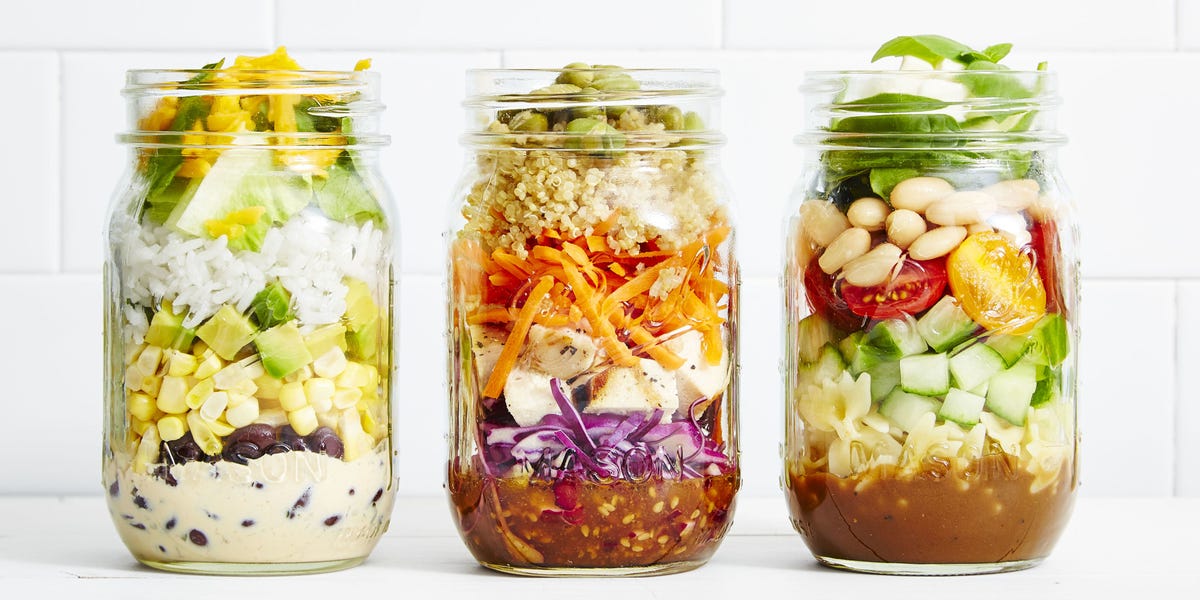
This bottom-to-top packing system is widely recommended for mason jar salads: wet ingredients go first, sturdy vegetables form the next layer, grains or proteins sit in the middle, and leafy greens finish the jar. Keeping the container upright prevents the dressing from turning your spinach into a tiny green swamp.
The recipe also offers a useful balance of textures. Pasta is soft and hearty, cucumber adds crunch, tomatoes bring sweetness and acidity, beans add creaminess, and basil contributes a fresh aroma. Unlike a bowl of plain lettuce that leaves you investigating the office snack drawer by 2 p.m., this make-ahead lunch has enough substance to feel like a real meal.
Mason Jar Pasta Salad Recipe at a Glance
- Yield: 4 individual salads
- Recommended jar size: Four 16-ounce wide-mouth mason jars
- Preparation time: About 20 minutes
- Cooking time: About 10 minutes, depending on the pasta
- Best for: Work lunches, school lunches, picnics, road trips, and weekly meal prep
- Main flavor: Fresh, tangy, herbaceous, and lightly savory
Ingredients
For the Balsamic Vinaigrette
- 1/3 cup extra-virgin olive oil
- 3 tablespoons balsamic vinegar
- 1 teaspoon Dijon mustard
- 1 teaspoon honey or maple syrup
- 1 small garlic clove, finely grated
- 1/2 teaspoon dried Italian seasoning
- 1/4 teaspoon kosher salt
- 1/8 teaspoon freshly ground black pepper
For the Pasta Salad
- 2 cups cooked short pasta, cooled
- 1 cup chopped English cucumber
- 20 grape or cherry tomatoes, halved
- 1 cup canned cannellini beans, rinsed and thoroughly drained
- 2 cups loosely packed baby spinach
- 1/2 cup fresh basil leaves, torn if large
- 1/4 cup finely chopped red onion, optional
- 1/2 cup crumbled feta or small mozzarella pearls, optional
- Salt and black pepper, as needed
Rotini, fusilli, small shells, farfalle, and penne are all practical choices because their curves and ridges hold dressing while remaining easy to eat. Dried short pasta generally survives refrigeration better than delicate fresh noodles. Pasta specialists and culinary publications differ on exactly how firm cold pasta should be, so the safest approach is to cook it until tender but not mushy, then taste it again after cooling.
How to Make Mason Jar Pasta Salad
Step 1: Wash and Dry the Produce
Rinse the cucumber, tomatoes, spinach, and basil under clean running water. Dry everything well before assembling the jars. Excess water may seem harmless, but it dilutes the dressing and encourages delicate ingredients to soften more quickly.
USDA guidance recommends washing fresh produce under running tap water rather than using soap or detergent. Clean your hands, knife, cutting board, jars, and lids before beginning.
Step 2: Cook the Pasta
Bring a pot of generously salted water to a boil. Add the pasta and cook according to the package directions until it is pleasantly tender. Drain it well.
Spread the pasta on a rimmed baking sheet or large plate so it cools quickly and does not continue steaming in a deep pile. Avoid packing warm pasta into the jars because trapped heat can create condensation. Condensation is wonderful in a rainforest and less charming in Tuesday’s lunch.
Step 3: Make the Dressing
Combine the olive oil, balsamic vinegar, Dijon mustard, honey, garlic, Italian seasoning, salt, and pepper in a small jar. Close the lid and shake vigorously until the vinaigrette appears blended and slightly thickened.
Taste the dressing with a piece of cucumber or cooled pasta rather than tasting it only from a spoon. The dressing should seem a little bold by itself because its flavor will soften once distributed among the pasta, beans, and vegetables.
Step 4: Season the Pasta
Place the cooled pasta in a bowl and toss it with one tablespoon of vinaigrette. This light coating helps prevent the noodles from sticking together without soaking them in enough dressing to become heavy. Taste and add a small pinch of salt if needed.
Step 5: Build the Jars in the Correct Order
Divide the ingredients among four clean 16-ounce jars in the following order:
- About 2 tablespoons balsamic vinaigrette
- Chopped cucumber and optional red onion
- Halved grape tomatoes
- Cannellini beans
- Cooked pasta
- Optional feta or mozzarella
- Baby spinach
- Fresh basil
Leave a little empty space at the top. That space allows the ingredients to move when the jar is shaken and prevents spinach from becoming trapped in the lid.
Step 6: Seal and Refrigerate
Wipe the rims clean, attach the lids tightly, and refrigerate the jars immediately. Store them upright so the vinaigrette remains at the bottom.
Step 7: Shake, Pour, and Eat
When lunchtime arrives, let the jar stand for about five to ten minutes if the olive oil has become cloudy or firm in the refrigerator. Shake the closed jar until the dressing begins coating the ingredients.
You can eat directly from a wide-mouth jar, but pouring the salad into a bowl gives the ingredients more room to mingle. It also prevents the undignified experience of chasing a rogue tomato around the bottom with a fork.
The Best Layering Order Explained
Layer 1: Dressing
Dressing belongs at the bottom because gravity is going to put it there eventually. Starting with it intentionally allows the other ingredients to act as protective barriers.
Layer 2: Firm Vegetables
Cucumbers, carrots, bell peppers, cabbage, and red onion can tolerate direct contact with vinaigrette. In fact, a brief soak can give them a lightly pickled flavor.
Layer 3: Tomatoes and Beans
Tomatoes release moisture, so keeping them below the pasta but away from the spinach limits their opportunity to wilt the greens. Cannellini beans add protein and fiber while forming another useful buffer.
Layer 4: Pasta and Cheese
The pasta creates the substantial middle of the meal. Feta and mozzarella can be placed above it, where they remain flavorful without sitting directly in an acidic dressing for several days.
Layer 5: Greens and Herbs
Spinach, arugula, lettuce, and fresh herbs should always be near the top. They are the most delicate ingredients and benefit from maximum distance from the vinaigrette. Good Housekeeping and other meal-prep sources use this same basic strategy to avoid soggy greens.
Tips for the Best Pasta Salad in a Jar
Use Wide-Mouth Jars
Wide-mouth jars are easier to fill, shake, empty, and clean. Standard-mouth jars will work, but retrieving a spinach leaf from the shoulder of a narrow jar can feel like a low-stakes archaeological excavation.
Cut Everything into Fork-Friendly Pieces
Keep vegetables, cheese, and optional protein close to the size of the pasta. Oversized cucumber chunks and whole slabs of onion make the salad difficult to mix and awkward to eat.
Drain Beans Thoroughly
After rinsing canned beans, let them sit in a strainer and pat them dry. Water clinging to the beans can weaken the vinaigrette and collect at the bottom of the jar.
Season in Layers
Salt the pasta water, taste the dressing, and lightly season the cooled pasta. Cold foods often need more deliberate seasoning because chilled ingredients release fewer aromas than warm ones. The Kitchn also recommends seasoning pasta salad throughout the process instead of relying on a last-minute sprinkle of salt.
Do Not Overpack the Jar
A tightly packed jar may look impressively efficient, but the contents need room to move. Leave approximately one inch of headspace for shaking.
Keep Crunchy Toppings Separate
Croutons, toasted nuts, seeds, and crispy chickpeas should be stored in a separate small container. Add them after shaking so they stay crisp.
Easy Mason Jar Pasta Salad Variations
Mediterranean Pasta Salad Jar
Replace the cannellini beans with chickpeas and add Kalamata olives, feta, roasted red peppers, and arugula. Use a lemon-oregano vinaigrette instead of balsamic dressing.
Italian Antipasto Version
Add chopped artichoke hearts, pepperoncini, mozzarella pearls, roasted peppers, and a small amount of salami. Place cured meat above the pasta rather than directly in the dressing.
Chicken Pesto Pasta Salad
Replace the balsamic vinaigrette with loosened basil pesto. Add cooked chicken, cherry tomatoes, mozzarella, and spinach. Keep the chicken refrigerated and use an insulated lunch bag when transporting it.
Vegan Mason Jar Pasta Salad
Use maple syrup in the dressing and omit the cheese. Add extra beans, marinated tofu, sunflower seeds, or roasted chickpeas for more substance.
Gluten-Free Pasta Salad
Choose a sturdy gluten-free short pasta made with corn, rice, lentils, or chickpeas. Check its texture early because gluten-free varieties can move from firm to fragile quickly. Cool it completely before layering.
Higher-Protein Lunch
Add grilled chicken, tuna, hard-cooked egg, tofu, lentil pasta, or another half cup of beans. Keep the portions reasonable so there is still room to shake the jar.
Contemporary pasta salad collections commonly turn the dish into a full lunch by pairing pasta with beans, poultry, seafood, cheese, or fiber-rich vegetables.
Meal-Prep and Food-Safety Guidance
For the best texture, prepare two or three jars at a time or plan to eat all four within several days. The exact storage life depends on the freshness of the ingredients, the cleanliness of the jars, and whether optional meat or cheese has been added.
Keep the jars refrigerated at 40°F or below. Do not leave a jar containing cut vegetables, cooked pasta, beans, cheese, or meat at room temperature for more than two hours. When the temperature is above 90°F, the FDA reduces that limit to one hour. Pack the salad with an ice pack for work, school, travel, or a picnic.
Discard the salad if it develops an unpleasant odor, visible mold, excessive sliminess, bubbling, or a damaged seal. A mason jar is a useful container, not a magical force field.
Common Mason Jar Pasta Salad Mistakes
- Adding warm pasta: Warm noodles create condensation and can soften the vegetables and greens.
- Putting spinach near the dressing: The leaves will wilt before lunchtime has a chance to disappoint you in other ways.
- Using watery ingredients: Poorly drained beans, wet spinach, and freshly rinsed pasta can dilute the vinaigrette.
- Choosing oversized pasta: Long noodles and jumbo shells are difficult to shake and awkward to remove from a jar.
- Underseasoning: Pasta absorbs flavor, and refrigeration dulls it. Taste every component before assembly.
- Adding crunchy toppings too early: Nuts, seeds, and croutons lose their appeal after prolonged contact with moisture.
- Storing the jar sideways: This allows the dressing to reach the spinach long before you are ready to eat.
- Using too much dressing: More vinaigrette does not automatically mean more flavor. It can leave the salad oily and sharp.
The Real-Life Mason Jar Pasta Salad Experience
The following is a practical composite of what home cooks commonly notice when preparing mason jar pasta salad for several lunches. Refrigerator temperatures, ingredient freshness, and personal preferences vary, but the progression provides a useful picture of how the recipe behaves beyond the polished moment when the jars first line up on the counter.
Assembly Day: Surprisingly Satisfying
The first pleasant surprise is how quickly four lunches come together once the ingredients are chopped. The jars look organized enough to suggest that the rest of the week may also cooperate, which is optimistic but enjoyable. Clear glass makes it easy to divide the ingredients evenly, and the colored layers offer immediate evidence that lunch contains something besides beige carbohydrates.
The most important lesson during assembly is to let the pasta cool completely. Even slightly warm pasta creates fog inside the glass. Once cooled, it separates more cleanly and settles into a neat layer above the beans. A small funnel helps with dressing, but a measuring spoon works just as well.
Day One: Maximum Crunch
The first jar delivers the brightest contrast between crisp cucumber, juicy tomatoes, tender pasta, and fresh spinach. Shaking distributes most of the dressing, although pouring the salad into a bowl produces a more even coating. The beans make the lunch feel more substantial without making it heavy.
The vinaigrette may taste sharper immediately after shaking. After resting for a minute in a bowl, the pasta absorbs some of that acidity and the flavors become more balanced. Fresh basil is especially noticeable on the first day, so generous herb enthusiasts may wish to reserve a few extra leaves for later jars.
Day Two: The Flavor Sweet Spot
On the second day, the cucumber and tomatoes have absorbed a little seasoning from the dressing while remaining crisp. The pasta tastes more integrated, and the red onionwhen includedloses some of its aggressive raw edge. This is often the point when the recipe feels less like separate ingredients and more like an intentional pasta salad.
A quick shake before leaving home helps, but the jar should remain upright during transportation. A leaking lunch container has a remarkable ability to locate the only important document in a bag.
Day Three: Small Adjustments Matter
By the third day, properly dried spinach should still look respectable, though it may be less perky than it was on assembly day. Basil tends to darken before sturdier greens do. Placing basil beneath the spinach or adding it on the morning of serving can preserve its appearance.
This is also when the value of restrained dressing becomes obvious. A jar with too much vinaigrette may begin tasting oily, while a correctly measured portion remains balanced. Keeping a small container of extra dressing nearby is more effective than flooding every jar in advance.
Day Four: Check Before Eating
The final jar deserves a quick sensory inspection. The vegetables should smell fresh, the beans should remain firm, and the greens should not appear slimy. When all ingredients were fresh, dry, and continuously refrigerated, the salad may still be enjoyable. However, quality declines at different rates, so appearance, smell, temperature control, and food-safety judgment should always outrank a meal-prep schedule.
The Biggest Practical Takeaway
Mason jar pasta salad works best when preparation is thoughtful rather than complicated. Dry ingredients thoroughly, use moderate portions of dressing, protect the greens with several sturdy layers, and keep the jars cold. Once those details are handled, lunch becomes genuinely convenient: shake, pour, eat, and enjoy the rare weekday achievement of having planned something successfully.
Conclusion
This mason jar pasta salad recipe turns basic pantry and refrigerator ingredients into a portable make-ahead lunch with real flavor, texture, and staying power. Balsamic vinaigrette sits at the bottom, crunchy vegetables and beans form protective layers, pasta provides substance, and fresh spinach and basil remain safely at the top.
The recipe is easy to customize with chickpeas, chicken, feta, mozzarella, pesto, olives, roasted vegetables, or gluten-free pasta. More importantly, it solves the classic meal-prep problem: preparing lunch in advance without opening the refrigerator three days later to discover a container of expensive sadness.
SEO Metadata