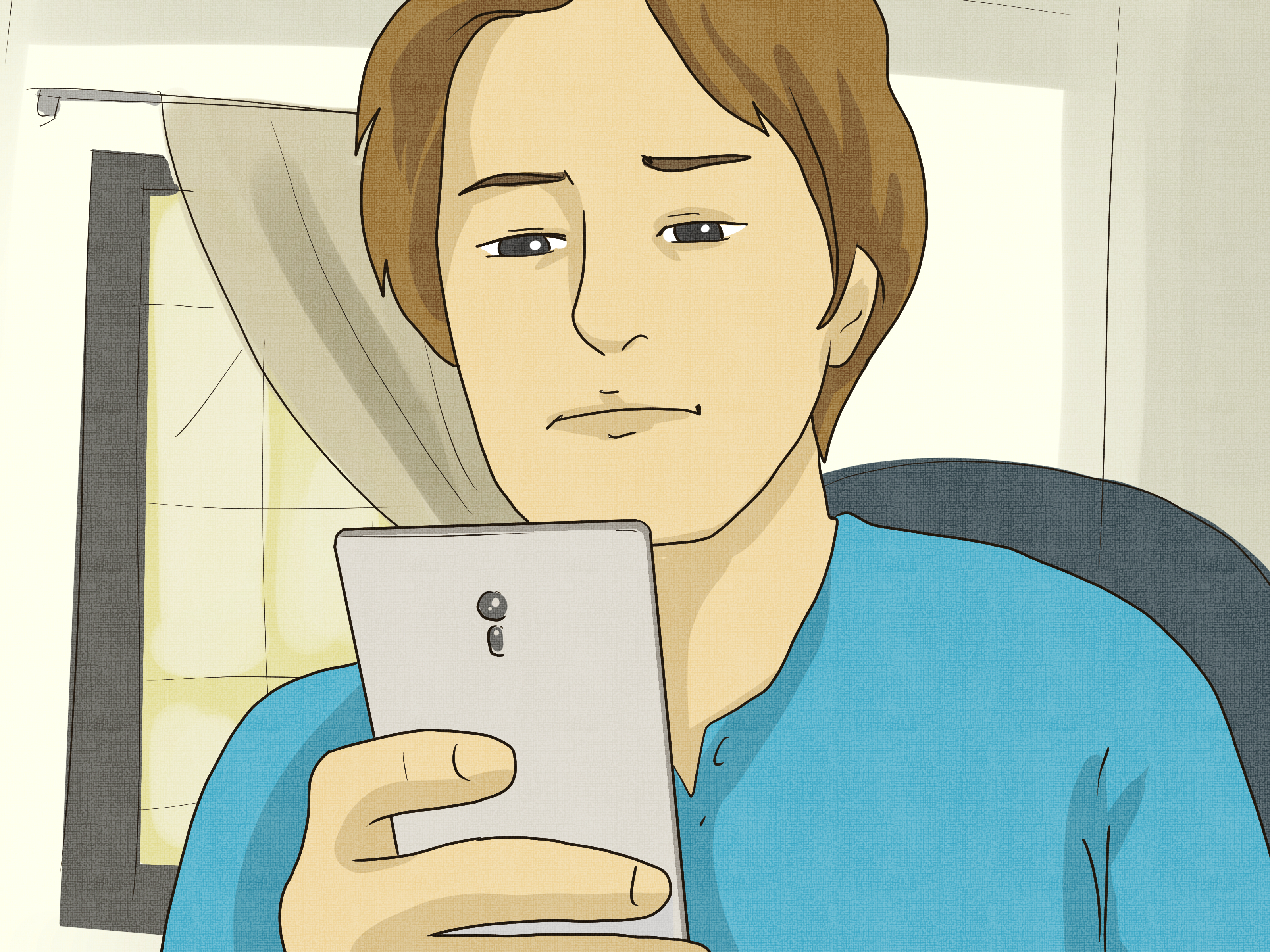
Borderline personality disorder, often shortened to BPD, is one of the most misunderstood mental health conditions. The name sounds dramatic, the symptoms can look confusing from the outside, and the internet has not exactly helped by turning clinical language into casual insults. But BPD is not a character flaw, a “bad attitude,” or someone simply being “too emotional.” It is a real mental health condition that affects how a person regulates emotions, sees themselves, connects with others, and handles stress.
At its core, borderline personality disorder involves intense emotional pain, unstable relationships, fear of abandonment, impulsive behavior, and a shaky sense of identity. A person with BPD may feel emotions like someone turned the volume knob all the way up, then broke the knob off. Joy can be huge, rejection can feel unbearable, and conflict can seem like proof that a relationship is about to collapse. That does not mean people with BPD are impossible to love or incapable of healthy relationships. It means they often need the right diagnosis, support, treatment, and skills to manage emotions that arrive fast and hit hard.
This guide explains the major signs and symptoms of borderline personality disorder in plain American English. It is not a substitute for a professional diagnosis, but it can help you understand what BPD may look like in everyday life, when to seek help, and why recovery is absolutely possible.
What Is Borderline Personality Disorder?
Borderline personality disorder is a mental health condition marked by ongoing patterns of emotional instability, impulsivity, unstable self-image, and relationship difficulties. Symptoms usually begin by early adulthood, although emotional and relationship patterns may appear earlier. BPD can affect school, work, friendships, dating, family life, parenting, self-esteem, and physical health habits.
The word “personality” can be misleading. It does not mean someone’s personality is broken. In mental health, a personality disorder refers to long-term patterns in how a person thinks, feels, behaves, and relates to others. With BPD, those patterns are often shaped by intense sensitivity to rejection, trouble returning to emotional balance, and a strong fear of being abandoned or left alone.
People with BPD may be deeply caring, creative, perceptive, loyal, and emotionally honest. They may also struggle with sudden mood shifts, panic during conflict, self-sabotaging decisions, or feeling empty even when life looks fine from the outside. Think of BPD less like “drama” and more like an emotional alarm system that keeps going off, even when there is no actual fire.
Common Signs and Symptoms of Borderline Personality Disorder
1. Intense Fear of Abandonment
One of the most recognizable symptoms of borderline personality disorder is a powerful fear of abandonment. This fear may show up when a partner takes longer than usual to text back, a friend cancels plans, or a loved one sounds slightly distracted on the phone. The person may logically know that the relationship is not ending, but emotionally it may feel like disaster has already entered the room and put its feet on the coffee table.
Fear of abandonment can lead to frantic efforts to avoid rejection. Someone might repeatedly ask for reassurance, call or text many times, cling to a relationship, accuse others of leaving, or suddenly withdraw first to avoid being hurt. In some cases, they may end a relationship abruptly because being the person who leaves feels safer than being the person who is left.
2. Unstable and Intense Relationships
BPD often affects relationships in a painful push-pull pattern. A new friend, partner, or mentor may initially seem perfect: safe, special, different from everyone else. Then a disagreement, missed message, or disappointing moment may make that same person feel cruel, uncaring, or untrustworthy. This rapid shift is sometimes described as moving between idealization and devaluation.
For the person with BPD, these shifts are not usually fake or manipulative. They often reflect genuine emotional distress and difficulty holding mixed feelings at the same time. In calm moments, they may know someone can be loving and imperfect. During emotional overload, the brain may sort people into simple categories: safe or unsafe, loving or rejecting, all-in or gone forever. Relationships can become exhausting for everyone involved unless healthier communication and coping skills are learned.
3. Rapid Mood Swings
Mood swings in borderline personality disorder can be intense and fast-moving. A person may feel hopeful in the morning, devastated by lunch, angry by late afternoon, and numb by bedtime. These emotional changes are often triggered by interpersonal stress, such as conflict, criticism, perceived rejection, loneliness, or feeling misunderstood.
Unlike some mood disorders where episodes may last days or weeks, BPD mood shifts can change within hours. That does not make them less serious. A short emotional storm can still knock down plenty of furniture, metaphorically speaking. The person may later feel embarrassed, guilty, or confused by how strongly they reacted.
4. Unstable Self-Image
People with BPD may struggle to maintain a stable sense of who they are. Their goals, values, interests, career plans, friendships, appearance, or beliefs may shift suddenly. One week they may feel confident and ambitious; the next, they may feel worthless or as if they do not know themselves at all.
This unstable self-image can make everyday decisions surprisingly hard. A person may ask, “Do I really want this job, or did I only want approval?” “Do I like this hobby, or did I copy someone I admire?” “Am I a good person, or secretly terrible?” Living with that level of identity uncertainty can feel like trying to write a résumé while the paper keeps changing shape.
5. Impulsive or Risky Behavior
Impulsivity is another common symptom of borderline personality disorder. This may include spending sprees, unsafe sex, reckless driving, binge eating, substance use, quitting jobs suddenly, sabotaging relationships, or making big decisions during emotional distress. The behavior may bring short-term relief, excitement, control, or distraction, but it often creates longer-term consequences.
Not every impulsive person has BPD, and not everyone with BPD has the same impulsive behaviors. The key pattern is that the action tends to happen quickly, emotionally, and repeatedly, especially when the person feels rejected, empty, angry, or overwhelmed.
6. Self-Harm or Suicidal Thoughts
Self-harm and suicidal thoughts are serious warning signs that require compassionate attention. Some people with BPD may cut, burn, hit themselves, misuse substances, or engage in other self-injuring behaviors. These actions are not “attention-seeking” in the casual, dismissive way people often use that phrase. They are often attempts to cope with unbearable emotional pain, express distress, stop numbness, or regain a sense of control.
Suicidal thoughts, threats, or attempts can also occur in BPD, particularly during intense rejection, shame, or conflict. Any mention of suicide or self-harm should be taken seriously. If someone is in immediate danger, call 911 or go to the nearest emergency room. In the United States, calling or texting 988 connects people with the Suicide & Crisis Lifeline.
7. Chronic Feelings of Emptiness
Many people with borderline personality disorder describe a deep, ongoing emptiness. This is not ordinary boredom, such as standing in line at the DMV while time itself appears to retire. It can feel like an inner hollow place, a sense of not existing, or a painful absence of meaning.
To escape emptiness, a person may seek intense relationships, dramatic experiences, constant activity, food, substances, shopping, sex, or online validation. The relief may be real but temporary. When the distraction fades, the emptiness often returns, sometimes louder than before.
8. Intense Anger or Trouble Controlling Anger
BPD can involve intense anger that seems disproportionate to the situation. A small misunderstanding may trigger rage, sarcasm, accusations, yelling, or sudden emotional withdrawal. Anger may be directed at loved ones, therapists, coworkers, or the person themselves.
Underneath the anger, there is often fear, shame, grief, or panic. Afterward, the person may feel guilty and terrified that the anger has damaged the relationship. This cycle can be especially painful because the very behavior used to protest abandonment may push others away.
9. Stress-Related Paranoia or Dissociation
During intense stress, some people with BPD experience temporary paranoia or dissociation. Paranoia may involve feeling certain that others are plotting, lying, judging, or planning to leave, even with little evidence. Dissociation can feel like being unreal, detached from the body, foggy, outside oneself, or disconnected from the world.
These symptoms can be frightening, but they are often temporary and stress-related. Grounding skills, therapy, and a safety plan can help a person recognize what is happening and reduce fear when these episodes occur.
What BPD Can Look Like in Everyday Life
Borderline personality disorder does not always look like the extreme portrayals found in movies or comment sections, which are not exactly known for their clinical accuracy. In real life, BPD can be quieter, more complicated, and easier to miss.
A student with BPD may panic when a professor gives critical feedback and decide they are a failure. A partner may read a delayed text as proof that love is disappearing. An employee may be praised for creativity but struggle with workplace conflict. A parent may adore their child while feeling crushed by shame after reacting too strongly. A friend may seem warm and funny, then suddenly disappear because they feel unwanted.
Because BPD symptoms overlap with depression, anxiety, PTSD, bipolar disorder, ADHD, eating disorders, and substance use disorders, diagnosis can take time. A trained mental health professional looks for long-term patterns, not one bad week, one messy breakup, or one emotional argument.
What Causes Borderline Personality Disorder?
There is no single cause of BPD. Research suggests that genetics, brain and nervous system differences, temperament, family history, trauma, invalidating environments, attachment disruptions, and early life stress may all play a role. Some people with BPD have histories of abuse, neglect, separation, or chaotic caregiving. Others do not have an obvious trauma history.
A helpful way to understand BPD is the “sensitive person plus difficult environment” model. A person may be born emotionally sensitive, quick to react, and slow to calm down. If that person grows up in an environment where emotions are ignored, punished, mocked, or unsafe, they may not learn reliable tools for managing emotional storms. That does not mean parents are always to blame, and it does not mean biology is destiny. It means BPD usually develops from a mix of vulnerability and experience.
How Borderline Personality Disorder Is Diagnosed
BPD is diagnosed by a licensed mental health professional, such as a psychiatrist, psychologist, clinical social worker, or qualified therapist. The clinician may ask about symptoms, relationship patterns, mood history, trauma history, self-harm, substance use, family history, medical conditions, and current stressors. A physical exam or medical review may be recommended to rule out other causes of symptoms.
Diagnosis is not about labeling someone as “difficult.” A good diagnosis should open the door to effective care. Many people feel relief when they finally understand that their emotional experiences have a name and that proven treatments exist.
BPD vs. Bipolar Disorder: Why They Are Often Confused
Borderline personality disorder and bipolar disorder can both involve mood changes, impulsivity, and emotional intensity. However, they are not the same condition. Bipolar disorder involves episodes of depression and mania or hypomania that usually last days, weeks, or longer. BPD mood shifts are often shorter and more closely tied to relationship stress, rejection, or conflict.
It is also possible for someone to have both conditions, which is why professional evaluation matters. Guessing from a checklist is like trying to fix your car because you watched three videos and heard a weird noise. Maybe you are right. Maybe you are about to make the problem much more expensive.
Treatment: Can Borderline Personality Disorder Get Better?
Yes. Borderline personality disorder can improve significantly with treatment. Psychotherapy is the main treatment. Dialectical behavior therapy, commonly called DBT, is one of the best-known evidence-based therapies for BPD. DBT teaches practical skills in mindfulness, distress tolerance, emotion regulation, and interpersonal effectiveness. In plain English, it helps people notice what they feel, survive emotional crises without making them worse, communicate needs clearly, and build a life that feels worth living.
Other therapies may also help, including mentalization-based therapy, transference-focused psychotherapy, schema therapy, cognitive behavioral approaches, and good psychiatric management. Medication does not cure BPD itself, but it may be used to treat co-occurring symptoms such as depression, anxiety, sleep problems, or mood instability. The best treatment plan is individualized and often includes therapy, crisis planning, education, family support, and consistent follow-up.
When to Seek Help
Consider seeking help if emotional reactions feel overwhelming, relationships repeatedly become chaotic, fear of abandonment controls your decisions, self-harm occurs, impulsive behavior causes harm, or life feels unmanageable. You do not need to wait until everything falls apart. Early support can prevent suffering from becoming a full-time job with terrible benefits.
If you are worried about someone else, approach them with calm concern rather than accusation. Try saying, “I care about you, and I can see you are in a lot of pain. Would you be willing to talk with a therapist?” Avoid using BPD as a weapon during arguments. Shame rarely leads people toward healing; it usually just locks the door from the inside.
How Loved Ones Can Respond
Supporting someone with BPD requires compassion and boundaries. Both matter. Compassion without boundaries can lead to burnout. Boundaries without compassion can feel like rejection. The goal is not to walk on eggshells forever, but to communicate clearly and consistently.
Helpful responses include validating emotions without agreeing to distorted conclusions. For example: “I understand you feel scared that I am leaving. I am not leaving, and I need twenty minutes to cool down before we continue talking.” This kind of response acknowledges pain while keeping behavior respectful.
Loved ones may also benefit from therapy, support groups, or education programs. BPD affects families and relationships, not just the person diagnosed. Everyone involved deserves tools, rest, and support.
Real-Life Experiences Related to Borderline Personality Disorder: Signs and Symptoms
Because borderline personality disorder is often misunderstood, it can help to look at realistic experiences. The following examples are composite scenarios, not real personal stories. They are designed to show how BPD signs and symptoms may feel from the inside and appear from the outside.
Imagine Maya, who is funny, generous, and the person everyone calls when they need emotional support. She remembers birthdays, sends thoughtful messages, and can read a room faster than most people can find the light switch. But when her best friend cancels dinner because of a work emergency, Maya feels a sudden drop in her stomach. Her thoughts race: “She is tired of me. I am too much. Everyone leaves.” Within minutes, sadness turns into anger. She sends several texts, then blocks her friend before the friend can reply. Two hours later, Maya feels ashamed and lonely. She unblocks the friend, writes an apology, deletes it, writes another, and spends the night convinced she has ruined everything.
Now consider Jordan, who changes life plans often. One month, Jordan wants to become a nurse. The next, a graphic designer. Then a tattoo artist. Then nothing at all, because “what is the point?” Family members call Jordan irresponsible, but the deeper issue is unstable identity. Jordan is not simply being flaky. Jordan genuinely struggles to know which goals belong to them and which goals were borrowed from someone they admired, dated, or wanted approval from. When relationships shift, Jordan’s sense of self shifts too.
Another example is Chris, who appears confident at work but privately battles chronic emptiness. Chris receives praise from a manager and feels high for half an hour. Later, one neutral email“Please revise this section”feels like proof of total failure. Chris goes home, orders things they cannot afford, drinks too much, and texts an ex. The next morning, Chris feels embarrassed and promises never to do it again. But without new coping skills, the same cycle returns the next time shame hits.
For loved ones, BPD can feel confusing. A partner may wonder, “How can someone love me so much in the morning and accuse me of not caring by dinner?” A parent may feel helpless when reassurance never seems to last. A friend may feel hurt by sudden silence or explosive messages. These reactions are understandable. BPD can strain relationships deeply. Still, the symptoms make more sense when viewed through the lens of emotional dysregulation, fear, and nervous system overload rather than simple selfishness.
The hopeful part is that people can learn skills. Maya can practice pausing before texting, naming the fear, and asking for reassurance directly. Jordan can work with a therapist to build a more stable identity based on values rather than emotional weather. Chris can learn distress tolerance skills that do not involve spending, drinking, or contacting unsafe people. Loved ones can learn to validate feelings while setting firm limits. Nobody becomes perfectly calm overnight; humans are not software updates. But with consistent treatment, patience, and accountability, many people with BPD build stable relationships, meaningful work, and a much kinder relationship with themselves.
Conclusion
Borderline personality disorder is a serious but treatable mental health condition. Its signs and symptoms may include fear of abandonment, unstable relationships, rapid mood swings, impulsive behavior, self-harm, chronic emptiness, intense anger, unstable self-image, and stress-related paranoia or dissociation. These symptoms can create painful patterns, but they do not define a person’s worth or future.
Understanding BPD with accuracy and compassion matters. The more we replace stigma with clear information, the easier it becomes for people to seek help, stay in treatment, repair relationships, and build lives that feel less chaotic and more grounded. BPD may turn emotions into fireworks, but with the right support, those sparks do not have to burn the whole house down.
SEO Tags