
A Bosch dishwasher is supposed to leave your dishes sparkling, not leave behind a suspicious little swamp at the bottom of the tub. If your Bosch dishwasher is not draining, do not panic, do not grab a wrench like you are starring in a home improvement action movie, and definitely do not pour random chemicals into it just because the internet once whispered, “Try this.”
In most cases, a Bosch dishwasher that will not drain has a simple cause: food debris in the filter, gunk in the pump area, a bent drain hose, a clogged air gap, or a garbage disposal connection issue. The good news is that many of these fixes are beginner-friendly, surprisingly fast, and cheaper than calling a repair technician to tell you a pasta shell was the villain all along.
This guide walks you through easy step-by-step solutions, explains what Bosch error codes like E24 and E25 usually mean, and helps you figure out when the problem is a DIY job and when it is time to call a pro. So roll up your sleeves, grab a towel, and let’s rescue your dishwasher from its watery drama.
Why a Bosch Dishwasher May Not Drain
When a Bosch dishwasher is not draining, the machine usually is not broken in some spectacular, smoke-filled way. Most of the time, water cannot leave the dishwasher because something is blocking the path or stopping the pump from doing its job.
Common causes include:
- A clogged dishwasher filter
- Debris stuck in the drain pump area
- A loose or misaligned pump cover
- A kinked, crushed, or blocked drain hose
- A clogged sink air gap
- A garbage disposal that is blocked or has a knockout plug still in place
- Improper drain hose installation causing backflow
- A failing drain pump or electrical problem
One important detail: a tiny amount of clean water in the sump area of some dishwashers can be normal. That is not the same thing as a pool of murky water sitting in the bottom of the tub after a full cycle. If you can see standing water where your lower spray arm and filter area should look clean and calm, your Bosch dishwasher likely needs attention.
Before You Start: Basic Safety First
Before you begin poking around inside the appliance, turn off the dishwasher and disconnect power if you plan to inspect internal parts. Put down towels around the base of the unit because water has a nasty habit of escaping precisely when you are feeling confident. If you need to scoop out standing water, use a cup, ladle, or sponge.
Also, be careful inside the filter and pump area. Bits of glass, bones, fruit pits, and other sharp debris can hide in there like tiny kitchen booby traps.
Step-By-Step Solutions for a Bosch Dishwasher Not Draining
Step 1: Run a Cancel/Drain or Reset Cycle
Start with the easiest fix first. On many Bosch dishwashers, you can press and hold the Reset button or the Start button for about four seconds to cancel the cycle and force the dishwasher to drain. Then wait a minute or so while the drain sequence finishes.
If the water disappears, great. Your dishwasher may have been stuck mid-cycle or needed a reset. If the water stays put like it signed a lease, move on to the next step.
Step 2: Clean the Filter
This is the classic culprit. Food bits, grease, paper labels, and mystery sludge can clog the filter and block water flow. In Bosch dishwashers, the filter is usually located at the bottom of the tub under the lower rack.
- Pull out the lower rack.
- Twist and remove the filter assembly.
- Rinse it under warm running water.
- Use mild dish soap and a soft brush to remove grease and stuck-on debris.
- Reinstall it correctly and make sure it locks into place.
If the filter was packed with grime, congratulations, you may have just found the problem. Bosch dishwashers like regular maintenance, and a neglected filter can turn even a premium machine into a glorified soaking bin.
Step 3: Check the Drain Pump Area
If cleaning the filter did not solve the problem, inspect the drain pump area underneath it. Bosch support guidance often points to debris in the pump or a loose pump cover as a common reason for poor draining.
- Remove the filter completely.
- Sponge out excess water if needed.
- Locate the pump cover under the filter.
- Open or remove the cover according to your owner’s manual.
- Look for debris such as broken glass, seeds, small bones, or labels.
- Remove any blockage carefully.
- Reinstall the pump cover securely.
If the pump cover is loose, missing, or not seated correctly, the dishwasher may show a Bosch E25 error or drain poorly. This is one of those tiny issues that creates outsized chaos, like one sock disappearing and somehow ruining everyone’s morning.
Step 4: Inspect the Drain Hose
Your Bosch dishwasher drain hose runs from the dishwasher to the sink drain, garbage disposal, or air gap. If it is kinked, crushed, clogged, or routed poorly, water cannot leave the machine properly.
Look under the sink and behind the dishwasher if you can safely access it. Check for:
- Sharp bends or kinks
- Pinched sections behind the cabinet
- Grease buildup or clogs
- Loose connections
If you find a kink, straighten it. If the hose seems clogged, it may need to be removed and flushed or replaced. If the dishwasher was recently installed, a badly routed hose is a very likely suspect.
Step 5: Check the Garbage Disposal Connection
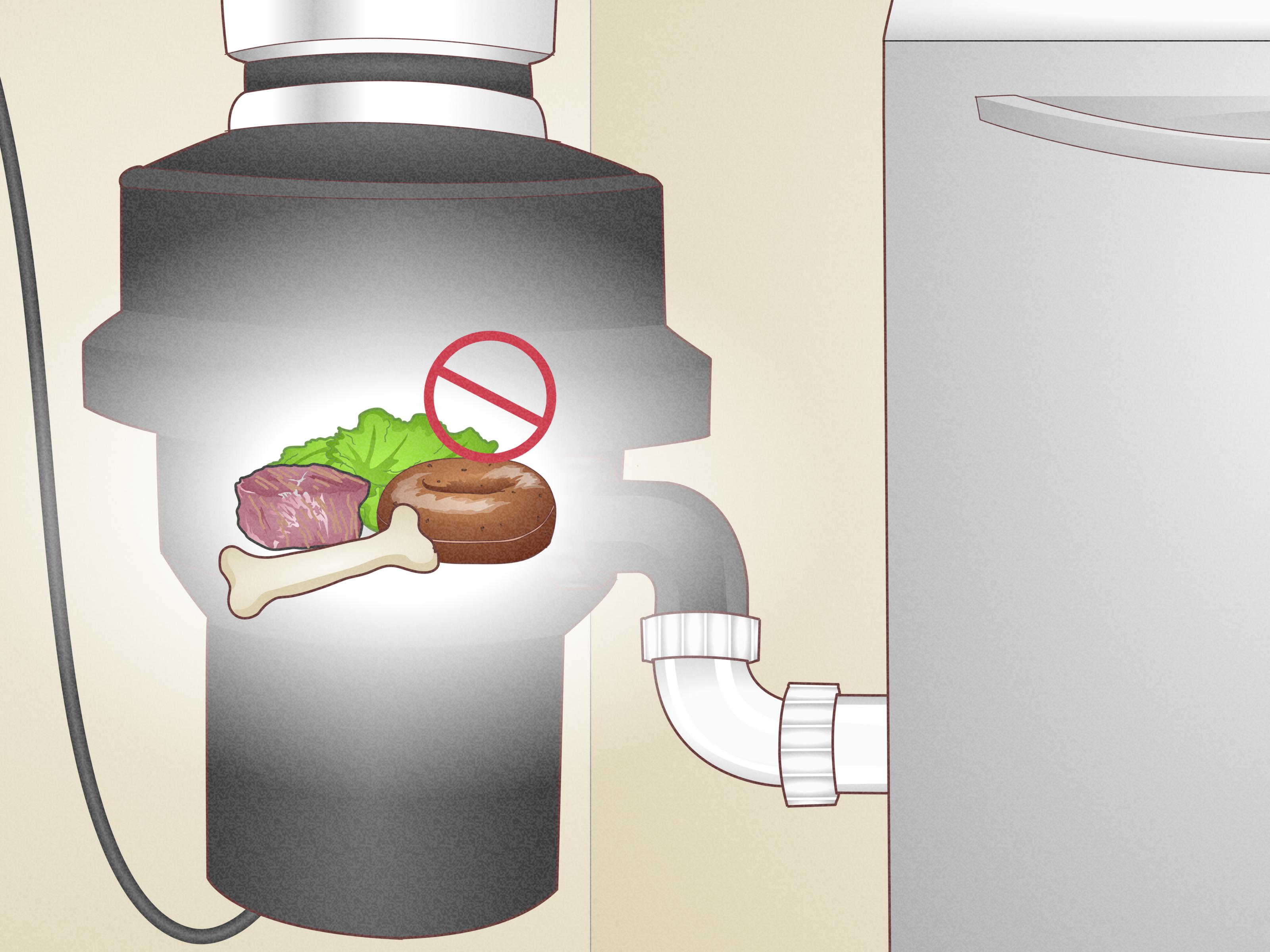
This step is especially important if your Bosch dishwasher started acting up after a new garbage disposal was installed. Many dishwashers drain through the garbage disposal inlet, and if the installer forgot to remove the knockout plug inside that inlet, the dishwasher has nowhere to send water.
Yes, one small plug can stop the whole show.
Also check whether the garbage disposal itself is clogged. Run the disposal, flush it with water, and see whether the sink is draining normally. A backed-up sink drain can cause water to remain in the dishwasher or even flow back into it.
Step 6: Clean the Sink Air Gap
If your kitchen sink has a small cylinder near the faucet, that is likely the air gap. Its job is to prevent dirty water from flowing back into the dishwasher. If it gets clogged, your dishwasher may not drain properly.
- Remove the air gap cover.
- Lift off the cap.
- Clean out debris using a small brush or rinse it thoroughly.
- Reassemble the air gap and run a drain cycle.
Clogged air gaps are common and annoying, mostly because the part is tiny, the problem is weirdly dramatic, and many homeowners do not even realize the air gap exists until it starts causing trouble.
Step 7: Check for Backflow and Installation Problems
If your Bosch dishwasher drains and then mysteriously ends up with dirty water in the bottom later, the issue may be backflow rather than a direct blockage. This often happens when the drain hose is not installed with a proper high loop or air gap, depending on local code and the installation setup.
A proper high loop helps keep sink water from flowing back into the dishwasher. If the hose droops too low, dirty water can return to the tub after the cycle ends. In plain English, the dishwasher did its job, and the plumbing betrayed it.
If your unit is newly installed or recently moved, inspect the hose routing under the sink. The drain hose should rise high under the countertop before connecting to the drain system, unless an air gap setup is being used instead.
Step 8: Look for Bosch Error Codes
Many Bosch dishwashers are polite enough to complain in code. Two common drainage-related codes are:
- E24: Usually points to a draining problem, often involving the filter, hose, or disposal connection
- E25: Commonly indicates a blocked drain pump or a loose or missing pump cover
If you see one of these codes, focus first on the filter, pump cover, drain pump area, and hose path. In many cases, the machine is telling you exactly where to look. It is not being cryptic. It is being European.
Step 9: Reset the Dishwasher
After clearing clogs or correcting a connection issue, reset the dishwasher and run a short cycle. Sometimes the control board needs a clean restart after the drainage issue is fixed.
If your model does not respond to the standard reset button method, consult the owner’s manual. Button labels and reset sequences can vary by Bosch model.
Step 10: Know When to Call a Professional
If you cleaned the filter, checked the pump, inspected the hose, cleared the air gap, confirmed the disposal connection, and the Bosch dishwasher still is not draining, the problem may be more technical. You may be dealing with:
- A failing drain pump motor
- An electrical issue
- A damaged control board
- A hidden blockage deep in the drain line
- A faulty sensor
At that point, a professional repair may save time, frustration, and the possibility of accidentally turning a dishwasher problem into a kitchen renovation project.
What Not to Do
When your Bosch dishwasher is not draining, resist these common mistakes:
- Do not pour standard drain cleaner into the dishwasher.
- Do not use hand dish soap inside the machine.
- Do not force parts open if you are unsure how they release.
- Do not ignore standing water for days because odors and buildup get worse fast.
- Do not reinstall the filter or pump cover loosely.
Trying random shortcuts can create a bigger repair bill than the original problem. The goal is “clean dishes,” not “accidental science experiment.”
How to Prevent Bosch Dishwasher Drain Problems
Once you get the dishwasher draining again, a little maintenance goes a long way.
Simple prevention tips:
- Clean the filter regularly
- Scrape large food debris off dishes before loading
- Check the pump area if you suspect broken glass
- Run the garbage disposal before starting the dishwasher
- Inspect the air gap occasionally if your sink has one
- Keep an eye on the drain hose if the dishwasher is moved or serviced
- Use dishwasher-safe detergent only
Think of it as routine maintenance, like brushing your teeth or pretending you will finally organize that junk drawer this weekend.
Final Thoughts
A Bosch dishwasher not draining looks dramatic, but the fix is often refreshingly unglamorous. A dirty filter, a blocked pump, a bent hose, a clogged air gap, or a forgotten disposal plug can all stop drainage and create standing water in the tub. The good news is that these issues are usually fixable with patience, basic tools, and a willingness to investigate places where old spaghetti likes to hide.
Start with the simplest steps, work methodically, and test the dishwasher after each fix. In many cases, you will solve the problem without needing major repairs. And if you do need a technician, you will at least be able to say, with confidence and a little pride, “I already checked the filter, pump, hose, air gap, and disposal.” That sentence alone can save time and make you sound like you definitely know what you are doing.
Real-World Experiences With a Bosch Dishwasher Not Draining
Homeowners often describe this problem the same way: the dishwasher seemed perfectly normal until one day they opened the door and found cloudy water sitting at the bottom like a bad surprise party. In many cases, the fix turned out to be something simple. One common experience is cleaning the filter and discovering a layer of greasy residue mixed with rice, pasta, or label fragments from jars. After a thorough rinse and a reset cycle, the machine went back to normal. It is not glamorous, but it is a classic win.
Another very common story happens after a new garbage disposal is installed. The dishwasher worked fine before, then suddenly would not drain afterward. The cause was not the dishwasher at all. It was the knockout plug inside the disposal inlet that had never been removed. Once that plug was knocked out and the hose reconnected, the standing water issue disappeared. This catches plenty of people off guard because the timing makes it feel like the Bosch unit failed, when the real culprit is the shiny new disposal sitting two feet away pretending to be innocent.
Some users report hearing a humming sound during the drain cycle but seeing no water leave the tub. That often points to debris trapped in the pump area. A tiny shard of glass or a fruit pit can interfere with the impeller enough to stop normal drainage. After carefully removing the filter, opening the pump cover, and clearing the obstruction, the dishwasher suddenly sounds normal again. It is a weirdly satisfying repair because the object causing the problem is usually hilariously small compared to the amount of frustration it created.
There are also cases where the dishwasher seems to drain, but dirty water keeps reappearing later. That usually leads people on a wild goose chase until they realize the issue is backflow from the sink side. A low drain hose, a missing high loop, or a clogged air gap can allow dirty water to come back into the dishwasher after the cycle finishes. Once the hose is routed correctly or the air gap is cleaned, the mystery pond at the bottom of the tub finally stops returning.
And then there is the experience nobody loves: doing every DIY step correctly and still having the problem. In those cases, the drain pump motor, control board, or an internal blockage may be to blame. Even then, the time spent checking the easy fixes is not wasted. It helps narrow down the issue, gives the repair technician a clearer starting point, and often prevents you from paying for a service visit just to have someone clean the filter you forgot existed.
The biggest lesson from real-world Bosch dishwasher drainage problems is simple: start with the obvious, work in order, and do not assume the worst first. Most of the time, the solution is less “catastrophic appliance failure” and more “a sneaky little clog with excellent hiding skills.”