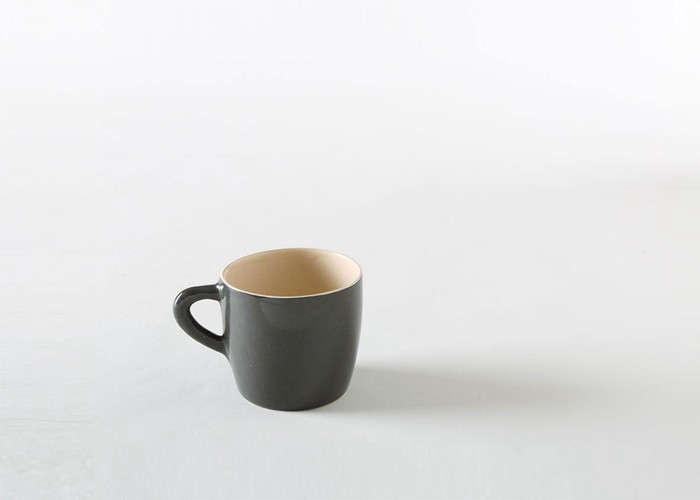

Some cups politely hold coffee. Brickett Davda’s Large Black Cup appears to do something more ambitious: it gives your morning drink a stage, a costume, and possibly its own agent. With its dark finish, restrained shape, and handmade character, this memorable ceramic vessel represents the kind of quiet design that does not need a slogan printed across the side to attract attention.
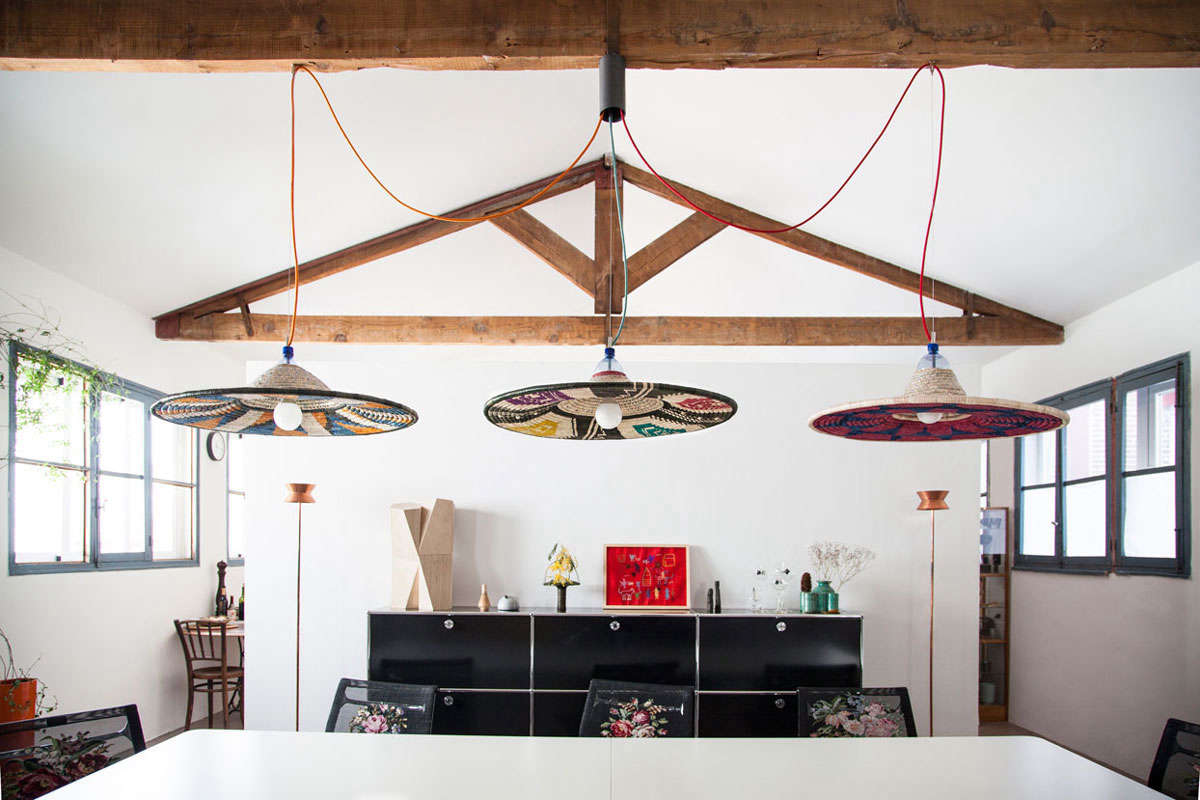
The cup appeared in a 2015 Remodelista guide to a compact London dining room, where it was offered through San Francisco retailer March for $72. That price belongs to the historical listing rather than the current market, but the archived feature still tells us something useful. This was not positioned as an ordinary cupboard filler. It was presented as considered tableware: a practical object selected for its ability to contribute to the atmosphere of a room.
What Is Brickett Davda’s Large Black Cup?
Brickett Davda’s Large Black Cup is a handmade ceramic drinking vessel associated with the British studio founded by ceramic artist Jo Davda. The studio is known for simple tableware shaped by a combination of practicality, natural color, and artistic restraint. Instead of covering every surface with patterns, logos, or decorative flourishes, the work generally allows form, glaze, proportion, and subtle variation to do the talking.
That design approach is especially effective in black. A pale cup can disappear into a white kitchen, but a black ceramic cup creates an immediate focal point. It can look graphic against linen, warm beside wood, dramatic next to white plates, or wonderfully moody beside green glassware. In other words, it behaves like the little black dress of the cupboard, except it is considerably better at holding tea.
What the Archival Record Confirms
The surviving product feature confirms the designer, retailer, product name, black color, and historical price. It does not provide a complete technical sheet with exact capacity, dimensions, clay composition, weight, or appliance-safety instructions. Those details should not be guessed. Anyone considering a vintage example or a related current Brickett Davda design should request measurements and care guidance from the seller.
This distinction matters because handmade ceramics can vary. A cup described as large by one studio may be a generous coffee cup, a breakfast vessel, or a small bowl-like form. That ambiguity is not necessarily a disadvantage. Part of the appeal lies in escaping the aggressively standardized world where every cup looks as though it graduated from the same corporate training program.
The Artist and Design Philosophy Behind the Cup
Jo Davda has been producing ceramic designs since the early 1990s. Her work reflects a background in fine art as well as an interest in the colors and forms found in urban environments, the countryside, and the British coast. That combination helps explain why Brickett Davda tableware often feels both architectural and organic. The silhouettes are controlled, yet the surfaces and contours retain evidence of the making process.
Simple Does Not Mean Generic
Minimalist tableware is sometimes dismissed as plain, but successful simplicity is surprisingly difficult. When an object has no ornamental camouflage, every proportion matters. The curve of the wall, the thickness of the rim, the relationship between width and height, and the way the base meets the table all become visible.
Brickett Davda’s Large Black Cup fits this philosophy. Its appeal does not depend on novelty for novelty’s sake. It is memorable because familiar elements have been reduced and balanced. This is functional minimalism rather than showroom minimalism: calm enough to photograph beautifully, but intended to participate in ordinary meals.
The Value of Handmade Variation
Hand-molded ceramics may show slight differences in contour, surface, glaze, and finish. In mass production, those differences might be treated as defects. In studio pottery, they can become a record of human involvement. Two cups from the same collection may be clearly related without behaving like identical twins who planned matching outfits.
That individuality gives handmade tableware emotional staying power. A small irregularity can make a cup easier to recognize and more satisfying to handle. Over time, the owner stops seeing merely “a black cup” and starts seeing a specific object with familiar weight, balance, and texture.
Why a Large Black Ceramic Cup Makes an Impression
Black Creates Strong Visual Contrast
Black tableware can make surrounding colors appear brighter. Cream-colored foam, amber tea, pale oatmeal, red berries, green herbs, and golden pastries all become more noticeable beside a dark vessel. The effect is not loud, but it is deliberate. The cup frames what it holds instead of blending politely into the background.
A black finish also crosses style categories easily. In a modern kitchen, it supports clean lines and graphic contrast. In a rustic room, it adds depth beside worn wood and natural textiles. In an eclectic setting, it acts as a visual anchor among patterned plates, colored glasses, and mixed flatware.
A Generous Form Encourages Slower Rituals
Large cups tend to invite lingering. They suit the drinker who wants enough coffee to survive a long email, enough tea for several chapters, or enough cocoa to justify an unreasonable cloud of whipped cream. Capacity should still match the beverage. Espresso can cool quickly when spread across an oversized vessel, while brewed coffee, café au lait, tea, and broth often benefit from more room.
The broader opening common to many large handmade cups can also release aroma efficiently and make the vessel comfortable to hold with both hands. The tradeoff is faster heat loss compared with a narrow, lidded, insulated mug. This is tableware for enjoying a drink, not transporting it through an airport while wrestling a suitcase.
The Cup Can Work Beyond Coffee
Depending on its confirmed capacity and food-safe specifications, a large ceramic cup may serve tea, hot chocolate, café au lait, soup, fruit, yogurt, or a modest dessert. That versatility is useful in smaller homes, where every object should ideally earn its shelf space. A beautiful cup that can also handle breakfast has understood the assignment.
How the Cup May Feel in Everyday Use
A cup’s appearance attracts attention, but ergonomics determine whether it becomes a daily favorite. Good drinkware should balance comfortably, present a pleasant rim, and provide a stable base. Handle size matters when a handle is present; a handleless design must instead offer a secure, comfortable surface that does not become unpleasantly hot.
Ceramic is popular for hot drinks because it can retain warmth while presenting a neutral interior that does not introduce a metallic sensation. Wall thickness affects the experience. A heavier body may stay warm longer but feel substantial when filled. A thinner body may feel elegant and responsive but cool sooner. Neither approach is automatically superior. The right choice depends on whether the owner is a slow sipper, a rapid drinker, or someone who makes coffee and then forgets it exists for forty-five minutes.
Styling Brickett Davda’s Large Black Cup
Pair It With Natural Wood
Black ceramics look especially rich on oak, walnut, teak, or reclaimed wood. The warm grain prevents the dark color from appearing severe, while the cup adds structure to the softer natural surface. A wooden tray, small spoon, and folded linen napkin are enough to create an inviting breakfast arrangement without making the table look as though it has been styled by a committee.
Use White and Cream for Contrast
White plates, ivory pitchers, and oatmeal-colored textiles create a crisp but relaxed palette around the cup. Rather than purchasing a fully matched black dinnerware set, one or two dark pieces can be used as punctuation. This approach keeps the table light while giving the eye somewhere to land.
Add Green, Blue, or Amber Glass
Colored glassware softens black ceramics and introduces transparency. Recycled green glasses create an earthy, collected look. Amber glass adds warmth, while smoky blue creates a cooler coastal mood. These combinations feel layered without relying on elaborate patterns.
Mix Handmade Pieces Without Forcing a Match
A handmade black cup does not require identical companions. It can sit comfortably beside terracotta bowls, pale stoneware, vintage cutlery, or modern glass. The easiest method is to repeat one quality rather than one exact design. Repeat the black color in a candlestick, echo the cup’s curved profile in a bowl, or use several pieces with similarly irregular surfaces.
Care and Maintenance
Because complete care instructions for the archived Large Black Cup are not readily available, owners should follow instructions supplied with the specific piece. Do not assume that every handmade ceramic item is microwave-, oven-, or dishwasher-safe. Clay body, glaze formulation, decoration, firing temperature, age, and condition can all affect suitable use.
Use Gentle Cleaning Methods
Hand-washing with warm water, mild dish soap, and a soft sponge is the cautious choice for valuable or difficult-to-replace ceramics. Abrasive pads may mark glossy surfaces or alter matte finishes. Dark glazes can reveal mineral deposits, soap film, or pale scratches more readily than expected, so rinsing thoroughly and drying with a soft cloth helps preserve the finish.
Avoid Sudden Temperature Changes
Thermal shock can damage ceramic ware. Avoid moving a very cold cup directly into extreme heat or pouring boiling liquid into a chilled vessel unless the maker confirms that it is designed for such treatment. Prewarming the cup with warm tap water can reduce the temperature difference and also help a hot drink remain warm longer.
Inspect Vintage Pieces Carefully
Before using an older example, examine it under bright light. Look for cracks, deep chips, glaze deterioration, or fine lines that may hold moisture. Ask the seller whether the piece has been repaired and whether it was originally intended for food use. A beautiful damaged cup can still serve as a pencil holder or small vase, although assigning a $72 design object to paper clips may cause the paper clips to develop unreasonable confidence.
Is Brickett Davda’s Large Black Cup Worth Seeking Out?
For buyers who value handmade design, restrained color, and objects with a documented design context, the cup has clear appeal. Its historical price placed it above ordinary mass-produced drinkware, but studio ceramics are evaluated differently. The cost reflects not only the raw material but also artistic development, small-scale production, finishing, retail presentation, and the individuality of the completed piece.
It may not suit someone who wants six perfectly identical, easily replaceable mugs. Nor is it the obvious choice for a household where cups regularly experience dramatic encounters with tile floors. However, for a collector, design enthusiast, or committed believer in making breakfast look better than circumstances require, it offers a compelling combination of usefulness and visual presence.
Buyers searching today should use the exact product name, check specialist design retailers, explore reputable resale platforms, and review Brickett Davda’s current collections for related forms. Confirm measurements, condition, shipping protection, and return terms before purchasing. Archived prices are useful historical clues, not promises from the universe.
Experience: Living With a Large Black Handmade Cup
The most realistic way to understand a cup like this is to imagine it entering an ordinary kitchen rather than remaining perfectly lit on a design shelf. On the first morning, its black surface would immediately distinguish it from a collection of white diner mugs and promotional cups acquired through mysterious workplace events. Even before the coffee arrived, it would make the counter look more deliberate.
Filled with café au lait, the contrast would become the first pleasure. Pale foam against a dark interior has a satisfying clarity, and the generous scale would encourage both hands to participate. A substantial ceramic body might take a moment to warm, but preheating it with hot water would improve the experience. The cup would feel less like disposable drink delivery and more like a small morning ritual.
By lunchtime, its usefulness could broaden. A modest serving of tomato soup would look vivid inside the black form, particularly with green herbs and a spoonful of cream. Paired with sourdough on a wooden board, the cup would turn a simple meal into something surprisingly photogenic. This is the secret strength of well-designed tableware: it does not improve the soup recipe, but it can persuade you that lunch deserves your full attention.
There would also be practical discoveries. A large cup filled to the top becomes heavy, so the comfortable fill line might sit below its maximum capacity. If the walls are broad and open, drinks may cool faster than they would in a narrow travel mug. That is not a problem for someone who drinks steadily, but a chronic coffee abandoner may need smaller servings. The cup teaches its owner how it wants to be used, which sounds dramatic until one remembers how many people have strong opinions about their favorite spoon.
Over several days, the handmade character would become more important than the color. A slight waviness in the rim, a subtle change in the glaze, or a tiny variation in the wall would become familiar landmarks. These details might be barely visible to a guest, yet they would distinguish the cup from factory-perfect alternatives. The object would begin to feel personal without being customized.
Care would naturally become part of the experience. Instead of dropping the cup into a crowded sink beneath a skillet and three ambitious forks, the owner would probably rinse it soon after use and wash it separately. That small act might initially feel precious. Eventually, it would simply become routine, like using a wooden cutting board properly or refusing to put a good knife in the dishwasher.
The strongest experience would be emotional rather than technical. Reaching for the same cup each morning creates continuity. Its weight, shape, and dark surface become part of the start of the day. The coffee may change, the weather may misbehave, and the inbox may arrive wearing combat boots, but the cup remains reassuringly familiar. That is why people become attached to handmade tableware. It transforms a repeated necessity into a recognizable personal ritual.
Conclusion
Brickett Davda’s Large Black Cup demonstrates how a simple household object can carry artistic identity without losing its practical purpose. Its dark color creates visual drama, its generous form supports leisurely drinks and small meals, and its handmade character offers the subtle individuality missing from standardized tableware.
The cup’s 2015 appearance in a carefully designed London dining room also reveals its broader role. It was not merely selected to hold a beverage; it helped establish texture, contrast, and atmosphere. Whether found as an original vintage piece or appreciated through related Brickett Davda ceramics, the design offers a persuasive argument for owning fewer objects with more personality.
A cup cannot reorganize your schedule, answer your email, or prevent Monday from recurring. It can, however, make the first drink of the day feel intentional. Some mornings, that is an impressive amount of work for one piece of pottery.