
Note: This article is for educational purposes only and is not a substitute for medical advice. Sudden vision loss, new double vision, severe eye pain, or trouble closing the eyelids fully should be checked by a qualified healthcare professional right away.
When “Just Dry Eyes” Is Not So Simple
Dry eyes are easy to blame on ordinary life. Too much screen time? Probably. Windy weather? Sure. One more hour scrolling in bed with the brightness turned up like a tiny Times Square? Guilty. But when dry, irritated eyes come with swelling, pressure, eyelid changes, double vision, or eyes that appear to bulge forward, it may be time to think beyond regular eye strain.
One possible cause is thyroid eye disease, often shortened to TED. It is also called Graves’ eye disease, Graves’ ophthalmopathy, or Graves’ orbitopathy. TED is an autoimmune condition in which the immune system mistakenly attacks tissues around the eyes, including muscles, fat, and connective tissue. The result can be inflammation, swelling, dryness, redness, and the well-known “bulging eyes” appearance.
Thyroid eye disease is most often connected with Graves’ disease, an autoimmune disorder that can cause an overactive thyroid. However, TED does not always follow the rulebook. Some people develop eye symptoms before they know they have thyroid disease. Others may have normal or low thyroid levels. In other words, TED is the medical version of a plot twist.
What Is Thyroid Eye Disease?
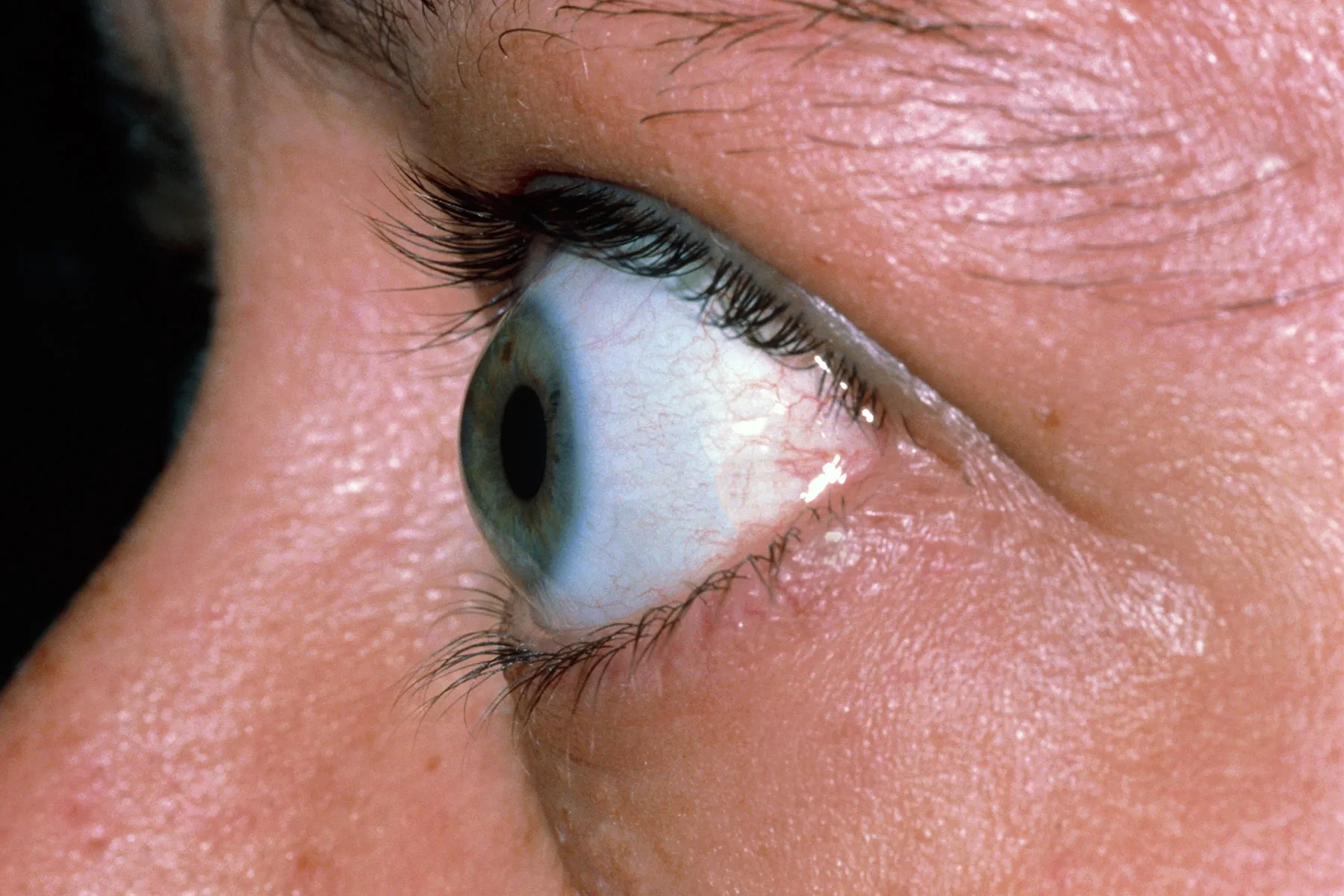
Thyroid eye disease is an inflammatory condition that affects the tissues inside the eye socket. The immune system targets the area behind and around the eyes, causing swelling and tissue expansion. Because the eye socket is a fixed bony space, swollen tissue has limited room to go. As pressure builds, the eyes may be pushed forward, creating proptosis or exophthalmos, the medical terms for bulging eyes.
TED can affect one eye or both eyes. It may be mild and annoying, like having sand in your eyes after a beach trip you did not take. Or it may become moderate to severe, causing double vision, visible eye changes, and in rare cases, pressure on the optic nerve that can threaten sight.
Why the Thyroid and Eyes Are Connected
The thyroid gland sits in the neck and produces hormones that help regulate metabolism, energy, body temperature, heart rate, and other important functions. In Graves’ disease, the immune system stimulates the thyroid to make too much hormone. Some of the same immune activity can also affect tissues around the eyes. That is why thyroid symptoms and eye symptoms often appear together, although they may not move in perfect sync.
Here is an important point: treating the thyroid problem does not always make thyroid eye disease disappear. Getting thyroid hormone levels into a healthy range is still essential, but the eye disease may need its own evaluation and treatment plan.
Common Symptoms of Thyroid Eye Disease
The symptoms of thyroid eye disease can sneak in gradually. Many people first notice dryness or irritation and assume they need better eye drops, fewer screens, or a vacation from fluorescent lighting. Those may help comfort, but they do not address the underlying inflammation if TED is the cause.
Early or Mild Symptoms
- Dry, gritty, or burning eyes
- Watery eyes, even when the eyes feel dry
- Redness or irritation
- Swollen eyelids
- Light sensitivity
- A feeling of pressure behind the eyes
- Eyes that look unusually wide open
- Mild eye discomfort or aching
More Noticeable Symptoms
- Bulging eyes or a “staring” appearance
- Upper eyelids pulling back, called eyelid retraction
- Trouble closing the eyes completely
- Double vision, especially when looking up, down, or sideways
- Eye movement that feels restricted
- Changes in appearance from one eye to the other
Warning Signs That Need Prompt Attention
Some symptoms should not be brushed off as “probably allergies.” Seek urgent medical care if you notice sudden vision changes, loss of color brightness, severe eye pain, new or worsening double vision, or the inability to close your eyes enough to protect the surface. These symptoms can signal serious complications, including corneal damage or pressure on the optic nerve.
Why Bulging and Dryness Happen Together
Bulging and dryness may seem like separate problems, but in thyroid eye disease they are often connected. When the tissues behind the eye swell, the eye can move forward. At the same time, eyelids may retract or fail to close completely. This leaves more of the eye surface exposed to air. The tear film evaporates faster, and the cornea can become dry and irritated.
Imagine leaving a window cracked open during a windy day. The room may be fine at first, but after a while, everything dries out and gets uncomfortable. The eye works in a similar way. If the eyelids cannot cover and protect the eye properly, dryness can become stubborn.
Watery eyes can also happen with TED. That sounds backward, but it makes sense: when the eye surface gets irritated, the body may respond by producing watery reflex tears. Unfortunately, those tears may not have the right balance of oils and moisture to solve the dryness. So the eyes can feel dry and watery at the same time, because apparently eyes enjoy being dramatic.
Who Is More Likely to Develop Thyroid Eye Disease?
Thyroid eye disease is most commonly associated with Graves’ disease, but not everyone with Graves’ disease develops eye problems. Risk can vary from person to person. Some factors that may increase the chance or severity of TED include smoking, uncontrolled thyroid levels, family history of autoimmune thyroid disease, and certain thyroid treatments such as radioactive iodine in people who already have active or moderate-to-severe eye symptoms.
Smoking is one of the strongest known risk factors. It can increase the likelihood of developing TED and may make the disease more severe. It can also reduce how well some treatments work. If thyroid eye disease needed a villain in the story, smoking would definitely be wearing the black cape.
Women are diagnosed with autoimmune thyroid disease more often than men, but men who develop TED may sometimes have more severe disease. Age, immune health, and thyroid control may also influence the course of symptoms.
How Thyroid Eye Disease Is Diagnosed
Diagnosis usually starts with a detailed medical history and an eye exam. An ophthalmologist, especially one familiar with thyroid eye disease or orbital conditions, may look for eyelid retraction, swelling, eye movement problems, corneal dryness, pressure changes, and the degree of eye protrusion.
Tests Doctors May Use
- Thyroid blood tests: These may include TSH, free T4, free T3, and thyroid antibody tests.
- Eye measurements: An eye doctor may measure how far the eyes protrude using a tool called an exophthalmometer.
- Vision testing: This may include visual acuity, color vision, eye pressure, and visual field testing.
- Imaging: CT or MRI scans may be used if the diagnosis is unclear, symptoms are one-sided, or there is concern about muscle enlargement or optic nerve compression.
Because bulging eyes can have causes other than TED, including inflammation, infection, tumors, or vascular problems, proper diagnosis matters. A selfie comparison from five years ago may be useful for noticing change, but it cannot replace a medical exam.
The Two Phases of Thyroid Eye Disease
Thyroid eye disease often moves through two broad phases: an active phase and an inactive phase.
Active Phase
During the active phase, inflammation is ongoing. Symptoms may change, worsen, or flare. People may notice redness, swelling, pain, pressure, dryness, and shifting double vision. This phase can last months and sometimes longer than a year.
Inactive Phase
In the inactive phase, inflammation settles down, but structural changes may remain. Bulging, eyelid retraction, or double vision may persist because tissues have stretched, scarred, or changed position. At this stage, surgery may be considered for function, comfort, or appearance if symptoms remain significant.
Understanding the phase is important because treatment choices may differ. Anti-inflammatory therapies are usually aimed at active disease, while corrective surgeries are often planned after the disease has stabilized unless vision is at risk.
Treatment Options for Thyroid Eye Disease
Treatment depends on severity, disease activity, thyroid status, eye surface health, and whether vision is threatened. Mild cases may focus on comfort and monitoring. Moderate-to-severe cases may need prescription medication, specialist care, or surgery.
At-Home Comfort Measures for Mild Symptoms
- Use preservative-free artificial tears during the day.
- Use lubricating ointment or gel at night if the eyes do not close fully.
- Wear sunglasses outdoors to reduce light sensitivity and wind irritation.
- Sleep with the head slightly elevated to reduce morning puffiness.
- Use cool compresses for swelling and irritation.
- Avoid smoke exposure and ask for help quitting if you smoke.
These steps may reduce discomfort, but they do not cure thyroid eye disease. If symptoms are progressing, home care should not be the entire plan.
Managing Thyroid Levels
Keeping thyroid hormone levels stable is a major part of care. Depending on the person, treatment for Graves’ disease may include antithyroid medication, radioactive iodine, or thyroid surgery. However, radioactive iodine may worsen eye disease in some people, especially those with active or moderate-to-severe TED, so doctors may recommend avoiding it or using steroid protection in selected cases.
Prescription Treatments
For active moderate-to-severe thyroid eye disease, doctors may consider anti-inflammatory or immune-targeting therapies. Corticosteroids may be used to reduce inflammation in selected patients. Teprotumumab, sold under the brand name Tepezza, is an FDA-approved medication for thyroid eye disease and targets the insulin-like growth factor-1 receptor pathway involved in TED. It may reduce eye bulging and double vision in some patients, but it also has possible side effects, including muscle spasms, high blood sugar, hearing problems, diarrhea, fatigue, and other concerns. A careful discussion with a specialist is essential.
Surgical Treatment
Surgery may be used when disease is stable or when urgent problems threaten vision. Common procedures include orbital decompression surgery to create more room in the eye socket, eye muscle surgery to improve double vision, and eyelid surgery to help protect the eye surface or improve eyelid position. Surgery is not “cosmetic only” for many people. It can improve comfort, eye protection, and daily function.
Living With Thyroid Eye Disease Day to Day
Thyroid eye disease can affect more than the eyes. It can change how a person feels in social situations, at work, in photos, or while doing ordinary tasks like driving, reading, or using a computer. Double vision can make stairs feel like a puzzle. Dryness can make screen work feel like a staring contest with a desert. Appearance changes can be emotionally difficult, especially when other people make comments without realizing how personal the condition feels.
A practical daily routine can help. Keep lubricating eye drops nearby, especially at a desk, in a backpack, or beside the bed. Take screen breaks before the eyes start protesting. Use wraparound sunglasses on windy days. If double vision occurs, ask an eye specialist whether temporary prisms, patching strategies, or other tools may help. If eye appearance changes are affecting confidence, mention that too. Emotional quality of life is part of health, not a bonus feature.
It also helps to coordinate care. Many people with TED need both an endocrinologist and an ophthalmologist. The endocrinologist manages thyroid function; the ophthalmologist monitors the eyes, vision, and orbit. In more complex cases, an oculoplastic surgeon, neuro-ophthalmologist, or strabismus specialist may join the team.
Common Myths About Thyroid Eye Disease
Myth 1: “If my thyroid levels are normal, my eyes are fine.”
Not always. Thyroid hormone levels and eye inflammation do not always improve at the same speed. Some people continue to have eye symptoms even after thyroid blood tests look better.
Myth 2: “Dry eyes are never serious.”
Dry eyes are often manageable, but severe dryness from eyelid retraction or incomplete closure can damage the cornea. Persistent dryness with bulging, pain, or vision changes deserves medical evaluation.
Myth 3: “Bulging eyes always happen suddenly.”
TED can develop gradually. People may notice that old photos look different, one eye appears larger, or eyelids seem more open than before.
Myth 4: “Eye drops can fix thyroid eye disease.”
Lubricating drops can help comfort and protect the eye surface, but they do not treat the immune inflammation behind TED.
When to Talk to a Doctor
Make an appointment with a healthcare professional if you have ongoing dry eyes, swelling, pressure, bulging, eyelid changes, or double vision, especially if you have Graves’ disease or symptoms of thyroid imbalance such as rapid heartbeat, weight changes, heat intolerance, tremor, anxiety, fatigue, or sleep problems.
Seek urgent care if you have sudden vision loss, dimming vision, reduced color brightness, severe pain, new double vision, or inability to close the eyes. These signs may indicate a complication that needs fast treatment.
Experience-Based Lessons: What People Often Notice With TED
Many people who eventually receive a thyroid eye disease diagnosis describe the beginning as confusing rather than dramatic. They may start with dry eyes that feel worse in the morning, a gritty sensation that does not fully improve with regular drops, or eyelids that look puffy in every mirror except the one they were hoping would be kind. At first, the symptoms can look like allergies, lack of sleep, contact lens irritation, or too much screen time. That is one reason TED can be missed early.
A common experience is the “photo realization.” Someone compares a recent picture with an older one and notices that one eye looks more open, the eyelids seem pulled back, or the eyes appear more prominent. This can feel unsettling because the change may be gradual enough that day-to-day mirrors do not make it obvious. Friends or family may say, “You look tired,” which is usually not the medical insight they think it is.
Another frequent challenge is explaining symptoms that come and go. A person may wake up with swelling and pressure, feel better by afternoon, then struggle again after a long workday. Dry office air, wind, bright light, and long computer sessions can make symptoms more noticeable. People with double vision may find that it appears only in certain directions of gaze, such as looking up at a shelf or checking a side mirror while driving. That pattern matters and should be shared with the eye doctor.
Some people also describe frustration when thyroid lab results improve but eye symptoms continue. This can be emotionally draining because it feels as if the body did not read the “good news” memo. The key lesson is that TED often needs its own treatment plan. A normal thyroid test is worth celebrating, but it does not automatically mean the eye disease is finished.
Daily habits can make a real difference in comfort. Many patients learn to keep preservative-free artificial tears in several places: desk, car, bathroom, bag, and bedside table. Nighttime ointment can be helpful when the eyelids do not close fully, although it may blur vision temporarily. Sunglasses are not just for looking mysterious at the grocery store; they can reduce wind and light sensitivity. Sleeping with the head elevated may reduce morning swelling for some people.
The biggest experience-based takeaway is this: do not wait until symptoms are severe to ask for help. Early evaluation can document changes, protect the cornea, monitor vision, and connect the patient with the right specialists. Thyroid eye disease can be manageable, but it is much easier to manage when the care team knows what is happening before the eyes start sending angry emails in all caps.
Conclusion
Bulging, dry eyes can be more than a nuisance. When dryness comes with swelling, pressure, eyelid changes, or double vision, thyroid eye disease should be on the radar, especially for people with Graves’ disease or thyroid symptoms. TED is an autoimmune condition that affects the tissues around the eyes, and it can range from mild irritation to vision-threatening complications.
The good news is that thyroid eye disease can be evaluated and treated. Mild symptoms may improve with lubrication and lifestyle steps, while more active or severe disease may require prescription therapy, coordinated thyroid care, or surgery. The most important move is not to ignore changes. Eyes are small, but when they complain, they tend to have excellent reasons.
SEO Tags