
The Bunbuku Co. Waste Basket is proof that even the most humble object in the room can have good posture. It does not blink, beep, sing, swing open with a sensor, or pretend to be a tiny robot butler. It simply stands there, beautifully shaped, quietly useful, and ready to catch yesterday’s receipts, pencil shavings, snack wrappers, rejected sticky notes, and every “important document” that suddenly becomes less important after tax season.
At first glance, a waste basket seems like the least dramatic item in home decor. Nobody hosts a dinner party and says, “Come quickly, you must see the trash can.” Yet the Bunbuku waste basket has earned attention because it does something rare: it makes everyday utility look intentional. Made by Bunbuku Co., Ltd., a Japanese manufacturer with roots going back to 1918, this metal waste basket blends old-school craftsmanship with a simple form that still feels fresh in modern homes, offices, studios, dorm rooms, and retail spaces.
For anyone searching for a Japanese waste basket, a minimalist trash can, a metal office bin, or a durable made-in-Japan home accessory, Bunbuku is one of those small discoveries that feels oddly satisfying. It is not flashy. It is not oversized. It is not trying to be furniture. It is just a smart, sturdy, handsome container that understands its assignment.
What Is the Bunbuku Co. Waste Basket?
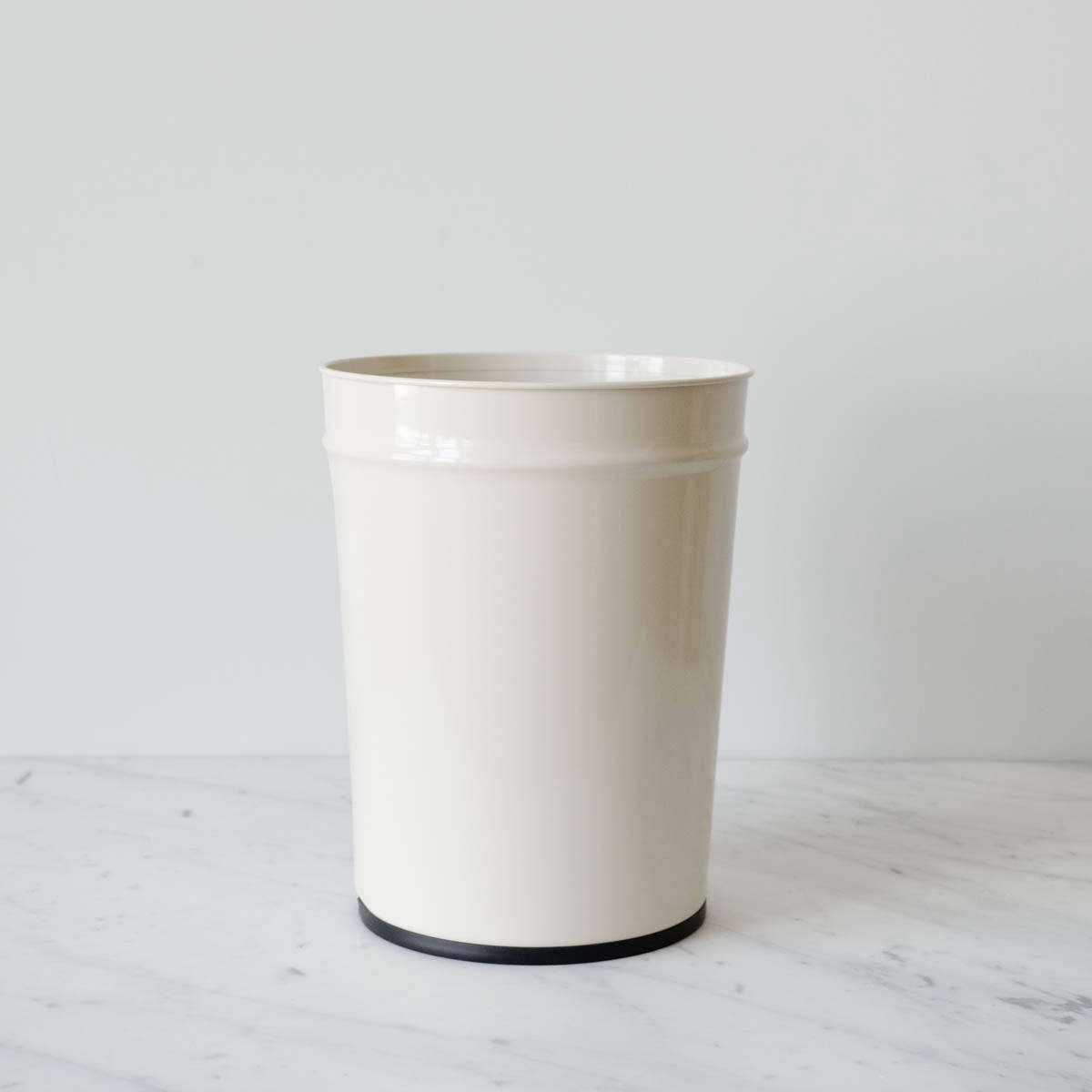
The Bunbuku Co. Waste Basket is a tapered metal waste bin known for its clean silhouette, durable construction, and understated Japanese design. The most recognizable version is the tapered waste basket, a round bin that is wider at the top and narrower at the bottom. That shape gives it a light visual footprint while still making it practical for daily paper waste and light household trash.
Different retailers list variations in small and large sizes, often in colors such as ivory, black, gray, cream, red, or yellow depending on availability. Common product details include tin-free steel, enameled or painted finish, smooth rounded edges, stackable construction, and in some large models, a vinyl or PVC base ring that helps protect the floor and reduce slipping.
The result is a waste basket that looks equally comfortable beside a writing desk, under a console table, near a reading chair, in a child’s room, or beside a drafting table where creative ideas and bad sketches go to negotiate their future.
A Brief History of Bunbuku Co.
Bunbuku Co., Ltd. was founded in Japan in 1918, during the Taisho era. The company began as a maker of practical household hardware and later expanded into environmental fixtures for offices, commercial spaces, institutions, and public areas. Its product range includes trash cans, umbrella stands, sign stands, containers, and related metal goods.
That history matters because the Bunbuku waste basket is not a trend-first object. It comes from a manufacturing culture focused on usefulness, repetition, precision, and long-term reliability. Bunbuku’s own design philosophy centers on products that “fit” everyday life: not too much, not too little, but just right. That phrase could sound like marketing poetry if the product did not back it up. Fortunately, the waste basket does.
The tapered waste basket design is often described as having been developed in the 1960s, which helps explain its midcentury-meets-modern appeal. It has the confidence of a design that survived decades without begging for attention. The form is simple enough to blend into a room, but refined enough that you do not feel the need to hide it behind a plant.
Why This Waste Basket Became a Design Favorite
1. It Makes Trash Look Tasteful
Let’s be honest: most waste baskets are either aggressively plastic, suspiciously wobbly, or shaped like they were designed during a committee meeting in a windowless basement. The Bunbuku Co. Waste Basket takes the opposite approach. It uses a clean cylindrical taper, a smooth rim, and a compact profile to create a bin that looks calm instead of chaotic.
That is especially useful in small spaces. In apartments, home offices, bedrooms, and studios, every visible object contributes to the mood of the room. A bulky trash can can make a tidy desk area feel like a supply closet. A Bunbuku basket, by contrast, has the quiet dignity of a design object while still doing the job nobody else wants.
2. It Is Built from Metal, Not Wishful Thinking
The Bunbuku waste basket is commonly listed as being made from tin-free steel or enameled steel, depending on the specific model and retailer. This gives it a firmer feel than lightweight plastic bins and helps it hold its shape over years of use. Smooth edges make it easy to handle, while the tapered form allows some models to be stacked for storage or retail display.
Metal also gives the basket a pleasing weight. It does not feel like it will panic and tip over every time an envelope lands inside. For a home office, craft room, or retail counter, that stability is a small but meaningful upgrade.
3. It Has a Long-Life Design Mindset
The Bunbuku waste basket received recognition from Japan’s Good Design Long Life Design Award in 2015. That matters because “long-life design” is not about being loud, fashionable, or packed with features. It is about usefulness that lasts. A good waste basket should not need a software update. It should not require a manual the size of a sandwich. It should simply remain useful, attractive, and easy to live with.
This is where Bunbuku shines. The shape is not trapped in one decade. It can work in a midcentury modern room, a Japanese-inspired interior, a Scandinavian-style apartment, a cozy cottage office, or a crisp contemporary workspace. It is a design chameleon, but thankfully not the kind that climbs curtains.
Design Details That Make the Difference
The Tapered Shape
The tapered profile is one of the most important features of the Bunbuku Co. Waste Basket. A wider top makes it easy to toss in paper and light waste, while the narrower bottom keeps the base visually compact. This helps the basket feel less bulky, even in a small room.
The shape also makes it easy to place beside a desk or chair. It does not sprawl. It does not demand space like an overconfident laundry hamper. It sits politely and waits for your crumpled to-do list.
The Smooth Rim
The rounded rim adds comfort and polish. When you pick up the basket to empty it, the edge feels finished rather than sharp or raw. That small touch is part of what separates a well-made object from a cheap container pretending to be useful.
The Color Palette
Depending on the retailer and production run, Bunbuku waste baskets may be found in neutral shades like ivory, gray, black, or cream, as well as brighter options like red or yellow. Neutral colors work beautifully in minimalist interiors, while a bolder color can act as a tiny design wink in a room that needs personality.
An ivory Bunbuku basket feels soft and classic. A black one looks crisp and architectural. Gray is the easiest to blend into office settings. Yellow or red brings energy without requiring you to repaint a wall or buy a neon sofa, which is usually a wise life choice.
Where to Use a Bunbuku Waste Basket
Home Office
The Bunbuku waste basket is especially well suited for a home office. It holds paper waste, packaging slips, sticky notes, envelopes, and the occasional snack wrapper from the “I will only work for ten more minutes” snack break that somehow becomes dinner. Its refined look pairs well with wood desks, metal shelving, leather chairs, and simple modern accessories.
Bedroom
In a bedroom, the basket can collect tissues, tags, paper, and small dry waste without disrupting the decor. Choose ivory or gray for a calm look, or black if the room has darker accents. Because the design is compact, it fits well beside a nightstand or under a vanity.
Kids’ Room
For a child’s room, the Bunbuku basket can serve as a paper bin, toy corral, or small storage bucket. Some retailers even suggest it as a general storage container for items beyond trash. The metal construction feels more grown-up than a cartoon-themed bin, which means it can stay useful as the room changes.
Studio or Craft Room
Artists, designers, and makers generate a surprising amount of tiny debris: paper scraps, thread, tape backing, cardboard corners, packaging bits, and prototypes that did not survive the committee of one. A Bunbuku basket keeps that mess contained while still looking good in a creative workspace.
Retail or Hospitality Spaces
Bunbuku products are often associated with offices, public areas, institutions, and commercial settings in Japan. That background makes the waste basket a good fit for boutique shops, reception areas, galleries, and hospitality spaces where even functional objects need to look considered.
Bunbuku Waste Basket vs. Ordinary Trash Cans
An ordinary plastic trash can usually wins on price and availability. You can buy one almost anywhere, often in a hurry, and it will perform the basic function of holding trash. But the Bunbuku Co. Waste Basket competes in a different category. It is for people who notice the small things and prefer objects that age gracefully.
Compared with typical plastic bins, Bunbuku offers a more refined appearance, stronger material presence, and a longer-lasting design language. It is not necessarily the right choice for wet kitchen garbage, outdoor messes, or heavy-duty cleanup. But for dry waste, paper, office use, bedroom use, and decorative storage, it is far more attractive than the average bin.
Think of it this way: a basic plastic waste basket is a background extra. The Bunbuku basket is a supporting character with excellent tailoring.
How to Style the Bunbuku Co. Waste Basket
Pair It with Natural Materials
The clean metal finish looks beautiful beside wood, rattan, linen, cotton, ceramic, and leather. In a room with natural textures, the basket adds a touch of industrial neatness without feeling cold.
Use Contrast
A black Bunbuku basket can anchor a pale room. An ivory one can soften a dark office. A yellow or red version can add just enough color to make the space feel designed rather than accidentally assembled during a weekend of online shopping.
Let It Be Visible
The biggest compliment you can give this waste basket is not hiding it. Place it beside a desk leg, near a reading nook, or under an open console. It has enough design confidence to be seen, which is rare in the glamorous world of trash management.
Care and Maintenance Tips
Most Bunbuku waste baskets are best used for dry waste rather than wet kitchen garbage. To keep the finish looking clean, wipe the surface with a soft, damp cloth and dry it afterward. Avoid harsh abrasives, rough scrubbers, or chemical cleaners that may damage the painted or enameled finish.
If using the basket for paper waste, a liner may not be necessary. Going liner-free can make the basket look better and reduce plastic bag use. However, if you plan to toss anything dusty or potentially messy, a small liner helps protect the interior. For storage use, felt pads or soft items can be placed inside if you are storing objects that might scratch the finish.
Who Should Buy the Bunbuku Co. Waste Basket?
The Bunbuku Co. Waste Basket is ideal for people who value simple design, long-lasting household goods, Japanese craftsmanship, and interiors where even small objects are chosen with care. It is a strong choice for designers, writers, students, architects, boutique owners, remote workers, and anyone tired of looking at a flimsy plastic bin under a beautiful desk.
It may not be the best option for someone who needs a large kitchen trash can, a step-pedal bin, a covered bathroom container, or a heavy-duty outdoor receptacle. This is a refined open-top waste basket, not a garbage fortress. But for paper waste and light household use, it hits a sweet spot between utility and style.
Buying Considerations Before You Choose One
Before buying a Bunbuku waste basket, check the size carefully. Small versions are commonly suited for desks, bedrooms, and compact spaces, while large versions provide more capacity for offices or shared rooms. Product listings may show dimensions in inches, centimeters, or gallons, so compare measurements with the space where you plan to place it.
Also review the color, material description, base detail, and return policy. Some imported design goods may have limited availability, final-sale conditions, or extra shipping costs. Because Bunbuku products are often sold through design shops and specialty retailers, colors and stock can change quickly.
Finally, decide whether you want the basket to disappear quietly into the room or become a small accent piece. Black, gray, and ivory are safer choices. Red or yellow is for the person who believes even trash deserves a little jazz.
Final Verdict: A Waste Basket Worth Noticing
The Bunbuku Co. Waste Basket succeeds because it respects the ordinary. It takes an object most people ignore and gives it proportion, durability, and grace. It is simple without being boring, sturdy without being clunky, and attractive without turning into a design diva.
In a world full of disposable goods, the Bunbuku waste basket feels refreshingly permanent. It reminds us that good design does not always need to shout. Sometimes it just sits beside your desk, catches your paper scraps, and makes the room look a little more grown-up.
Experience Notes: Living With a Bunbuku Co. Waste Basket
Using a Bunbuku Co. Waste Basket day after day is a lesson in how small design choices can quietly improve a room. The first thing you notice is not some dramatic feature. It is the absence of annoyance. The basket does not wobble every time you toss in a folded envelope. It does not look cheap beside a decent desk. It does not make your office corner feel like a break room. It simply belongs.
In a home office, the Bunbuku basket works best as a paper and dry-waste bin. Place it near the side of your dominant hand, and it becomes part of your workflow. Old notes, packaging paper, receipts, and failed drafts disappear without the basket becoming visually distracting. If your workspace has wood furniture, a gray or ivory model can soften the look. If your desk setup includes black monitor arms, metal lamps, or dark shelving, the black version feels intentional and sharp.
One pleasant surprise is how versatile the basket can be when it is not being used for trash. In a living room, it can hold rolled magazines, wrapping paper, or lightweight throws. In a craft room, it can collect paper scraps or store tubes of drawing paper. In an entryway, it can temporarily hold umbrellas, though a dedicated umbrella stand is better for wet items. In a child’s room, it can become a quick cleanup container for plush toys or blocks. That flexibility makes the Bunbuku basket feel less like a single-purpose purchase and more like a useful household object that can move from room to room.
The open-top design is another part of the experience. It is convenient, especially near a desk, but it also means the basket is best for clean, dry waste. Coffee cups, food scraps, and wet tissues are not its natural habitat. Treat it like a refined paper bin, not a kitchen garbage can, and it will reward you by staying cleaner and better looking. A small liner can be used when needed, but the basket looks best without one when handling paper only.
Cleaning is simple. A soft damp cloth usually handles dust or small marks. Drying it afterward helps protect the finish and keeps the surface looking neat. The smooth rim makes carrying and emptying easy, while the metal body gives it a satisfying sturdiness. It feels like an object made to be used for years, not replaced after one apartment move.
The best part, however, is emotional in a very small way. A Bunbuku waste basket makes a room feel more edited. It suggests that someone cared enough to choose even the quiet objects thoughtfully. That may sound excessive for a trash can, but interiors are built from details. A beautiful chair beside an ugly bin still has to live beside an ugly bin. Swap in a Bunbuku, and suddenly the corner makes sense. It is not a miracle. It is just good design doing its job without demanding applause.