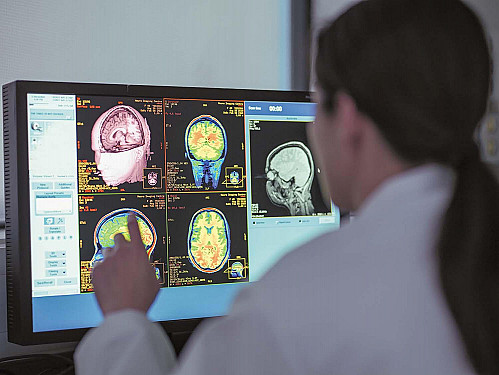

For years, the phrase “mind-body connection” sounded a little like something printed on a yoga studio wall next to a suspiciously expensive candle. But modern science has turned that soft-sounding idea into a serious field of research. The brain and immune system do not live in separate departments, avoiding eye contact at the office coffee machine. They communicate constantly through nerves, hormones, immune chemicals, and behavior.
The short answer to the title question is yes: the brain can talk to the immune system. Even better, the immune system talks back. This two-way conversation helps explain why stress can make people feel run-down, why poor sleep can leave the body more vulnerable, why inflammation can affect mood and energy, and why a person may feel achy, foggy, and antisocial during an infection. That is not laziness. That is biology wearing sweatpants.
Harvard Health recently highlighted a fascinating example: researchers used virtual reality to show healthy volunteers images of people who appeared sick. When participants saw someone coughing, sneezing, or covered with a disease-like rash, their brains reacted, and their immune systems appeared to prepare for possible infection before any germ had actually entered the body. That does not mean your brain can magically cure disease by positive thinking. It does mean the brain may be able to forecast danger and nudge immune defenses into readiness.
The Brain-Immune System Conversation: What It Really Means
The immune system is often described as the body’s defense force. It identifies threats such as viruses, bacteria, toxins, and damaged cells, then launches a response. The brain, meanwhile, coordinates perception, emotion, memory, movement, appetite, sleep, and stress responses. These two systems overlap because survival depends on both. If a threat is near, the body needs to notice it, remember it, respond quickly, and recover efficiently.
The scientific field that studies this relationship is called psychoneuroimmunology. It sounds like a word invented to win Scrabble by intimidation, but it simply means the study of how psychological processes, the nervous system, and the immune system interact. Researchers in this field examine how stress, mood, trauma, social connection, sleep, exercise, inflammation, and infection influence one another.
At the center of the discussion is a practical idea: immune health is not shaped only by white blood cells and antibodies. It is also influenced by the brain’s interpretation of safety, threat, rest, social connection, and recovery. Your immune system does not float around like an independent security guard with no radio. It receives messages from the nervous system and endocrine system, and it sends its own chemical messages back to the brain.
How the Brain Sends Messages to the Immune System
The brain has several communication lines to the immune system. The most important include the stress response, the autonomic nervous system, the vagus nerve, and chemical messengers such as hormones and cytokines.
1. The HPA Axis: The Stress Signal Highway
One major pathway is the hypothalamic-pituitary-adrenal axis, usually shortened to the HPA axis because scientists also appreciate mercy. When the brain senses stress, the hypothalamus signals the pituitary gland, which then signals the adrenal glands. The adrenal glands release cortisol, a hormone that helps the body respond to short-term challenges.
In small bursts, cortisol is useful. It helps mobilize energy, sharpen attention, and regulate inflammation. The problem begins when stress becomes chronic. If the body is repeatedly flooded with stress signals, immune function can become dysregulated. Some immune responses may be suppressed, while inflammatory activity may increase in unhealthy ways. That is one reason chronic stress is linked with slower recovery, more frequent illness in some people, and worsening of stress-sensitive conditions.
2. The Sympathetic Nervous System: Fight-or-Flight Messaging
The sympathetic nervous system is the body’s alarm system. When activated, it increases heart rate, raises blood pressure, and prepares muscles for action. It also communicates with immune tissues, including the spleen, lymph nodes, and bone marrow. This makes sense from an evolutionary perspective. If a person is injured while escaping danger, the immune system needs to be ready for tissue repair and possible infection.
Short-term stress can sometimes boost immune readiness. Think of it as the body sending a quick “heads up” memo. Chronic stress, however, is more like sending 700 urgent emails per day with the subject line “PLEASE RESPOND IMMEDIATELY.” Eventually, the system gets strained, less precise, and more inflammatory.
3. The Vagus Nerve: A Two-Way Information Superhighway
The vagus nerve runs from the brainstem through the neck and chest into the abdomen. It helps regulate heart rate, digestion, breathing, and inflammation. It also carries information from the body back to the brain. In neuroimmune research, the vagus nerve is important because it appears to help control inflammatory responses through what scientists call the inflammatory reflex.
When inflammation rises, signals can travel through the vagus nerve to the brain. The brain can then send signals back that help regulate immune activity. This does not mean humming for five minutes will replace medical care, despite what a stranger on the internet may say with alarming confidence. But it does suggest that breathing, relaxation, meditation, and other practices that influence the parasympathetic nervous system may support healthier stress regulation.
How the Immune System Talks Back to the Brain
The immune system is not a silent employee. When immune cells detect infection or injury, they release signaling proteins called cytokines. These cytokines help coordinate inflammation and defense. They can also affect the brain.
This is why being sick changes how you feel and behave. During infection, people often become tired, less hungry, less social, more sensitive to pain, and mentally foggy. Researchers sometimes call this “sickness behavior.” It is not just the unpleasant side effect of illness. It may be an adaptive response that pushes the body to rest, conserve energy, and heal.
Inflammation can also influence mood, motivation, and cognition. This does not mean every mental health symptom is caused by inflammation, and it certainly does not mean people can “think” their way out of depression, anxiety, or autoimmune disease. The relationship is complex. But it helps explain why physical illness can affect emotional well-being, and why emotional stress can show up in the body.
The Harvard Health Example: Can the Brain Prepare the Immune System?
The Harvard Health discussion centered on a striking question: What happens if the brain thinks infection may be nearby? In the study described, healthy volunteers wore virtual reality headsets and saw people approaching them. Some appeared healthy. Others appeared visibly sick, with coughing, sneezing, or rash-like symptoms.
When participants saw healthy people, their brain and immune responses did not show the same activation. But when they saw apparently sick people, the front part of the brain showed a characteristic response, followed by chemical signaling and immune activation. In plain English, the brain seemed to say, “Uh-oh, germs may be entering the chat,” and the immune system began preparing.
This matters because it expands the way we think about immunity. The immune response may not begin only after a microbe enters the body. Under some circumstances, perception itself may help prepare immune defenses. The body is not merely reactive; it can be anticipatory. That is a fancy way of saying your brain may be better at reading the room than your group chat.
Stress and Immunity: Helpful in Bursts, Harmful on Repeat
Stress is not always bad. Acute stress can help the body respond to danger, injury, or challenge. Before a presentation, competition, exam, or emergency, the body may temporarily increase alertness and immune readiness. That is the useful side of stress.
Chronic stress is different. When stress continues for weeks, months, or years, the body may struggle to return to baseline. Cortisol rhythms can become disrupted. Sleep may suffer. Eating patterns may shift. Physical activity may decline. Inflammation may rise. The immune system may become less efficient or more reactive, depending on the person and context.
This is why stress management is not a luxury reserved for people with perfect planners and matching water bottles. It is part of health maintenance. Breathing exercises, regular movement, social support, therapy, journaling, time outdoors, and adequate sleep are not magic shields, but they can help the brain send calmer, more balanced signals to the body.
Sleep: The Overnight Maintenance Crew
Sleep is one of the most powerful ways the brain supports immune function. During sleep, the body regulates inflammatory signals, supports immune memory, and restores systems that are heavily used during the day. Adults generally need at least seven hours of sleep per night, though individual needs vary.
Poor sleep can make stress feel louder and recovery feel slower. It can also affect the body’s response to infection and vaccination. Anyone who has stayed up too late for several nights and then caught a cold at the least convenient moment has experienced this relationship in real life. The immune system may not write complaint letters, but it absolutely keeps receipts.
Helpful sleep habits include keeping a regular wake time, reducing late caffeine, dimming screens before bed, creating a cool and dark sleep environment, and treating insomnia or sleep apnea when present. Sleep is not wasted time. It is biological housekeeping with the lights off.
Mind-Body Practices: Not Magic, But Not Nonsense
Mind-body practices include meditation, yoga, tai chi, breathing exercises, progressive muscle relaxation, guided imagery, and similar techniques. These practices do not give anyone superhero immunity. They also do not replace vaccines, antibiotics, anti-inflammatory medicines, cancer treatment, or care from a qualified clinician.
What they may do is help regulate the stress response. By lowering perceived stress and supporting parasympathetic activity, these practices may reduce some inflammatory signals and improve emotional resilience. For people dealing with chronic illness, pain, caregiving strain, or everyday overload, that can be meaningful.
A simple example is slow breathing. When a person breathes slowly and steadily, the body receives signals associated with safety. Heart rate may settle. Muscle tension may decrease. Attention may return to the present. The immune system is not instantly transformed, but the nervous system shifts away from emergency mode. Over time, that shift may support better overall regulation.
Social Connection Also Speaks Immune Language
Humans are social mammals, even those of us who claim to hate small talk while secretly enjoying a good meme. Social connection can buffer stress. Supportive relationships help people cope with illness, grief, workload, caregiving, and uncertainty. Loneliness and chronic social threat, on the other hand, are associated with higher stress and inflammation in many studies.
This does not mean extroverts automatically have better immune systems. It means the brain tracks social safety. A trusted friend, a good therapist, a caring family member, a community group, or even a reliable routine of connection can help reduce the body’s sense of constant threat. For immune health, “I am not alone in this” can be a powerful biological message.
What This Does Not Mean
The brain-immune connection is exciting, but it is also easy to exaggerate. No one should interpret this research to mean that disease is caused by negative thinking or cured by optimism. That idea is not only scientifically wrong; it is also unfair to people living with serious illness.
Autoimmune diseases, infections, cancer, allergies, inflammatory disorders, and mental health conditions are complex. Genetics, environment, microbes, age, medication, nutrition, sleep, trauma, toxins, and access to healthcare all matter. The mind-body connection is one piece of the puzzle, not the entire puzzle box.
A better takeaway is this: the brain and immune system communicate constantly, and daily habits can influence the quality of that communication. People cannot control every immune outcome, but they can support the systems that help the body respond, recover, and rebalance.
Practical Ways to Support Brain-Immune Communication
Protect Sleep Like a Medical Appointment
A consistent sleep schedule helps regulate stress hormones, inflammation, and immune readiness. Treat sleep as a health behavior, not a guilty pleasure.
Move Your Body Regularly
Moderate physical activity supports circulation, mood, metabolism, sleep, and immune regulation. The goal is consistency, not punishment. Your immune system does not require you to train like a superhero with joint pain.
Use Stress Tools Before Stress Becomes a Wild Animal
Deep breathing, meditation, stretching, journaling, therapy, time outdoors, and unplugging from constant negative news can help reduce chronic stress load.
Eat in a Way That Supports Recovery
Fruits, vegetables, whole grains, lean proteins, healthy fats, and fermented foods can support gut and immune health. The gut contains immune tissue and communicates with the brain through neural, hormonal, and microbial pathways.
Stay Connected
Reach out to people who help you feel grounded. Social support is not a bonus feature of health. It is part of how humans regulate stress.
Get Medical Care When Needed
Persistent fatigue, fever, unexplained inflammation, frequent infections, severe anxiety, depression, or chronic stress symptoms deserve professional attention. Mind-body practices can support care, but they should not replace diagnosis or treatment.
Experience-Based Reflections: How This Brain-Immune Conversation Shows Up in Daily Life
Many people have experienced the brain-immune connection long before they knew the term “psychoneuroimmunology.” Consider the classic post-deadline crash. A person powers through a stressful work project, family emergency, final exam week, or major event. During the pressure phase, they feel wired, focused, and oddly functional. Then, the moment the pressure lifts, they get a sore throat, sleep for ten hours, and wonder why their body chose betrayal as a hobby. One explanation is that stress hormones helped keep the system mobilized temporarily, but once the emergency ended, the body demanded recovery.
Another everyday example is the “sick room reaction.” Imagine walking into a crowded clinic during flu season. Someone coughs nearby. Another person looks pale and miserable. Without touching anyone, you may become more alert, hold your breath, step back, or suddenly remember that hand sanitizer exists. That reaction is not just manners with a survival instinct. The brain is scanning for biological threat. Harvard Health’s virtual reality example suggests this kind of perception may even influence immune readiness before infection occurs.
Caregivers often notice the connection too. Someone caring for a child, aging parent, or sick partner may live in a state of constant alert. They sleep lightly, listen for symptoms, manage appointments, and carry emotional stress in the body. Over time, they may feel more exhausted, achy, forgetful, or vulnerable to every cold that enters the ZIP code. The issue is not weakness. It is the cost of keeping the nervous system on high alert for too long.
People with chronic inflammatory conditions may also recognize patterns. A flare may follow poor sleep, emotional strain, travel, conflict, or overwork. The stress did not “invent” the disease, but it may have influenced the body’s regulation of inflammation. For some people, tracking sleep, stress, food, medication timing, and symptoms can reveal useful patterns to discuss with a clinician.
Even positive events can show the brain-immune link. Weddings, graduations, vacations, new jobs, and moving homes can be joyful and stressful at the same time. The brain does not always separate “good exciting” from “tiger approaching.” It notices intensity, novelty, uncertainty, and demand. That is why people sometimes get sick during vacations or right after major celebrations. The body may finally have permission to stop sprinting.
The hopeful part is that small habits can change the conversation. A ten-minute walk after dinner, a regular bedtime, a weekly call with a friend, a few minutes of slow breathing, or saying “no” before your calendar becomes a crime scene can all tell the nervous system that danger is not constant. These habits do not guarantee perfect health. But they may help the brain and immune system communicate with less static, fewer false alarms, and better recovery.
Conclusion
So, can the brain talk to the immune system? Yes, and the conversation is happening all day, every day. The brain monitors the outside world, interprets threat and safety, regulates stress hormones, and sends nerve signals that can influence immune activity. The immune system sends messages back through cytokines and inflammatory signals that can shape mood, energy, sleep, appetite, and behavior.
The real lesson is not that thoughts alone control immunity. The lesson is more balanced and more useful: the body is an integrated system. Sleep, stress, movement, social connection, relaxation, and medical care all matter because they influence the networks connecting the brain and immune system. You cannot simply “think” yourself into perfect health, but you can build conditions that help your biology work with you instead of sending emergency alerts every five minutes.
In the end, the brain and immune system are not strangers. They are longtime collaborators. Sometimes they are brilliant. Sometimes they overreact. Occasionally, they behave like a group text during a crisis. But when supported with rest, care, healthy routines, and appropriate medical guidance, their conversation can become one of the most powerful partnerships in human health.
Note: This article is for educational publishing purposes only and is not a substitute for direct medical advice, diagnosis, or treatment from a qualified healthcare professional.