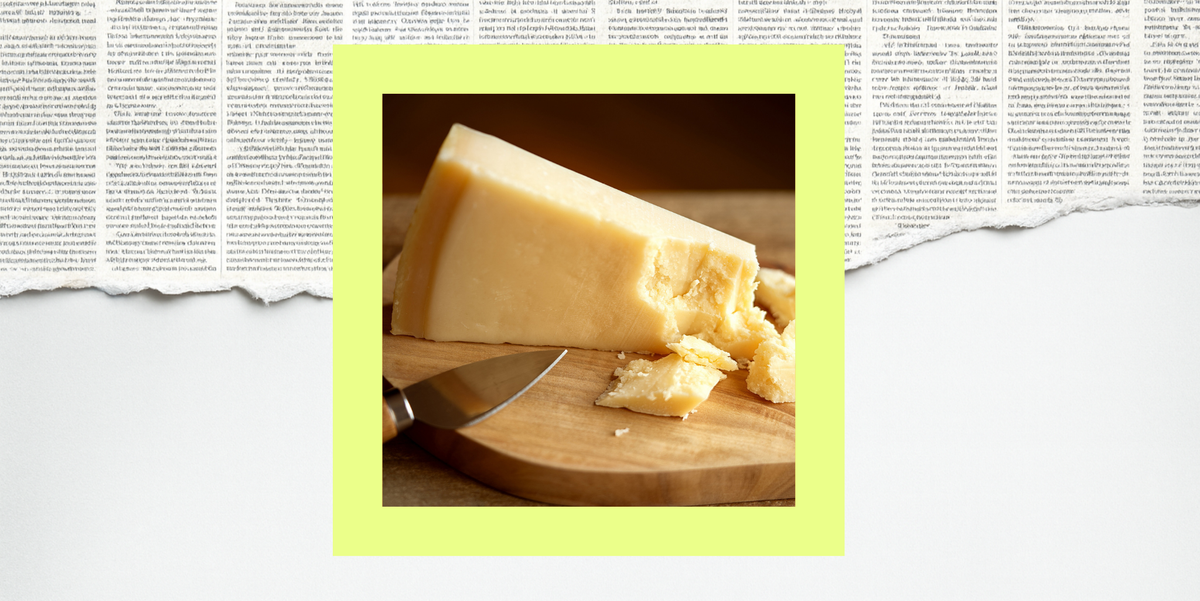
Check Your Fridge: Boar’s Head Recalls Cheeses Over Possible Listeria Contamination

If your refrigerator has a cheese drawer, now would be an excellent time to stop treating it like a mystery cave and actually look inside. Boar’s Head-branded pecorino Romano products were pulled from shelves after the company’s supplier, Ambriola Company, flagged possible Listeria monocytogenes contamination. That phrase may sound like it belongs in a lab report nobody wants to read, but it matters in real kitchens, on real cutting boards, and in real households where dinner plans can go sideways fast.
This is the kind of recall that deserves more than a shrug and a “Well, that’s unsettling.” Listeria is not your average food safety headache. It can be especially dangerous for pregnant people, newborns, adults 65 and older, and anyone with a weakened immune system. And unlike many bacteria that hate the cold, listeria can keep growing in the refrigerator. So yes, the appliance designed to protect your leftovers can also become an awkward little accomplice if contaminated food sits there long enough.
Here’s the big picture: some Boar’s Head pecorino Romano cheeses were recalled, an additional Boar’s Head wedge product was withdrawn as a precaution, and related prepared foods were also pulled in certain stores. No illnesses were reported at the time of the recall, which is the best possible sentence in any recall story. Still, food safety pros do not issue Class I recalls because they are bored on a Tuesday. They do it because the potential health risk is serious.
What Was Recalled, Exactly?
The recall centered on Boar’s Head pecorino Romano products tied to supplier Ambriola Company. The two key Boar’s Head items were grated pecorino products with sell-by dates stretching from late November 2025 into March 2026. A separate pre-cut wedge was withdrawn out of caution rather than formally listed as the main recalled item. That distinction may sound tiny, but for shoppers it means one thing: if the package matches, don’t eat it.
Affected Boar’s Head items consumers were told to watch for
- Boar’s Head Grated Pecorino Romano Cheese, 6 oz.
- FS Grated Romano Cheese
- Pre-cut Pecorino Romano wedge that was withdrawn as a precaution
There was also a retail ripple effect. Certain EverRoast Chicken Caesar salad and wrap products sold in clear grab-and-go packaging were pulled in Kroger stores in Kentucky and Indiana because of their connection to the same supplier issue. In plain English: this was not just a “sprinkle some cheese on pasta” problem. It also touched ready-to-eat foods that people buy precisely because they do not want to cook.
That matters because ready-to-eat refrigerated foods are exactly the kind of products where listeria gets extra attention from regulators. You are not blasting them in a skillet. You are not roasting them to kingdom come. You are opening the package and eating them, which means there is no extra kill step between contamination and your lunch break.
Why Listeria Gets Everyone’s Attention Fast
Listeria is a foodborne bacterium, but it behaves differently from many germs people hear about in recall notices. The most annoying detail is also the most important one: it can survive and grow in refrigerated conditions. So while your fridge does a decent job slowing down a lot of problems, it is not the superhero cape people sometimes imagine.
For healthy adults, listeria can cause symptoms that start out looking like a nasty bug or a rough day after a questionable snack. Think fever, muscle aches, nausea, vomiting, or diarrhea. But if the infection becomes invasive, the stakes climb. Symptoms can include headache, stiff neck, confusion, loss of balance, and seizures. That is a long way from “I guess that sandwich didn’t agree with me.”
Pregnant people face a particularly cruel version of the risk. They may have mild symptoms or even feel barely sick, while the infection can still harm the pregnancy. Older adults and immunocompromised people are also at much higher risk of severe illness. That is why public health warnings always sound more urgent when listeria is involved. It is not drama. It is math, microbiology, and bitter experience.
There is another wrinkle that makes listeria tricky: symptoms do not always show up right away. In some cases, signs of illness can appear within days. In others, it can take weeks. That lag is one reason recalls can feel confusing to consumers. By the time a headline tells you to check your fridge, you may already have forgotten when you bought the product, used half of it, tossed the packaging, or grated it onto a bowl of pasta three Sundays ago while feeling deeply sophisticated.
What Consumers Should Do Right Now
If you have one of the recalled or withdrawn Boar’s Head cheese products, the advice is not subtle: do not eat it. Throw it away or return it to the place of purchase for a refund if that option is still available. This is not a “maybe trim off the edge and hope for the best” moment. This is a “goodbye, cheese” moment.
Smart recall checklist for your kitchen
- Check the product name, size, UPC, and sell-by or best-by date if you still have the packaging.
- Discard the product in a sealed bag, or return it according to retailer instructions.
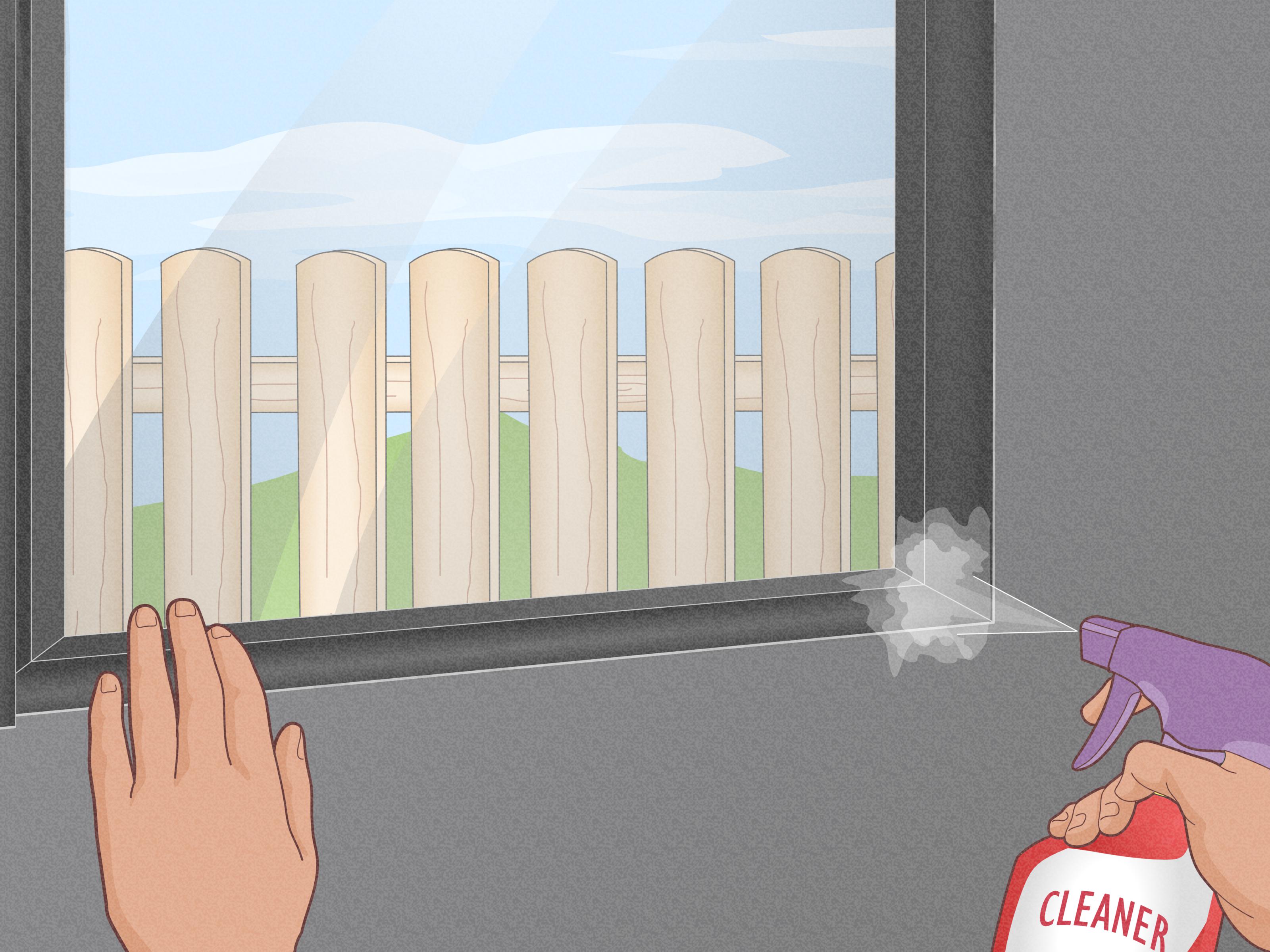
- Clean and sanitize surfaces, shelves, drawers, utensils, and containers that may have touched it.
- Wash your hands after handling the package or contaminated food.
- Monitor for symptoms, especially if someone in your home is pregnant, older, or immunocompromised.
And yes, the cleanup part matters. Listeria does not politely stay in its lane. If contaminated food leaked, crumbled, or was handled on a cutting board, the bacteria can spread to other foods and surfaces. That is why food safety guidance stresses sanitizing the refrigerator and anything that came into contact with the product. A spill in the crisper drawer is not just an aesthetic issue anymore.
If you want to be extra practical, take five minutes and do a quick “recall audit” of your fridge. Check deli drawers, cheese bins, snack shelves, and the back corner where food goes to retire. Recalls are often less about one dramatic product and more about the everyday human tendency to forget what is hiding behind the yogurt.
How to Recognize Symptoms of Listeriosis
Most people hear “food poisoning” and think fast, loud, and unforgettable. Listeria does not always follow that script. Symptoms can be mild at first or delayed enough to make the connection easy to miss. That is part of what makes the infection sneaky.
Common symptoms can include
- Fever
- Muscle aches and fatigue
- Nausea, vomiting, or diarrhea
- Headache
- Stiff neck
- Confusion
- Loss of balance
- Seizures
If you ate a recalled product and start feeling ill, especially with fever and flu-like symptoms, contact a healthcare provider. That advice matters even more if you are pregnant, over 65, or immunocompromised. Tell the provider what you ate. That one detail can make the conversation go a lot faster than opening with, “So here’s the thing, I may have had cursed cheese last week.”
Why This Recall Hit a Nerve
Boar’s Head was already under a harsh spotlight because of the deadly 2024 listeria outbreak linked to deli meats sliced at delis, including Boar’s Head liverwurst. That outbreak sickened dozens of people, hospitalized many, and resulted in 10 reported deaths. It led to a sweeping recall of more than 7 million pounds of deli meat and, eventually, major scrutiny of the company’s Virginia operations.
So when the Boar’s Head name showed up again in a cheese recall tied to potential listeria contamination, consumers did what consumers do after trust has been rattled: they paid very close attention. Even though this cheese recall was tied to a supplier and was separate from the 2024 deli-meat outbreak, context matters. People do not read recall notices in a vacuum. They read them with memory, skepticism, and a fridge full of groceries they suddenly do not trust as much.
That broader trust problem is part of the story. Food recalls are not just about one product lot. They are about whether shoppers believe a brand can spot a problem quickly, communicate clearly, and get risky food out of circulation before people get sick. The Boar’s Head recall also sat inside a wider Ambriola issue that later expanded beyond one label, which reminded shoppers that contamination problems can stretch across brands when suppliers sit upstream in the food chain.
What This Means for Grocery Shoppers
The average shopper is not walking into a supermarket with a forensic lab kit and a clipboard. People buy food because it looks normal, carries a familiar label, and fits the week’s meal plan. That is exactly why recalls feel so invasive. They interrupt ordinary life. The grated cheese you bought for a weeknight pasta suddenly becomes a public health decision.
There are a few practical takeaways here. First, keep packaging until you use the product up, especially for deli and refrigerated items. Second, sign up for retailer or agency recall alerts if you buy a lot of ready-to-eat foods. Third, take refrigerator temperature seriously. Keeping your fridge at or below 40 degrees Fahrenheit is not glamorous, but neither is explaining to your doctor that your appliance was basically operating in “mildly cool mystery box” mode.
And finally, do not assume “I would know if something was contaminated.” Foodborne pathogens are under no obligation to announce themselves with weird smells, alarming textures, or villain music. Some contaminated foods look completely ordinary. The label is often your best clue, which is why checking dates and UPCs matters more than trying to sniff out science.
How to Clean Up After a Recall Without Losing Your Mind
If you discover an affected product, do not panic and do not perform an Oscar-worthy monologue in front of the refrigerator. Just work the problem step by step. Remove the item. Bag it. Toss it or return it. Then clean anything it might have touched.
Start with shelves, drawers, handles, and bins. If the cheese was opened, think beyond the package. Did you use the same grater on another food? Did it sit on a cutting board? Did crumbs land on the shelf below? Did the package touch lunch meat, fruit, or the half-used jar of pesto that has somehow survived three different administrations?
Warm soapy water is a good first pass for visible mess. A proper sanitizing step matters afterward. Follow standard food safety guidance, and be thorough rather than dramatic. This is less about scrubbing like you are auditioning for a cleaning-product commercial and more about making sure bacteria do not linger where the next meal gets prepared.
Real-Life Experiences: What a Recall Like This Actually Feels Like
For many households, a recall does not arrive as a siren. It arrives as an interruption. You are halfway through making dinner. You have pasta boiling, garlic in the pan, and somebody casually says, “Hey, didn’t we buy that cheese?” Suddenly the humble fridge becomes a suspense novel.
One very common experience is disbelief. People assume recalls happen to products they do not buy, in stores they do not visit, in somebody else’s kitchen. Then they spot the exact tub, wedge, or bag in their own refrigerator and the story gets personal fast. The package that looked premium and perfectly normal now feels suspicious in a way food never should.
Then comes the second experience: the household debate. One person says, “It’s probably fine.” Another says, “We are absolutely not gambling with grated cheese.” A third person just wants to know whether dinner is canceled. This is where recalls become strangely domestic. They do not live in press releases anymore. They live in tiny kitchen negotiations over risk, leftovers, refunds, and whether anyone remembers the store receipt.
There is also the annoyance factor, which is real and underrated. You paid for the product. You planned meals around it. Maybe it was part of a Caesar wrap you grabbed for convenience, or the finishing touch on a lasagna, soup, or salad. A recall turns convenience into homework. Now you are checking codes, wiping shelves, and wondering whether the grater in the sink has become evidence.
For parents, caregivers, pregnant shoppers, and families with older relatives, the mood shifts even faster. What might be a minor inconvenience in one household feels much heavier in another. A person caring for an immunocompromised parent or a pregnant partner does not hear “possible contamination” the same way a healthy college student does. The recall becomes less about spoiled dinner plans and more about avoiding a frightening health risk.
Another experience people talk about is the trust wobble. After a major food safety headline, shoppers start side-eyeing brands they used to buy automatically. That does not mean every product in the fridge is unsafe. It means confidence is fragile. Once a familiar label gets linked to a serious recall, even unrelated groceries can start looking guilty by association.
Still, there is a useful side to all this frustration. Recalls remind people to keep packaging a little longer, check refrigerator temperatures, pay attention to public health alerts, and clean food-contact surfaces more carefully. In other words, the experience is unpleasant, but it can make kitchens safer afterward.
And maybe that is the most human part of the whole story. A recall starts as a headline, turns into an inconvenience, and ends as a lesson most people did not ask for but probably needed. Nobody wants to spend an evening interrogating a cheese container. But if it helps keep one risky product off the dinner table, that five-minute fridge inspection is worth every mildly dramatic second.
Bottom Line
The Boar’s Head cheese recall is a reminder that food safety is not just a manufacturing issue. It is a refrigerator issue, a cleanup issue, a labeling issue, and sometimes a doctor’s-office issue. If you have the affected products, do not eat them. If you handled them, clean your surfaces. If you feel sick after consuming them, especially if you are in a high-risk group, contact a healthcare provider.
And yes, this is your sign to check the back of the fridge. The cheese drawer has had enough privacy.