
Note: This article is written as a publication-ready, fully rewritten editorial piece based on current U.S. interior design reporting, home trend analysis, and real-world decorating principles, without inline source markers or unnecessary reference tags.
There was a time when “good taste” in interiors meant beige walls, one polite throw pillow, and a coffee table so empty it looked emotionally unavailable. Thankfully, the current design mood has loosened its collar. Today’s most interesting homes are not trying to look like a hotel lobby with a mortgage. They are warmer, moodier, more layered, more personal, andbless themfar less afraid of a weird lamp.
That is the heart of Current Obsessions: Interior Life. It is not just about buying a new sofa or painting a room because a trend report told you to. It is about the inner life of a home: the rituals, textures, colors, memories, and design choices that make a space feel alive. The best interiors now are not frozen showrooms. They are emotional habitats. They hold books you actually read, chairs you actually sit in, art that makes guests ask questions, and kitchens that do more than whisper, “I once saw a marble slab on Instagram.”
Across the design world, the major shift is clear: sterile minimalism is losing its grip, and personality is back with excellent posture. Saturated color, sculptural furniture, vintage pieces, expressive stone, cozy entertaining zones, wellness corners, and character-rich architecture are all shaping how people think about home. The new interior life is not about perfection. It is about presence.
What “Interior Life” Really Means
Interior life sounds poetic, and it isbut it is also practical. It describes the emotional atmosphere of a home. A room can be expensive and still feel lifeless. Another room can have a secondhand chair, a thrifted brass lamp, a crooked stack of novels, and suddenly feel like the place where the plot of a charming independent film begins.
Designers are increasingly emphasizing homes that tell a story. That story may come through original millwork, a family dining table, a hand-painted tile backsplash, a moody library wall, or a collection of ceramics found slowly over time. The point is not to decorate quickly. The point is to decorate honestly.
The End of the Blank-Slate Home
The blank-slate home had a long run. White walls, pale wood, gray upholstery, black-framed prints, and a vase of stems performed their duties with admirable commitment. But homeowners are now craving spaces with more emotional range. Instead of designing rooms that offend no one, people want rooms that remember them.
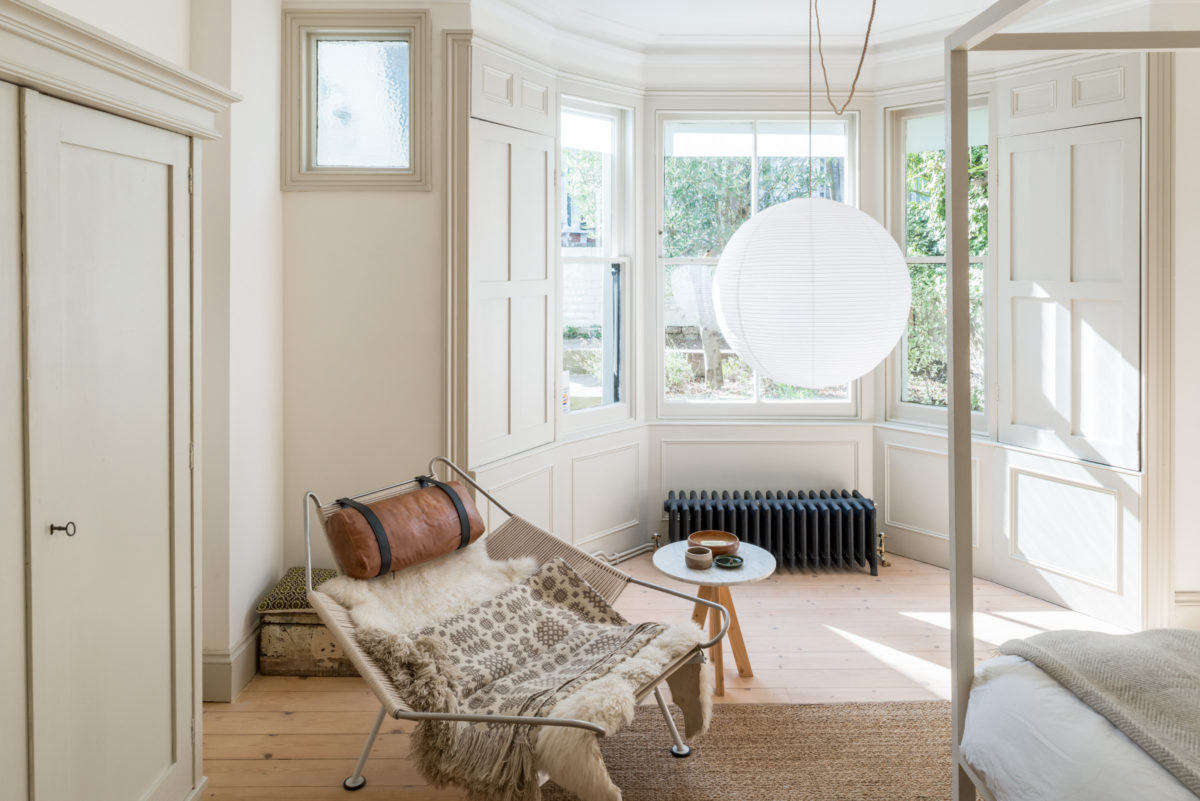
This does not mean every home needs maximalist wallpaper, velvet curtains, and a chandelier with the confidence of a Broadway understudy. It means even quiet rooms need intention. A soft neutral bedroom can still have soul if it uses layered textiles, meaningful objects, warm lighting, and materials that invite touch. Minimalism is not the enemy. Emptiness is.
Current Obsession #1: Color With a Pulse
One of the biggest interior design trends shaping modern homes is the return of color. Not timid color. Not “is this gray or oatmeal?” color. We are talking about oxblood, olive, chocolate brown, ochre, dusty blue, aubergine, deep teal, rust, butter yellow, and earthy green. These shades bring weight and atmosphere to a room, especially when paired with natural materials like wood, stone, linen, leather, and brass.
Color drenchingpainting walls, trim, doors, and sometimes ceilings in the same or closely related shadeshas become especially popular because it creates an immersive environment. A small powder room in deep plum can feel jewel-box glamorous. A home office in moss green can feel focused and calm. A dining room in warm terracotta can make Tuesday leftovers feel like a Tuscan situation. Ambition counts.
How to Use Color Without Starting a Domestic Incident
If bold color makes you nervous, begin with controlled risk. Paint a cabinet, a bookcase interior, a bathroom vanity, or a single ceiling. Add rich curtains before repainting the entire house. Try a saturated area rug in an otherwise simple room. The best color choices often work because they connect to something already present: a wood tone, a favorite artwork, a stone surface, or even the view outside the window.
The trick is not to chase color for shock value. Choose colors that make the room feel more like itself. A dark room does not always need to be forced into brightness. Sometimes the most beautiful solution is to lean into the mood with warm lamps, deep paint, and fabrics that make the shadows feel intentional rather than suspicious.
Current Obsession #2: Rooms That Feel Collected, Not Coordinated
The most stylish interiors right now look assembled over time. Matching furniture sets, perfectly coordinated books, identical pillows, and generic accessories are being gently escorted toward the exit. In their place: vintage textiles, sculptural candleholders, original art, handmade ceramics, family objects, flea-market finds, travel pieces, and books chosen for actual interest rather than spine color.
A collected room has visual rhythm. It mixes old and new, smooth and rough, serious and playful. It may place a contemporary sofa beside an antique side table. It might pair a clean-lined lamp with a handwoven basket. It allows contrast to do the hard work of creating depth.
The “One Weird Thing” Rule
Every memorable room needs at least one weird thing. Not chaotic. Not alarming. Just unusual enough to prove a human lives there. It could be a ceramic dog, a surreal painting, a chair with dramatic curves, a lamp shaped like a mushroom, or a vintage mirror that looks like it once knew a secret. This one unexpected piece breaks the catalog spell and gives the eye somewhere interesting to land.
Of course, the weird thing should still relate to the room. A neon flamingo may not belong in every formal living room, though we admire its confidence. The goal is personality with a plan.
Current Obsession #3: Sculptural Comfort
Comfort is no longer being treated like a guilty pleasure. Living room trends are leaning toward rounded edges, plush cushions, curved sofas, organic forms, and furniture that seems to say, “Yes, you may sit here with snacks.” After years of sleek pieces that looked better in photos than under actual human bodies, comfort has reclaimed its dignity.
Sculptural seating is especially appealing because it combines softness with visual interest. A curved sofa can make a room feel more social. A rounded lounge chair can soften boxy architecture. An oversized ottoman can double as a footrest, coffee table, board-game zone, and emergency landing pad for laundry that has lost the will to be folded.
Why Curves Work So Well
Curves bring movement to interiors. They interrupt the straight lines of walls, windows, shelves, and rectangular rugs. They also encourage conversation. A curved sectional or round dining table subtly changes how people gather, creating a more democratic layout where nobody feels trapped at the “serious end” of the table.
Round and oval dining tables are especially useful in small rooms, breakfast nooks, and open-plan spaces because they improve circulation and create intimacy. They are also excellent for family negotiations, dinner parties, and silently judging who took the last roll.
Current Obsession #4: Character Is the New Luxury
Luxury used to be associated with flawless newness: polished surfaces, untouched rooms, perfect symmetry. Now, character is stealing the spotlight. Original hardwood floors, crown molding, arched doorways, built-in bookcases, exposed beams, natural stone, old fireplaces, and well-preserved architectural details are increasingly valued because they give a home identity.
This is part of a larger move away from homes that feel interchangeable. People want details that cannot be ordered overnight in a panic cart. They want craftsmanship, texture, age, and charm. A slightly imperfect old floor can be more compelling than a flawless surface with no story.
Preserve the Bones, Play With the Furniture
One smart design principle is to respect a home’s architecture while allowing decor to express your personality. A Craftsman house does not need to become a museum of Craftsman furniture. A Victorian does not require you to live like a haunted oil portrait. But preserving moldings, doors, casings, floors, and original proportions helps the home retain its sense of place.
Furniture and accessories can then create contrast. A modern light fixture can look striking in a traditional space. An antique table can warm up a contemporary room. The secret is repetition: carry a material, color, shape, or mood through the home so the mix feels intentional rather than like several apartments collided politely.
Current Obsession #5: The Rise of Neo Deco
Neo Deco is one of the most compelling interior design movements of the moment. It borrows from Art Deco’s love of glamour, geometry, dark woods, glossy finishes, rich materials, and bold silhouettes, but it avoids becoming a theme party. The 2026 version is less “grand hotel ballroom” and more “interesting person with excellent lighting.”
Think walnut, marble, velvet, polished nickel, lacquer, fluted details, rounded forms, antique bar carts, leather banquettes, and jewel-toned accents. Neo Deco works beautifully because it brings romance back into everyday rooms. A breakfast nook can feel special. A bathroom can feel cinematic. A hallway can stop apologizing for being a hallway.
How to Add Neo Deco Without Redecorating Your Entire Life
Start small. Add a dark wood side table, a glossy lamp, a scalloped mirror, a marble tray, or velvet dining chairs. Use contrast: matte walls with a polished table, soft upholstery with a sharp metal accent, curved furniture against clean architecture. Neo Deco is strongest when it feels layered, not staged.
The goal is not to make your home look like a 1920s movie set. The goal is to add a little drama where daily life could use it. Even laundry feels nobler when nearby lighting suggests someone may soon arrive wearing satin.
Current Obsession #6: Kitchens With Soul
Kitchens are becoming warmer, bolder, and more tactile. Instead of all-white cabinets and predictable subway tile, designers are exploring expressive stone, ceramic surfaces, richly colored cabinetry, handmade tile, oversized sinks, mixed metals, and warmer wood finishes. The kitchen is no longer just a hygiene-forward cooking laboratory. It is a living space.
Red-toned stone, terracotta tile, deep green cabinets, dark hardware, and natural wood can all bring warmth to a kitchen without sacrificing function. Handmade ceramic hardware or tile introduces the slight variation that makes a room feel human. A big sink, meanwhile, is both practical and oddly luxurious. Is it for washing vegetables, soaking pans, arranging flowers, or bathing a small dog named Biscuit? Ideally, yes.
The Anti-Showroom Kitchen
The most appealing kitchens now feel designed for actual routines. There may be open shelving, but it holds dishes people use. There may be a beautiful island, but it can survive homework, takeout containers, and someone leaning dramatically while discussing weekend plans. Beauty and function are finally speaking again after a brief misunderstanding.
For SEO-minded readers searching for modern kitchen ideas, the practical lesson is simple: invest in material contrast. Pair stone with wood, tile with metal, painted cabinets with natural texture. A kitchen becomes more timeless when it avoids relying on one flat finish everywhere.
Current Obsession #7: Wellness Spaces That Do Not Feel Clinical
Wellness design has matured. It is no longer limited to a yoga mat rolled behind the bedroom door like a guilty secret. Homeowners are creating meditation corners, Pilates rooms, bathhouse-inspired bathrooms, sauna areas, cold-plunge zones, home gyms, reading nooks, garden views, and quiet spaces for decompression.
But the best wellness spaces do not look like medical waiting rooms wearing linen. They feel sensory and personal. They use warm lighting, soft flooring, natural materials, calming color, plants, sound control, and storage that hides visual clutter. A wellness corner can be as simple as a comfortable chair near a window with a lamp, a small table, and a rule that no one may leave random charging cables there.
Designing for Nervous Systems, Not Just Photos
Interior life is deeply connected to how a home makes you feel. Harsh overhead lighting, cluttered surfaces, uncomfortable seating, and poor flow can make even beautiful rooms tiring. Good design supports the nervous system. It creates places to gather and places to retreat. It considers sound, scent, softness, temperature, and the psychological relief of knowing where the scissors are.
This is where interior design becomes more than decor. A calmer bedroom can improve evening routines. A defined dining area can encourage family meals. A reading nook can reduce screen time. A better entryway can prevent every bag, shoe, and mystery receipt from staging a rebellion.
Current Obsession #8: Entertaining Without Formality
At-home entertaining is also changing. Formal dining rooms that sit unused like decorative relatives are giving way to flexible gathering spaces. People want homes that welcome conversation, casual meals, music, games, movie nights, outdoor cooking, and relaxed hosting. The mood is less “please admire my tablescape” and more “grab a plate, the good chairs are over there.”
This shift has inspired listening bars, tucked-away beverage stations, cozy banquettes, multifunctional dining rooms, outdoor kitchens, and living rooms arranged for real interaction. A beautiful home should not become useless the moment guests arrive. If everyone is afraid to sit down, the room has misunderstood the assignment.
Small Hosting Upgrades That Matter
Lighting is the quickest upgrade. Use lamps, sconces, dimmers, candles, and indirect lighting to create atmosphere. Seating is next: make sure people can talk without craning their necks like confused birds. Then add surfaces within reach. Every guest needs a place for a drink, a small plate, or their phone, which they will absolutely claim they are not checking.
A home that hosts well does not need to be large. It needs flow, comfort, and permission to be lived in.
How to Build an Interior Life Room by Room
Living Room
Start with the seating arrangement. Can people actually talk? Is there a comfortable place to put feet up? Add layered lighting, textured pillows that do not all match, a rug with enough scale, and art that reflects your interests. Replace generic word art with something more personal: a vintage landscape, a local artist’s print, a framed textile, or a photograph that does not look like it came free with the frame.
Bedroom
A bedroom should feel like a soft landing, not a storage annex. Use warm bedside lighting, breathable bedding, a real nightstand setup, and colors that help you exhale. If the room is small, embrace coziness instead of pretending it is a sun palace. Deeper colors can make a compact bedroom feel intentional and restful.
Kitchen
Prioritize touchable materials and functional beauty. Swap basic hardware for something with weight. Add a runner, ceramic bowl, framed art, or wood cutting boards. If renovating, consider natural stone, handmade tile, warmer cabinet colors, and lighting that makes chopping onions feel less like an interrogation.
Bathroom
Bathrooms are perfect for design courage. Try patterned tile, saturated paint, a dramatic mirror, or an unexpected light fixture. Add storage so daily products do not visually scream from every surface. Even a small bathroom can feel special with good towels, a plant, and hardware that does not look apologetic.
Entryway
The entryway sets the emotional tone of the home. Use a mirror, hooks, a tray, a small bench, and one beautiful object. This area should solve problems before they multiply. A good entryway says, “Welcome home.” A bad one says, “Your keys are gone forever.”
Common Interior Life Mistakes to Avoid
The first mistake is buying everything at once. Fast decorating often creates rooms that look coordinated but not connected to real life. Slow down. Let the room reveal what it needs after you use it for a while.
The second mistake is ignoring scale. A tiny rug under large furniture will make a room feel nervous. A too-small light fixture over a dining table can look like it arrived by accident. Measure before buying, even if measuring temporarily ruins the romance.
The third mistake is copying a style too literally. A home entirely committed to one trend can age quickly. Instead of building a room around a labelmodern farmhouse, midcentury, coastal, Neo Decobuild around mood, function, color, and materials.
The fourth mistake is confusing clutter with character. A meaningful collection adds soul. Piles of unrelated stuff add stress and possibly a lost remote. Edit with kindness. Keep what earns its place.
Experience Notes: Living With an Interior Life
The most valuable lesson about interior life is that a home becomes better when you stop treating it like a final exam. Real rooms change. They collect evidence. A chair moves closer to the window because that is where the good morning light lands. A basket appears by the sofa because blankets somehow reproduce when unsupervised. A kitchen shelf becomes home to a chipped mug that nobody wants to throw away because it has survived more Mondays than most people.
One of the best experiences related to creating a more personal interior is learning to observe your own habits before decorating. Many people begin with inspiration images, which is fine, but the smarter question is: how do I actually live? If you read at night, you need a lamp that works, not just one that photographs well. If you drop mail by the door, you need an entry tray. If your dining table doubles as an office, homework station, and package-opening arena, you need storage nearby. A beautiful home is not one that denies your behavior. It is one that gently improves it.
Another experience worth mentioning is the pleasure of decorating slowly. Slow decorating can feel frustrating at first because we live in a culture that wants everything delivered before we finish blinking. But rooms gain depth when objects arrive through life rather than panic. A vintage stool found on a weekend trip, a framed menu from a memorable dinner, a handmade bowl from a local market, a lamp inherited from a relative, a book purchased because the title made you laughthese pieces create emotional texture. They cannot be duplicated by clicking “complete the look.”
There is also a special satisfaction in making one brave design choice. Painting a small room a dark color. Choosing patterned curtains. Reupholstering a chair in a fabric that has opinions. Hanging art larger than expected. These choices teach you that home does not have to be timid. Often, the “risky” decision becomes the thing everyone loves most. The room relaxes because you finally gave it a point of view.
Living with an interior life also means accepting imperfection. The throw blanket will not always be artfully draped. The coffee table will sometimes hold a glass, a receipt, and a snack wrapper with no design credentials. The dog may claim the best chair. Children, guests, partners, and ordinary Tuesdays will rearrange your vision. That is not failure. That is the room doing its job.
The most memorable interiors are not the ones that stay perfect. They are the ones that support rituals: Sunday pancakes, late-night reading, music while cooking, coffee by the window, friends gathered around a round table, a quiet bath after a long day, a hallway light left on for someone coming home. Interior life is design with a heartbeat. It is the difference between a house that looks finished and a home that feels inhabited.
Conclusion: The Home as a Personal World
Current Obsessions: Interior Life is ultimately about designing homes with memory, comfort, and character. The strongest interiors today are expressive without being chaotic, comfortable without being careless, and stylish without looking like they were assembled by a showroom algorithm with trust issues.
The trends matter because they point to a deeper cultural shift. People want homes that feel emotionally useful. They want color that changes the mood, furniture that welcomes the body, kitchens that invite gathering, details that tell stories, and wellness spaces that make daily life feel less frantic. They want beauty, yesbut beauty that participates.
So keep the architectural bones. Add the strange lamp. Paint the powder room. Buy the vintage pillow. Choose the round table. Let the books show what you actually care about. Make room for rituals. A good home is not a performance of taste. It is a living portrait of the people inside it, with better lighting.