
Decaf coffee is the beverage equivalent of wearing sneakers with a blazer: practical, a little misunderstood, and surprisingly stylish when done right. For years, regular coffee has been treated like the superstar of the breakfast table, while decaf sits in the corner like the responsible friend who leaves the party before midnight. But is decaf coffee good or bad for you? The honest answer is: mostly good, especially if you love the taste of coffee but do not want the full caffeine drum solo in your nervous system.
Decaffeinated coffee is not magic bean water with all the fun removed. It still contains many of the compounds that make coffee interesting, including antioxidants and plant chemicals linked with potential health benefits. It simply has most of the caffeine removed. That makes it useful for people who are sensitive to caffeine, trying to sleep better, managing anxiety, reducing jitters, or avoiding late-afternoon coffee regret. You know, that moment when your 4 p.m. latte turns into a 1 a.m. ceiling-staring documentary.
Still, decaf is not perfect. It can contain small amounts of caffeine, it may irritate acid reflux in some people, and certain decaffeination methods have raised safety questions. So let’s pour a reasonable cup, skip the fear-mongering, and look at what decaf coffee really does for your body.
What Is Decaf Coffee?
Decaf coffee is coffee made from beans that have had most of their caffeine removed before roasting. In the United States, decaffeination typically removes about 97% or more of the caffeine from coffee beans. That means decaf is not completely caffeine-free, but it is much lower in caffeine than regular coffee.
A typical 8-ounce cup of regular brewed coffee may contain around 95 milligrams of caffeine, while decaf often contains only a few milligrams per cup. The exact amount depends on the bean, brewing method, serving size, and brand. A small cup of decaf at home may barely register, while a large café cup can contain more caffeine than people expect. Translation: “decaf” means “dramatically reduced caffeine,” not “caffeine has left the building forever.”
How Is Coffee Decaffeinated?
Decaffeination happens before the beans are roasted. Green coffee beans are treated in a way that separates caffeine from the bean while trying to preserve flavor and beneficial compounds. The most common methods include solvent-based processing, water processing, and carbon dioxide processing.
Solvent-based methods may use substances such as methylene chloride or ethyl acetate to remove caffeine. Water-based methods, often marketed as Swiss Water Process or mountain water process, use water and filtration instead of traditional chemical solvents. Carbon dioxide processing uses pressurized CO2 to draw out caffeine. Each method has pros and cons for flavor, cost, efficiency, and consumer preference.
If you are concerned about solvent use, look for labels such as “Swiss Water Process,” “water processed,” “CO2 processed,” “organic decaf,” or “solvent-free.” These labels can offer extra peace of mind, especially for people who drink decaf daily.
Is Decaf Coffee Good for You?
For most healthy adults, decaf coffee can be a smart and enjoyable choice. It offers much of the coffee experience without the strong stimulant effect of caffeine. That matters because caffeine affects people differently. One person can drink espresso after dinner and sleep like a golden retriever. Another person has half a cup at noon and suddenly reorganizes the pantry alphabetically at midnight.
Decaf Still Contains Antioxidants
Coffee is a major source of antioxidants in many American diets. Decaf coffee still contains polyphenols, including chlorogenic acids, which are plant compounds studied for their potential role in reducing oxidative stress and supporting metabolic health. While decaffeination may slightly reduce some compounds, decaf is far from nutritionally empty.
These antioxidants do not turn decaf into medicine, but they do help explain why coffee, including decaf coffee, has been associated in observational studies with certain health benefits. The key word is “associated.” Coffee is not a magic shield, and it cannot cancel out smoking, poor sleep, or a diet built around frosting and vibes. But as part of a balanced lifestyle, decaf can fit comfortably.
Decaf May Support Heart Health
Moderate coffee intake has been linked in many studies with better heart-related outcomes, though the effects vary by person and study design. Decaf may be especially helpful for people who enjoy coffee but notice that caffeine causes palpitations, nervousness, or blood pressure spikes. Because decaf has far less caffeine, it is less likely to cause the racing-heart feeling that some people get from regular coffee.
That said, anyone with heart rhythm issues, uncontrolled high blood pressure, or a serious medical condition should ask a healthcare professional about caffeine and coffee intake. The best coffee choice is the one that supports your health, not the one that wins an argument on the internet.
Decaf Coffee and Type 2 Diabetes Risk
One of the most interesting areas of coffee research involves type 2 diabetes. Studies have found that both regular and decaffeinated coffee are associated with a lower risk of type 2 diabetes. This suggests that caffeine may not be the only active player. Coffee’s polyphenols, minerals, and other bioactive compounds may also contribute to better glucose metabolism and insulin sensitivity.
Of course, this benefit depends heavily on what goes into the mug. Black decaf or decaf with a splash of milk is very different from a dessert drink with whipped cream, caramel drizzle, cookie crumbs, and enough sugar to make your spoon nervous. Decaf coffee may be good for metabolic health, but decaf coffee-flavored milkshakes are a different committee meeting.
Decaf May Be Gentler for Anxiety and Sleep
Caffeine stimulates the central nervous system. That can be wonderful when you need focus, but not so wonderful when your brain decides to rehearse every awkward conversation since 2014. People prone to anxiety, restlessness, panic symptoms, or caffeine jitters may find decaf much easier to tolerate.
Decaf can also help protect sleep quality. Caffeine can stay in the body for hours, and drinking regular coffee late in the day may reduce total sleep time or make sleep lighter. Switching to decaf after lunch can preserve the cozy ritual of coffee without asking your nervous system to perform jazz hands at bedtime.
Is Decaf Coffee Bad for You?
Decaf coffee is not bad for most people, but it does have a few caveats worth understanding. Most concerns fall into three categories: caffeine sensitivity, digestive irritation, and decaffeination methods.
Decaf Still Has Some Caffeine
If you are extremely sensitive to caffeine, even decaf may matter. A few milligrams may not bother most people, but those with severe caffeine sensitivity, certain sleep disorders, or specific medical restrictions should read labels and choose carefully. Large serving sizes also matter. One tiny cup of decaf is not the same as three giant mugs in a row.
Pregnant people, people trying to become pregnant, and those who are breastfeeding are often advised to limit caffeine intake. Decaf can be useful in that situation, but total caffeine from tea, chocolate, soft drinks, energy drinks, and medications should also be considered.
Decaf Can Still Trigger Acid Reflux
Some people switch to decaf hoping it will solve acid reflux, heartburn, or stomach irritation. Sometimes it helps. Sometimes it does not. Coffee contains acids and other compounds that may bother sensitive stomachs, even when caffeine is reduced.
If decaf still causes reflux, try a low-acid coffee, cold brew decaf, a smaller serving, or drinking it with food. Avoiding coffee on an empty stomach may also help. If symptoms are frequent or severe, it is better to speak with a healthcare provider than to keep negotiating with your esophagus like it is a tiny angry landlord.
What About Chemicals in Decaf Coffee?
The biggest modern debate around decaf coffee involves methylene chloride, a solvent used in some decaffeination processes. U.S. regulations limit residue levels in decaffeinated roasted coffee and instant coffee. Supporters of current standards argue that residues are extremely low when present. Critics argue that consumers should not have to worry about this solvent at all, especially when water and CO2 methods exist.
For the average coffee drinker, this does not mean you need to panic and throw your decaf into the nearest volcano. But it does mean you can make a more informed choice. If you want the simplest route, choose decaf labeled water processed, Swiss Water Process, CO2 processed, organic, or solvent-free. Those options reduce the concern without requiring a chemistry degree before breakfast.
Decaf vs Regular Coffee: Which Is Better?
Neither decaf nor regular coffee is automatically “better.” The right choice depends on your body, schedule, and goals. Regular coffee provides caffeine, which can improve alertness, reaction time, and perceived energy. It may also support exercise performance for some people. But caffeine can also cause anxiety, shakiness, sleep disruption, digestive issues, and dependence.
Decaf is better for people who love the taste and ritual of coffee but want less stimulation. It is also a good option in the afternoon or evening, when regular coffee might interfere with sleep. Regular coffee may be better in the morning for people who tolerate caffeine well and enjoy its mental boost.
Choose Regular Coffee If:
- You tolerate caffeine well.
- You want improved alertness or workout support.
- You drink it earlier in the day.
- You do not experience jitters, anxiety, or sleep problems from caffeine.
Choose Decaf Coffee If:
- You are sensitive to caffeine.
- You want coffee later in the day.
- You are reducing caffeine for pregnancy, anxiety, blood pressure, or sleep reasons.
- You enjoy the flavor and routine more than the stimulant effect.
Who Should Consider Drinking Decaf?
Decaf coffee is especially useful for certain groups. People with caffeine-related anxiety may find it calming to keep the coffee ritual without the buzz. People with insomnia may enjoy decaf as a replacement for afternoon or evening coffee. Those who experience caffeine-related heart palpitations may also prefer decaf, although medical guidance is important if symptoms are frequent.
Decaf can also be a practical choice for people trying to cut back gradually. Going from four cups of regular coffee to zero overnight can produce headaches, fatigue, irritability, and a personality best described as “storm cloud with shoes.” Replacing one or two daily cups with decaf can make the transition smoother.
How to Make Decaf Coffee Healthier
The health value of decaf coffee depends partly on how you drink it. Plain decaf is naturally very low in calories. Add a little milk or unsweetened plant milk, and it remains a light beverage. Add flavored syrup, sweetened creamer, whipped topping, and chocolate sauce, and your “healthy decaf” has quietly applied for dessert citizenship.
Smart Ways to Enjoy Decaf
- Choose water-processed or CO2-processed decaf if solvent concerns bother you.
- Drink it black or lightly sweetened.
- Use cinnamon, cocoa powder, or vanilla extract for flavor without much sugar.
- Try cold brew decaf if hot coffee bothers your stomach.
- Avoid giant late-night servings if you are highly caffeine-sensitive.
- Buy fresh beans and grind them close to brewing for better flavor.
Common Myths About Decaf Coffee
Myth 1: Decaf Has No Caffeine
False. Decaf has much less caffeine than regular coffee, but it usually contains trace amounts. For most people, this is not a problem. For very sensitive individuals, it may still matter.
Myth 2: Decaf Has No Health Benefits
Also false. Decaf still contains antioxidants and other coffee compounds. Research suggests that some benefits linked with coffee may not depend entirely on caffeine.
Myth 3: Decaf Tastes Terrible
This myth deserves retirement. Older decaf coffees often tasted flat, but modern specialty decaf can be rich, smooth, nutty, chocolatey, fruity, and pleasantly complex. If your only decaf memory is a sad office pot from 2007, it may be time for a rematch.
Myth 4: Decaf Is Always Safer Than Regular Coffee
Not always. Decaf is lower in caffeine, which is helpful for many people, but regular coffee is also safe for many healthy adults in moderate amounts. Safety depends on your health status, caffeine tolerance, serving size, and what you add to the cup.
Personal Experience: Living With Decaf Coffee in the Real World
Decaf coffee becomes more interesting when you stop thinking of it as “fake coffee” and start treating it as its own category. Many people discover decaf during a season of life when regular coffee stops feeling friendly. Maybe sleep gets lighter. Maybe stress climbs. Maybe one innocent afternoon cappuccino suddenly feels like swallowing a marching band. That is usually when decaf enters the kitchen, wearing sensible shoes and offering peace.
One common experience is switching the second or third cup of the day to decaf. The morning cup can stay regular if caffeine is well tolerated, while the afternoon cup becomes decaf. This simple swap often keeps the pleasure of a warm mug, a work break, or a post-lunch reset without carrying the buzz into bedtime. The result is not dramatic like a movie makeover scene, but it can be surprisingly effective. Better sleep does not always arrive with fireworks. Sometimes it arrives because you stopped drinking high-octane coffee at 3:30 p.m.
Another real-life benefit is emotional. Coffee is rarely just a beverage. It is a pause button. It is the smell of a quiet morning, the reward after finishing emails, the tiny ceremony before reading a book. People who quit caffeine completely sometimes miss the ritual more than the stimulant. Decaf fills that gap beautifully. You still get the mug, the aroma, the steam, and the feeling that life is slightly more organized than it actually is.
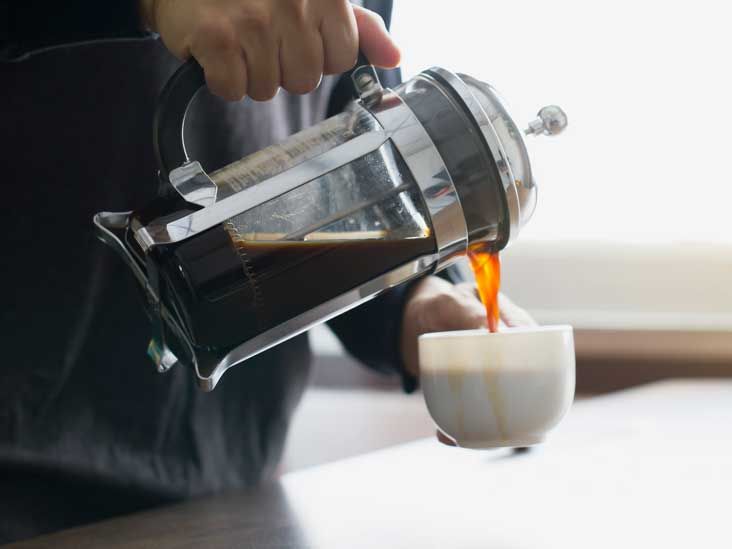
Flavor can take some experimenting. Some decaf tastes thin or dull, especially if it is old, poorly roasted, or brewed carelessly. But good decaf exists. Medium roasts often work well because they preserve sweetness and body without tasting burnt. Fresh whole-bean decaf can be much better than pre-ground coffee that has been sitting around long enough to have opinions about dial-up internet. Brewing method matters too. A French press can create a fuller cup, pour-over can highlight cleaner flavors, and cold brew decaf can taste smooth and mellow.
For people with sensitive stomachs, the experience is mixed. Some feel better switching from regular coffee to decaf. Others still get heartburn because coffee is not just caffeine; it also contains acids and other compounds that can relax the lower esophageal sphincter or irritate the stomach. In that case, low-acid decaf, smaller portions, or drinking coffee with food may help. If not, the body has voted, and unfortunately the body does not accept campaign donations.
Socially, decaf can be oddly controversial. Some coffee lovers treat it like betrayal. But choosing decaf is not a moral failure. It is a practical decision. If regular coffee makes you shaky, anxious, sweaty, or unable to sleep, decaf is not the boring option. It is the option that lets you enjoy coffee while remaining a functional human being.
The best experience with decaf comes from using it intentionally. Drink regular coffee when you want caffeine and tolerate it well. Drink decaf when you want comfort, flavor, routine, or an evening cup that does not turn bedtime into a negotiation. Decaf is not good or bad in a dramatic way. It is a tool. Used well, it can be one of the easiest upgrades in a daily routine.
Final Verdict: Is Decaf Coffee Good or Bad?
Decaf coffee is good for most people when consumed in moderation. It keeps many of coffee’s beneficial compounds while greatly reducing caffeine. That makes it a strong choice for people who are caffeine-sensitive, anxious, pregnant or breastfeeding under medical guidance, managing sleep issues, or simply trying to reduce stimulant intake.
The main downsides are manageable. Decaf still contains small amounts of caffeine, may trigger reflux in some people, and may be produced using different decaffeination methods. Choosing high-quality, water-processed or CO2-processed decaf can reduce concerns while improving taste.
In short, decaf coffee is not the villain. It is not a miracle cure either. It is a flexible, flavorful option that lets you enjoy coffee without inviting caffeine to move into your guest room. For many people, that is not just good. That is excellent.
Note: This article is for general educational purposes only and should not replace medical advice. People with pregnancy-related questions, heart conditions, severe reflux, sleep disorders, or medication concerns should speak with a qualified healthcare professional.