
Note: This article is for educational purposes only and does not replace emergency medical care. A suspected degloving injury is a medical emergency. Call 911 or go to the nearest emergency department immediately.
Evidence note: This article synthesizes information from reputable medical references, including Cleveland Clinic, NIH/PubMed Central trauma reviews, AAOS orthopedic trauma guidance, CDC tetanus wound guidance, MedlinePlus wound and skin graft resources, Johns Hopkins reconstructive surgery resources, and American Society of Plastic Surgeons educational materials.
What Is a Degloving Injury?
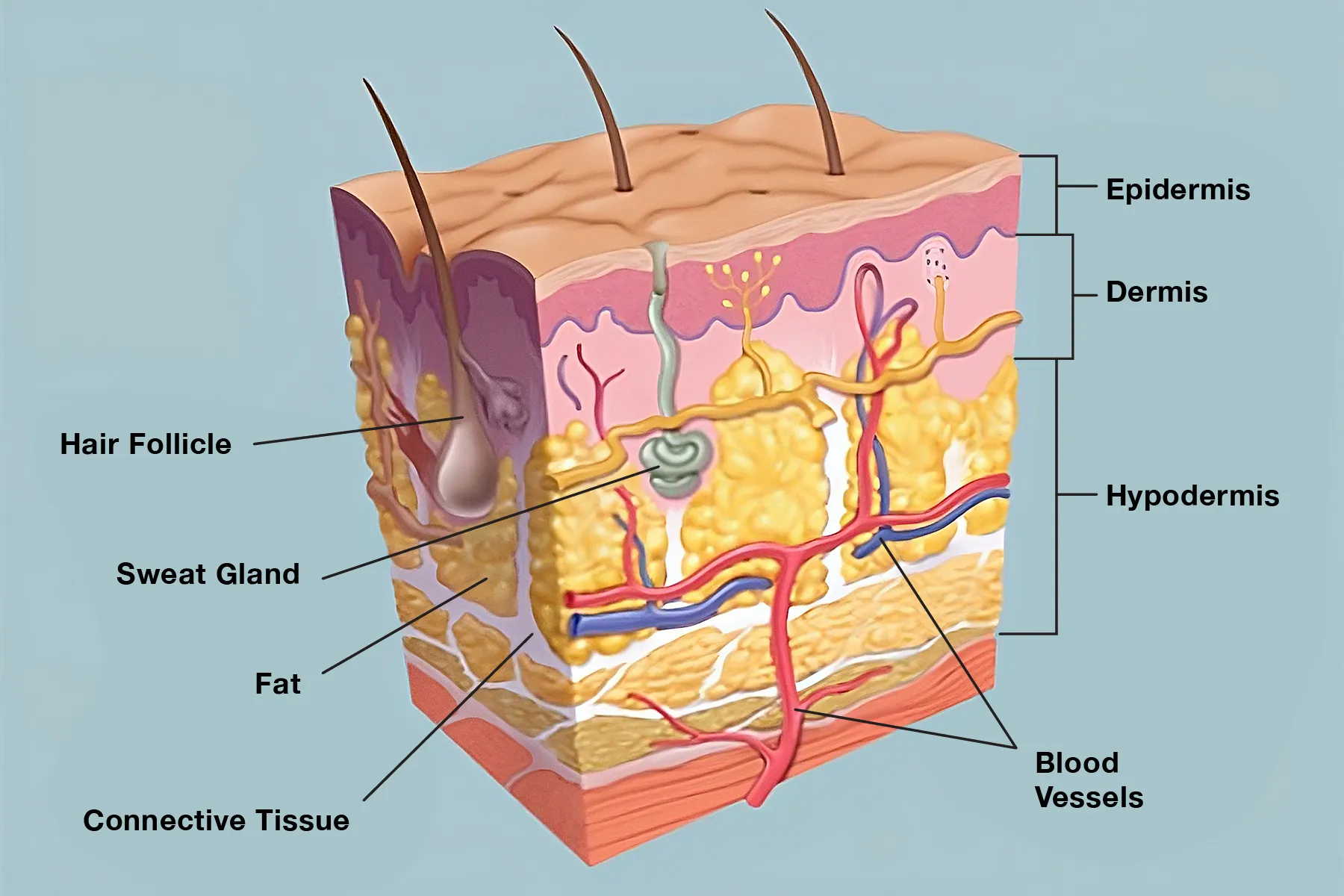
A degloving injury is a severe traumatic injury in which skin and the tissue beneath it are torn away from the muscles, tendons, bones, or connective tissue underneath. The name sounds dramatic because the injury is dramatic: the skin may be pulled back much like a glove being removed from a hand. Unfortunately, this is not the kind of “glove removal” anyone wants on their résumé.
Degloving injuries are also called avulsion injuries or degloving soft-tissue injuries. They often happen during high-force accidents such as motorcycle crashes, car collisions, industrial machinery incidents, farming accidents, crush injuries, or falls in which the skin is dragged, twisted, caught, or compressed. These injuries can involve the hands, fingers, feet, legs, arms, scalp, face, torso, or genital area.
The danger is not only the shocking appearance. A degloving injury can damage blood vessels, nerves, lymphatic tissue, muscles, tendons, and bones. It can also cause heavy bleeding, tissue death, infection, shock, long-term disability, and, in extreme cases, limb loss. That is why fast emergency treatment matters.
Types of Degloving Injuries
1. Open Degloving Injury
An open degloving injury is visible from the outside. The skin is partly or completely torn away, and deeper structures may be exposed. Muscles, tendons, bones, fat, or connective tissue may be visible. This type is often seen after road accidents, machinery injuries, and severe crush trauma.
Open degloving injuries are usually obvious, but that does not make them simple. The visible wound may be only one part of the problem. Doctors must also check for fractures, blood vessel damage, nerve injuries, contamination, and hidden tissue that has lost blood supply.
2. Closed Degloving Injury
A closed degloving injury is trickier because the skin may remain mostly intact. Beneath the surface, however, the skin and fatty tissue separate from the deeper fascia. Blood, lymph, and fluid can collect in the new space. One well-known closed degloving pattern is called a Morel-Lavallée lesion.
Closed degloving injuries can look like a large bruise, swelling, soft lump, or painful fluid pocket. Because the skin is not ripped open, people may underestimate it. That is a mistake. Closed degloving injuries can become infected, expand, or lead to tissue death if not recognized and treated.
3. Ring Avulsion Injury
A ring avulsion happens when a ring catches on an object and pulls the skin and soft tissue of the finger with force. It may sound like something that only happens in a cartoon factory scene, but it is a real and serious hand injury. The finger may look cut, swollen, pale, blue, numb, or severely torn.
Ring avulsion can damage blood vessels and nerves even when the finger is still attached. Severe cases may require microsurgery, reconstruction, or amputation. Anyone working around ladders, fences, machinery, gym equipment, or heavy tools should consider removing rings before the activity begins.
4. Extremity Degloving Injury
Degloving injuries of the arms, legs, hands, and feet are among the most common and most complex. The lower leg and foot are especially vulnerable in motorcycle and pedestrian accidents. These areas have limited soft-tissue coverage, so exposed bone, tendons, and joints may need advanced reconstruction.
5. Scalp, Face, and Torso Degloving
The scalp and face have rich blood supplies, which can mean dramatic bleeding. Torso degloving injuries may be associated with internal trauma, especially after high-speed crashes or crush injuries. In these cases, emergency teams must treat the whole person, not just the skin wound.
Common Causes of Degloving Injuries
Degloving injuries usually require strong shearing, pulling, crushing, or twisting force. Common causes include:
- Motorcycle accidents and road rash with deep tissue separation
- Car crashes, pedestrian accidents, and bicycle collisions
- Industrial machinery accidents involving rollers, belts, presses, or gears
- Farm equipment injuries
- Construction injuries involving tools, cables, ladders, or heavy materials
- Ring avulsion from rings catching on objects
- Severe falls, crush injuries, and sports-related trauma
- Animal bites or attacks that tear tissue away
In simple terms, degloving happens when the skin is forced one way while the deeper body structures stay put or move another way. The body does not appreciate being turned into a tug-of-war rope.
Symptoms of a Degloving Injury
Visible Symptoms
Open degloving injuries often have unmistakable signs, including:
- Skin torn away from the body
- Exposed fat, muscle, tendon, or bone
- Heavy bleeding or blood-soaked clothing
- A large flap of loose skin
- Crushed, dirty, or contaminated tissue
- Severe swelling and bruising
- Deformity of the injured area
Hidden or Closed Symptoms
Closed degloving injuries may be less obvious. Symptoms can include:
- Deep pain after trauma
- Rapid swelling
- A soft, squishy, or fluid-filled area under the skin
- Large bruising that spreads
- Skin that feels unusually mobile over deeper tissue
- Numbness, tingling, or weakness
- Skin discoloration, warmth, or increasing tenderness
Emergency Warning Signs
Call emergency services immediately if there is severe bleeding, exposed tissue, numbness, loss of movement, pale or blue skin, signs of shock, confusion, rapid heartbeat, fainting, or a wound that cannot be safely covered. Degloving injuries are not “wait and see” injuries. They are “get help now” injuries.
First Aid: What to Do Immediately
While waiting for emergency help, the goal is to reduce bleeding, protect the wound, and avoid making the injury worse.
Do
- Call 911 immediately.
- Apply gentle, steady pressure around the bleeding area with clean gauze or cloth.
- Cover exposed tissue with a clean, moist dressing if available.
- Keep the injured person still and warm.
- Elevate the injured limb if it does not cause more pain and there is no suspected fracture.
- If tissue has been completely detached, wrap it in moist sterile gauze, place it in a sealed bag, and place that bag on ice. Do not put tissue directly on ice.
Do Not
- Do not scrub the wound.
- Do not push exposed tissue back into place.
- Do not remove deeply embedded debris.
- Do not use hydrogen peroxide, alcohol, or harsh chemicals in the wound.
- Do not delay emergency care because the person “feels okay.” Shock can sneak in like a bad plot twist.
How Doctors Diagnose Degloving Injuries
Diagnosis begins with a trauma evaluation. Emergency clinicians check breathing, circulation, bleeding, pain, movement, sensation, and signs of shock. For open injuries, the wound is examined carefully to assess tissue loss, contamination, blood supply, nerve function, and associated fractures.
For closed degloving injuries, imaging may be needed. Ultrasound, CT, or MRI can help identify fluid collections, tissue separation, and deeper damage. Doctors may also order X-rays to check for broken bones and vascular imaging if blood vessel damage is suspected.
Because degloving injuries often involve multiple systems, care may include emergency physicians, trauma surgeons, orthopedic surgeons, plastic and reconstructive surgeons, vascular surgeons, hand surgeons, wound care specialists, physical therapists, occupational therapists, and mental health professionals.
Treatment for Degloving Injury
Emergency Stabilization
The first priority is stabilizing the patient. This may include stopping bleeding, giving IV fluids or blood, controlling pain, starting antibiotics when indicated, updating tetanus protection, and treating life-threatening injuries. If there is an open fracture, infection prevention and urgent surgical care become especially important.
Cleaning and Debridement
Most serious degloving injuries require surgical cleaning. Debridement means removing dirt, foreign material, and dead or badly damaged tissue. This step is essential because crushed or devitalized tissue can become a breeding ground for infection. Sometimes debridement must be repeated over several operations because tissue survival may not be clear on day one.
Preserving Viable Tissue
If the torn skin still has blood supply, surgeons may attempt to preserve it. In some cases, the avulsed skin can be cleaned, thinned, and used as a graft. In other cases, it is too damaged to survive. The surgical team must judge what tissue is viable, what tissue is risky, and what reconstruction will give the best function.
Skin Grafts
A skin graft uses healthy skin from another area of the body to cover the wound. Split-thickness grafts use the top layers of skin and are often used for larger areas. Full-thickness grafts include all layers of skin and may be used when durability, flexibility, or appearance is especially important.
Skin grafts need a healthy wound bed with enough blood supply. If tendon, bone, or hardware is exposed without a good tissue layer over it, a graft alone may not work well.
Flap Surgery
A flap moves skin, fat, muscle, or other tissue with its blood supply to cover a complex wound. Local flaps come from nearby tissue. Free flaps are transferred from another body area using microsurgery to connect tiny blood vessels. Flap surgery is often used for large wounds, exposed bone, exposed tendons, or injuries around joints.
Negative Pressure Wound Therapy
Some wounds are treated with negative pressure wound therapy, often called a wound VAC. This system uses controlled suction to remove fluid, help reduce swelling, and support wound healing before final closure or grafting. It is not magic, but in wound care, it is one of the more impressive pieces of medical vacuum-cleaner technology.
Fracture, Tendon, Nerve, and Vessel Repair
If bones are broken, orthopedic surgeons may stabilize them with external fixation, plates, screws, rods, or other devices. Damaged tendons may need repair. Injured nerves may require careful evaluation and sometimes microsurgical repair. Blood vessel damage may need urgent vascular surgery to restore circulation.
Amputation in Severe Cases
Amputation is not the first goal, but it may be necessary if tissue is not viable, infection is uncontrolled, blood supply cannot be restored, or the limb cannot be safely reconstructed. This decision is serious and individualized. When amputation is needed, rehabilitation, prosthetics, pain care, and emotional support become central parts of recovery.
Recovery and Rehabilitation
Recovery from a degloving injury can take weeks, months, or longer. The timeline depends on the location, size, contamination level, blood supply, presence of fractures, nerve damage, infection, and the type of reconstruction performed.
Hospital Recovery
Many patients need several days to several weeks in the hospital. Some need multiple surgeries. Wound checks, dressing changes, antibiotics, pain control, nutrition support, and monitoring for infection are common parts of care.
Physical and Occupational Therapy
Therapy helps restore movement, strength, flexibility, balance, and daily function. Hand injuries may require occupational therapy to recover grip, fine motor control, and sensation. Leg and foot injuries may require gait training, bracing, or gradual weight-bearing.
Scar and Skin Care
Scars from degloving injuries may be large, tight, sensitive, or raised. Scar management may include massage, silicone products, compression garments, moisturizers, sun protection, stretching, and sometimes revision surgery. Skin grafts and flaps also need long-term monitoring because they may be more fragile or less sensitive than uninjured skin.
Emotional Recovery
Degloving injuries can be traumatic emotionally as well as physically. Patients may deal with anxiety, nightmares, body image concerns, fear of driving or returning to work, frustration, and grief. Mental health support is not a luxury add-on. It is part of whole-person healing.
Possible Complications
Complications can occur even with excellent treatment. The most common concerns include:
- Infection
- Tissue death or necrosis
- Delayed wound healing
- Skin graft or flap failure
- Chronic pain or nerve pain
- Numbness or reduced sensation
- Stiffness and reduced range of motion
- Scarring and contractures
- Compartment syndrome
- Blood clots
- Need for additional surgeries
- Functional disability or amputation
Signs of infection or poor healing include fever, worsening pain, spreading redness, warmth, swelling, pus, foul odor, black skin edges, increasing drainage, or a wound that opens. These signs deserve prompt medical attention.
Prevention: Reducing the Risk
Not every accident can be prevented, but risk can be reduced. Wear protective clothing when riding motorcycles, bicycles, ATVs, or scooters. Use machine guards at work. Follow lockout/tagout procedures around industrial equipment. Remove rings before climbing, lifting, working with machinery, or playing contact sports. Wear gloves when appropriate, but remember: gloves protect hands; they do not make fingers invincible.
At worksites, training and equipment maintenance matter. At home, be cautious with lawn equipment, garage tools, and moving belts or rollers. On the road, helmets, protective gear, speed control, and defensive driving can reduce the severity of traumatic injuries.
Experience-Based Insights: What Patients and Families Often Learn
People who go through a degloving injury often describe the experience as confusing, frightening, and strangely fast. One moment life is normal; the next, everyone is speaking in urgent medical language. The injury may look terrifying, but many patients do not fully understand what has happened until doctors explain that the skin is no longer attached to deeper tissue in the usual way.
A common experience is surprise at how many specialists become involved. A person may arrive in the emergency department expecting stitches and leave with a care team that includes trauma surgery, orthopedics, plastic surgery, wound care, physical therapy, and occupational therapy. This can feel overwhelming. However, complex teamwork is often exactly what protects function. A degloving injury is rarely just a “skin problem.” It is a structure, blood supply, infection control, motion, pain, and reconstruction problem all at once.
Families also learn that healing is not a straight line. One day the wound looks better; another day a surgeon says more tissue needs to be removed. That can feel discouraging, but staged care is normal in severe soft-tissue trauma. Surgeons may wait to see what tissue survives before closing the wound. This careful patience can improve the final result, even when it feels slow.
Another lesson is that pain can change over time. Early pain may be sharp, burning, or intense. Later, nerve symptoms may appear as tingling, numbness, electric sensations, or hypersensitivity. A bedsheet brushing against the area can feel like a tiny villain. Pain specialists, therapists, and wound care teams can help manage these changes.
Daily life during recovery can be surprisingly practical. Patients may need help bathing, dressing, cooking, driving, changing bandages, or getting to appointments. The injured person may feel frustrated by needing assistance. Family members may feel nervous about doing wound care. Clear instructions, written schedules, and asking questions during appointments can make home care less intimidating.
Returning to work or hobbies is another emotional milestone. A construction worker may worry about using tools again. A motorcyclist may feel anxious near traffic. Someone with a hand injury may worry about typing, cooking, playing music, or holding a child. These fears are valid. Recovery is not only about closing the wound; it is about rebuilding trust in the body.
Many survivors say the small wins matter: the first successful dressing change, the first finger movement, the first step, the first shower approved by the surgeon, the first night of better sleep. These moments may not look dramatic from the outside, but during recovery they are gold medals.
For caregivers, the best support is calm consistency. Help track medications, appointments, warning signs, and therapy exercises. Encourage rest without making the person feel helpless. Celebrate progress without pretending everything is easy. And when the patient is tired of hearing “be patient,” try saying, “This is hard, and you are still moving forward.” That sentence is sometimes better medicine than another motivational quote printed over a mountain.
The biggest experience-based takeaway is this: degloving injury recovery requires urgent medical care, expert reconstruction, infection prevention, rehabilitation, and emotional resilience. It is a long road, but with timely treatment and strong follow-up, many people regain meaningful function and return to full, active lives.
Conclusion
A degloving injury is one of the most serious forms of soft-tissue trauma. It can be open and obvious or closed and hidden beneath bruised skin. Symptoms may include torn skin, exposed tissue, severe pain, swelling, numbness, bleeding, or fluid collection under the skin. Treatment often requires emergency stabilization, antibiotics when appropriate, tetanus protection, surgical cleaning, debridement, skin grafts, flap reconstruction, fracture repair, and rehabilitation.
The most important message is simple: do not underestimate this injury. Fast emergency care can reduce infection risk, preserve tissue, protect function, and improve long-term recovery. Degloving injuries are scary, but modern trauma care and reconstructive surgery can do remarkable things when treatment begins quickly.