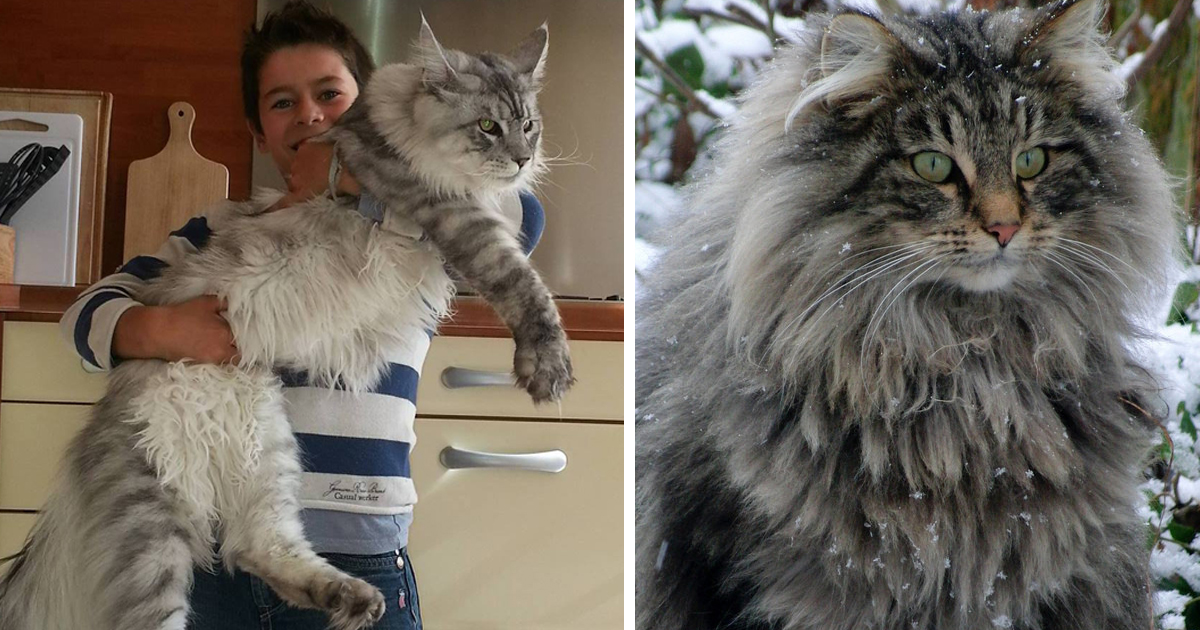

Maine Coon cats look like they were designed by someone who loved regular cats but accidentally held down the “enlarge” button. With their impressive size, long shaggy coats, tufted ears, lion-like ruffs, and sweeping tails, these cats can stroll into a room and immediately make the furniture look underdressed. Yet behind all that majestic fluff is one of the sweetest, most easygoing personalities in the cat world.
Often called “gentle giants,” Maine Coons are famous for being affectionate without being clingy, playful without being chaotic, and intelligent enough to make you wonder whether they are secretly managing the household budget. They are big cats, yes, but their real charm is not just in their size. It is in the way they follow their people from room to room, chirp instead of yell, inspect grocery bags like tiny customs officers, and somehow turn a simple nap on the couch into a royal ceremony.
This guide explores what makes Maine Coon cats special, from their history and appearance to temperament, care, grooming, health, and the lived experience of sharing a home with one of these oversized bundles of kindness.
What Is a Maine Coon Cat?
The Maine Coon is one of the largest domesticated cat breeds and one of the most recognizable long-haired cats in the United States. The breed is strongly associated with Maine, where it is honored as the official state cat. Maine Coons are considered a natural North American breed, meaning their rugged bodies and weather-resistant coats developed over time to handle cold New England conditions rather than being invented in a boardroom by people saying, “What if a cat had a winter jacket and a personality like a golden retriever?”
These cats are known for sturdy bone structure, broad chests, rectangular bodies, large paws, tufted ears, and long, flowing tails. Their coats can appear in many colors and patterns, including brown tabby, silver, black, cream, red, blue, tortoiseshell, calico, and more. The classic brown tabby Maine Coon may be the poster child of the breed, but Maine Coons come in a surprisingly wide wardrobe. They are basically the fashion models of the cat world, except they would rather sit in a cardboard box than walk a runway.
The History Behind the Gentle Giant
Maine Coons have a history wrapped in fact, folklore, and a generous sprinkling of dramatic storytelling. One popular myth claims they descended from cats and raccoons, which is biologically impossible but understandable when you look at their bushy tails and outdoorsy charm. Another legend connects the breed to long-haired cats sent to Maine during the era of Marie Antoinette. Romantic? Absolutely. Proven? Not exactly.
The more grounded explanation is that Maine Coons likely developed from long-haired cats brought to North America by sailors and settlers. In the cold climate of New England, only the toughest, best-insulated, most capable cats thrived. Over generations, these cats became large, strong, weather-ready mousers with heavy coats, tufted paws, and calm temperaments. They were valued on farms and around homes not just for their beauty but for their usefulness.
By the late 1800s, Maine Coon-type cats were appearing at cat shows, and the breed became part of early American cat fancy history. Today, the Maine Coon remains one of the most beloved cat breeds in the country, admired for its size, intelligence, loyalty, and famously soft character.
Maine Coon Size: How Big Do They Really Get?
Let’s address the fluffy elephant in the room: Maine Coons are big. Adult females are usually substantial, while adult males can become especially large and muscular. Many Maine Coons weigh somewhere in the range of medium-to-large housecats, with males sometimes reaching 20 pounds or more. However, responsible owners should remember that bigger is not always better. A healthy Maine Coon should be solid and well-proportioned, not overweight.
Part of the Maine Coon’s impressive appearance comes from its long body, heavy coat, and dramatic tail. A lean, healthy cat may look enormous simply because it has the kind of fur volume that makes vacuum cleaners question their career choices. These cats also mature slowly. While many cats reach full size sooner, Maine Coons may continue filling out for several years.
Do Maine Coons Need Extra Space?
Maine Coons can live happily in apartments or houses as long as they have enrichment, sturdy furniture, and enough room to move comfortably. The key word is sturdy. A tiny kitten tree may work for a normal-sized kitten, but an adult Maine Coon may treat it like a folding chair at a bodybuilder convention. Choose large scratching posts, wide perches, strong cat trees, and roomy litter boxes.
The Maine Coon Personality: Soft, Social, and Surprisingly Funny
The Maine Coon temperament is one of the biggest reasons people fall in love with the breed. These cats are often described as gentle, friendly, patient, and people-oriented. They usually enjoy being near their families, but many are not demanding lap cats. Instead, they prefer what might be called “supervised independence.” They want to be close enough to monitor your life choices, but not always close enough to be worn like a scarf.
Maine Coons are frequently compared to dogs because of their loyalty, playfulness, and habit of following people around the house. Some enjoy playing fetch. Others learn routines quickly and may greet family members at the door. Many are vocal in a charming way, using chirps, trills, and soft conversational sounds rather than constant loud meowing.
Are Maine Coons Good Family Cats?
In many homes, yes. Their patient and steady nature can make them good companions for families, including respectful children and cat-friendly dogs. As with any pet, introductions should be slow, supervised, and positive. A Maine Coon may be gentle, but it is still a cat with boundaries, preferences, and a legal right to judge everyone from the top of the bookcase.
Their social personality means they often do best in homes where they receive attention, play, and interaction. They are not usually the type of cat that wants to be ignored all day and admired only during commercial breaks.
Appearance: The Wild Look Without the Wild Attitude
Maine Coons have a dramatic, almost wild appearance. Their large ears may have lynx-like tips. Their paws are broad and often tufted with fur. Their tails are long, thick, and expressive. Their faces can look wise, serious, or slightly offended, especially if dinner is late by nine seconds.
Despite this rugged look, Maine Coons are fully domestic cats. Their physical features developed to help them survive cold weather. The shaggy coat is typically shorter over the shoulders and longer around the stomach, britches, and tail. The chest ruff gives many Maine Coons a lion-like appearance, although most are more interested in chasing feather toys than ruling the savanna.
Grooming a Maine Coon: The Fluff Is Real
Maine Coons have long coats, but their fur is often described as smoother and less mat-prone than some other long-haired breeds. Still, regular grooming is essential. Most Maine Coons benefit from brushing several times a week, and some need daily attention during shedding seasons.
Focus on areas where mats commonly form: behind the ears, under the front legs, around the belly, and near the back legs. A wide-tooth comb, slicker brush, and gentle detangling routine can keep the coat comfortable. Grooming should never feel like a wrestling match in a small tornado. Start young, reward cooperation, and keep sessions short if your cat gets impatient.
Bathing, Nails, and Ears
Some Maine Coons tolerate water better than the average cat, and a few even seem fascinated by sinks, tubs, and dripping faucets. That does not mean every Maine Coon wants a spa day. Bathing is usually needed only occasionally, unless recommended by a veterinarian or required because your cat has made a mysterious life choice involving something sticky.
Routine nail trimming, ear checks, and dental care are also important. Large cats have large claws, and those claws can do enthusiastic interior decorating if scratching posts are not available.
Feeding a Maine Coon: Big Cat, Balanced Bowl
Because Maine Coons are large and slow-maturing, they need high-quality nutrition appropriate for their age, weight, activity level, and health. Kittens require kitten food that supports growth. Adults need balanced maintenance diets. Senior cats may need adjustments based on veterinary advice.
The biggest feeding mistake is assuming a large breed should always eat huge portions. Maine Coons can become overweight if free-fed without limits or if treats become a love language spoken too fluently. A healthy Maine Coon should have muscle, energy, and a visible waistline when viewed from above. Your veterinarian can help determine ideal body condition and daily calories.
Exercise and Enrichment: Keep the Gentle Giant Busy
Maine Coons are intelligent, curious cats that need mental and physical stimulation. They enjoy interactive toys, puzzle feeders, tunnels, climbing structures, and games that let them stalk, pounce, chase, and problem-solve. Think of enrichment as gym class for the body and trivia night for the brain.
Because they are social, many Maine Coons enjoy play sessions with people. Feather wands, rolling balls, treat puzzles, and fetch-style games can help prevent boredom. A bored Maine Coon may invent its own projects, such as opening cabinets, reorganizing laundry, or conducting gravity experiments with items from your desk.
Health Concerns in Maine Coon Cats
Maine Coons are generally hardy cats, but like all breeds, they can be prone to certain inherited or breed-associated health concerns. Responsible breeders screen their cats and prioritize long-term health over exaggerated size or appearance.
Hypertrophic Cardiomyopathy
Hypertrophic cardiomyopathy, often called HCM, is one of the most discussed health concerns in Maine Coons. It is a heart condition in which the heart muscle becomes thickened, potentially affecting heart function. Genetics can play a role, and screening may include DNA testing and veterinary cardiac evaluation.
Spinal Muscular Atrophy
Spinal muscular atrophy, or SMA, is a genetic condition known in Maine Coons that affects motor neurons and can cause muscle weakness. Genetic testing helps breeders make informed decisions and reduce the risk of producing affected kittens.
Hip Dysplasia and Joint Care
Because Maine Coons are large cats, joint health matters. Hip dysplasia has been reported in the breed. Owners should support healthy weight, provide safe climbing options, and watch for changes in movement, jumping, or comfort.
Regular veterinary care, preventive checkups, dental care, parasite prevention, and early attention to behavior changes are essential. Cats are experts at hiding discomfort, which is impressive but inconvenient. When in doubt, ask a veterinarian.
Choosing a Maine Coon Kitten or Cat
If you are looking for a Maine Coon, choose carefully. A reputable breeder should be transparent about health testing, pedigrees, socialization, vaccination records, and living conditions. Be cautious of sellers who advertise “extra giant” kittens as if cats were competitive pumpkins. Size should never matter more than health and temperament.
Good breeders usually ask buyers questions too. They care where their kittens go. They provide contracts, answer questions, and do not pressure people into rushed payments. Adoption may also be possible through breed-specific rescues or shelters, though purebred Maine Coons are less common in rescue than general domestic long-haired cats.
Are Maine Coons Hypoallergenic?
No cat breed is truly hypoallergenic. Maine Coons produce allergens like other cats, and their long coats can carry dander. Some people may react less to certain individual cats, but anyone with allergies should spend time around the breed before committing. Regular grooming, cleaning, air filtration, and veterinary-approved allergy management strategies may help, but they do not guarantee an allergy-free home.
Maine Coon Cats and Daily Life
Living with a Maine Coon can feel like sharing your home with a polite, furry roommate who has strong opinions about doors being closed. Many Maine Coons dislike being excluded. They may sit outside the bathroom, supervise cooking from a safe distance, or appear during video calls with the confidence of a celebrity guest.
They are often affectionate in subtle ways. A Maine Coon may not always demand to be held, but it may sleep near your feet, sit beside your chair, or follow you from room to room. Their companionship feels steady rather than needy. They are present, observant, and quietly devoted.
Common Myths About Maine Coon Cats
Myth 1: Every Big Fluffy Cat Is a Maine Coon
Many domestic long-haired cats are large and fluffy without being Maine Coons. Breed identity is best confirmed through pedigree records or reliable breeder documentation. A bushy tail is adorable, but it is not a birth certificate.
Myth 2: Maine Coons Are Wild Hybrids
Maine Coons may look wild, but they are domestic cats. They are not part raccoon, bobcat, or tiny forest wizard, no matter what their dramatic ear tufts suggest.
Myth 3: Maine Coons Are Low-Maintenance Because They Are Hardy
Maine Coons are sturdy, but they still need grooming, enrichment, quality food, veterinary care, and attention. Their gentle nature does not make them decorative furniture. Very large, very fluffy decorative furniture would shed less.
Experiences With Maine Coon Cats: What It Really Feels Like to Live With a Gentle Giant
Ask Maine Coon owners what life is like with the breed, and the answers often sound like a mix of admiration, comedy, and mild disbelief. The first thing many people notice is not just the size, but the presence. A Maine Coon does not simply enter a room. It arrives. The tail floats behind like a feather duster with royal ambitions. The paws make soft, confident steps. The expression says, “I have reviewed the household policies and will be making edits.”
One of the most memorable experiences is how social these cats can be without becoming overwhelming. A Maine Coon may follow you into the kitchen, not because it is desperate, but because it is interested in the committee meeting currently involving you and a sandwich. It may sit nearby while you work, occasionally chirping as if offering professional feedback. You may not understand the feedback, but it will sound important.
Their playful side can also surprise new owners. A full-grown Maine Coon chasing a feather toy is both graceful and ridiculous. There is something deeply funny about watching a cat the size of a small ottoman leap after a toy mouse with kitten-level enthusiasm. Many enjoy fetch, puzzle toys, and games that involve hunting motions. They are clever enough to learn routines and sometimes clever enough to exploit them. Feed breakfast at 7:00 a.m. twice, and congratulations, you have signed a contract.
Grooming becomes part of the relationship. At first, brushing may feel like a chore, but many owners come to enjoy it as bonding time. The trick is consistency. A few minutes several times a week is far easier than waiting until the coat develops knots and the cat starts looking like it has been living inside a decorative pillow. Treats, praise, and patience help turn grooming into a calm ritual.
Another real-life detail: Maine Coons need appropriately sized supplies. Standard litter boxes may be too cramped. Small cat beds may become decorative hats. Weak cat trees may wobble under their weight. Owners quickly learn to buy large, stable, durable items. The phrase “for large cats” becomes less of a suggestion and more of a lifestyle.
Emotionally, Maine Coons often leave the strongest impression through their kindness. They can be patient with routines, curious about guests, and gentle with family members who respect their boundaries. Their affection may be quiet but steady. They sit near you after a long day. They trill when they see you. They place one enormous paw on your arm as if to say, “You are doing fine, human. Also, the food bowl situation requires attention.”
Living with a Maine Coon is not for someone who wants a cat to simply exist in the background. These cats participate. They observe, interact, play, shed, supervise, and charm. They bring humor into daily life and softness into ordinary moments. Their size may attract attention first, but their character is what people remember. A Maine Coon may look like a tiny lion, but at heart, it is usually a gentle companion with a big body, a bigger tail, and an even bigger capacity to become part of the family.
Conclusion: A Big Cat With an Even Bigger Heart
Maine Coon cats are more than giant kitties with glamorous coats. They are intelligent, affectionate, family-friendly companions with a rare mix of dignity and silliness. Their rugged appearance reflects their New England roots, while their soft temperament explains why so many cat lovers consider them unforgettable.
They do require commitment. Grooming, enrichment, quality nutrition, health screening, and properly sized supplies all matter. But for the right home, a Maine Coon offers something truly special: the presence of a gentle giant who can make everyday life warmer, funnier, and just a little more covered in fur.
Note: This article is for general educational purposes and is not a substitute for professional veterinary advice. Always consult a licensed veterinarian about your cat’s health, diet, grooming needs, and behavior concerns.