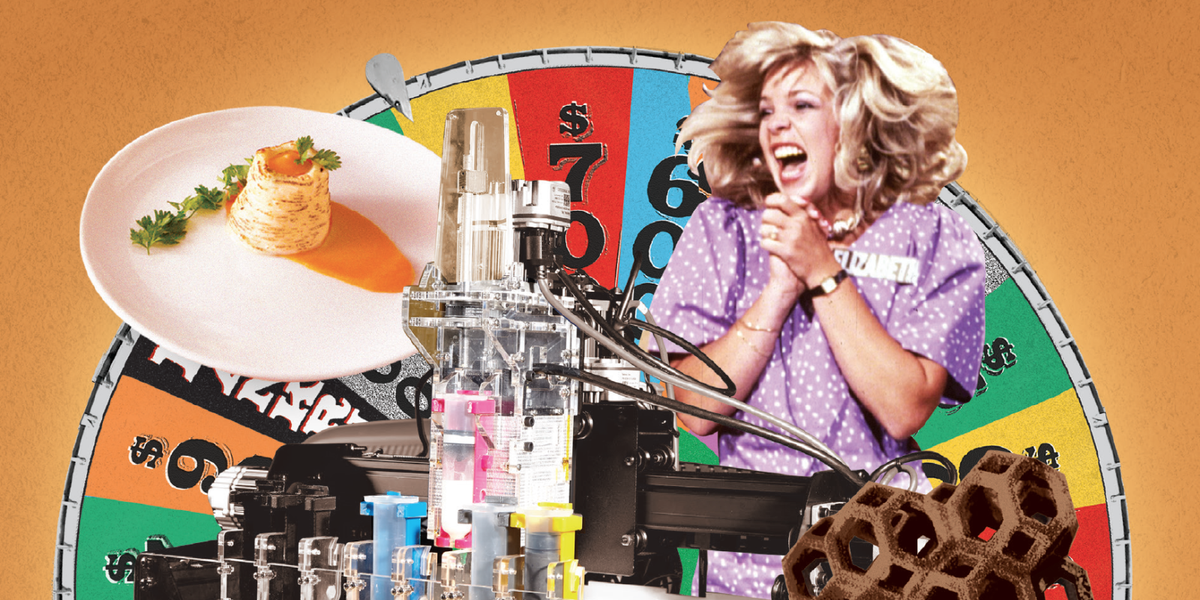

Imagine walking into your kitchen, tapping a screen, and watching dinner appear layer by layer: a rose-shaped chocolate dessert, a plant-based steak with engineered marbling, or a soft carrot purée printed to look like an actual carrot for someone who has trouble chewing. It sounds like a scene from a friendly science-fiction movie where the robots have finally learned hospitality. But 3D-printed food is no longer just a futuristic party trick. It is already being explored by researchers, hospitals, space agencies, food-tech startups, chefs, and nutrition scientists.
The big question is not whether we can print food. In many cases, we already can. The more interesting question is whether we truly want 3D-printed food on our plates, in our schools, in hospitals, in restaurants, and eventually in home kitchens. The answer is complicated. 3D food printing can be clever, useful, waste-reducing, and even beautiful. It can also be slow, expensive, overhyped, and a little unsettling if the phrase “food cartridge” makes your appetite quietly leave the room.
So let’s take a serious lookwith a small spoonful of humorat what 3D-printed food actually is, where it makes sense, where it does not, and whether it belongs in the future of eating.
What Is 3D-Printed Food?
3D-printed food is food made through an additive manufacturing process. Instead of cutting, mixing, baking, or molding food in the usual way, a machine deposits edible material layer by layer according to a digital design. The ingredients are often turned into pastes, gels, powders, doughs, purées, or “food inks” that can move through a nozzle and hold their shape after being printed.
Chocolate, cookie dough, mashed potatoes, cheese mixtures, vegetable purées, plant proteins, fruit pastes, and alternative meat formulas are all possible printing materials. Some printers simply shape familiar ingredients into precise designs. Others attempt something more ambitious, such as recreating the texture of meat, customizing meals for medical diets, or producing nutrient-dense foods for astronauts.
In other words, 3D-printed food is not one single thing. It can be a decorative chocolate topper, a personalized nutrition bar, a plant-based steak alternative, or a soft meal for someone with swallowing difficulties. That range is part of what makes the topic excitingand part of what makes consumers suspicious. A printed cookie feels fun. A printed steak may trigger a full family debate at Thanksgiving.
Why Are People Interested in 3D Food Printing?
The appeal of 3D food printing comes from precision. Traditional cooking is flexible and creative, but it is not always exact. A food printer can place ingredients in specific amounts, shapes, and patterns. That opens the door to new forms of customization in nutrition, texture, portion control, and design.
Personalized Nutrition
One of the strongest arguments for 3D-printed food is personalized nutrition. A printed meal could theoretically be tailored to a person’s calorie needs, protein goals, vitamin requirements, allergies, chewing ability, or medical condition. Instead of making the same meal for everyone, a kitchen could produce different versions of the same dish for different people.
This could matter in hospitals, senior-care facilities, sports nutrition, military settings, and long-duration space missions. A patient recovering from illness may need more protein. An older adult may need softer food with enough calories and minerals. An athlete may want a recovery snack with precise carbohydrate and protein ratios. A food printer does not magically make nutrition better, but it can make customization easier when paired with good ingredients and smart diet planning.
Texture-Modified Meals That Still Look Like Food
For people with dysphagia, or difficulty swallowing, meals often need to be soft, moist, and easy to swallow safely. Unfortunately, traditional texture-modified meals can look unappealing when foods are blended into anonymous scoops. That matters because people eat with their eyes first. If dinner looks like beige sadness, appetite may not show up.
3D food printing offers a way to reshape puréed or soft foods into familiar forms. A printed carrot purée can look like a small carrot. A protein-rich soft food can be shaped attractively instead of served as a shapeless mound. In healthcare, that visual improvement is not vanity; it may support dignity, appetite, and better nutrition.
Creative Design for Chefs and Food Brands
Chefs already use molds, piping bags, tweezers, and all kinds of culinary tools to create memorable plates. A 3D food printer adds another tool to that creative toolbox. It can produce geometric chocolate, intricate sugar decorations, custom pasta shapes, edible logos, or unusual textures that would be difficult by hand.
For restaurants and bakeries, the technology may be most useful as a design assistant rather than a replacement for cooking. Nobody needs a robot to print a tomato slice. But for complex decorations, limited-edition desserts, luxury events, and branded edible designs, 3D printing can save labor and create a “wow” moment.
Alternative Proteins and Meat Analogues
Another major area is plant-based meat and seafood alternatives. Texture is one of the hardest parts of replacing animal meat. A burger patty is relatively easy compared with a steak, which has fibers, fat distribution, chew, and structure. 3D printing can place plant proteins, fats, binders, and flavor components in patterns that imitate muscle and marbling.
That does not mean printed plant-based steak is automatically healthier, cheaper, or tastier. It means food scientists have a new method for building structure. If the ingredients are good and the final product cooks well, printing could help alternative proteins move beyond patties and nuggets into more realistic whole-cut-style products.
The Best Case for 3D-Printed Food
The strongest case for 3D-printed food is not “everyone will print breakfast at home.” That idea is fun, but most people do not want to clean another machine before school, work, or caffeine. The stronger case is targeted use: places where customization, precision, or shape truly matters.
In senior care, 3D printing could help create soft meals that are safer to eat and more visually appealing. In hospitals, it could support special diets and portion control. In space travel, it could help astronauts produce varied foods with limited storage. In food manufacturing, it could create premium designs or reduce waste by using ingredients more efficiently. In plant-based meat, it could improve texture and appearance.
In these settings, 3D food printing solves real problems. It is not just a gadget asking for attention like a kitchen appliance influencer. It has a job.
The Biggest Problem: People Still Want Food to Feel Like Food
The emotional challenge is huge. Food is not only fuel. Food is memory, culture, family, comfort, identity, and sometimes the reason people tolerate small talk. A bowl of soup from a grandparent carries meaning that no printer can download. A loaf of bread smells alive. A printed nutrition paste may be efficient, but efficiency is not the same as dinner.
Many consumers hear “3D-printed food” and imagine something artificial, processed, or lab-like. Even when the ingredients are familiar, the process can feel strange. People may wonder: Is it safe? Is it fresh? Does it taste good? Is this real food or just edible software?
Those concerns are not silly. Trust matters. Food technology succeeds when it feels useful, transparent, and delicious. It struggles when people feel tricked, lectured, or asked to eat something that looks like a prototype. The future of 3D-printed food depends as much on psychology as engineering.
Is 3D-Printed Food Safe?
3D-printed food can be safe, but the printer does not get a magical exemption from food safety rules. The same basic principles still apply: clean equipment, safe ingredients, proper storage, allergen control, correct cooking temperatures, and materials that are suitable for food contact.
There are also special concerns. Food printers may have tubes, nozzles, cartridges, and internal surfaces that must be cleaned thoroughly. If food paste sits too long at unsafe temperatures, bacteria can grow. If a printer uses multiple ingredients, allergen cross-contact becomes a serious issue. If novel ingredients or additives are used, they must be evaluated appropriately.
The safety question should not be “Is printed food safe or unsafe?” The better question is: Who made it, with what ingredients, under what controls, using what equipment, and how was it stored and served? A printed chocolate from a clean professional kitchen may be perfectly fine. A mystery meat paste from a questionable machine in someone’s garage? That is not innovation; that is a stomachache with Wi-Fi.
Does 3D-Printed Food Taste Good?
Taste depends on ingredients first. A printer can shape chocolate beautifully, but it cannot turn bad chocolate into good chocolate. It can arrange plant proteins into a steak-like pattern, but flavor still depends on seasoning, fat, aroma, cooking behavior, and mouthfeel.
This is where hype often runs ahead of reality. Photos of 3D-printed food can look impressive, but eating is a full sensory experience. A product must smell right, chew well, cook properly, and leave people wanting another bite. A printed food that looks like a steak but eats like a damp protein eraser will not win hearts.
The good news is that 3D printing does not have to replace traditional cooking. It can be combined with baking, frying, grilling, freezing, or finishing techniques. The printer may build the structure, while cooking develops flavor and texture. The best products will likely be hybrids: part digital precision, part culinary skill.
Is 3D-Printed Food Sustainable?
Potentially, yesbut not automatically. 3D food printing may help reduce waste by using precise portions and turning imperfect ingredients, byproducts, or plant materials into appealing forms. It may also support alternative proteins that require fewer resources than conventional animal agriculture, depending on the ingredients and production system.
However, sustainability claims need careful analysis. A food printer uses energy. Ingredients may require processing. Packaging and cartridges can create waste if poorly designed. A printed plant-based product shipped long distances in heavy packaging may not be as green as the marketing suggests.
The sustainability value of 3D-printed food depends on the entire lifecycle: ingredient sourcing, processing, energy use, packaging, transportation, food waste reduction, and consumer behavior. The printer is a tool, not a halo.
Will 3D Food Printers Become Common in Home Kitchens?
Home adoption is possible, but it faces a practical wall: most people already own kitchen tools they do not use. Bread machines, juicers, spiralizers, and air fryers have all experienced their moment in the sun. Some stay; others migrate to the cabinet of forgotten ambition.
For a home food printer to become mainstream, it must be affordable, easy to clean, fast, reliable, and genuinely useful. It must also answer a simple question: Why print this instead of cooking it normally?
Decorative desserts and children’s snacks may attract hobbyists. People with special dietary needs may find value in customization. But for everyday meals, traditional cooking is still faster, cheaper, and more emotionally satisfying. A cutting board does not need firmware updates. A skillet never asks you to create an account.
Where 3D-Printed Food Makes the Most Sense
The future of 3D-printed food will likely begin in professional and specialized environments rather than ordinary kitchens. The most promising areas include:
- Healthcare: personalized meals for patients, older adults, and people with swallowing difficulties.
- Space missions: compact systems that can create varied foods from shelf-stable ingredients.
- Specialty desserts: intricate chocolate, sugar, and pastry designs.
- Alternative proteins: plant-based meat and seafood products with improved texture.
- Sports and military nutrition: customized bars, gels, or snacks designed for performance needs.
- Food research: testing new structures, nutrient combinations, and processing methods.
In these cases, the technology has a reason to exist beyond novelty. It either solves a hard problem or creates something that would be difficult to make otherwise.
Where the Hype Gets Silly
Some predictions about 3D-printed food sound as if every family will soon gather around the printer and say, “Ah yes, nozzle pasta again, my favorite.” That is unlikely. People do not adopt technology simply because it is futuristic. They adopt it when it makes life better.
Printing a pizza sounds exciting until you remember that pizza already exists, arrives hot, and does not require refilling a cheese cartridge. Printing a sandwich is less impressive than making one. Printing a banana would be a crime against both fruit and common sense.
The strongest future for 3D food printing is not replacing ordinary foods that are already easy to prepare. It is creating better solutions for special situations: nutrition, texture, design, and sustainability. When the technology respects food culture instead of trying to bulldoze it, it becomes much more convincing.
Experience-Based Reflection: Would People Actually Eat It?
The first reaction many people have to 3D-printed food is curiosity mixed with suspicion. That reaction makes sense. If someone offers you a printed chocolate shaped like a tiny cathedral, you may smile and try it. If someone offers you a printed chicken substitute from an unlabeled cartridge, your eyebrows may file a formal complaint.
In real life, acceptance often depends on the type of food. Printed desserts feel playful because dessert is already allowed to be decorative and imaginative. A chocolate rose, custom cookie, or sugar sculpture does not challenge our idea of food too much. We already pipe frosting, mold candy, and stamp cookies. A 3D printer simply adds more precision.
Printed medical meals are different. At first, they may sound strange, but the purpose is compassionate. If a person cannot safely chew or swallow regular food, a printed soft meal that looks attractive can restore some pleasure and dignity. In that setting, the technology feels less like a gimmick and more like a thoughtful tool. It is easier to support printed food when it helps someone eat safely and enjoyably.
Printed meat alternatives create the biggest emotional challenge. Meat is deeply tied to culture, habit, and identity. Some people are excited by sustainable alternatives. Others see them as overprocessed or unnecessary. A printed plant-based steak must do more than look impressive in a press photo. It must taste good, cook well, cost a reasonable amount, and be explained honestly. Consumers do not like feeling that dinner is wearing a disguise.
From a practical perspective, the cleaning issue cannot be ignored. Anyone who has cleaned a blender after making a thick smoothie knows that food paste is not a casual roommate. A home food printer with tubes, nozzles, and sticky ingredients must be extremely easy to clean. Otherwise, it becomes another appliance people use twice and then store next to the waffle maker they bought during a burst of optimism.
There is also the social experience of food. Cooking is not always efficient, but it is human. Chopping herbs, smelling garlic in a pan, kneading dough, or grilling vegetables creates anticipation. A printer may produce a precise shape, but it may not create the same emotional build-up. That does not make printing bad. It simply means printed food must find its own role instead of pretending to replace every kitchen ritual.
The best personal test is simple: would you serve it to guests without giving a 20-minute explanation first? If the answer is yesbecause it is delicious, safe, attractive, and usefulthen 3D-printed food has a future. If the answer is nobecause it feels weird, expensive, or less satisfying than normal foodthen the technology needs more work.
In the end, people will not accept 3D-printed food because it is printed. They will accept it because it solves a problem, tastes good, and feels trustworthy. The printer should disappear behind the eating experience. Nobody praises a cake because the oven was impressive. They praise it because they want a second slice.
Conclusion: Do We Really Want 3D-Printed Food?
Yesbut not everywhere, not for everything, and definitely not as a replacement for the joy of real cooking. 3D-printed food is most promising when it improves nutrition, supports medical diets, creates beautiful designs, reduces waste, or helps build better alternative proteins. It is least convincing when it tries to turn ordinary meals into overcomplicated tech demos.
The future of food is unlikely to be fully printed. More likely, 3D printing will become one specialized tool in a much larger food system. Chefs will use it for art. Hospitals may use it for care. Researchers will use it for nutrition science. Space agencies may use it for survival beyond Earth. Home cooks may use it occasionally for fun, but the skillet is not retiring anytime soon.
So, do we really want 3D-printed food? We want the version that is safe, delicious, transparent, useful, and human-centered. We do not need a printer to replace dinner. We need technology that helps more people eat better, waste less, and maybe enjoy a chocolate sculpture shaped like a tiny spaceship. That seems like a future worth tasting.