
Note: This is an original, fully rewritten article inspired by real animal behavior, common pet observations, and the viral appeal of funny animal moments. It does not reproduce any captions, images, or copied gallery text.
There are two kinds of beings in this world: people who feel guilty after resting for ten minutes, and animals who can nap upside down in a laundry basket for six hours with the confidence of a retired billionaire. That is why the idea behind “125 Times Animals Were Caught Being Lazy Slobs” is so instantly funny. We recognize ourselves in these furry, feathered, and occasionally scaly loafers. The dog melting off the sofa. The cat occupying a cardboard box like it pays rent. The panda sprawled on its back as if gravity personally offended it. These are not just lazy animals; they are tiny professors of doing absolutely nothing.
But before we judge them too harshly, let’s be fair. In the animal kingdom, rest is not a character flaw. It is biology, survival, digestion, temperature control, energy budgeting, and sometimes plain old comfort. Many animals sleep or lounge for large parts of the day because their bodies are designed that way. Domestic pets also rest because modern life gives them food, safety, soft blankets, and fewer urgent responsibilities than their wild ancestors. Honestly, if someone filled your bowl, scratched your ears, and provided a sunbeam, you might also cancel your meetings.
Why Lazy Animals Are So Funny to Humans
Funny animal moments work because they turn animals into accidental comedians. A cat sleeping half inside a shoe does not know it looks ridiculous. A bulldog refusing to walk because the sidewalk is “too sidewalky” is not trying to create internet content. A guinea pig lying flat like a pancake is simply enjoying the architecture of being round. The humor comes from the contrast between how serious animals look and how deeply unserious their situation is.
When people search for lazy animals, animals being lazy, or funny animal photos, they are usually looking for more than a quick laugh. They want relief. Watching a pet nap without guilt gives us permission to slow down. A sleepy dog does not apologize for needing rest. A cat does not announce that it will “get back to productivity after lunch.” It just becomes a croissant with whiskers.
The 125 Lazy-Slob Moments, Sorted by Vibe
A collection of 125 lazy animal moments can feel like a museum exhibit titled The Many Forms of Not Today. While every photo has its own personality, most of these scenes fall into a few classic categories.
1. The Sofa Takeover Artists
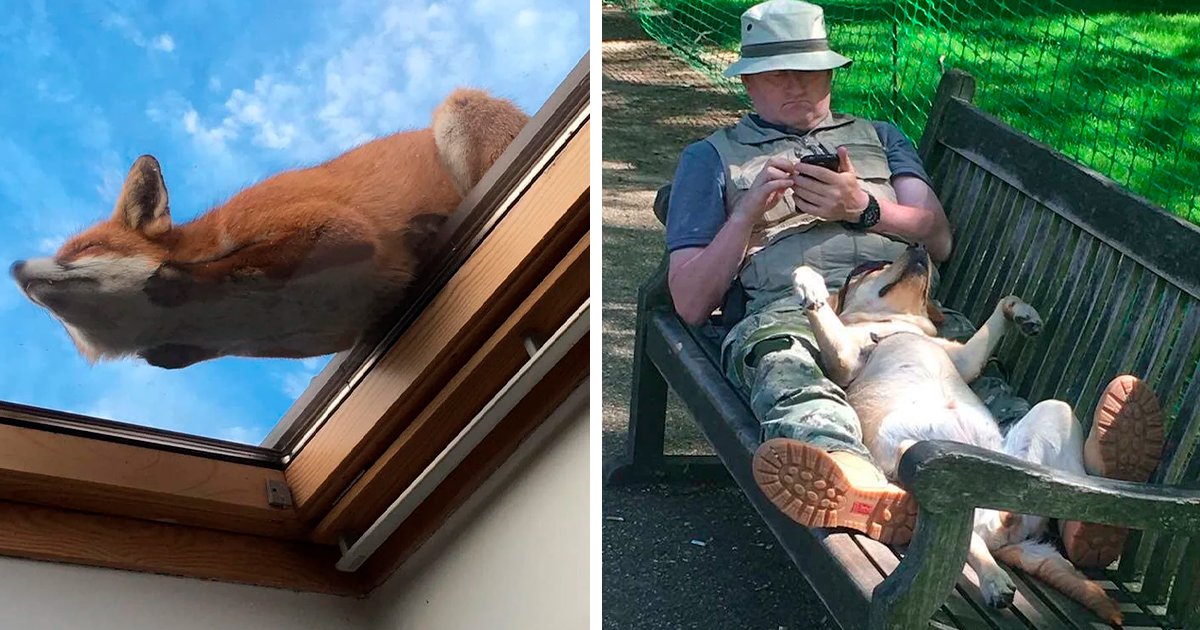
Dogs are champions of strategic sprawl. Many adult dogs naturally sleep for long stretches, and older dogs or large breeds often need even more downtime. That explains why a Labrador can start the afternoon politely on one cushion and end it occupying the entire couch like a furry landlord. These lazy pets are not always being dramatic; they are simply following a rest pattern that suits their bodies. Still, when a dog uses three pillows and leaves its human one decorative corner, the comedy writes itself.
2. The Cats Who Became Liquid
Cats may be the official mascots of elegant laziness. They sleep in boxes, sinks, shoes, drawers, laundry piles, laptop keyboards, and places that make absolutely no engineering sense. Their wild ancestors needed safe, hidden resting spots, so today’s house cats still love snug corners and high perches. The result is a pet that can ignore a $79 cat bed and choose a receipt on the floor because, apparently, minimalism is art.
3. The Sloths Who Never Got the Memo About Speed
No list of animals caught being lazy slobs would be complete without sloths, the patron saints of “I’ll get there eventually.” Sloths move slowly because their leaf-heavy diets provide limited energy, and their slow metabolism helps them survive. In other words, sloths are not lazy in the human sense. They are energy economists. Every movement has a budget meeting. Every reach for a leaf must be approved by the Department of Not Wasting Calories.
4. The Koalas Digesting Their Life Choices
Koalas also deserve a golden pillow award. Their eucalyptus diet is tough to digest and not exactly a high-energy buffet. Sleeping and resting help them conserve energy while their bodies process all those leaves. When koalas wedge themselves into tree forks and snooze like plush toys that forgot their shift, they are not failing at ambition. They are running a highly specialized digestive operation with ears.
5. The Farm Animals on Permanent Break
Goats flopping in the sun, pigs sinking into mud, cows lounging in fields, and horses standing around like they are waiting for better management all belong in the lazy-animal hall of fame. Farm animals often rest between grazing, socializing, and exploring. Pigs, especially, are intelligent animals that enjoy comfort and enrichment. A pig stretched out in the mud may look like a lazy slob, but mud helps with cooling and skin protection. It is basically a spa day, just with more snorting.
6. The Birds Who Look Personally Offended by Effort
Birds can be busy, clever, and athletic, but they also know how to loaf. Parrots may tuck one foot, fluff their feathers, and become sleepy pinecones. Ducks nap in soft grass as though they have resigned from duck duties. Chickens dust-bathe until they look like tiny retirees enjoying a backyard resort. These moments remind us that rest is not limited to mammals. Even creatures with wings sometimes prefer the luxury of not using them.
Lazy or Just Comfortable? The Science Behind the Slob Life
Calling animals “lazy slobs” is funny, but real animal behavior is more nuanced. Rest helps animals recover, regulate energy, digest food, avoid overheating, stay safe, and prepare for active periods. Cats, for example, are often most active around dawn and dusk, so daytime lounging may simply be part of their rhythm. Dogs may nap after play, meals, walks, or social excitement. Puppies need especially long sleep periods because growing is hard work, even if it looks like chewing a sock and falling over.
Wild animals conserve energy because survival is expensive. Hunting, foraging, escaping predators, finding mates, defending territory, and raising young all require effort. If an animal can rest safely, it often should. That “lazy” lion lying in the shade is not being unmotivated; it is saving fuel for the next serious burst of activity. Big cats do not waste energy just to look productive for LinkedIn.
Domestic animals have an even better deal. They receive meals, shelter, medical care, toys, and affection. Without the daily pressure of survival, pets may spend more time lounging. That does not mean they should be bored, though. Healthy pets still need movement, mental stimulation, and opportunities to use natural behaviors like sniffing, chasing, climbing, scratching, chewing, digging, and problem-solving.
When Lazy Is Cuteand When It Might Be a Problem
Most funny sleepy pet moments are harmless. A dog snoring after a long walk, a cat napping in a sunbeam, or a rabbit relaxing with its legs stretched out can be signs of comfort and trust. However, sudden changes in energy can matter. If a normally active pet becomes unusually tired, refuses food, hides constantly, struggles to move, breathes oddly, or seems weak, that is not internet comedy. That is a reason to call a veterinarian.
The key is context. A senior dog sleeping more than a young adult dog may be normal. A puppy crashing after play is expected. A cat sleeping in a weird place may simply be following instinct. But dramatic changes deserve attention. The best pet owners enjoy the lazy moments while still noticing when “adorably sleepy” becomes “something seems off.”
How to Help Your Pet Be Lazy in a Healthy Way
There is a beautiful difference between restful relaxation and bored inactivity. A healthy lazy pet has a balanced life: sleep, play, food, affection, and stimulation. An under-stimulated pet may become destructive, anxious, restless at night, or overly demanding. Fortunately, enrichment does not require a professional zoo budget or a living room full of gadgets.
Give Them a Job That Feels Like Play
Dogs often enjoy sniffing games, puzzle feeders, short training sessions, gentle fetch, tug, or food hidden around the house. Cats may prefer wand toys, climbing shelves, scratching posts, treat puzzles, or “bird TV” by a safe window. Small pets like rabbits, guinea pigs, and hamsters need safe spaces to explore, chew, burrow, and forage. Even a cardboard box can become a luxury resort if your pet has imagination and low standards.
Respect the Nap Schedule
Animals need uninterrupted rest. A pet that feels safe enough to sleep deeply is showing trust. Give them quiet resting spots away from noise, grabby hands, and household chaos. This is especially important for kittens, puppies, senior pets, and animals recovering from illness. Let sleeping dogs lie, let sleeping cats silently judge the room, and let sleeping rabbits dream of forbidden baseboards.
Match Activity to the Animal
Not every pet needs the same exercise. A young border collie may need challenging activity and training, while a senior pug may prefer short walks and cool floors. A kitten may perform midnight parkour, while an older cat may enjoy gentle play and a heated bed. The goal is not to turn every animal into an athlete. The goal is to support their body, mind, and personality.
Why We Secretly Admire Lazy Animals
Part of the charm is envy. Animals are excellent at being present. They do not doomscroll while pretending to relax. They do not lie in bed thinking about taxes from seven years ago. A cat in a sunbeam is fully committed to the sunbeam. A dog on its back with all four paws in the air is not wondering whether it should monetize its personal brand. It is simply happy, warm, safe, and possibly dreaming about cheese.
Lazy animals also expose the absurdity of human busyness. We often treat rest like a reward that must be earned after total exhaustion. Animals remind us that rest is part of functioning. The funniest animal slob moments are not just silly; they are weirdly wise. A panda rolling down a platform may not be offering life coaching, but the message is clear: sometimes the best way forward is sideways and very slowly.
Examples of Classic Lazy Animal Moments
Imagine a golden retriever lying across a doorway so every family member must step over royalty. Picture a cat asleep on a clean pile of laundry, carefully selecting only the black shirts for maximum visible fur transfer. Think of a hamster napping inside its food bowl, combining bedroom and pantry in one efficient studio apartment. Consider a bulldog who stops halfway through a walk and becomes a sidewalk statue with wrinkles. These examples feel familiar because animals turn ordinary laziness into performance art.
There are also the dramatic sleepers: kittens stacked like pancakes, rabbits stretched into fuzzy baguettes, ferrets poured into hammocks, and horses resting their heads on stable doors like overworked office employees. Then there are the shameless comfort thieves: dogs stealing blankets, cats claiming laptops, goats occupying wheelbarrows, and pigs taking mud baths with the satisfaction of spa customers who left a five-star review.
Experience Notes: Living With Lazy Slobs in Fur Coats
Anyone who has lived with animals knows that their laziness has layers. It is not just sleeping. It is the confidence. A pet can turn a two-minute rest into a lifestyle statement. The first time you see a dog refuse to move because a blanket is “too perfect,” you understand that comfort is a serious art. The first time a cat chooses to nap directly on your keyboard while you are working, you learn that deadlines are imaginary but whiskers are forever.
One of the funniest experiences is watching animals negotiate effort. A dog may sprint across the yard for a squirrel, then require emotional support to climb one stair. A cat may leap onto a refrigerator at 2 a.m., then stare helplessly at a treat two inches away. A rabbit may zoom around the room like a tiny thundercloud, then collapse under a chair as if it has completed a marathon. Their energy is not absent; it is selective. They are not lazy all the time. They are lazy with excellent timing.
Pet owners also learn that animals have favorite lazy locations. Dogs often pick the exact spot where people need to walk. Cats choose the one patch of sunlight that lasts twelve minutes and guard it like ancient treasure. Guinea pigs hide in tunnels and complain loudly when snacks are late. Hamsters stuff bedding into elaborate nap bunkers. Even birds have preferred perches where they fluff up and look like judgmental cotton balls.
The best part is how peaceful these moments feel. A sleeping pet changes the atmosphere of a room. The home becomes softer. A snoring dog can make a stressful day feel less sharp. A cat curled beside you can turn a regular evening into something warm and memorable. Animals do not need speeches to comfort us. Sometimes their presence is enough, especially when that presence is upside down, drooling, and occupying half the couch.
There is also a lesson hiding in the comedy. Animals rest without asking permission. They stretch when they need to stretch, nap when they need to nap, and seek comfort without turning it into a moral debate. Humans could probably learn from that. Of course, we cannot all live like house cats, ignoring emails and sleeping in baskets. Society would collapse, though perhaps very cozily. But we can remember that rest is not failure. A lazy animal moment is funny because it is exaggerated, but it is also relatable because everyone needs recovery.
So when you see a collection of animals caught being lazy slobs, enjoy the ridiculousness. Laugh at the dog who became a rug, the cat who became soup, the sloth who outsourced urgency to another species, and the koala who looks like Monday was canceled. Then take the hint. Sit down. Breathe. Drink water. Maybe do not nap in a laundry basket, but respect the spirit of the thing.
Final Thoughts on Animals Being Lazy Slobs
125 Times Animals Were Caught Being Lazy Slobs is more than a funny title. It captures the universal joy of watching animals relax with total commitment. These moments are cute because they are honest. Animals do not fake productivity. They rest, stretch, flop, loaf, sprawl, and snooze because their bodies tell them to. Sometimes that behavior is instinct. Sometimes it is comfort. Sometimes it is the predictable result of giving a pet a soft blanket and expecting it not to become a tiny landlord.
The next time your pet is asleep in a ridiculous position, take a photo, smile, and remember: laziness is not always laziness. Sometimes it is biology wearing pajamas. Sometimes it is trust. Sometimes it is a reminder that life does not have to be performed at full speed. And sometimes, yes, it is just a cat being a dramatic little slob on your freshly folded towels.