
Frozen vegetables are the quiet overachievers of the grocery store. They wait patiently in the freezer, never wilt dramatically in the crisper drawer, and are ready to rescue dinner when your “meal plan” turns out to be a cereal bowl and vague regret. But measuring frozen vegetables can be confusing. Does one cup mean frozen or cooked? Should you thaw broccoli first? Is a 12-ounce bag equal to two cups, three cups, or a small mountain range?
The good news is that measuring frozen vegetables is much easier than it looks. You just need to pay attention to the recipe wording, use the right tool, and avoid turning a bag of peas into a science experiment. This guide explains how to measure frozen vegetables accurately for soups, casseroles, stir-fries, smoothies, side dishes, meal prep, and more.
Why Measuring Frozen Vegetables Can Be Tricky
Frozen vegetables are not exactly the same as fresh vegetables. They may contain a little surface frost, they can clump together, and they often release water as they cook. A cup of frozen broccoli florets will not necessarily look like a cup of cooked broccoli, especially after heat causes the florets to shrink and release moisture.
This matters most in recipes where texture and moisture are important. Soup is forgiving. Tossing an extra handful of peas into soup will not cause the kitchen ceiling to collapse. A frittata, casserole, veggie burger, creamy dip, or baked pasta dish is less forgiving because excess water can make the final dish loose, soggy, or suspiciously similar to edible wallpaper paste.
The basic rule is simple: measure frozen vegetables in the form requested by the recipe. If a recipe says “1 cup frozen peas,” measure them while frozen. If it says “1 cup thawed spinach, squeezed dry,” thaw the spinach, remove excess moisture, and then measure it. Those few words can save dinner.
Easy Ways to Measure Frozen Vegetables in 13 Steps
Step 1: Read the Ingredient Line Before Opening the Bag
Start by reading the exact wording in the recipe. Look for clues such as frozen, thawed, drained, cooked, defrosted, or squeezed dry. These words are not decorative. They tell you when to measure the vegetables.
For example, “2 cups frozen mixed vegetables” means you should scoop the vegetables directly from the freezer bag. “2 cups cooked mixed vegetables” means you cook them first and measure afterward. “10 ounces frozen spinach, thawed and squeezed dry” means the 10 ounces refers to the frozen product before thawing.
Step 2: Choose Dry Measuring Cups for Volume Measurements
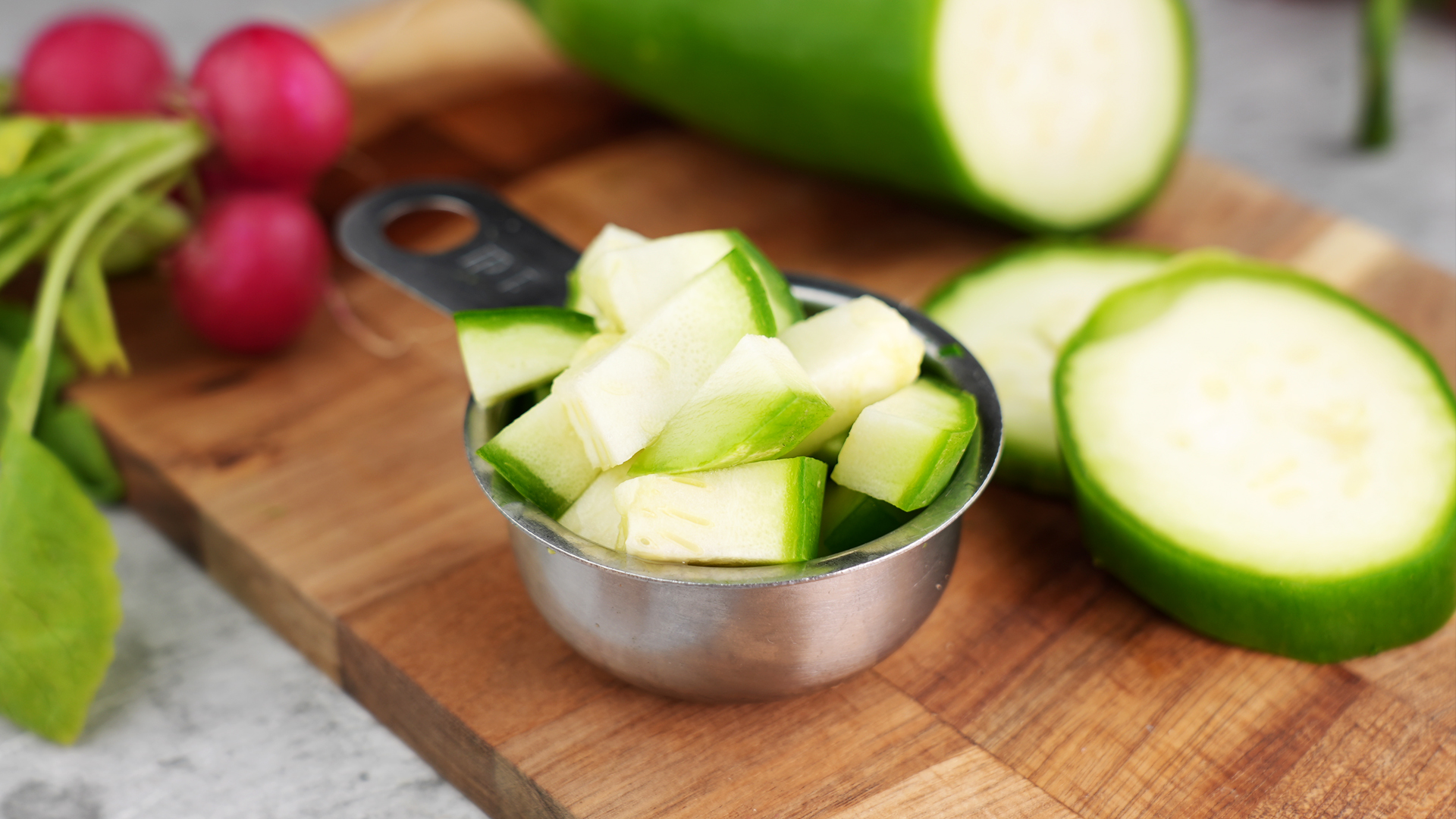
Use dry measuring cups when a recipe calls for cups of frozen vegetables. Dry cups are designed to be filled to the top and leveled off. A liquid measuring cup can work in a pinch, but it is harder to level and easier to overfill.
For most recipes, a standard 1-cup dry measuring cup is your best friend. It is especially useful for peas, corn, diced carrots, green beans, cauliflower rice, mixed vegetables, and small broccoli florets.
Step 3: Use a Kitchen Scale for Ounces or Grams
When a recipe gives a weight, use a digital kitchen scale. This is the most accurate way to measure frozen vegetables, particularly when making large batches of soup, meal-prep bowls, casseroles, or freezer meals.
Place a bowl on the scale, zero it out, and add the frozen vegetables until you reach the requested weight. If a recipe asks for 300 grams of frozen cauliflower or 12 ounces of frozen broccoli, weigh the vegetables while they are still frozen unless the recipe says otherwise.
Step 4: Check the Package Weight Before Measuring Anything
Sometimes the easiest measuring tool is the bag itself. If a recipe calls for one 12-ounce bag of frozen broccoli, use one 12-ounce bag. No conversion chart, calculator, or heroic guessing is required.
Many recipes are written around common bag sizes, such as 10 ounces, 12 ounces, 16 ounces, or 24 ounces. If your package is larger or smaller, weigh out the amount you need rather than assuming every frozen vegetable bag contains the same volume.
Step 5: Break Apart Large Frozen Clumps Gently
Frozen vegetables sometimes form clumps, especially if the bag has been moved around in the freezer or exposed to a little temperature change. Before measuring, gently shake the bag or tap it lightly on the counter to separate loose pieces.
Do not crush the vegetables into tiny fragments unless the recipe calls for chopped vegetables. Broccoli florets do not need to become broccoli dust just because they were having a clingy freezer moment.
Step 6: Scoop, Do Not Pack
For most frozen vegetables, scoop them into the measuring cup loosely. Do not press them down hard. Packing frozen peas, corn, or mixed vegetables can add more food than the recipe intended and may throw off the moisture balance.
Think of frozen vegetables like popcorn, not brown sugar. They should fill the cup naturally. A gentle shake of the measuring cup is fine if you need the vegetables to settle, but avoid pressing them down with your hand or spoon.
Step 7: Level the Top of the Measuring Cup
Once the cup is full, level the top with the straight edge of a knife or spatula. This gives you a more consistent measurement, especially for small vegetables like peas, corn, diced carrots, and mixed vegetable blends.
Leveling matters less in a forgiving soup than in a casserole or a rice dish. Still, it is a quick habit that helps your recipes turn out the same way every time.
Step 8: Measure Frozen Vegetables Before Cooking When the Recipe Says “Frozen”
If the recipe calls for frozen vegetables, measure them directly from the freezer bag. Do not thaw them first unless the instructions specifically say to do so. Thawing can release water and change the volume, which makes your measurement less accurate.
This method works well for frozen corn, peas, carrots, green beans, mixed vegetables, cauliflower rice, broccoli, and vegetable blends used in soups, stews, stir-fries, fried rice, and sheet-pan meals.
Step 9: Thaw and Drain Only When the Recipe Calls for It
Some dishes need thawed vegetables because too much liquid can affect texture. Frozen spinach is the classic example. In a dip, quiche, lasagna, egg bake, or vegetable patty, thawed spinach should usually be squeezed dry before it is added.
For vegetables that need thawing, place them in the refrigerator, microwave them according to package directions, or thaw them using the method specified by your recipe. Once thawed, drain excess liquid in a colander. For spinach, wrap it in a clean kitchen towel or paper towels and squeeze firmly until most of the water is gone.
Step 10: Measure After Thawing Only When the Recipe Says “Thawed”
Recipes that specify thawed vegetables want the final amount after the vegetables have softened and released some water. This is common with frozen spinach, chopped kale, zucchini, and other vegetables used in baked dishes.
If the wording says “1 cup thawed spinach,” thaw and drain it first, then measure one cup. If the wording says “10 ounces frozen spinach, thawed and drained,” weigh the frozen spinach first, then thaw and drain it. The difference is small on paper but can be large in a creamy casserole.
Step 11: Treat Leafy Vegetables as a Special Case
Frozen leafy vegetables are sneaky. A large-looking block of frozen spinach can shrink dramatically after thawing and squeezing. That is why spinach, kale, collard greens, and similar vegetables should be measured according to the recipe’s exact language.
For recipes that call for “squeezed dry spinach,” remove as much liquid as possible before measuring. A wet cup of spinach can water down sauces, fillings, and egg dishes. A dry cup gives you concentrated vegetable flavor instead of a puddle with green confetti.
Step 12: Do Not Assume Cups and Ounces Convert Perfectly
A cup measures volume, while an ounce usually measures weight. Those are different things. One cup of frozen peas does not weigh the same as one cup of broccoli florets, cauliflower rice, spinach, or chopped bell peppers.
Cut size also changes the result. Tiny diced vegetables fit tightly into a cup. Large florets create more air space. A bag of frozen broccoli may look enormous, but the same weight of diced carrots can fit into a much smaller bowl.
Use cups for recipes written in cups and use a scale for recipes written in ounces or grams. Avoid random conversion charts unless they are from the recipe developer or the product manufacturer.
Step 13: Keep Notes on What Works for Your Favorite Recipes
Once you make a recipe successfully, write down what you used. Maybe your favorite soup tastes best with 3 cups of frozen mixed vegetables instead of 2. Maybe your pasta bake needs an extra squeeze of spinach. Maybe your stir-fry works better with 10 ounces of broccoli rather than a full bag.
Cooking is part science, part habit, and part learning why your freezer drawer always contains one mystery bag with three peas and an ice cube. Keeping notes helps you recreate successful meals without measuring anxiety next time.
Quick Frozen Vegetable Measurement Guide
| Recipe Wording | Best Way to Measure | What to Remember |
|---|---|---|
| 2 cups frozen corn | Scoop frozen corn into dry measuring cups and level. | Measure before cooking. |
| 12 ounces frozen broccoli | Use a kitchen scale or the matching package size. | Weight is more accurate than cup conversions. |
| 1 cup thawed spinach | Thaw, drain, squeeze dry, then measure. | Do not measure the frozen block first. |
| 16-ounce bag frozen mixed vegetables | Use one full 16-ounce bag. | No conversion is needed. |
| 1 cup cooked vegetables | Cook first, then measure. | Cooked volume may differ from frozen volume. |
How Much Is a Serving of Frozen Vegetables?
For general nutrition planning, one cup of raw or cooked vegetables is commonly treated as a cup-equivalent serving. However, a recipe measurement and a nutrition serving are not always the same thing. A casserole may use two cups of frozen broccoli for six servings, while a frozen vegetable package may list a different serving size on its Nutrition Facts label.
Check the package label if you are tracking calories, sodium, carbohydrates, fiber, or other nutrients. This is especially helpful with seasoned vegetable blends, cheese sauces, butter sauces, rice-and-vegetable mixes, and frozen vegetable medleys that contain more than plain produce.
Plain frozen vegetables are often the easiest option for home cooking because you control the salt, oil, butter, cheese, sauces, and seasonings yourself. A bag of plain broccoli gives you a blank canvas. A bag of broccoli in creamy cheese sauce gives you a delicious but far more opinionated roommate.
Common Frozen Vegetable Measuring Mistakes
Measuring After Cooking When the Recipe Says Frozen
Vegetables release moisture and can shrink during cooking. Measuring them afterward may give you less vegetable than the recipe intended.
Thawing Everything Automatically
Most frozen vegetables can go directly into hot soups, sauces, stir-fries, casseroles, and skillet meals. Thawing every bag first often adds unnecessary moisture and can make vegetables softer than you want.
Using a Full Bag Without Checking the Weight
Frozen vegetable bags come in many sizes. A recipe written for a 10-ounce bag can become very different if you casually dump in a 24-ounce bag. More vegetables are not always a tragedy, but they can dilute seasoning, crowd a pan, or turn a casserole into a vegetable avalanche.
Ignoring the Difference Between Broccoli Florets and Chopped Broccoli
One cup of large broccoli florets contains more air than one cup of finely chopped broccoli. The vegetables may weigh differently and cook differently, so choose the cut requested in the recipe whenever possible.
Forgetting to Drain Spinach
Frozen spinach holds a surprising amount of water. Skipping the draining and squeezing step can make dips watery, fillings loose, and baked dishes sad. No one wants a spinach dip that needs a straw.
Helpful Tips for Better Frozen Vegetable Recipes
Keep your freezer temperature steady and reseal vegetable bags tightly after opening. This helps protect flavor and texture while preventing freezer burn. If you use only part of a bag, press out as much excess air as possible before sealing it again.
For skillet dishes, add frozen vegetables to a hot pan in small enough batches that they can cook instead of steam endlessly. Too many frozen vegetables in one small pan can lower the temperature and create a watery puddle. Use a large skillet, cook in batches, or give the vegetables enough time for excess moisture to evaporate.
For soups and stews, frozen vegetables are extremely forgiving. Measure close to the recipe amount, but do not panic over a tablespoon or two. For baked dishes, creamy sauces, egg recipes, and casseroles, accuracy matters more because added moisture has fewer places to hide.
Real-Kitchen Experiences: What Measuring Frozen Vegetables Teaches You
The first thing most home cooks learn about frozen vegetables is that the bag is almost never as simple as it looks. You open it expecting neat little peas or broccoli florets, and suddenly you are holding a frozen object shaped like a meteorite. It is tempting to grab the whole bag, dump it into a pan, and call that “rustic cooking.” Sometimes that works. Sometimes you end up with enough vegetables to feed a family of six, three neighbors, and a fictional rabbit who lives behind the stove.
In real life, measuring frozen vegetables becomes easier once you stop expecting every recipe to be laboratory-perfect. A soup recipe calling for two cups of mixed vegetables will survive if you use two and a quarter cups. Chili does not call the police when you add a little extra corn. Fried rice is also flexible, especially if you are trying to use up the last bits of peas, carrots, green beans, and that bag of edamame you bought during your brief “I will become a person who eats edamame” era.
The meals that reward precision are the ones with limited moisture tolerance. Egg bites, casseroles, savory pies, creamy dips, baked pasta, and vegetable burgers all have a strong opinion about extra water. Frozen spinach is usually the main troublemaker. It looks harmless, but after thawing, it can release enough liquid to make you wonder whether it was secretly grown in a swamp. Squeezing it dry is one of those boring kitchen steps that pays off immediately. Your filling becomes richer, your casserole sets properly, and you do not have to explain why dinner is “a little more saucy than planned.”
Frozen broccoli offers another useful lesson. Big florets and chopped broccoli are not interchangeable in every recipe. Big florets work beautifully in sheet-pan dinners, pasta dishes, and side dishes because they keep some shape. Chopped broccoli blends more easily into soups, rice dishes, casseroles, and fillings. Measuring both by the cup is easy, but the final texture can be dramatically different. The lesson is not that one is better. The lesson is that vegetables have personalities, and broccoli florets are the dramatic cousins who need more space.
Another practical habit is weighing portions for recipes you make often. A kitchen scale can feel excessive at first, especially when you are just making a weeknight skillet meal. But once you use one a few times, it becomes faster than guessing. You can weigh 8 ounces of frozen cauliflower rice, 12 ounces of broccoli, or 300 grams of vegetable blend in seconds. It also makes it easier to split a large bag between two meals without playing freezer roulette.
Meal prep is where frozen vegetable measurement really earns its keep. When you are making several lunches at once, consistent portions help every container cook and reheat similarly. You can divide a large bag of frozen vegetables into four equal portions, add them to grain bowls or soups, and know that Tuesday’s lunch will not be all carrots while Thursday’s contains one heroic pea.
The final real-world lesson is that frozen vegetables are supposed to make cooking easier. They are not a test of your worth as a cook. Measure carefully when the recipe depends on it, stay flexible when the dish is forgiving, and use the bag in your freezer as the helpful shortcut it was meant to be. The goal is a good meal, not a trophy for perfectly leveled peas.
Conclusion
Measuring frozen vegetables is simple once you match your method to the recipe. Use dry measuring cups for cup-based recipes, use a digital scale for ounces and grams, and measure vegetables while frozen unless the recipe specifically calls for thawed, drained, or cooked vegetables. Pay special attention to spinach and other leafy greens, which can release a lot of moisture after thawing.
With these 13 easy steps, frozen vegetables can become one of the most reliable ingredients in your kitchen. They are convenient, versatile, budget-friendly, and always ready to jump into soup, pasta, stir-fries, casseroles, and weeknight dinners without asking whether you remembered to grocery shop yesterday.