Ellen DeGeneres, 66, Says She Stopped Using Botox and Fillers: “I Look Older”

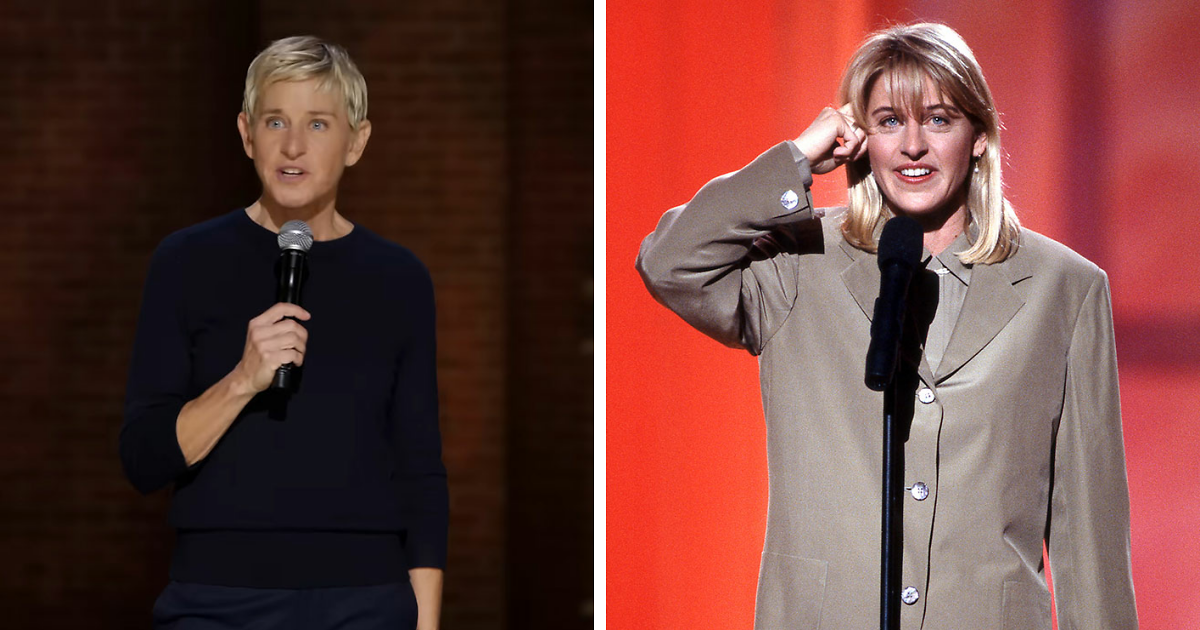
Ellen DeGeneres has never been shy about using humor as a shield, a trampoline, and occasionally a tiny comedy umbrella when life starts raining awkward conversations. In her Netflix stand-up special Ellen DeGeneres: For Your Approval, the 66-year-old comedian addressed aging, fame, health, public criticism, and her changing appearance with the kind of dry, sideways delivery that helped make her a household name. One line, in particular, caught plenty of attention: she joked that if she looks older, it is because she is olderand because she stopped using Botox and fillers.
It was a small joke with a surprisingly big echo. In a culture where celebrity faces are inspected like museum paintings under bad lighting, Ellen’s comment landed in the middle of a very modern conversation: What does it mean to age naturally when “natural” has become one of the most complicated words in beauty?
The phrase “Ellen DeGeneres stopped using Botox and fillers” quickly became more than a celebrity beauty update. It became a talking point about aging, self-image, public pressure, and the exhausting job of trying to look “refreshed” without looking like you tried to look refreshed. That job, by the way, should come with dental insurance.
Ellen’s Botox and Filler Comment: What She Actually Meant
During her Netflix special, Ellen reflected on how much she used to care about public approval. She connected that emotional burden to her past use of cosmetic injectables, joking that she used Botox and filler back when she cared what other people thought of her. Now, she suggested, she is less interested in chasing that polished, camera-ready version of herself.
The humor worked because it was simple and honest. She did not present aging as a tragedy. She did not frame stopping cosmetic treatments as a moral victory. She simply acknowledged the obvious: people get older. Faces change. Skin changes. The jawline that once appeared to be professionally managed by gravity’s legal department may eventually file for retirement.
That honesty is what made the moment stand out. Ellen did not say everyone should stop using injectables. She did not lecture viewers about beauty standards. She made a personal observation and wrapped it in a joke. Still, the reaction shows how hungry people are for celebrities to speak plainly about the work, pressure, and emotional math behind looking young in public.
Why Her “I Look Older” Comment Resonated
Celebrity aging is treated like breaking news, even though it happens to everyone with a pulse and a calendar. When famous women age, the commentary often comes with a no-win instruction manual. Look too different, and people accuse you of doing too much. Look your age, and people ask what happened. Look younger, and everyone wants to know your “secret,” which is usually a mix of genetics, lighting, wealth, skincare, procedures, sleep, and the ability to avoid fluorescent dressing-room mirrors.
Ellen’s comment resonated because it flipped the script. Instead of pretending nothing had changed, she said the quiet part out loud. Yes, she looks older. That is what happens when time continues doing its unpaid internship on all of us.
The Pressure to Look “Untouched” but Perfect
The beauty standard for celebrities has become almost comically specific. They are expected to look youthful but not frozen, smooth but expressive, enhanced but “effortless,” and natural but somehow better than nature. It is the facial equivalent of being told to make a five-course dinner that looks like you “just threw it together.”
Botox and fillers are not unusual in Hollywood, and they are not limited to Hollywood either. Minimally invasive cosmetic procedures have become common across the United States, partly because they usually involve less downtime than surgery. Botox is commonly used to soften expression lines, while dermal fillers can restore volume, smooth wrinkles, or enhance facial contours. Used conservatively by qualified professionals, they can create subtle results. Used too aggressively, they can create a face that looks surprised by its own reflection.
Ellen’s decision to stop using them, or at least stop making them part of her routine, becomes notable because it challenges the assumption that aging must always be managed, corrected, or negotiated with a syringe.
What Botox and Fillers Actually Do
To understand why Ellen’s comment sparked so much interest, it helps to know what Botox and fillers are designed to do. Though people often mention them together, they are not the same thing.
Botox Softens Movement-Based Lines
Botox is a brand name for a botulinum toxin product used cosmetically to relax targeted facial muscles. Dermatologists commonly use botulinum toxin treatments to reduce the appearance of frown lines, crow’s feet, and forehead lines. In simple terms, Botox works on movement. It can soften lines that form when you squint, frown, smile, or raise your eyebrows at a group chat that has gone completely off the rails.
The effect is temporary, which means maintenance is part of the process. For some people, that maintenance feels empowering. For others, it starts to feel like one more appointment on an already crowded calendar.
Fillers Restore Volume or Add Shape
Dermal fillers, also called soft-tissue fillers, work differently. They are injected beneath the skin to restore lost fullness, soften creases, or add contour. Many fillers use hyaluronic acid, a substance that occurs naturally in the body, though filler products vary in formulation and purpose.
As people age, they naturally lose facial fat, collagen, and skin elasticity. Fillers can help replace some of that lost volume, especially in areas such as the cheeks, lips, nasolabial folds, and hands. The goal can be subtle rejuvenation, not transformation. Ideally, good filler makes someone look restednot like they have been inflated for a parade.
Why Some People Stop Botox and Fillers
There are many reasons someone might stop using Botox or fillers. Ellen’s comments suggest a shift in mindset: less concern about outside judgment and more acceptance of visible aging. But people step away from cosmetic treatments for all kinds of reasons.
They Want More Facial Movement
Some people enjoy the smoothing effect of Botox at first, then later miss the natural movement in their face. A forehead line may be annoying, but so is feeling like your eyebrows need written permission to express concern.
They Get Tired of Maintenance
Injectables are not one-and-done treatments. Botox wears off. Fillers eventually break down. Appointments, costs, touch-ups, and decision fatigue can turn beauty maintenance into a part-time job with no paid vacation.
Their Beauty Philosophy Changes
Many people reassess cosmetic treatments as they move through different life stages. What once felt necessary may start to feel optional. What once felt confidence-boosting may begin to feel like a habit. Ellen’s public reflection fits into that larger pattern: sometimes the biggest beauty change is not what you do to your face, but how you think about it.
Aging Naturally Does Not Mean Rejecting Beauty
One of the most useful takeaways from Ellen’s comment is that aging naturally does not have to mean giving up on beauty, skincare, style, or self-care. It also does not mean looking in the mirror and declaring war on moisturizer. Aging naturally simply means allowing signs of age to exist without treating them like personal failures.
People can stop Botox and still wear makeup. They can skip fillers and still use retinol. They can embrace wrinkles and still enjoy a great haircut. The conversation should not be framed as “natural versus fake,” because real life is more interesting than that. A person can choose cosmetic treatments and still have a healthy relationship with aging. Another person can avoid procedures and still care deeply about looking polished.
The better question is not, “Did she do something?” or “Did she stop doing something?” The better question is, “Does this choice make her feel more like herself?”
Ellen DeGeneres and the Public Approval Problem
The title of Ellen’s special, For Your Approval, is important. Her comments about Botox and fillers were not floating in isolation. They were part of a broader reflection on fame and the emotional cost of being liked, judged, criticized, and analyzed by millions of strangers.
For decades, Ellen’s public image was built around likability. Her daytime show leaned heavily on dancing, kindness, celebrity interviews, and audience giveaways. After workplace allegations and public backlash changed the tone around her brand, Ellen stepped away from daytime television and later used stand-up to talk about what life felt like after being publicly criticized.
In that context, her comments about injectables feel less like a beauty confession and more like a metaphor. Botox and fillers become part of a larger story about trying to manage perception. How do people see me? Do they still like me? Do I look the way they remember me? Am I allowed to change?
Those questions are especially intense for celebrities, but they are not exclusive to celebrities. Anyone who has ever hesitated before posting a photo, deleted a selfie after zooming in too far, or wondered when their neck started writing its memoir can understand the pressure.
The Bigger Cultural Shift: From Anti-Aging to Pro-Aging
For years, the beauty industry sold “anti-aging” as the goal. Anti-wrinkle. Anti-sagging. Anti-dark spots. Anti-time, apparently, although time has lawyers and never loses. Recently, however, the conversation has started shifting toward healthier language: pro-aging, well-aging, aging gracefully, aging honestly.
This shift does not mean people have stopped caring about appearance. It means more people are questioning whether the goal should be to erase every sign of age. A face can look vibrant without looking 25. A person can look healthy, expressive, stylish, and magnetic while still looking their actual age.
Ellen’s “I look older” moment fits neatly into this shift. It is not a rejection of beauty. It is a rejection of panic. There is a difference.
Safety Matters: Cosmetic Treatments Are Still Medical Procedures
Another important part of the Botox and filler conversation is safety. Cosmetic injectables may be common, but they are still medical procedures. The FDA warns consumers against buying or using fillers sold directly to the public and emphasizes that approved fillers should be injected by licensed health care professionals. Dermal fillers and botulinum toxin products can carry risks, especially when used incorrectly, purchased from unsafe sources, or administered by unqualified providers.
That does not mean everyone should avoid them. It means people should treat them seriously. A bargain injectable from a suspicious online seller is not a “beauty hack.” It is a red flag wearing lip gloss.
Anyone considering Botox or fillers should consult a qualified medical professional, ask about the product being used, understand possible side effects, and avoid pressure-based decisions. Good aesthetic care should feel informed, conservative, and personalnot rushed, trendy, or designed to make every face look like the same influencer with different hair.
What Readers Can Learn from Ellen’s Choice
The most refreshing part of Ellen’s comment is not that she stopped using Botox and fillers. It is that she seemed comfortable naming the change. That kind of honesty gives other people permission to think about their own choices without shame.
Maybe you love your Botox appointment and feel like it helps you look less tired. Great. Maybe you tried filler once and decided your original face had better customer service. Also great. Maybe you have never done anything and still feel confused by the number of serums in the average bathroom cabinet. Welcome to the club; there are snacks.
The lesson is not that one choice is superior. The lesson is that beauty choices should belong to the person making them. Not the internet. Not the comment section. Not a trend cycle. Not a close-up photo taken in lighting that would make a peach look haunted.
Personal Experiences and Reflections Related to Ellen’s Botox and Filler Decision
Ellen’s remark feels relatable because many people eventually reach a point where they become tired of negotiating with the mirror. The experience often starts quietly. One day, you notice a line that was not there before. Another day, your face in a photo looks different from the face you expected to see. Then comes the mental debate: Is this normal aging? Should I do something? Am I overthinking it? Why does my bathroom lighting seem personally committed to destroying my confidence?
For some people, cosmetic treatments become a helpful tool. A small amount of Botox may soften a line that makes them look angry when they are simply thinking about lunch. A touch of filler may restore volume after weight loss or aging. These choices can feel empowering when they come from confidence rather than fear. The problem begins when maintenance becomes anxiety. Instead of thinking, “This helps me feel good,” a person may start thinking, “I cannot be seen without this.” That is a very different emotional place.
Ellen’s decision to stop using Botox and fillers speaks to that turning point. It suggests the possibility of stepping back and asking, “Who am I doing this for?” That question can be uncomfortable, but it is useful. If the answer is “me,” and the choice is informed and safe, that is valid. If the answer is “because I am terrified people will notice I am aging,” it may be time to pause.
In everyday life, many people are having similar conversations with themselves. A woman in her 50s may decide she no longer wants to cover every gray hair because the upkeep is exhausting. A man in his 40s may start caring for his skin for the first time, not because he wants to look 25, but because he wants to look healthy. Someone in their 60s may choose injectables for a refreshed look, while someone else may choose laugh lines as proof that they have, in fact, laughed. Both choices can be perfectly reasonable.
The healthiest approach is flexible. Aging is not a single event; it is a long relationship with a changing body. Some seasons call for more effort. Other seasons call for acceptance. Sometimes self-care looks like sunscreen, sleep, movement, and a good moisturizer. Sometimes it looks like a dermatologist appointment. Sometimes it looks like closing the front-facing camera and going outside to live your life.
Ellen’s joke reminds us that aging does not have to be treated like a scandal. Looking older can simply mean you have been here longer. You have stories. You have survived trends, bad haircuts, questionable jeans, and possibly an eyebrow era no one needs to discuss. A face with age on it is not a failed face. It is a face with receipts.
That may be why her comment struck a chord. It was not perfect, polished, or overly inspirational. It was funny, direct, and human. In a world obsessed with flawless images, that kind of honesty can feel surprisingly fresh.
Conclusion: Ellen’s Aging Message Is Bigger Than Botox
Ellen DeGeneres saying she stopped using Botox and fillers is not just a celebrity beauty headline. It is a reminder that aging, appearance, and approval are deeply connected in modern culture. Her “I look older” joke worked because it refused to pretend time had stopped. It also challenged the idea that every visible sign of age needs an immediate solution.
The real takeaway is not that Botox is bad or fillers are good, or that natural aging is the only respectable choice. The takeaway is that people deserve the freedom to decide what makes them feel comfortable in their own skin. Ellen’s choice may inspire some readers to rethink beauty maintenance, while others may simply appreciate the honesty. Either way, the conversation is useful.
Note: This article is for informational and editorial purposes only. Cosmetic procedures such as Botox and fillers should be discussed with a licensed medical professional before treatment.