
You can count calories, hit the gym, drink your water, and still feel like your body is running an operating system from 2006. For years, conversations about weight gain have focused on food, exercise, sleep, stress, and genetics. Those factors absolutely matter. But researchers are paying closer attention to another quiet player in the modern metabolism story: everyday chemicals that may encourage cells to store fat.
These chemicals are often called obesogens, a term used for substances that may interfere with normal fat storage, appetite signaling, hormone balance, insulin sensitivity, and energy metabolism. They are not magic villains hiding in your shampoo bottle with a tiny pitchfork. The science is more nuanced than that. Still, evidence from cell studies, animal research, human biomonitoring, and epidemiological studies suggests that some common chemicals may influence how the body creates fat cells, stores lipids, and responds to metabolic signals.
In plain English: weight management may not be only about what is on your plate. It may also be about what touches the plate, wraps the food, settles in household dust, coats the pan, scents the lotion, or lingers in water. Welcome to the strange world where your metabolism may be having a quiet group chat with plastics, flame retardants, pesticides, and “forever chemicals.”
What Are Obesogens?
Obesogens are chemicals that may disrupt the body’s normal regulation of fat. Many are part of a larger group known as endocrine-disrupting chemicals, or EDCs. The endocrine system is the body’s hormone messaging network. It helps regulate growth, reproduction, hunger, blood sugar, thyroid function, stress response, and energy use. When endocrine-disrupting chemicals mimic, block, or alter hormone activity, the body may receive confusing instructions.
Imagine your metabolism as a well-trained orchestra. Insulin, thyroid hormones, cortisol, estrogen, testosterone, leptin, and other signals are supposed to come in at the right volume and tempo. An obesogenic chemical may not smash the instruments, but it can tap the conductor on the shoulder and say, “Actually, let’s store more fat today.” Rude? Yes. Scientifically interesting? Also yes.
How Chemicals May Affect Fat Cells
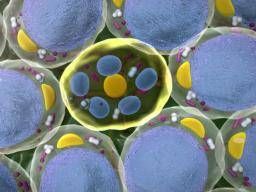
Fat storage is not just a passive process where extra calories fall into a biological junk drawer. Fat cells, or adipocytes, are active endocrine cells. They store energy, release hormones, communicate with the immune system, and influence insulin sensitivity. Before a fat cell becomes a fat cell, it often begins as a precursor cell, sometimes called a preadipocyte.
Some chemicals appear to encourage these precursor cells to become mature fat cells, a process known as adipogenesis. Others may increase lipid accumulation inside existing fat cells, interfere with appetite hormones, alter thyroid-related metabolism, change gut microbiome activity, or shift how the body handles glucose and triglycerides. The result may be a body that is more likely to store energy than burn it efficiently.
Common Everyday Chemicals Under Scientific Review
The word “chemical” can sound scary, but everything is made of chemicals, including apples, oxygen, and that suspiciously cheerful office coffee. The concern is not chemicals in general. The concern is specific synthetic compounds that may interfere with hormone or metabolic function, especially with repeated exposure over time.
1. Phthalates
Phthalates are used to make plastics more flexible and are also found in some fragrances, personal care products, vinyl materials, food-contact equipment, and packaging. They do not chemically bind tightly to plastics, which means they can migrate into dust, air, food, or skin-contact pathways.
Research has examined chemicals such as benzyl butyl phthalate, also known as BBP, for effects on fat-cell development. In laboratory models, BBP has been studied for its ability to promote adipogenesis and lipid accumulation in pre-fat cells. While a lab dish is not the same as a human body, these studies help scientists understand possible biological pathways.
2. Bisphenols, Including BPA and BPS
Bisphenol A, commonly known as BPA, has been used in polycarbonate plastics and epoxy resins, including some food and beverage container linings. As public concern grew, some manufacturers replaced BPA with related compounds such as BPS. The tricky part is that “BPA-free” does not always mean “free from endocrine activity.” Some replacement chemicals may behave in similar ways in biological systems.
Bisphenols are studied because they may interact with hormone receptors, including estrogen-related pathways. Since hormone signaling plays a role in fat distribution, appetite, insulin response, and development, scientists continue to evaluate how bisphenol exposure may relate to metabolic health.
3. PFAS, the “Forever Chemicals”
PFAS, or per- and polyfluoroalkyl substances, are a large family of chemicals used for resistance to water, grease, and stains. They have appeared in nonstick cookware, stain-resistant textiles, water-resistant products, firefighting foam, and some food packaging applications. They are often called “forever chemicals” because many persist in the environment and can accumulate over time.
PFAS are not discussed only in relation to weight. They are studied for possible effects on immunity, development, cholesterol, hormones, liver function, and certain cancers. Their potential link to metabolism is part of a broader health conversation about long-term, low-level exposure.
4. Flame Retardants and Household Dust
Some flame retardants and semi-volatile organic compounds can migrate from furniture, electronics, carpets, and building materials into household dust. That dust does not just sit politely in the corner. It gets on hands, toys, floors, and food surfaces. Children may be especially exposed because they crawl, play close to the floor, and put their hands in their mouths with the confidence of tiny scientists conducting questionable experiments.
Studies of indoor dust extracts have found that some mixtures can promote fat-cell development in laboratory models. Researchers have also identified relationships between dust chemicals and triglyceride accumulation or precursor fat-cell proliferation. This does not prove your dust bunnies are personally responsible for your jeans feeling tighter, but it does make a good case for regular cleaning and better chemical safety research.
5. Pesticides and Industrial Chemicals
Certain pesticides, industrial compounds, and legacy pollutants are also being studied for endocrine-disrupting potential. Some may affect thyroid hormone signaling, estrogen or androgen pathways, insulin function, or inflammation. Even when older chemicals are restricted or banned, they may persist in soil, water, food chains, or indoor environments.
How Everyday Chemicals May Encourage Fat Storage
The connection between everyday chemicals and fat storage is not a single straight road. It is more like a confusing highway interchange designed by someone who hates commuters. Several mechanisms may be involved.
Activating Fat-Cell Genes
Some obesogens may activate receptors involved in fat-cell formation, including PPAR-gamma, a key regulator of adipogenesis. When this pathway is stimulated, precursor cells may be more likely to mature into fat cells. More fat cells can mean more storage capacity, even if the body does not immediately gain visible weight.
Changing Hormone Signals
Hormones are powerful because they work at very low levels. A small disruption can matter, especially during sensitive windows such as pregnancy, infancy, puberty, or adolescence. Chemicals that mimic estrogen, block androgen signaling, alter thyroid hormones, or affect cortisol pathways may influence body composition and energy balance.
Disrupting Insulin and Blood Sugar Control
Insulin helps move glucose from the bloodstream into cells. If chemical exposure contributes to insulin resistance or altered pancreatic function, the body may have a harder time managing blood sugar and energy storage. This is one reason researchers often discuss obesogens alongside diabetogens, chemicals that may interfere with glucose metabolism.
Influencing Appetite and Satiety
Fat storage is also controlled by the brain. Hunger and fullness signals involve hormones such as leptin, ghrelin, insulin, and peptide hormones from the gut. Some endocrine disruptors may influence these signaling systems, potentially affecting cravings, appetite, or the feeling of being satisfied after eating.
Altering the Gut Microbiome
The gut microbiome helps process food, regulate inflammation, and produce compounds that influence metabolism. Emerging research suggests that some environmental chemicals may change microbial balance. This area is still developing, but it may help explain why chemical exposure can have body-wide effects.
Why Timing Matters: Early-Life Exposure
One of the most important ideas in obesogen research is timing. Exposure during pregnancy, infancy, or childhood may have different effects than exposure in adulthood. During early development, the body is building organs, wiring hormone systems, and setting metabolic patterns. A chemical nudge during this stage may have long-lasting consequences.
Animal studies suggest that some early-life exposures can influence fat-cell number, appetite regulation, and metabolic set points later in life. Human studies are more complicated because researchers cannot ethically expose people to suspected harmful chemicals just to see what happens. Instead, they rely on observational data, biomonitoring, laboratory studies, and natural exposure patterns.
This is why scientists are cautious. They do not say every exposure causes obesity. They say certain chemicals may increase risk, especially when combined with diet, stress, inactivity, poor sleep, genetics, and socioeconomic factors. In other words, obesogens may help load the metabolic dice, but they are not the only players at the table.
Where Exposure Happens in Daily Life
Everyday chemical exposure can come from several ordinary places. Food can pick up chemicals from packaging, processing equipment, or storage containers. Personal care products may contain fragrance chemicals or plasticizers. Indoor dust can carry flame retardants, phthalates, pesticides, PFAS, and other compounds. Water can contain contaminants depending on local conditions and infrastructure.
The goal is not to become terrified of your couch, your lunchbox, or your shower curtain. Panic is not a detox plan. The goal is to understand realistic exposure routes and make practical swaps where possible.
Simple Ways to Reduce Exposure Without Losing Your Mind
You cannot completely avoid endocrine-disrupting chemicals. They are too widespread. But you can reduce contact in ways that are sensible, affordable, and not socially awkward. Nobody wants to be the person at dinner whispering, “Is this bowl endocrine-safe?” before the salad arrives.
Choose Glass, Stainless Steel, or Ceramic for Hot Foods
Heat can increase chemical migration from some plastics. Try not to microwave food in plastic containers, especially old, scratched, or soft plastic. Use glass or ceramic containers for reheating, and let hot leftovers cool before storing them.
Cut Back on Highly Packaged Foods
Fresh or minimally processed foods often involve less contact with packaging and processing materials. You do not need to live on farmers market kale and moral superiority. Just shifting some meals toward whole foods can reduce exposure while also supporting better nutrition.
Dust and Vacuum Regularly
Household dust can carry chemical residues. Wet-mopping, using a vacuum with a HEPA filter, washing hands before meals, and removing shoes at the door can help reduce dust exposure. This is especially useful in homes with small children.
Be Fragrance-Smart
“Fragrance” can represent a mixture of ingredients, and some scented products may contain phthalates. Consider fragrance-free personal care and cleaning products when possible. Your home does not need to smell like a tropical waterfall wrestling a vanilla cupcake.
Check Water Quality
If PFAS or other contaminants are a concern in your area, review local water reports and consider a certified filter designed for the specific contaminant. Not every filter removes every chemical, so matching the filter to the problem matters.
Use Nonstick Cookware Carefully
If you use nonstick cookware, avoid overheating it and replace pans when coatings are damaged. Stainless steel, cast iron, carbon steel, and ceramic options can be useful alternatives depending on cooking style and budget.
What This Means for Weight Management
The obesogen conversation should not replace nutrition, exercise, sleep, stress management, or medical care. It should expand the conversation. If someone struggles with weight, it is rarely because they lack willpower. Metabolism is influenced by biology, environment, access to healthy food, medications, hormones, mental health, sleep, family history, and chemical exposures.
This matters because shame is a terrible health strategy. When we understand obesity as a complex condition shaped by both personal and environmental factors, we can move from blame to problem-solving. A person can make healthy choices and still deserve cleaner products, safer packaging, better regulation, and more transparent labeling.
Practical Experiences Related to Everyday Chemicals and Fat Storage
A useful way to understand this topic is to imagine an ordinary household trying to make better choices without turning life into a chemistry exam. Let’s call the family the Parkers. They are not extreme health influencers. They do not own matching glass jars labeled “quinoa feelings.” They are just busy people trying to eat better, sleep more, and figure out why their wellness efforts feel harder than expected.
Their first change is in the kitchen. They notice that leftovers usually go straight into plastic containers while still hot. Pasta sauce stains the plastic orange, lids are warped, and one container has survived since approximately the invention of Wi-Fi. Instead of throwing everything away overnight, they slowly replace the most-used containers with glass. They still use plastic sometimes, but not for microwaving hot food. The change feels small, but it is realistic. That is the secret: the best healthy habit is the one that does not require a motivational speech every Tuesday.
Next, they look at food packaging. They realize that a lot of their meals come from takeout boxes, plastic-wrapped snacks, canned foods, and ultra-processed convenience items. Nobody declares war on pizza. That would be dramatic and unpopular. Instead, they choose a few simple swaps: oatmeal instead of packaged breakfast pastries, fresh fruit instead of individually wrapped sweets, and home-cooked rice bowls twice a week instead of fast food. These changes may reduce contact with packaging chemicals while also improving fiber, protein, and overall diet quality.
Then comes the bathroom cabinet. There are scented lotions, sprays, hair products, nail products, and cleaners with fragrances so strong they could probably introduce themselves. The family switches a few daily-use products to fragrance-free versions, especially items applied directly to skin. They do not become perfect. They still keep a favorite cologne and a fancy candle for weekends. But daily exposure drops, and the bathroom no longer smells like a fruit salad wearing perfume.
The most surprising change is dust control. Once the Parkers learn that indoor dust can carry endocrine-disrupting chemicals, cleaning feels less like a chore and more like low-budget environmental health. They start wet-mopping weekly, vacuuming with a better filter, washing children’s hands before meals, and leaving shoes near the door. Their toddler still tries to eat a crayon, because toddlers are tiny chaos engines, but the family reduces unnecessary dust exposure.
Finally, they check their water report. Their area has concerns about PFAS, so they research filters certified for PFAS reduction. They learn that a random pitcher filter may not solve every problem, so they compare options carefully. The point is not fear. The point is informed action.
After a few months, the Parkers do not claim that removing plastic containers magically changed their metabolism. That would be too simple. But they do feel more in control. Their meals are less packaged, their home is cleaner, their personal care routine is simpler, and their children are exposed to fewer questionable residues. These choices support metabolic health indirectly, alongside better food, movement, and sleep.
That is the most honest lesson from the science: reducing everyday chemical exposure is not a miracle weight-loss hack. It is a smart environmental-health habit. It may lower one more source of pressure on the body’s hormone and metabolic systems. In a world where our cells are already dealing with stress, screens, late nights, and the occasional emergency donut, giving them a cleaner environment is a pretty reasonable favor.
Conclusion
Everyday chemicals may encourage cells to store fat by disrupting hormone signals, activating fat-cell development, changing insulin sensitivity, influencing appetite pathways, or altering metabolism. Phthalates, bisphenols, PFAS, flame retardants, pesticides, and dust-borne chemical mixtures are among the substances scientists continue to investigate.
The evidence does not mean one plastic bottle or scented lotion causes obesity. Human weight is far more complex than that. But the research does suggest that chemical exposure belongs in the broader conversation about metabolic health. The smartest approach is balanced: eat well, move often, sleep deeply, manage stress, and reduce avoidable exposure to endocrine-disrupting chemicals where practical.
Your cells do not need perfection. They need fewer confusing signals. And honestly, so do the rest of us.