
Note: Publishing-ready HTML body only; source placeholders removed.
Some home accessories try way too hard. They shout. They sparkle. They practically demand their own agent. A natural fish pillow does something smarter: it adds character without turning your living room into a themed seafood restaurant. That balance is exactly why the Fish Pillow – Natural has so much appeal. It feels playful, but not childish. Coastal, but not cheesy. Neutral, but definitely not boring.
In a world full of beige sofas, safe bedding, and throw pillows that all look like they graduated from the same design school, a fish-shaped or fish-motif pillow in a natural colorway brings in movement, texture, and a little wit. It says, “Yes, I appreciate good design, but I also know a room should have some personality.” And honestly, that is a refreshing attitude for a pillow.
Whether you are styling a beach house, a lake cottage, a modern organic living room, or a bedroom that just needs one interesting accent, a natural fish pillow can work harder than it looks. The right one can soften a sofa, warm up crisp bedding, add a handcrafted touch to a reading nook, and make a neutral space feel collected rather than flat.
What Is a Natural Fish Pillow, Exactly?
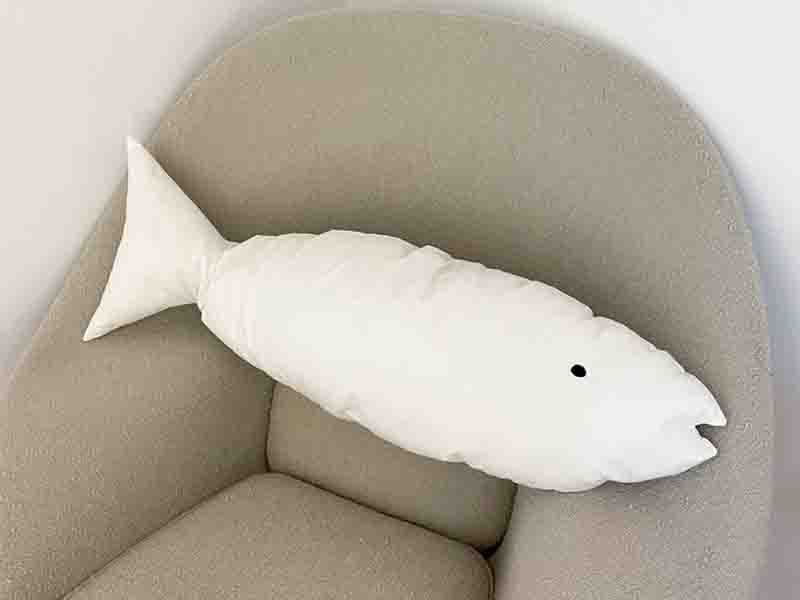
A natural fish pillow is usually a decorative accent pillow that features either a fish silhouette, fish embroidery, fish print, or a fully shaped fish form. The word natural generally refers to the color palette, the materials, or both. In design language, that often means off-white, sand, oat, flax, cream, driftwood, soft beige, or muted gray-brown tones rather than bright tropical blues and bold coral reds.
That distinction matters. A bright novelty fish pillow can be fun, but a fish pillow in natural tones tends to feel more refined. It blends into neutral interiors, layered coastal rooms, California-casual spaces, and modern organic homes without screaming for attention. In other words, it can be whimsical and grown-up at the same time, which is a rare and useful talent.
Some versions lean artisanal, with organic cotton canvas, hand-embroidered details, and plant-based fills. Others are more retail-friendly, using square pillow formats and cotton-forward blends that make them easier to mix with standard throws, striped pillows, linen cushions, and textured bedding. That range is part of the appeal: there is no single “correct” fish pillow. There is only the one that works in your space.
Why This Look Works So Well
The secret is contrast. A fish pillow gives you a recognizable motif, but when it is done in a quiet palette, it behaves more like texture than theme. That makes it easier to style than people expect. It can nod to the sea without making your room look like it belongs inside a souvenir shop next to a shell lamp and a sign that says “Beach, Please.”
Designers and retailers keep coming back to neutral palettes because they create calm, especially when they are supported by texture and material variation. A natural fish pillow fits right into that approach. It gives you shape, story, and softness, but stays friendly with linen, boucle, cotton, wool, rattan, jute, and weathered wood. It looks especially strong in rooms that already rely on tactile materials instead of loud color.
There is also a broader décor reason fish motifs keep showing up: they bring motion. Fish are curved, directional, and organic. That makes them visually useful. In a room filled with rectangles, straight-backed furniture, and boxy storage, a fish motif can loosen things up. Even a square pillow with an embroidered fish adds a sense of movement across a bed, bench, or sofa. It is a small detail, but good rooms are built on small details doing big jobs.
Materials That Make a Difference
Natural Fabrics
If you want the best version of this look, start with the outer fabric. Cotton canvas, washed cotton, linen, and linen blends are especially effective because they reinforce the relaxed, organic feeling the design is aiming for. A fish pillow in a smooth synthetic fabric can still look nice, but natural-feeling textiles usually make the motif more sophisticated.
Organic cotton canvas gives a fish pillow a slightly rugged, handcrafted look. Linen or linen-blend fabrics create a lighter, breezier feel that works beautifully in coastal bedrooms and casual living rooms. Cotton-poly blends can be practical for busy households because they hold shape well and can be easier to maintain. The trick is not to be snobbish about materials. A pillow does not need to be made by woodland elves to look good. It just needs to feel appropriate to the room.
Fill and Loft
The insert matters more than many shoppers realize. A beautiful fish pillow cover with a sad, underfilled insert will look tired fast. Down-feather inserts tend to feel plush and shapeable. Down-alternative inserts are often hypoallergenic, supportive, and lower maintenance. Some handcrafted fish pillows use natural kapok, which gives them a lightweight, airy feel and adds to their handmade appeal.
If your goal is a fuller, more tailored look, slightly oversized inserts usually help. That is one of those decorating truths that sounds annoyingly specific until you try it and realize it is absolutely right. A pillow that fills the cover properly looks more expensive, sits better on the furniture, and avoids the dreaded “floppy pancake” effect.
Texture Over Flash
Natural fish pillows tend to look best when they lean into woven texture, embroidery, applique, or subtle patterning rather than shiny finishes. Texture creates visual interest without overwhelming a neutral room. That is important because in calm spaces, every surface has to earn its keep. A pillow that adds both texture and motif is doing excellent multitasking.
How to Style a Fish Pillow – Natural
On a Sofa
A sofa is the easiest place to start. If you have a two-seat sofa, one fish pillow can work as the accent piece while two simpler neutral pillows provide the base. On a larger sofa, place the fish pillow off-center rather than dead in the middle. It looks more curated that way and less like the room was assembled by an overachieving algorithm.
Pair it with solids, stripes, or subtle woven patterns. A good formula is one larger neutral pillow, one smaller textured pillow, and one fish pillow that acts as the personality piece. If the fish pillow has an embroidered motif, keep the supporting pillows quieter. If it is a shaped novelty design, tone down everything else around it so the effect feels intentional.
On a Bed
In a bedroom, a natural fish pillow can soften the usual stack of square sleeping pillows and euro shams. It works especially well in coastal bedrooms, guest rooms, and children’s spaces that are meant to feel polished rather than overly themed. Place it in front of larger pillows so it becomes the finishing touch rather than the whole story.
Natural fish pillows pair beautifully with white, blue, sand, sage, and weathered-wood palettes. They also work well with crisp percale or washed linen bedding, especially when the rest of the room includes woven baskets, rattan accents, or jute underfoot. The whole scene starts to feel breezy and intentional instead of stiff.
On a Bench, Chair, or Reading Nook
This is where a fish pillow can be unexpectedly brilliant. On a bench or accent chair, a single pillow has more visual power than it would on a large sectional. A natural fish pillow becomes a little piece of art here. It can make a forgotten corner feel styled in seconds, especially when paired with a throw blanket and warm wood tones.
Seasonally, Without Looking Seasonal
One of the biggest strengths of this pillow style is that it can work year-round. In summer, it feels beachy and fresh. In fall, it still works with textured neutrals and warmer wood tones. In winter, it reads cozy and collected instead of summery. In spring, it feels light again. That makes it a smarter buy than a lot of holiday-coded décor that spends eleven months hiding in a closet wondering where it all went wrong.
How to Choose the Right One
Not every fish pillow deserves a place on your couch. Some are charming. Some look like they lost a fight with a printer. A few shopping guidelines can save you from bringing home a decorative regret.
First, look at scale. A fish motif should feel visible, but not cartoonish, unless you intentionally want a playful look. For most living rooms and bedrooms, standard square accent sizes are easy to integrate. Shaped fish pillows are more dramatic and work best when you have enough surrounding simplicity to let them breathe.
Second, check the color temperature. “Natural” can vary. Some lean creamy and warm. Others lean gray and cool. Match the pillow to your existing upholstery, bedding, and rug tones. A warm oat-colored pillow can look amazing on a creamy sofa and weirdly grim on a cool gray bed. That is not the pillow’s fault. That is just color chemistry being dramatic again.
Third, consider how much detail you want. Hand embroidery and textured weaving usually feel richer than flat printed designs. If the fish motif is the main feature, some dimensional detail helps the pillow feel deliberate and decorative rather than generic.
Fourth, think about maintenance. Removable covers are convenient. Machine-washable options are practical. Dry-clean-only pillows can still be worth it, but you should know what you are signing up for before coffee, pets, kids, or red pasta sauce enter the chat.
Care Tips for Keeping It Beautiful
The easiest care rule is this: treat decorative pillows like the finishing layer they are. Vacuum or shake them out regularly, fluff inserts as needed, and spot clean quickly when spills happen. If the cover is removable, follow its label rather than assuming all pillow covers are created equal. They are not. Some are machine-wash friendly. Some prefer gentle care. Some would like to speak to a dry cleaner immediately.
Feather and down inserts may need occasional refluffing, while down-alternative inserts often hold structure with less fuss. Decorative covers made from cotton and linen blends tend to do best when protected from constant direct sun, which can dull natural tones over time. In high-use seating areas, rotating your pillows helps them wear more evenly and keeps one favorite fish from doing all the emotional labor.
Who Should Buy a Natural Fish Pillow?
This style is a strong pick for anyone who likes neutral interiors but worries they can look too safe. It is also ideal for people who want a coastal accent without defaulting to anchors, ropes, or navy stripes on every available surface. If your taste leans organic modern, beach cottage, California casual, lakeside retreat, or collected eclectic, a natural fish pillow can slide right in.
It is also great for people who love conversation-starting décor, but only in small doses. You do not need a room full of fish. One well-chosen fish pillow can do the job. That is the beauty of it. It is specific enough to feel memorable and restrained enough to stay stylish.
Experience: Living With a Fish Pillow in Natural Tones
There is something unexpectedly satisfying about adding a natural fish pillow to a room that previously felt almost finished, but not quite. At first glance, it can seem like a tiny change. It is still just a pillow. It is not repainting the walls, replacing a rug, or finally buying the coffee table you have had bookmarked for seven months. But once it is in place, the room often starts to make more sense.
That is usually the first experience people notice: the space feels less flat. A sofa with standard beige or ivory pillows can look perfectly nice, yet still a little anonymous. The moment a fish pillow enters the arrangement, there is a focal point. Not a loud one. Just enough to make the room feel lived-in and personal. Guests tend to notice it right away, which is funny because it is rarely the biggest object in the room. It simply has presence.
Another common experience is that natural tones make the fish motif easier to live with than brighter coastal décor. A bold ocean-blue fish pillow can be fun for a week and then start to feel like vacation memorabilia that never got packed away. A natural version sticks around more gracefully. It blends with cream throws, oatmeal upholstery, pale wood, woven baskets, and washed bedding. Over time, it starts to feel like it always belonged there.
It also tends to move around the house more than expected. What starts on the sofa may end up on a guest bed, then on a reading chair, then back to the living room for summer. That flexibility is part of the charm. Because the palette is soft and the motif is friendly, it works in more places than a lot of decorative accents do. It can be playful in a kid’s room, calming in a bedroom, or a little witty in a grown-up sitting area.
There is often a tactile pleasure to it too, especially when the pillow has embroidery, slubby linen, canvas texture, or a nicely stuffed insert. People reach for it. They adjust it. They lean on it during movie night. A good decorative pillow should not feel untouchable, and natural fish pillows usually avoid that precious, “please admire from six feet away” problem.
Perhaps the best long-term experience, though, is that it helps a home feel less generic. Many interiors today are beautiful but interchangeable. Add a fish pillow in a natural colorway, and suddenly the room has a little point of view. It suggests someone actually lives there, someone with a sense of humor, someone who likes texture, someone who understands that good decorating needs at least one detail that makes people smile. And if that detail happens to be a fish-shaped pillow in organic-looking fabric, honestly, that seems like excellent judgment.